
Filter Post Type
NewsVideoProductEventLink
Sort:
Most Recent
1–10 of 14
Cal/OSHA Has Approved Its California Indoor Heat Illness Rule: Here’s What It Means for CA Employers
July 9, 2024

The California Division of Occupational Safety and Health (Cal/OSHA) approved a long-awaited indoor heat-illness standard on June 20, 2024. Before going live, the Office of Administrative Law (OAL) will have 30 days to approve or deny the standard. Cal/OSHA has requested that it go into effective immediately after OAL approval, so it could very well go live in a month. The standard, Section 3396, requires employers with indoor workspaces of 87 degrees Fahrenheit and above to reduce the room temperature and offer workers other cool-down options. For indoor workers who wear poor ventilating protective clothing or work near a heat source, employers will instead have to provide cool-down options when the inside temperature reaches 82 degrees Fahrenheit. What California Employers Will Need to Prepare While California has had an outdoor heat illness standard since 2006, indoor workers have been left unprotected. Cal/OSHA has been developing this rule since 2017 but has se
00
.png)
May 1, 2024
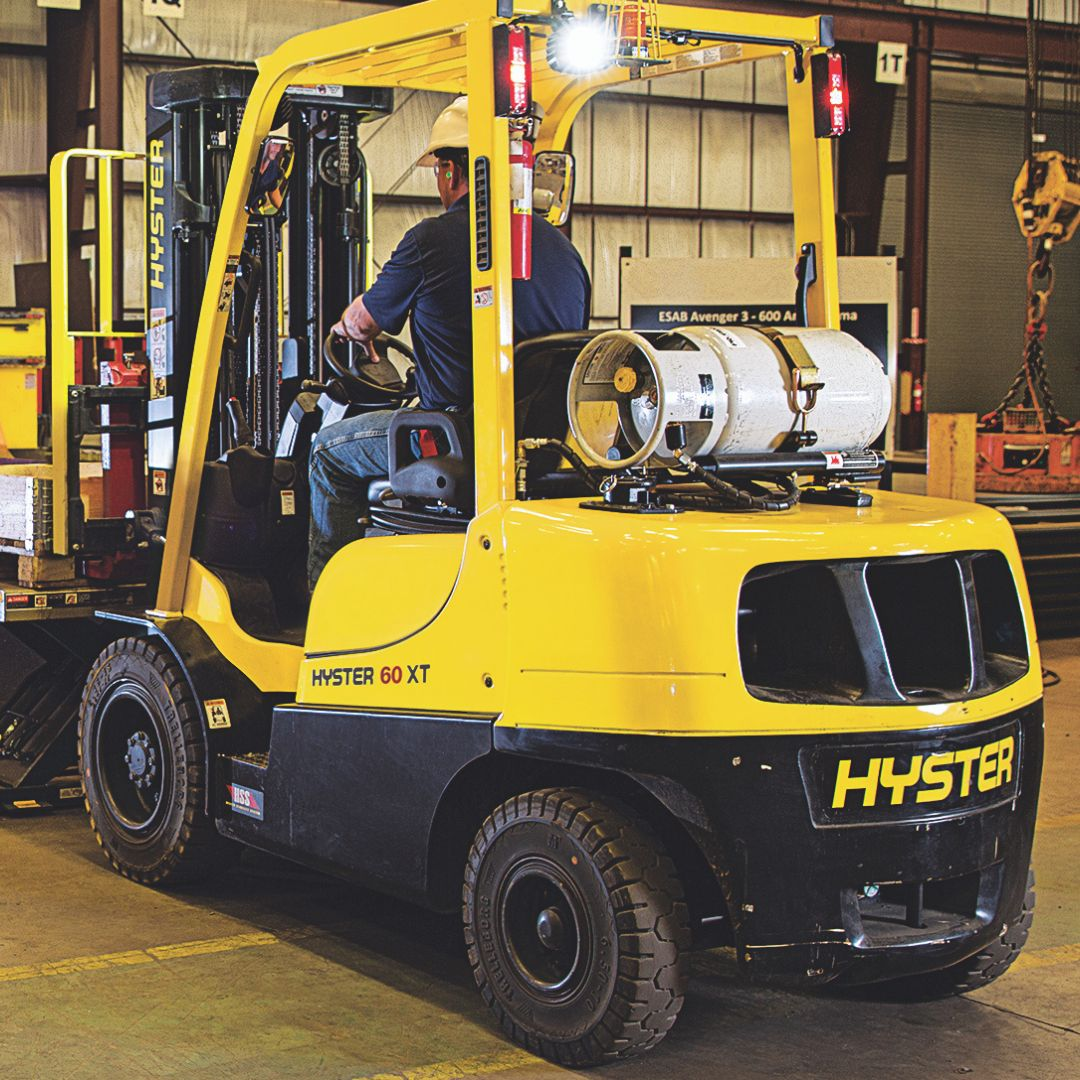
As a dealership, Papé and the Papé Group of companies don't have influence over legislation, or the new restrictions and regulations enacted by California Air Resources Board and other state agencies. We are doing our best to support our customers through this complex layer of changes and the new regulations that are continually updated. Warehouses and other operations using LPG or gas-powered fork lifts or lift trucks will be affected by these regulations and restrictions from CARB. If you are a fleet manager -especially in the state of California - and you haven't been able to determine how these changes will affect your fleet, we are ready to help. Let us assist in navigating the complex layers of these regs and how your purchasing power and your fleet will be affected. We'd love to partner with you in assessing the most cost effective way for your business to move forward and even find the grant money, incentives, and funding available to help
00

March 12, 2024

"GROUNDWATER . You can't see it, but millions of Californians depend upon it as a vital source of water for their homes and businesses." Those are not my words but the introductory words for the promotional video that appears on the SGMA (Sustainable Groundwater Management Act) website1 . The statement is a rather simply worded way to convey the obvious: that groundwater is vital to our livelihood here in California, and especially important to honoring and sustaining our agricultural heritage. While groundwater provides needed sustenance for numerous rural, as well as urban communities, it is agriculture that demands the lion's share of the resource. Central Valley agriculture turns to groundwater pumping whenever drought or poor rainfall years reduce the availability of surface water deliveries. Cries for construction of more reservoirs to capture and store more stormwater and snowmelt so that canals can be filled with more water are always being heard. Yet, apart f
00
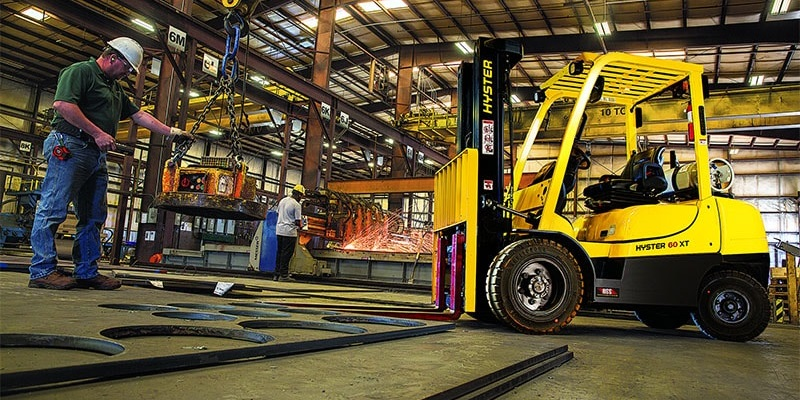
As the landscape changes for material handling regulations, Papé Material Handling is committed to guiding our customers through and providing unwavering support. The California Air Resources Board (CARB) has proposed new regulations aimed at reducing emissions by transitioning to zero-emission forklifts and beyond. This change marks a significant step towards a more sustainable future, and we at Papé Material Handling are here to ensure that your transition is seamless and beneficial. The proposed CARB regulations, released on November 7th, 2023 which come into effect into effect on January 1, 2026, represent a significant environmental initiative. Targeting the reduction of emissions in the material handling sector, these regulations specifically focus on all Class IV (Cushion Tire Forklifts) and Class V (Pneumatic tired forklifts) with capacities up to 12,000lbs, powered by LPG or gasoline. The goal of this regulatory shift lies in moving away from large spark-ignited
00
Happy New Year! It is time to dust off the employee handbook, review your policies and procedures, and make sure they comply with all the new laws, regulations, and interpretations that have either already gone into effect or will in early 2024. Below, we have identified our “top 10(ish)” changes. Please keep in mind there were hundreds of laws, regulations, and changes implemented at the local, state, and federal levels throughout 2023. So, if you need a handbook/policy review or have any questions, please call. 1. California and Local Minimum Wage Raised – In addition to the gradual increase to minimum wage by the state, several Sonoma County cities have increased minimum wage beyond that required by the state. Below is a table that describes the state and local city requirements: Locality Effective Date All Employers California 1/1/2024 $16.00 Santa Rosa 1/1/
00

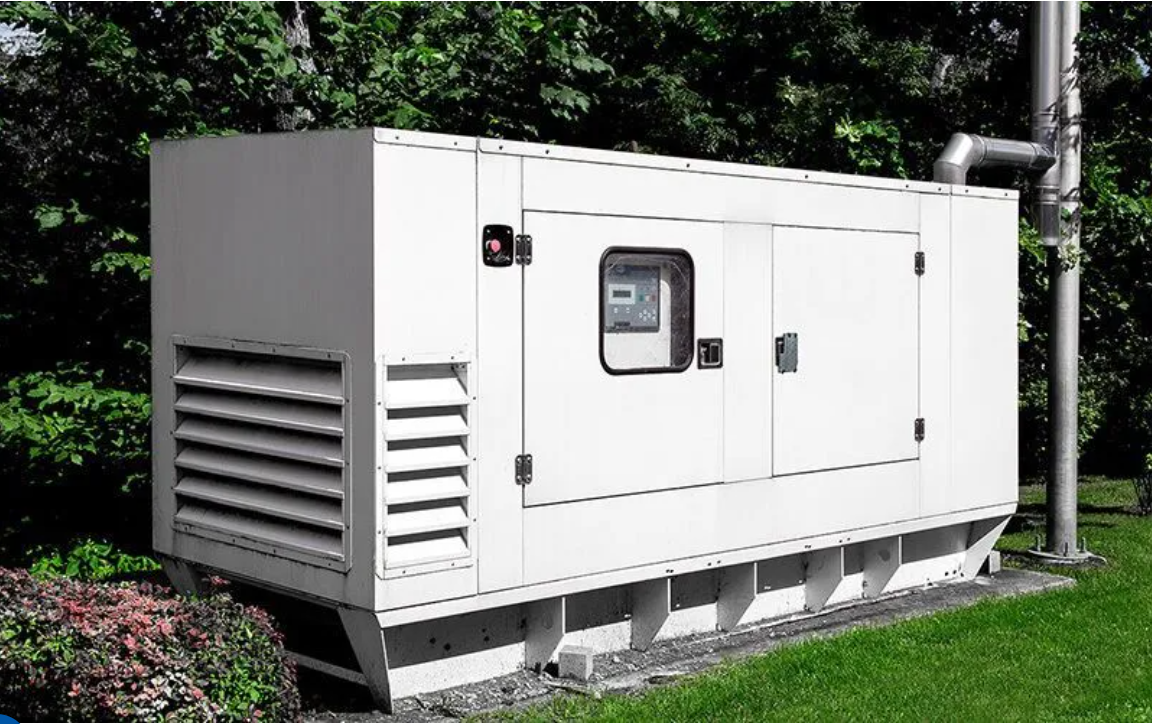
A well-maintained stationary or mobile generator is capable of operating for many years. For this reason, it can be tempting to purchase a used backup generator to meet your alternative power requirements. Benefits: Cost Savings: Purchasing used generators is often significantly cheaper than buying new ones, allowing for substantial savings. Availability: Used generators are usually available for immediate delivery, skipping the lead time associated with new generators. Durability: Commercial generators are designed for longevity. A well-maintained used generator can have many years of service left. Eco-Friendly: Buying used equipment can be seen as a form of recycling, preventing unnecessary waste and consumption. Tested Performance: With used generators, you often have a clearer idea of performance, having been run and tested previously. However, before buying a used generator, it’s important to consider the following: Wear and Tear: A used generator will naturally have experie
00
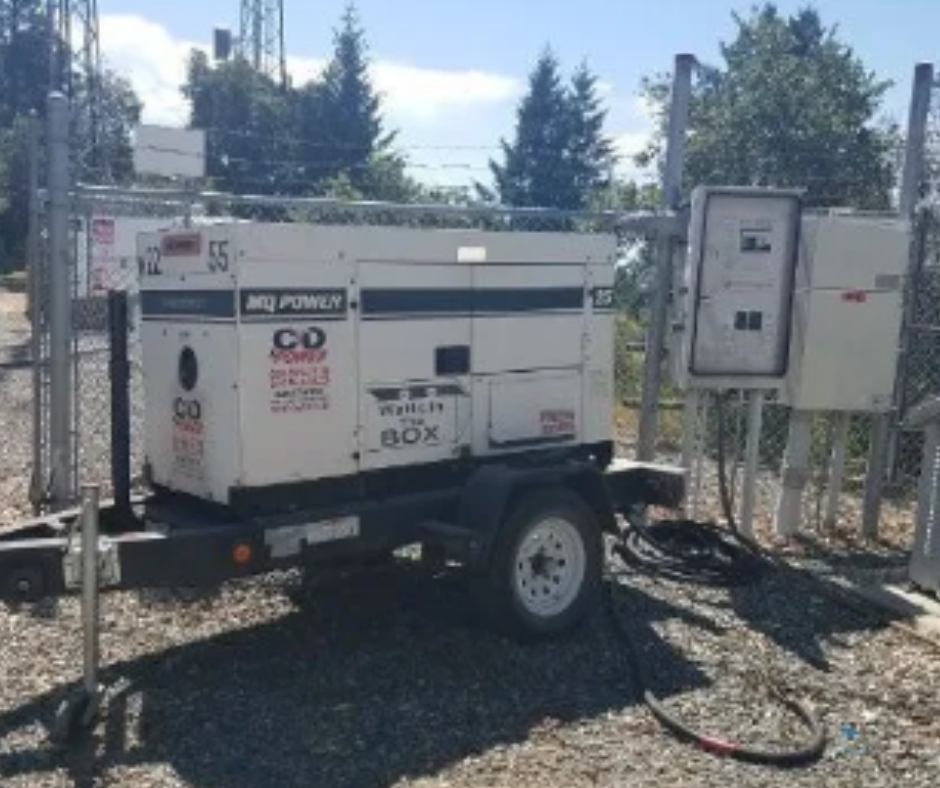
Determining the right time to replace a generator can be a daunting task. For example, a standby generator is one piece of equipment in a business that feels somewhat redundant—it’s a contingency plan. Until that is, the power goes out, and it is the lifeline to keeping your business functioning or providing critical safety functions. Consider the following: Taking Your First Step The first step in safeguarding your business is evaluating your current system and then trying to reach a consensus on the life of a generator/engine, which can be pretty daunting. Let’s consider: What is the condition of the engine, and controls? Have there been any significant maintenance issues ? So Which Type Do I Have? There are two types of generators, “stationary” and “portable.” Either can be used as backup (standby) power. A stationary generator is nearly ALWAYS used in a backup/standby capacity because day in and day out, the facility it is installed next t
00
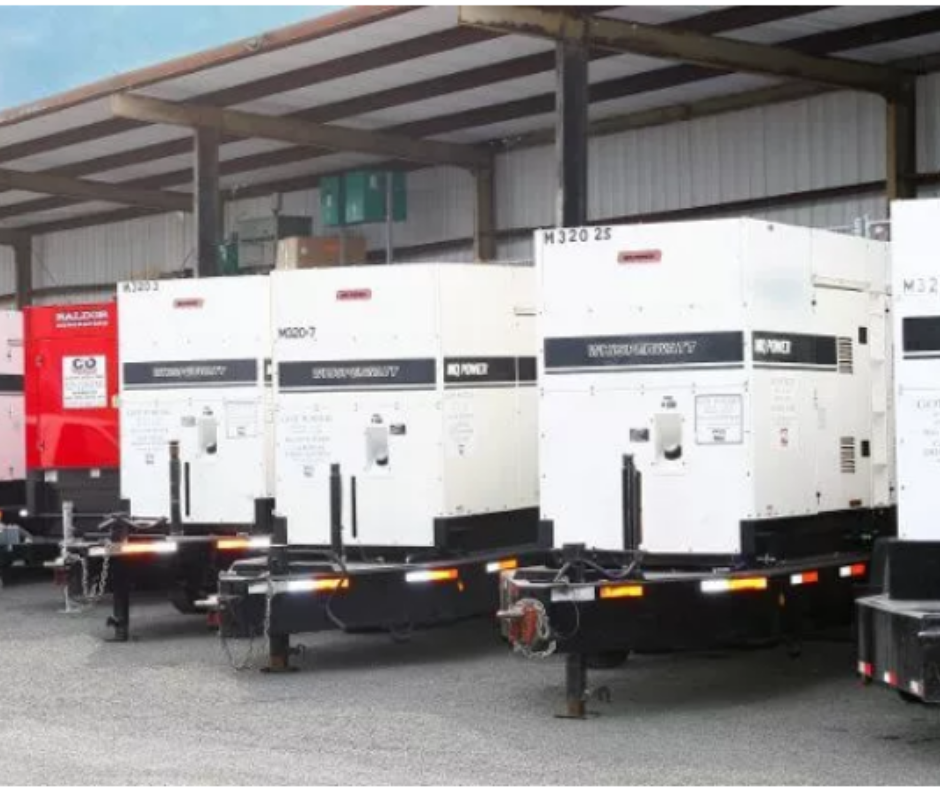
Determining the right time to replace a generator can be a daunting task. For example, a standby generator is one piece of equipment in a business that feels somewhat redundant—it’s a contingency plan. Until that is, the power goes out, and it is the lifeline to keeping your business functioning or providing critical safety functions. Consider the following: Taking Your First Step The first step in safeguarding your business is evaluating your current system and then trying to reach a consensus on the life of a generator/engine, which can be pretty daunting. Let’s consider: What is the condition of the engine, and controls? Have there been any significant maintenance issues ? So Which Type Do I Have? There are two types of generators, “stationary” and “portable.” Either can be used as backup (standby) power. A stationary generator is nearly ALWAYS used in a backup/standby capacity because day in and day out, the facility it is instal
00

March 2, 2023
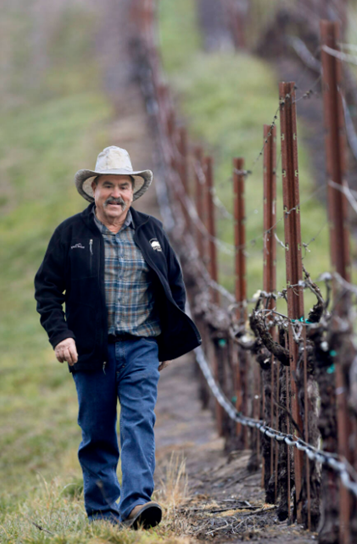
Jose Aceves, a 54-year veteran of Dutton Ranch, claimed the Sonoma County vineyard workforce’s highest honor over the weekend Jose Aceves was just 19 when he began working at Dutton Ranch, a sixth-generation family farm, apple orchard and vineyard in Santa Rosa. That was 1969. Fifty-four years later, Aceves still works at Dutton Ranch, where he’s gone from field worker, to tractor driver, truck driver, foreman and supervisor. Those years of hard and successful work paid off Feb. 25 when Aceves received his most prestigious title yet: Sonoma County’s Vineyard Employee of the Year. “There is no doubt we wouldn’t be as successful without Jose’s dedication and expertise all these years,” said Steve Dutton, president and co-owner of Dutton Ranch. “Vineyard workers are the backbone of the wine industry, so It’s fantastic to see him receive this honor.” Born in Jalisco, Mexico, Aceves came to Dutton Ranch with his childhood best frie
00
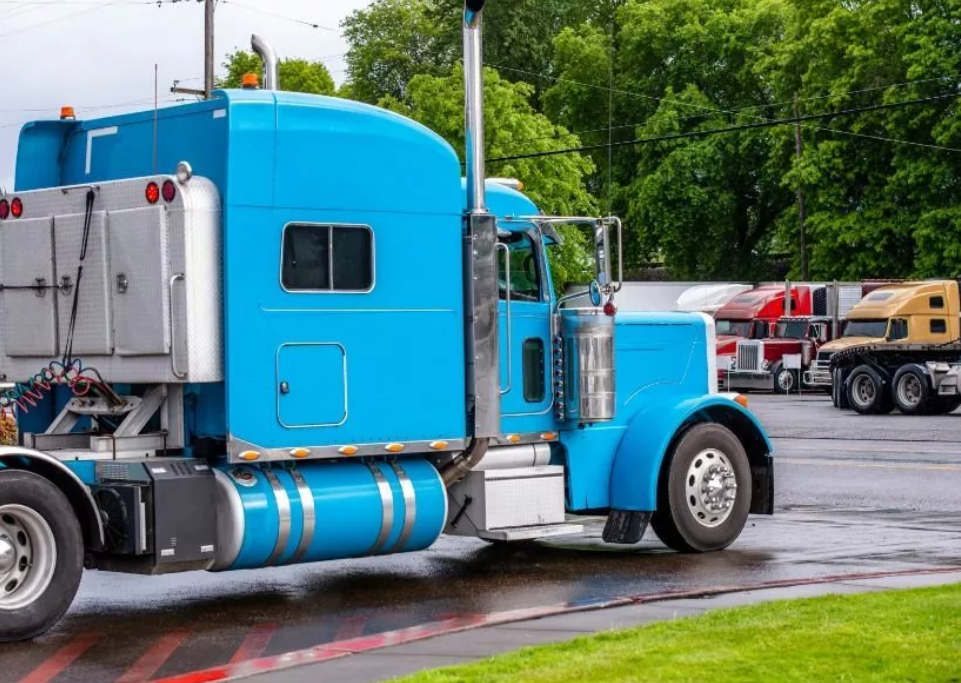
What comes to mind when you think of the word “opacity”? If you said “clear as day” or “can’t see through it,” then you’re correct! Opacity describes how transparent or see-through something is. In smoke testing, the opacity of the engine exhaust tells us how well the equipment is preventing smoke from entering the atmosphere. To get started with your smoke opacity testing services, read for more information about what it is and why it matters. Smoke Opacity Testing In California, heavy-duty vehicles are subject to two state-run programs that help keep our air free of pollution. Such programs are known as the Heavy-Duty Vehicle Inspection Program (HDVIP) and the Periodic Smoke Inspection Program (PSIP). Any California border crossing, CHP weigh station, or random roadside spot may serve as a location to inspect for excessive smoke, tampering, and engine certification label compliance in heavy-duty vehicles. Subject trucks and buses m
00