
Filter Post Type
NewsVideoProductEventLink
Sort:
Most Recent
1–7 of 7
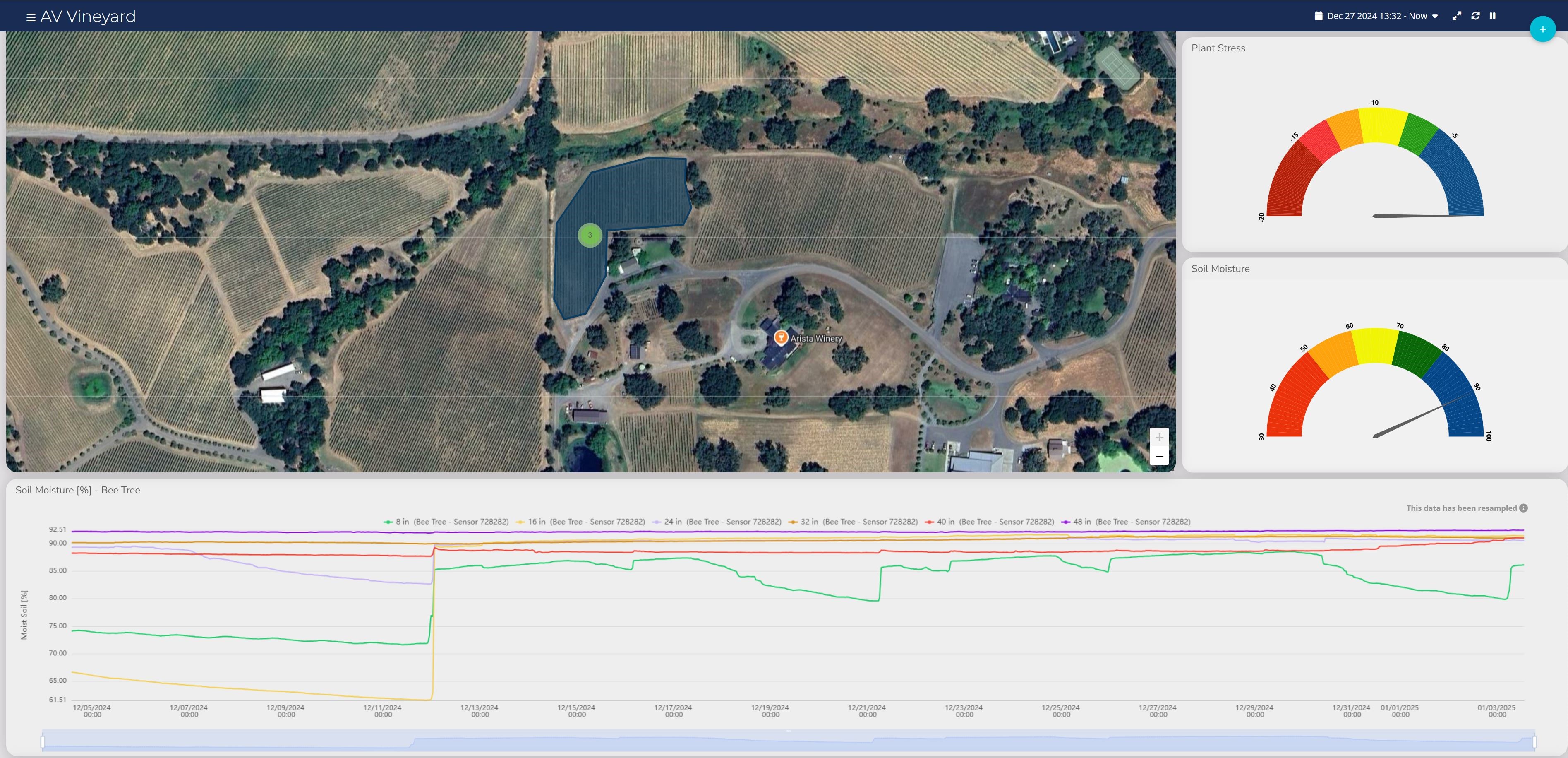
We have a new water and weather information portal we'd love to show you. We designed the portal ourselves, based on decades of working with other data systems. We can connect to most data telemetry systems out there - probably yours too. We'll be demo-ing the portal at our Unified Wine and Grape Symposium booth 1245. We are now working with Li-COR's LI-710 evapotranspiration (ET) sensor. This sensor provides a direct measurement of REAL ET, not a derived version of ET that other systems use. This is an eddy covariance based technology that measures actual water vapor flux. We will have the sensor in our booth and would be excited to discuss it with you. We are now working with Lumo automated valve technology and are excited to add them to our growing list of technology partners. We continue to deploy Florapulse microtensiometers, which measure plant water stress continuously. These devices have shown themselves to be the perfect adjunct to our continuous soil moisture me
00
March 12, 2024
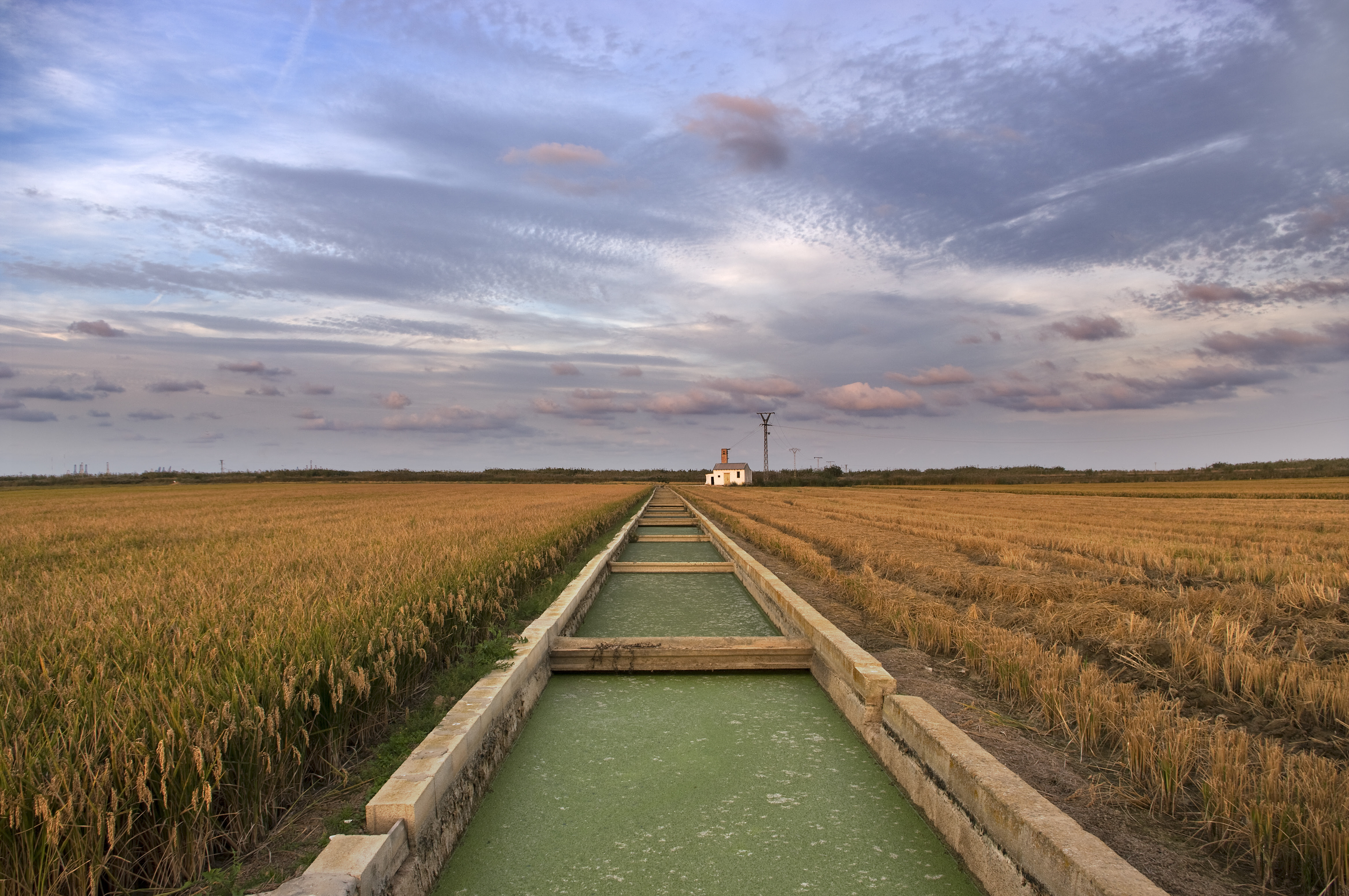
"GROUNDWATER . You can't see it, but millions of Californians depend upon it as a vital source of water for their homes and businesses." Those are not my words but the introductory words for the promotional video that appears on the SGMA (Sustainable Groundwater Management Act) website1 . The statement is a rather simply worded way to convey the obvious: that groundwater is vital to our livelihood here in California, and especially important to honoring and sustaining our agricultural heritage. While groundwater provides needed sustenance for numerous rural, as well as urban communities, it is agriculture that demands the lion's share of the resource. Central Valley agriculture turns to groundwater pumping whenever drought or poor rainfall years reduce the availability of surface water deliveries. Cries for construction of more reservoirs to capture and store more stormwater and snowmelt so that canals can be filled with more water are always being heard. Yet, apart f
00
February 7, 2023
California was hit by some torrential rain in January. In our last post, we explored how that rain had affected soil moisture. In some cases, the water percolated right through and left the soil dry again. In other cases, the rain filled the soil to field capacity. It all depends on the soil’s water holding capacity. The rain we get now probably won’t have much of an effect on the coming season. By the time we get shoots pushing, even heavier soils will most likely need some water. That is assuming we don’t get some rain in the early Spring, when it really matters. Heavy rains can fill ponds as well as underground reserves of water. That’s where winter rain becomes important. Soil moisture in the early part of the season helps establish a canopy. At some point though, you may need to irrigate. It’s hard to do that if you don’t have any water. Last year Advanced Viticulture started an exciting partnership with The Well Bubbler. This device measures we
00
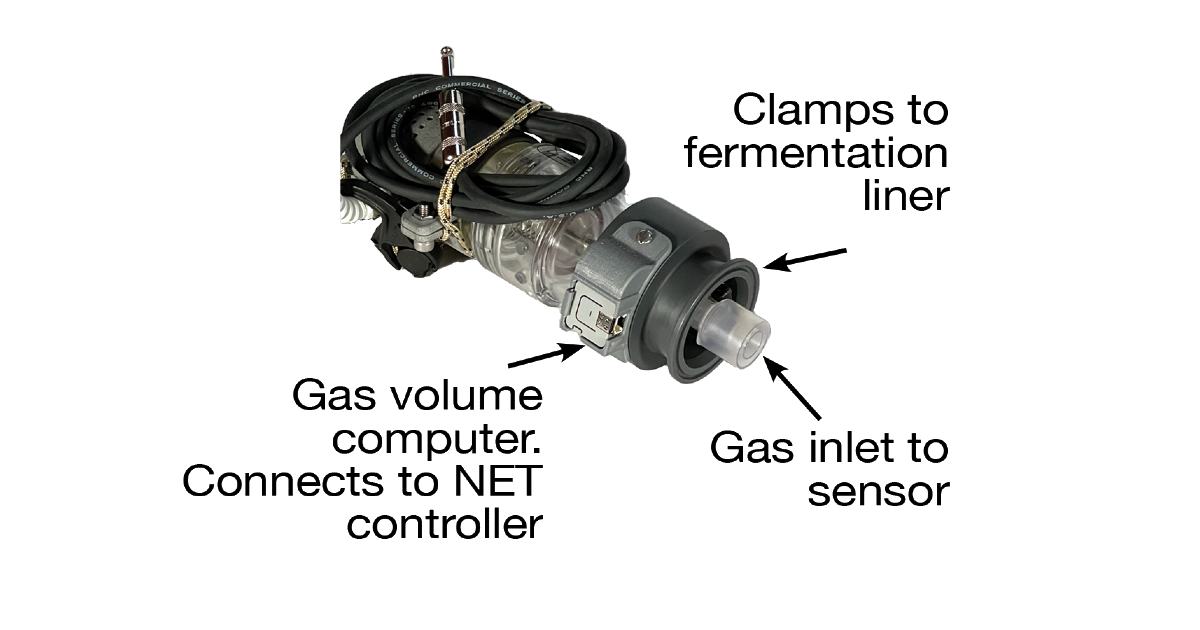
Use the Alcohol Estimator with GOFermentor NET, JR, or stand-alone version for carboys/small tanks. Determining alcohol concentration in fermenting wine is the holy grail of the winemaker. In addition to determining when the sugar is depleted, knowing the rate of ethanol production can provide insight into whether the fermentation is “stuck”, complete, or progressing normally. While ethanol can be measured – all methods require removing a sample and performing an analysis. Refractive index measurement is inexpensive, but requires careful compensation. Other offline methods include tedious enzymatic methods, distillation, ebulliometry, or expensive FTIR instruments. The new GOvent device From GOfermentor uses mass flow gas sensors to measure gas flowrate. In the past, these devices were too expensive for winemaking use, but the COVID pandemic led to development of inexpensive sensors for ventilator monitoring. We have adapted these devices to reliably, and inexpensivel
00
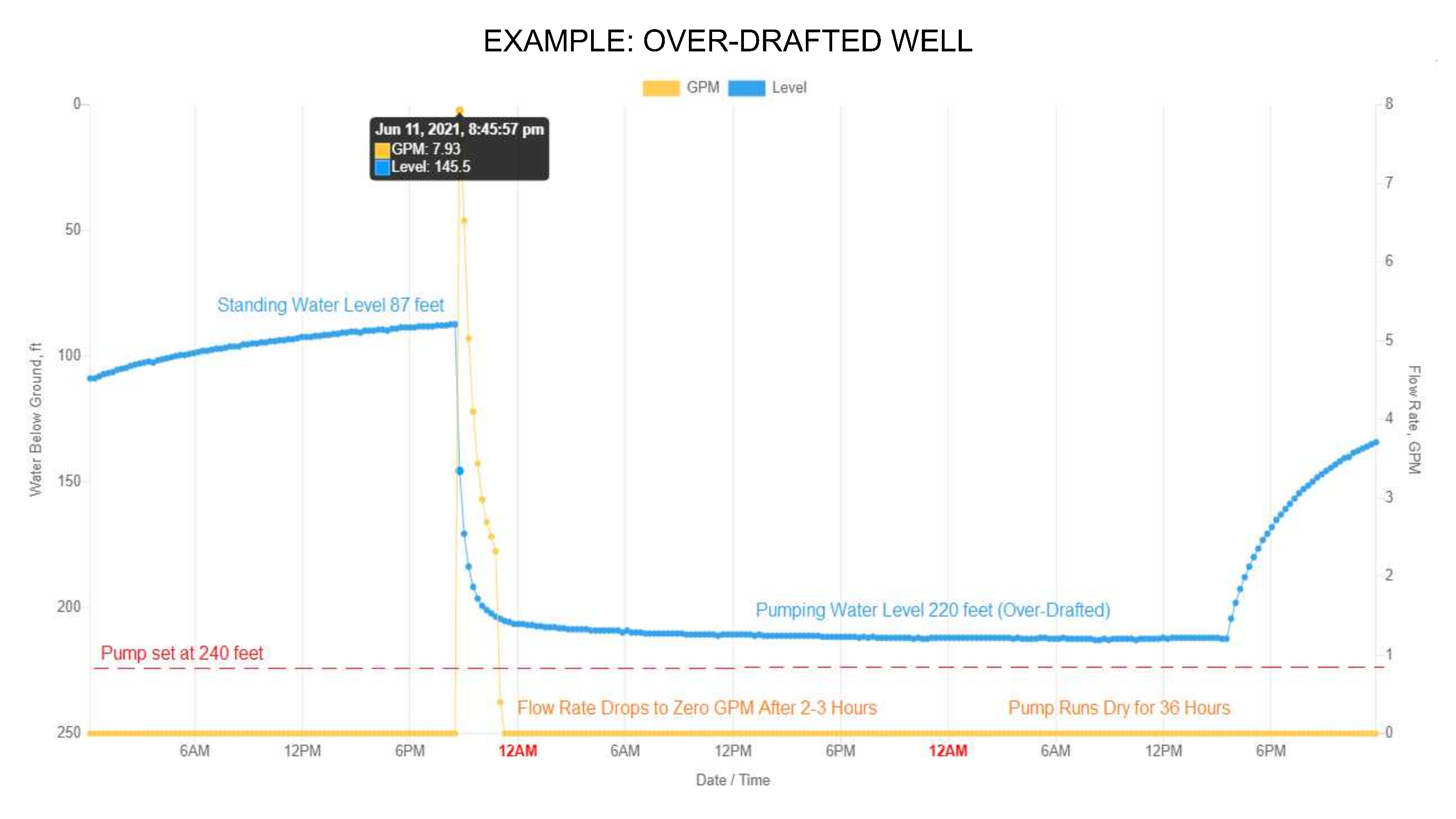
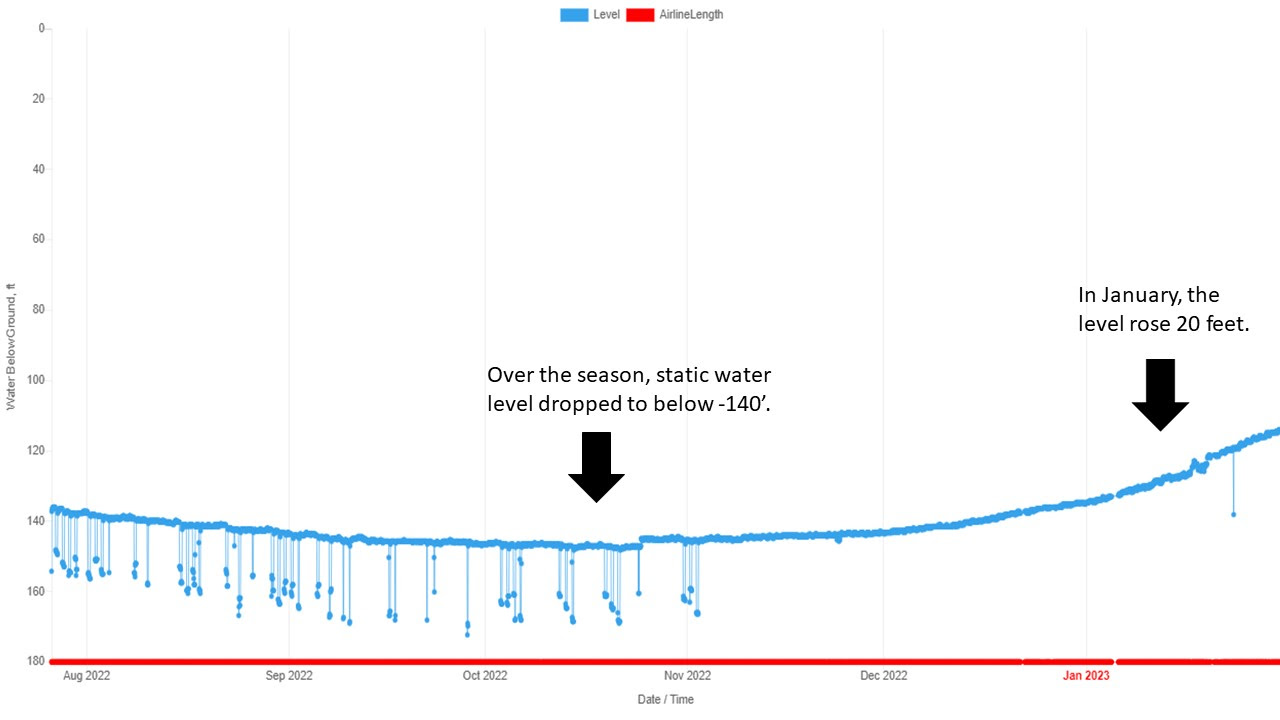
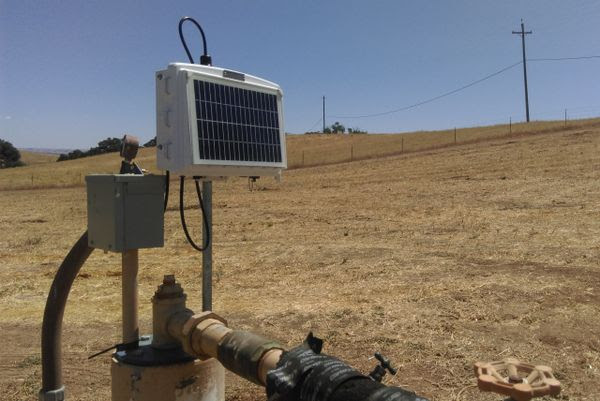
We're looking at another dry year ahead. Monitoring your ground water is essential to ensure you make it through next season. Did you also know that running your pump with insufficient water can severely damage the pump and possibly melt your well casing?! You might not even know you're doing it. Take a look below at the readout from the Well Bubbler, AV's newest partner in well-monitoring and water management: The water in this well drops down to 240 feet and then sucks air for 36 hours! If the farmer continues to over-draft the well like this, he/she may need to make major repairs to his/her well...most likely in the middle of the growing season. The Well Bubbler allows you to set up alerts if your pump starts overdrafting the well, saving you costly repairs and prolonging the life of your pump. The Well Bubbler uses a flexible airline to cheaply and effectively monitor your well. There's no risk of clogging your pump with a metal transducer and less
00
December 6, 2021
The three GSA Boards (Groundwater sustainability agencies) will hold public hearings to review and consider adoption of Groundwater Sustainability Plans on the following dates and times: Sonoma Valley Monday, December 6. The public hearing will begin no earlier than 4:15 p.m. The meeting will be held virtually, via Zoom at https://scwa-ca-gov.zoom.us/j/87939906214?pwd=QXRiRmVtMEFvWjl5cm42VUNkbkpXUT09 Go to https://sonomavalleygroundwater.org to review the GSP and for meeting agenda and materials. Petaluma Valley Wednesday, December 8 The public hearing will begin no earlier than 5:45 p.m. The meeting will be held virtually, via Zoom at https://scwa-ca-gov.zoom.us/j/82780290360?pwd=SVl4Q2hQSWJiTndXeUNZM3FVREYzUT09 Go to https://petalumavalleygroundwater.org to review the GSP and for meeting agenda and materials. Santa Rosa Plain Thursday, December 9 The public hearing will begin no earlier than 1;15 p.m. The meeting will be held virtually, https://us02web.zoom.us/j/8333541972
00
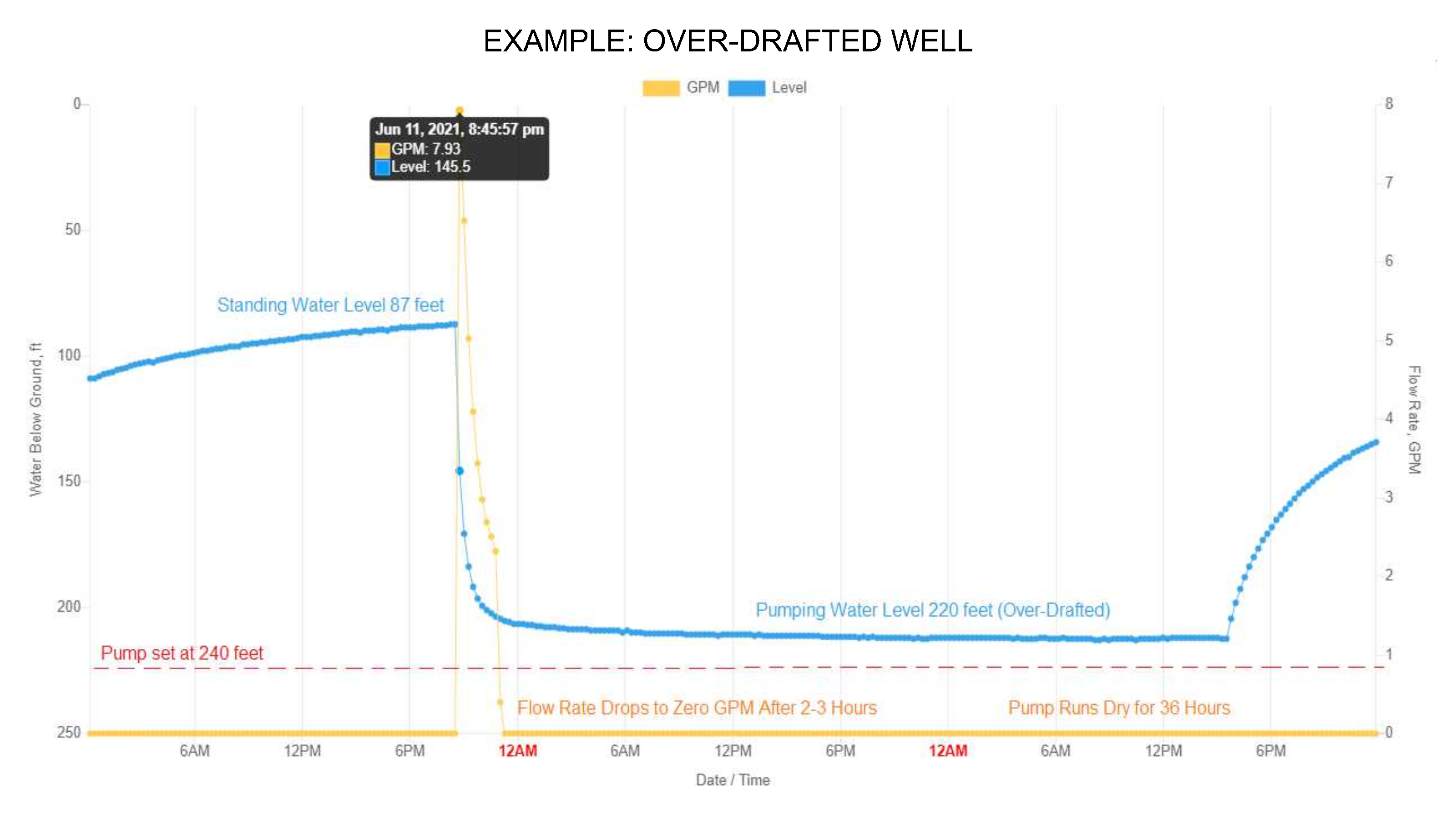
Fixing a well is quick, easy, and cheap...Said no one, ever. California is getting drier and drier. Monitoring your ground water is essential to ensure you make it through next season. Did you also know that running your pump with insufficient water can severely damage the pump and possibly melt your well casing?! You might not even know you're doing it. Take a look below at the readout from the Well Bubbler, AV's newest partner in well-monitoring and water management: The water in this well drops down to 240 feet and then sucks air for 36 hours! If the farmer continues to over-draft the well like this, he/she may need to make major repairs to his/her well...most likely in the middle of the growing season. The Well Bubbler allows you to set up alerts if your pump starts overdrafting the well, saving you costly repairs and prolonging the life of your pump. The Well Bubbler uses a flexible airline to cheaply and effectively monitor your well. There's
00