
Filter Post Type
NewsVideoProductEventLink
Sort:
Most Recent
Tagged:Bowpeller pumps
1–4 of 4

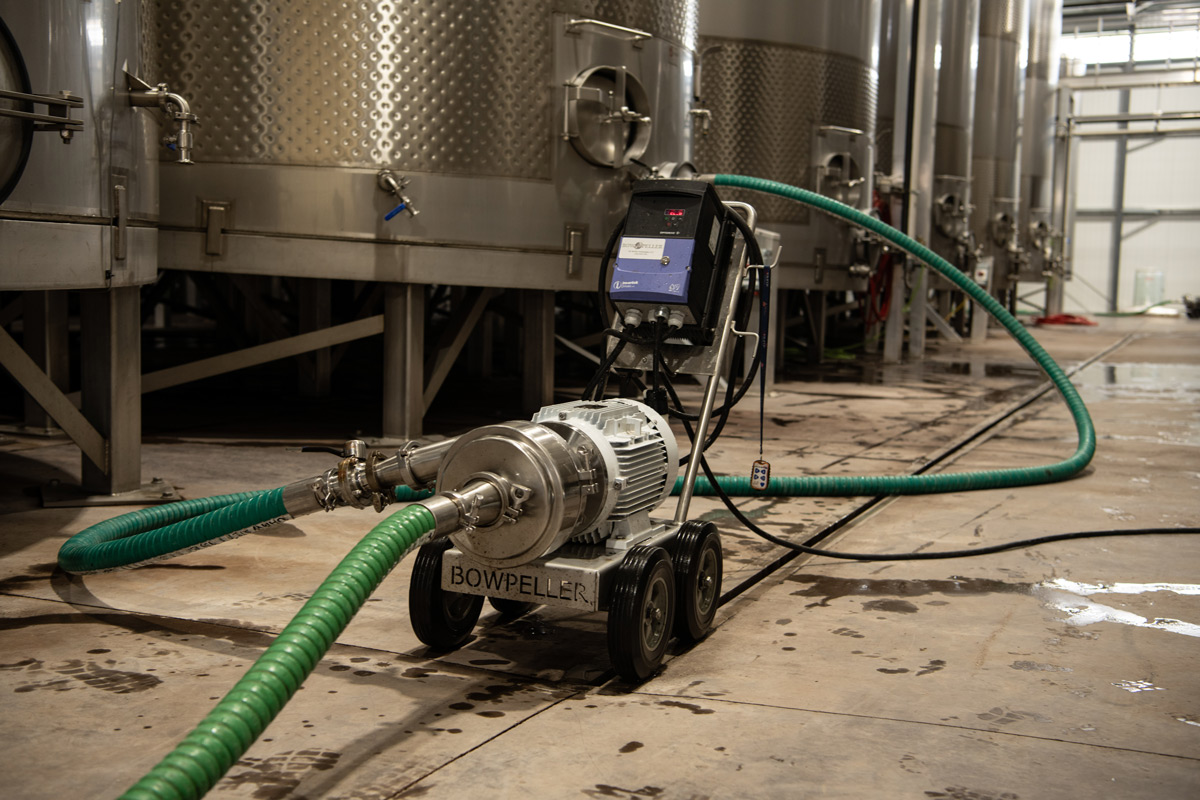
The right tools can make a winemaker's job easier and craft a better product. But staying abreast of technological advancements takes time, and testing alternative tools requires repetition to build confidence in the results. Perhaps that’s why so many winemakers rely on the winemaking community for recommendations on new ways to process grapes and create wines. McFinn Technologies’ Bowpeller pump has earned a reputation as a superior choice for gently moving juices, especially during pump overs. Its modern design delivers low-shear, non-disruptive juice handling that minimizes damage to skins and seeds, helping to avoid harsh tannin extraction or oxidation and improving wine quality. Bowpeller pump at Duckhorn's Goldeneye winery “A standard centrifugal pump has blades that slap the liquid and make it change direction by 90 degrees and a casing that allows damaging re-circulation,” says John McGinn, co-owner of McFinn Technologies. “The design
10
November 25, 2024
The fog along the California coast is alive — it flows from the Pacific Ocean up through passes in the protective coastal ranges and into the valleys like a tide. It rises into the hills and breathes before slowly receding to the valley floors and retreating through the mountains, across the sands and into the ocean waters. Toward the north, these fogs nurture the redwoods, and all along the coast, they provide relief from hot daytime temperatures for many wine country vineyards. The Niner Estate vineyards are near Paso Robles, about 20 miles from the Pacific Ocean. They are protected from the cold maritime winds by the Santa Lucia mountain range that parallels the coastline. One of the valleys the fog creeps through is the nearby Templeton Gap. For over a decade, Niner Wine Estates’ winemaker Patrick Muran has been crafting the Fog Catcher Bordeaux blend that he says is “named after the cool banks of fog we often see drifting over our vineyards on early mornings in
00
August 26, 2024
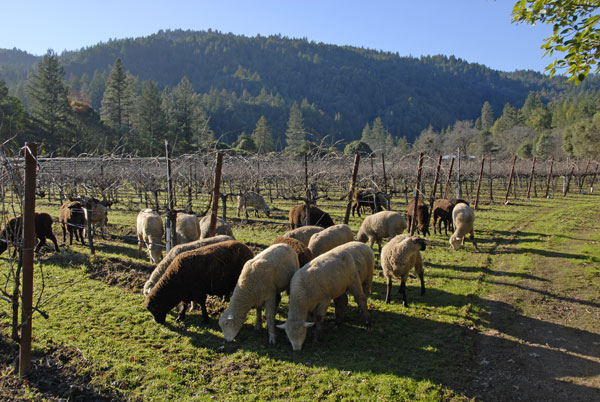
At the edge of the coastal redwoods lies a ranch where two young doctors from upstate New York, Marguerite (known as Beba) and Paul Frey, settled on 95 acres to raise their family. Their home is nestled between the Mendocino and Coastal mountain ranges in a narrow valley that opens into Mendocino County’s Redwood Valley. The headwaters of the Russian River lie just 5 miles north, past a Buddhist monastery, and upward into the mountains. The Frey family grew to twelve children amid the valley’s natural beauty and abundant native plants and wildlife while its vineyards and gardens thrived in the fertile soil. “My mom and dad bought the ranch in 1962, the year I was born,” says Frey Winery winemaker Paul Frey (the younger). “Then they got all of us kids out there to plant the vineyards in 1967. We started making wine in 1978 and became an official bonded winery in 1980. Our wineries were organic from the beginning ― before the term organic was defined
00
February 26, 2024

Early morning fog from the Pacific Ocean flows into the Anderson Valley through the coastal redwoods and rises into the hills before dissipating as day warms the air. These maritime influences keep daytime temperatures low, making it the coolest wine-growing region in California and the perfect environment for the Pinot Noir grapes for which it has gained fame. “Over the past decade, Anderson Valley has entered the world stage,” says Kristen McMahan, Winemaker at Goldeneye. “As one of the largest producers in the Valley, we take that to heart. We want people to explore Anderson Valley, and we want to be a good representative and steward of the place where we grow grapes and make wine. We're really proud of it, and so we aim to deliver the best possible examples of the Valley’s wines.” When it was designated an American Viticultural Area (AVA) in 1982, two-thirds of the Anderson Valley’s 582 vineyard acres were planted to Chardonnay and Alsace Var
00