
Filter Post Type
NewsVideoProductEventLink
Sort:
Most Recent
1–10 of 20

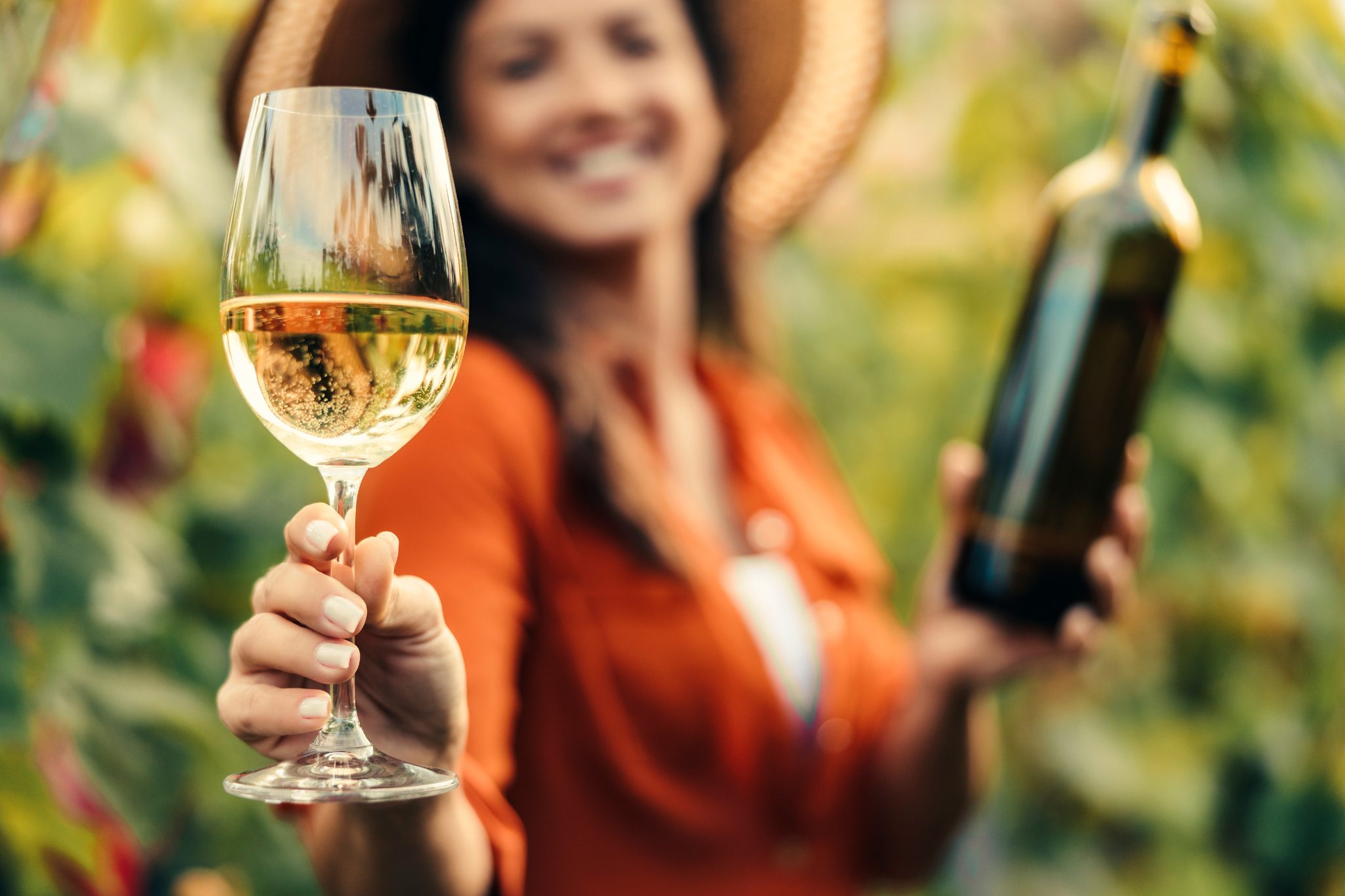
It’s the same conversation in boardrooms, discussion boards, symposiums, and industry reports: “Younger consumers just aren’t drinking wine like previous generations.” Sure, the concern is valid. But the narrative misses key nuances. The reality is that younger consumers are still just that—young. Their drinking habits, lifestyle priorities, and financial realities don’t yet match those of past generations at the same life stage. But instead of writing off Gen Z or younger Millennials, the wine industry needs to adjust its approach. The traditional playbook doesn’t account for how younger consumers live, what they value, or how they engage with brands. If wineries want to stay relevant, it’s time to rewrite the script. 1. Younger Consumers Will Age Into Wine—Just Like Boomers Did A common misstep in the industry’s current panic is comparing a 23-year-old Gen Zer to a 45-year-old Gen Xer. The latter has had decades to develop
00


The 2025 Barrel Weekend is all about tasting wines from the past, present and future. This annual weekend event has been reimagined for its 47th anniversary, letting the wineries along the Wine Road focus on more than just tasting wines from the barrel. And, giving tasters new opportunities for exploring and learning about wine. More Tasting Options With wineries pouring wines from past (library wines), present (current release wines) and future (barrel samples), attendees have more choices and can choose what they most enjoy or what they seeking to restock their wine cellars. As you look through the online Barrel Weekend program, you’ll discover wineries pouring wines from one, two or all three of the category options. This information lets you, the ticket holder, design the tasting path that suits your palate preferences. If you love tasting only barrel samples and possibly buying wine futures, you can still do that. But, if you prefer to taste wines that are currently availabl
00

January 15, 2024
Afternoon Brief, January 15th
Bordeaux Wine Merchants in Court: Another busy week as more Bordeaux wine merchants end up in court, while the UK government reveals binges during Covid...
00
This year’s Northern Hemisphere harvests are now underway and while Mother Nature has seemingly been even more capricious than usual – heatwaves, humidity, hailstorms, flooding, mildew, disease pressure – there has been little news emanating from the vineyards to stimulate an uptick in buying activity on bulk markets carrying large inventories. Despite mildew pressure in Bordeaux and drought in western Languedoc, France as a whole is estimated to be on track for a crop of 45 million hectolitres, in line with the five-year average. A suffocatingly hot summer in Spain has taken its toll on the juice yield of La Mancha’s international varietals, but we currently do not expect the overall crop to be significantly down from last year’s 40 million hectolitres. Italy’s crop is estimated at 42-43 million hectolitres, down markedly from last year’s 50 million hectolitres due to heat and hailstorms, but this size is not unprecedented, being in line
00


Whenever the topic of wine comes up, and the discussion continues longer than it takes to uncork a bottle of the good stuff, sniffing a cork suspiciously, or say ‘hold my wine’, the conversation will invariably gravitate towards what many consider the wine capital of the world. Not quite a natural disaster, but close Not to put too fine a point on it, I firmly believe that France, and more specifically Bordeaux with its 65 appellations and more than 7,000 châteaux spanning hundreds of thousands of acres, is the wine capital of the world. And this is why recent news about the French government moving to spend €200 million to destroy 80 million gallons of excess wine utterly shocked me (read more here). What can we do about this vinous loss? Other than cracking a lame joke starting with ‘I know this guy …’ and which then delivers a punchline based on traveling to France to drink a fair portion of said doomed wine, nothing much. Which leads me t
00
Another month of limited buying activity has passed by on the world’s bulk wine markets, with the traditional lull during the Northern Hemisphere summer holiday season now exacerbating the quietness. Pockets of activity exist – for example, on Chile and Australia’s 2023 varietal whites, Italy’s Prosecco and Pinot Grigio, South Africa’s generic red for domestic market consumption – but these feel like exceptions in an altogether quiet landscape. The Northern Hemisphere’s 2023 crop picture appears mixed, but any uncertainty about coming volumes has failed to stimulate much buying activity. With vineyard development running 2-4 weeks behind in California, and mildew pressure high, it remains too early to make an educated guesstimate of the crop size there. Mildew has also been a significant issue in Bordeaux and in central and southern Italy, contributing to expectations of shorter crops; the French crop size otherwise appears good, ditto no
00


Introducing the NEW FlexStaves Program! Created in partnership with one of the world's leading cooperage companies, FlexStaves are bundles of a proprietary blend of 7-14 staves in various profiles designed specifically for use in Flextanks. How To Incorporate FlexStaves into Your Winemaking for a True Oak Barrel Replacement Setup: Each stave bundle pack is tied together with a stainless steel strap. Each bundle has the same level of oak to wine contact as compared to using a new 59 gallon barrel. The number of bundles used is a function of tank size and the percentage of new barrel equivalent the winemaker desires. As the staves absorb the wine, they sink into the tank over time. Bloom during extraction is normal, mixing prior to sampling is essential. Cellar Recommendations: Preform all normal barrel operations for the Flextank system. Leave no headspace. Perform regular chemical tests. So2 as needed. Strictly monitor of microbiological conditions. Rack as needed. Recommended T
00

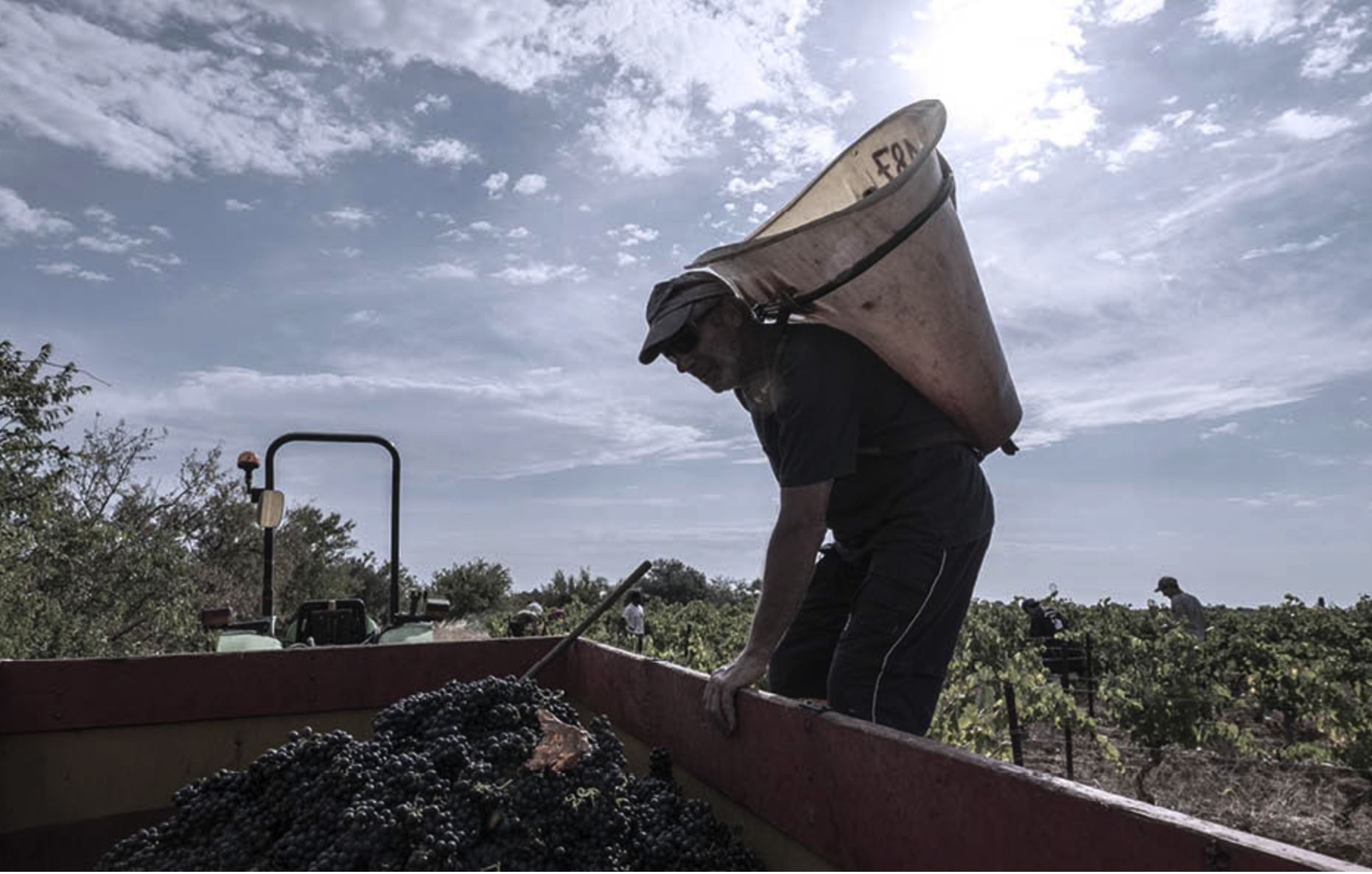
Unstable weather is making it increasingly hard to decide picking dates for grapes. We caught up with leading winemakers from Australia, France and the UK to find out how earlier harvests are impacting on grape quality. Having always been at the mercy of Mother Nature, winemakers are acutely aware of the impact climate change is having on their livelihoods. Temperatures aren’t only rising, weather patterns are becoming increasingly erratic and extreme, and incidents of devastating wildfires, floods, droughts and late spring frosts are becoming more commonplace in the world’s leading wine-growing regions. In 2021, France was besieged by a cocktail of climate catastrophes, from destructive spring frosts and raging wildfires to violent hail storms. The April frosts across swathes of French vineyard land were particularly brutal, resulting in losses of up to EUR 2 billion. Yields across France hit historic lows in 2021, down 30% on average, though losses were far worse in many
00
June 27, 2022

The Symposium ‘Act for Change’ Ended on a Collaborative Note
Bordeaux, 27 June 2022 – Organised by Vinexposium on 20 and 21 June 2022 at the Cité du Vin, the Symposium ‘Act for Change’ gathered 35 international experts representing 17 nationalities for […]
00

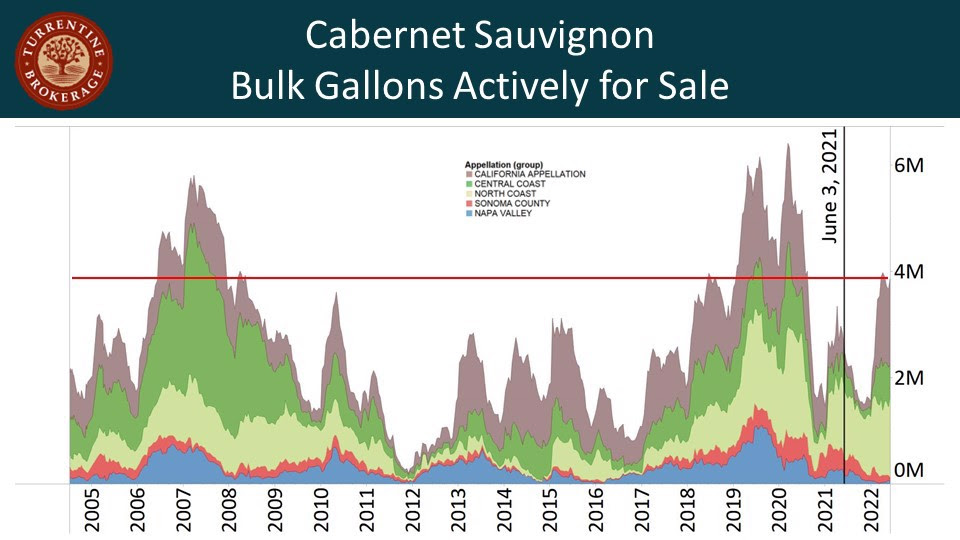
Decision-making on the sourcing of bulk wine and grapes continues to get more complex and difficult. April frosts in the Lodi/Delta, and in other regions of California to a lesser extent, added another challenging variable to the year. As of now, it appears the reduction in supply due to the frost affected Chardonnay and Pinot Noir in these regions the most. Time will provide a clearer picture of the 2022 crop size. In fact, recent crop projections are generally more positive than the initial forecasts after the frosts, but there is still uncertainty as to the extent of the damage. In the North Coast and other parts of California, the frost will likely have less of an impact. Bulk markets have slowed, returning to a more typical seasonal pace following 18 months of heightened demand, but still remain active. The typical spring slowdown is due to wineries assessing crop size and projected sales trends to inventories. It is more complicated this year for a few reasons. The first variable
00