
Filter Post Type
NewsVideoProductEventLink
Sort:
Most Recent
1–10 of 31
October 23, 2025
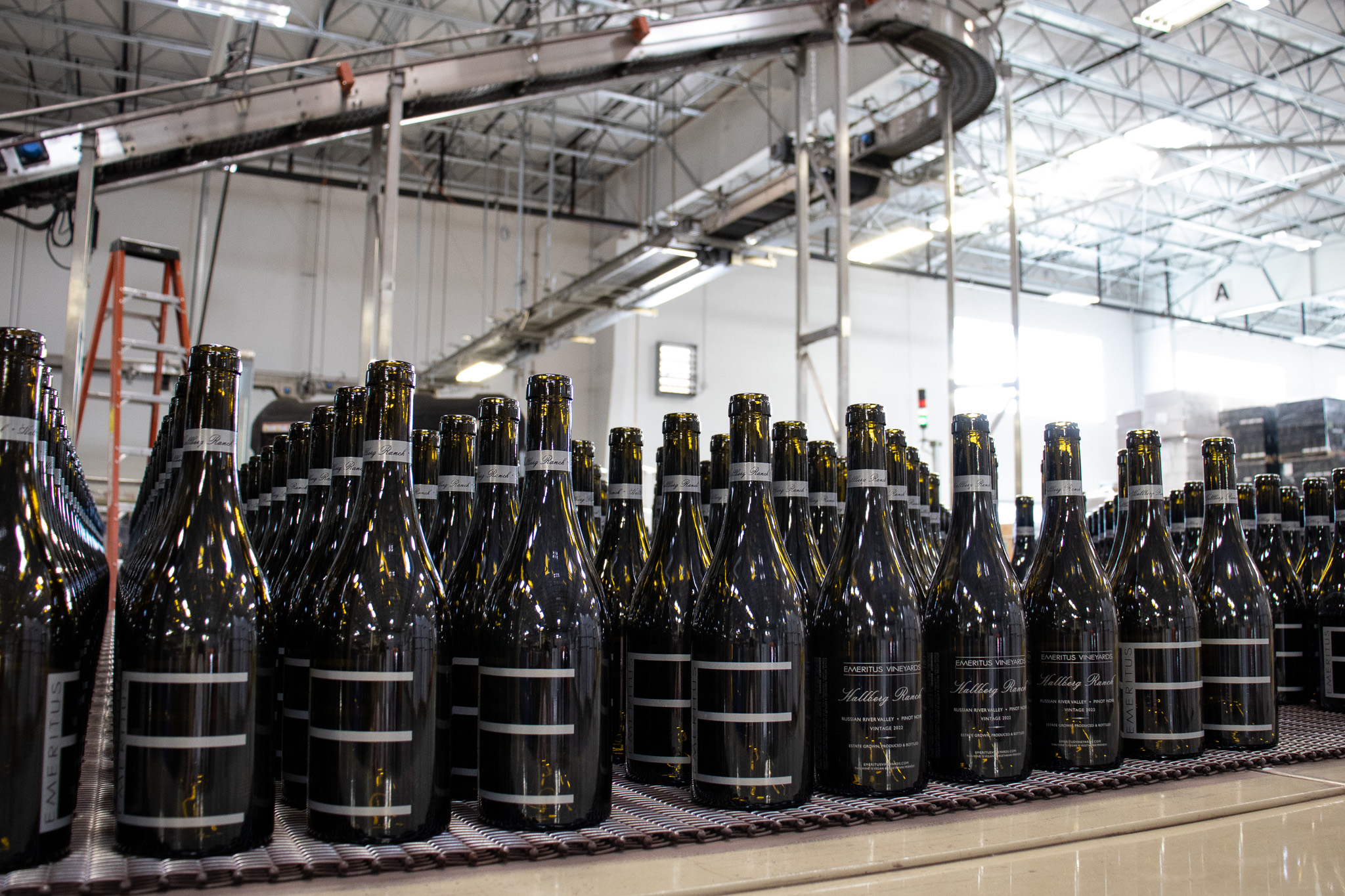
Sustainability isn’t just influencing how wine is made. It’s transforming how it’s packaged, shipped, and shared. From lighter bottles to foil-free designs, eco-conscious packaging has become more than an environmental choice - it’s a smart business strategy. Discover how wineries are transforming their packaging practices to meet new consumer expectations and regulatory realities, and how Bergin is helping them do it. In this article, you’ll learn: What’s driving the shift: Why sustainability has become essential for California wineries and how regulations, supply chain challenges, and consumer values are reshaping the industry. The new wine buyer mindset: How Millennial and Gen Z consumers are influencing packaging trends - and why they’re willing to pay more for eco-friendly bottles. Trends redefining the bottle: From lightweight recycled glass to minimalist label design and foil-free branding, explore innovations that blend sustainabil
00
October 21, 2025
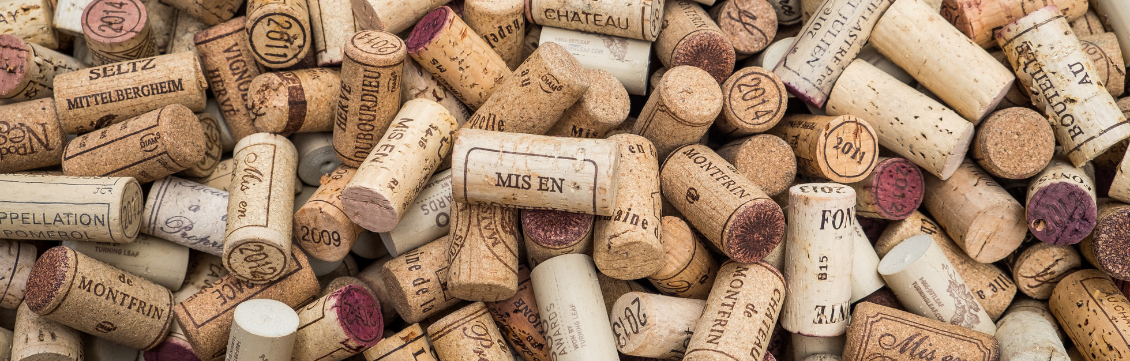
Natural cork stoppers are often viewed as a pricier alternative to other closures - such as aluminum or plastic stoppers - and even other cork closures, like microagglomerate and colmated cork stoppers. However, the fact that it represents a bigger investment doesn’t mean choosing natural cork stoppers doesn’t pay off. There are plenty of reasons to pick natural cork stoppers in detriment to synthetic alternatives. Let’s look at some of them. Natural cork is associated with high-quality wine A study conducted in Italy confirmed that wine drinkers experience a higher cognitive and emotional response to smelling, tasting, and even listening to a wine sealed with a cork stopper than they do with a wine sealed with a screw cap. In fact, on a global level, cork is associated with high-quality wine, which makes it the preferred sealant for many consumers all around the world. This becomes especially interesting when you consider that consumers in high-income countr
00
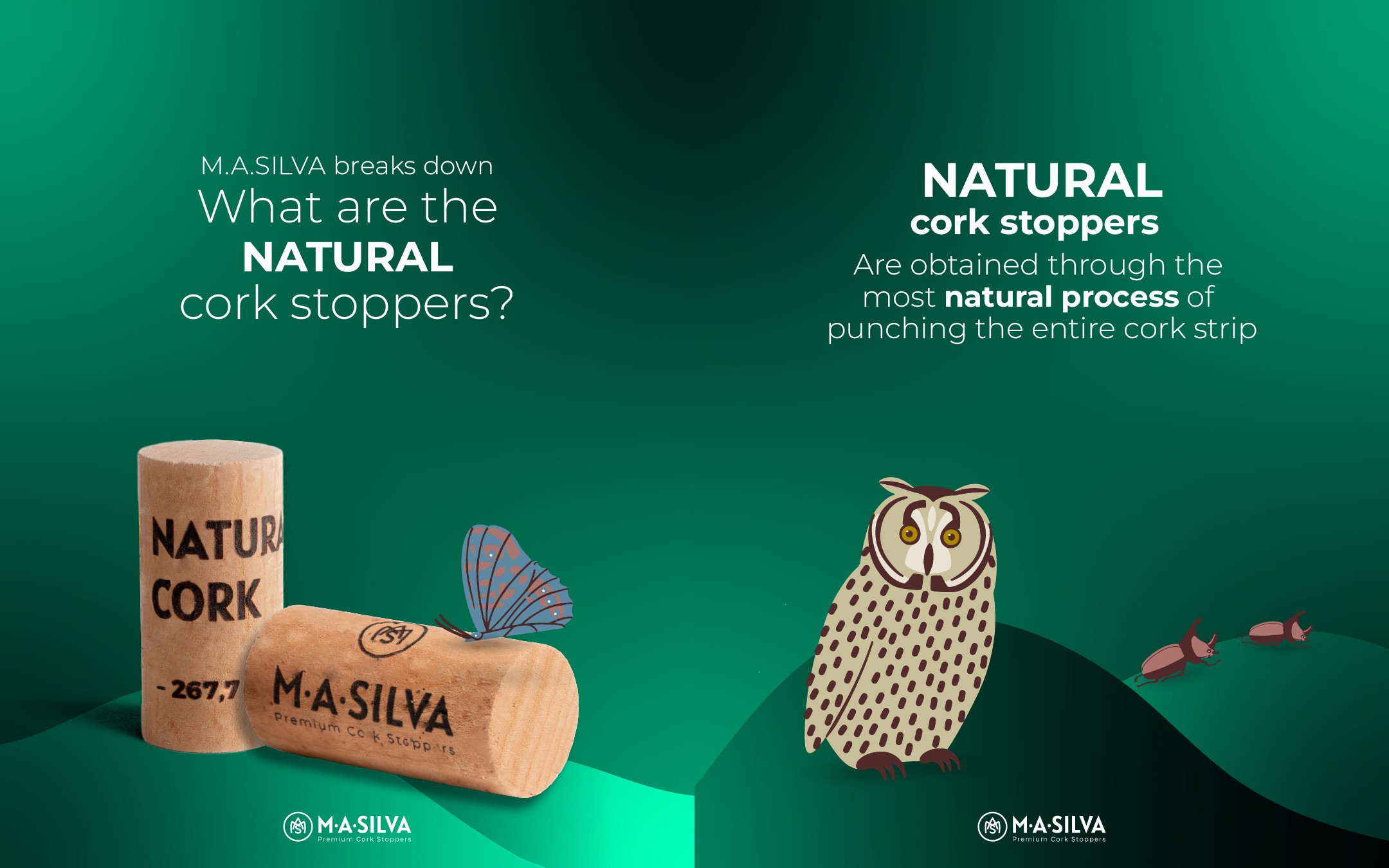
When it comes to sealing your wine with care, a NATURAL cork stopper is more than just tradition, it's a conscious decision. Crafted from renewable cork oak bark, natural stoppers are biodegradable, recyclable, and sustainably harvested without harming the trees. This means every bottle sealed with natural cork supports a thriving ecosystem, helps combat climate change through carbon sequestration, and preserves the heritage of fine winemaking.
00
July 30, 2025

Choosing the right closure for wine bottles is a crucial decision for winemakers, as it directly impacts the quality, aging potential, and environmental footprint of the wine. In recent years, alternative closure materials, such as aluminum and plastic, have emerged alongside traditional cork stoppers. In this article, we will compare cork, aluminum, and plastic as materials for wine closures, examining their sealing ability, production resource use, environmental impact, and other relevant aspects. By understanding the characteristics of each material, we can make informed decisions that balance tradition, innovation, and sustainability in the wine industry. Sealing Ability Cork Cork production is a sustainable process that relies on the careful harvesting of cork oak bark, a process that supports the health and longevity of cork oak forests, which act as valuable ecosystems. Harvesting cork does not require cutting down trees, as the bark regenerates naturally. Furthermore, co
00

From the bottoms of pleasure boats to the undercarriages of trucks, tractors, trailers, cars and more, dirty bottoms are no laughing matter. Dirty bottoms are notorious for transporting social undesirables. These hitchhikers can include invasive species such as golden mussels and creepy crawlies, contagious bacteria and viruses (think e-coli and bird flu’), as well as soil and manure build up, and even corrosive road salt and brine. There’s a surprisingly simple solution to clean your bottom… Sneaky Hitchhikers: Bacteria and viruses can catch a ride on vehicles including boats. Just to name a few… E-coli can survive for months on surfaces. Some strains are able to produce toxins that can damage the digestive tract and lead to severe complications. Bird flu(avian influenza) has been found on both dairy and poultry farms and the virus can survive on surfaces for extended periods. It can travel via vehicles between farms. Salmonella can spread via vehicles, par
00

The calendar flip from 2024 to 2025 heralded several new packaging regulations, rulemaking updates, and bills with significant implications for consumer packaged goods in North America and Europe. Recent packaging legislation is reshaping packaging requirements for waste reduction, recyclable materials, circularity, and sustainability. However, actions by the Trump Administration may defer regulatory action at the U.S. federal level and shift packaging-related policies. EPR Packaging Laws Five U.S. states—California, Colorado, Oregon, Maine, and Minnesota—have passed extended producer responsibility laws for packaging. While each state's requirements vary, they share common goals of reducing packaging waste, enhancing recycling efforts, and holding producers (e.g., brand owners) accountable for the life cycle of their products. Since the start of the year, nine states have introduced or re-introduced EPR packaging bills. They include Washington, Tennessee, Hawaii
00
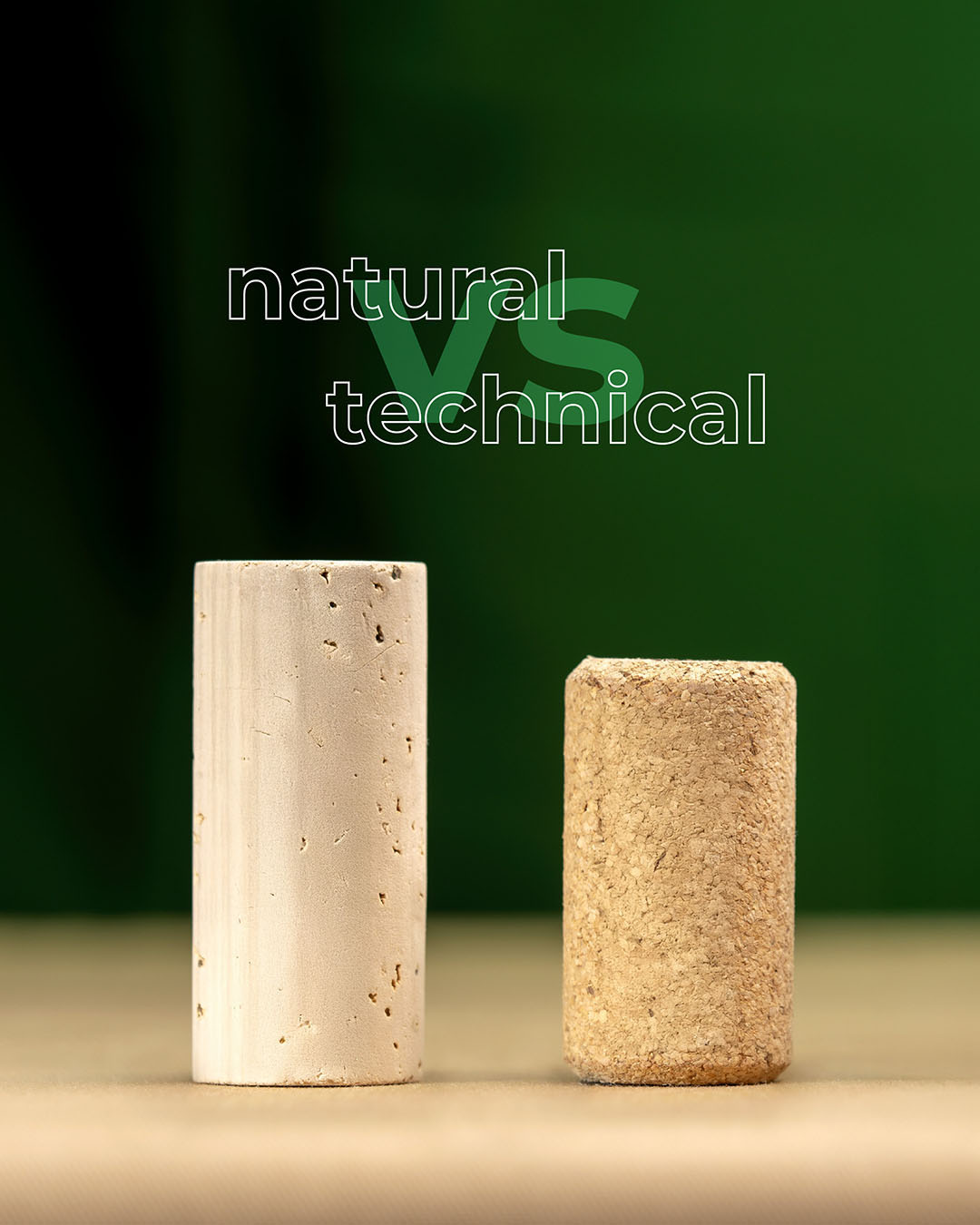
At Portocork America, we offer two main types of closures for still wines — Natural and Technical corks — each one designed for a specific style of wine and purpose. Let's take a look at the differences so you can choose the right stopper for your bottle: Natural Cork: Made from a single strip of cork 100% natural and biodegradable Excellent elasticity and sealing capacity Allows micro-oxygenation, helping the aging process of wine Technical Cork: Engineered from natural cork granules Consistent performance and homogeneous structure Lower oxygen permeability Economical and reliable So which cork should you choose? It all depends on the journey you imagine for your wine. Both options are sustainable, natural, and of unique quality — the choice just depends on your wine’s story.
00
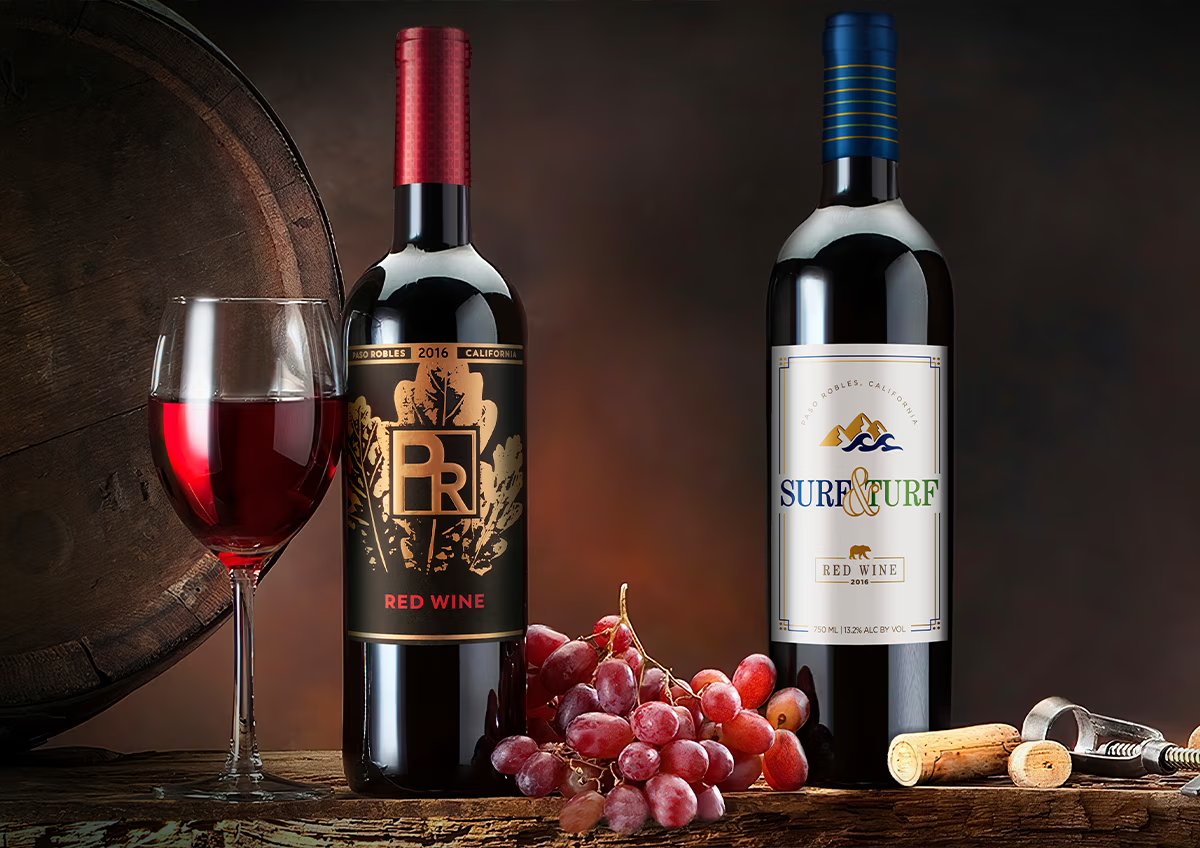
A look at the trends influencing wine packaging design & innovation. Introduction U.S. wine total volume is expected to remain relatively flat for the next several years, while value will grow due to price increases and the persistence of the premiumization trend. In the crowded and increasingly challenging wine market, effective package design can help a brand get noticed and appeal to consumers. This report looks at several key trends impacting wine package design, from authentic storytelling to interactive engagement to environmentally and socially responsible solutions. Authenticity According to a recent GlobalData study, three out of four consumers consider product/brand authenticity essential or nice to have when making purchase decisions. This attitude is especially true among older generations and higher-income earners, a key demographic for wine sellers. Authentic brands are perceived as genuine, original, and transparent, providing quality assurance and trust. Euromon
00
March 24, 2025
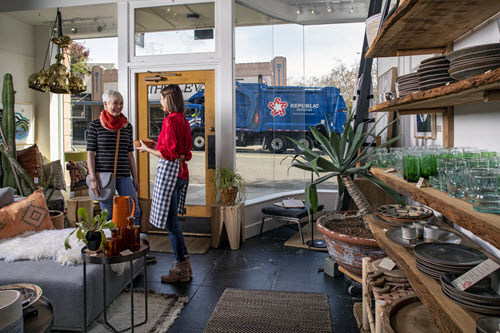
Eco-Friendly Small Businesses: Guide to Handle Waste Sustainability When it comes to creating small business sustainability goals, you may think you have to go big or go home. But bigger isn’t necessarily better With mounting global environmental challenges, small businesses face increasing pressure to adopt eco-friendly practices. The popular misconception is that sustainable changes must be huge to make an impact. But the truth is modest shifts in habits can significantly reduce a company's carbon footprint, especially when it comes to recycling and waste. Half of all consumers are ready to invest more in sustainable brands according to the National Retail Federation. Let's explore some actionable steps small businesses can take to reduce, reuse and recycle. Embrace Sustainable Packaging For businesses that rely heavily on e-commerce, every parcel shipped is an opportunity to advocate for sustainability. Shift from plastic-based packaging to recyclable mate
00

March 20, 2025
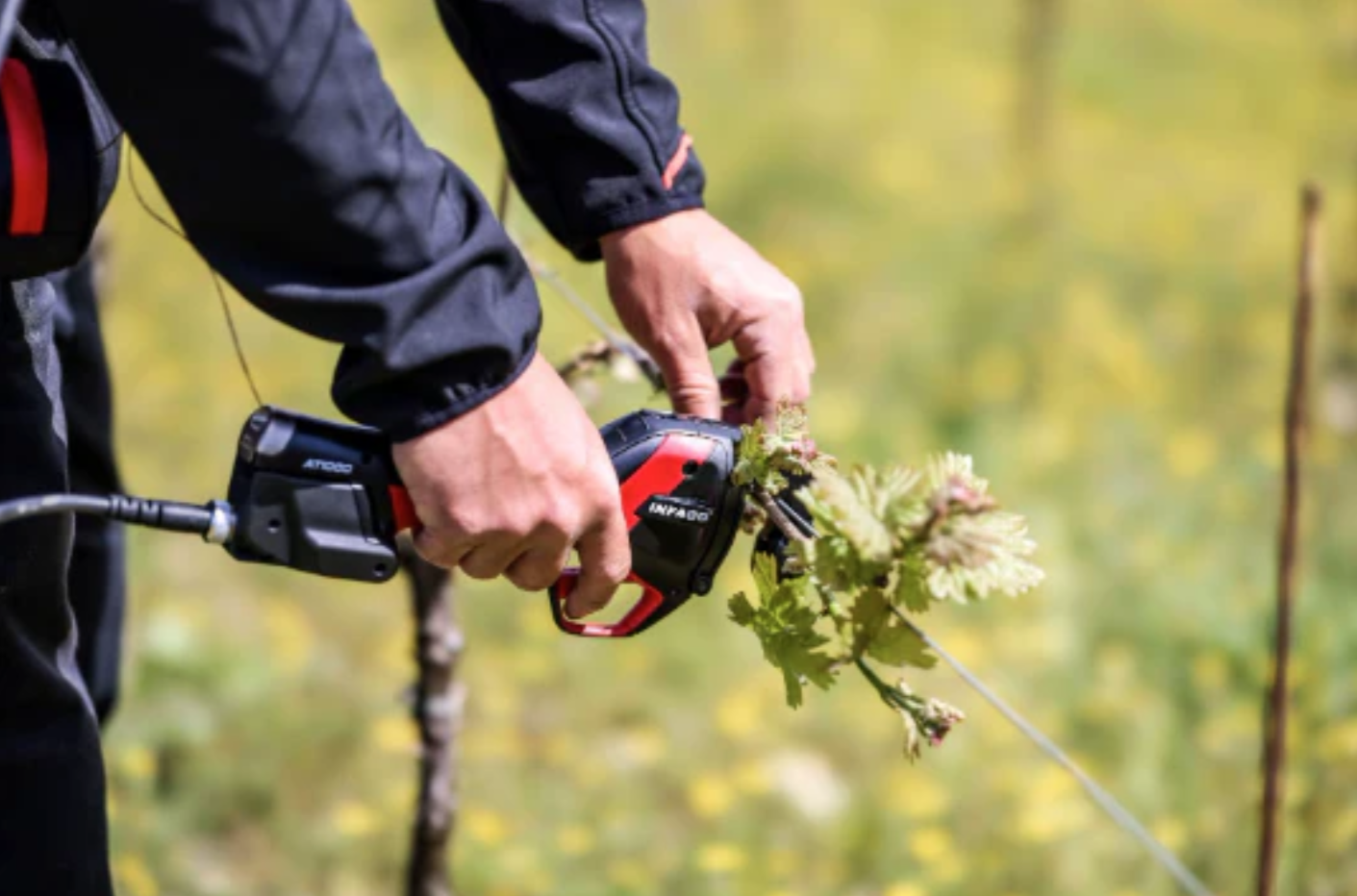
Key Features to Look for in the Best Electric Tying Machine – Pro Tips In vineyards, orchards, and nurseries, tying vines and trees efficiently is crucial for proper plant growth and stability. A high-quality electric tying machine can significantly boost productivity, reduce manual labor, and improve consistency. But with various models available, how do you choose the best electric tying machine for your needs? In this guide, we’ll break down the key features to look for in an electric tying machine and explain why the INFACO AT1000 is the top choice for professionals. Speed & Efficiency One of the biggest advantages of an electric tying machine is the ability to complete tying tasks quickly and consistently. A manual tying process can take 5–10 seconds per vine, while a high-performance electric model can tie up to 30 vines per minute. 💡 Pro Tip: Look for a tying machine with dual-motion rollers that ensure smooth and jam-free operation. ✔
00