
Filter Post Type
NewsVideoProductEventLink
Sort:
Most Recent
1–5 of 5
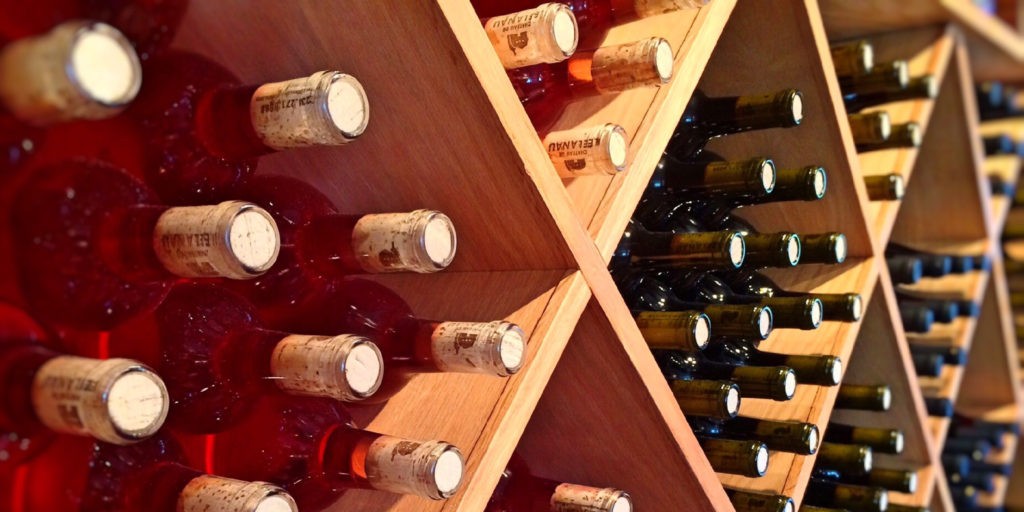
You’ve created a wine that you can be proud of: The grapes were just right, the fermentation went as planned, and there’s now a great product sitting in your bottles, ready to be enjoyed. How do you get the word out? This is not a trivial task. You could have the most delicious wine on the planet, but if no one knows about it, it won’t sell. More than that, consumers need to know about you—not just the wine in the bottle, but the brand that created that wine. This is where wine marketing becomes critical. And while larger wineries and big brand names can throw a lot of money at their marketing departments, smaller wineries have to be more clever with their marketing dollars. Fortunately, building a base of loyal customers doesn’t have to break the bank for your business. In fact, the best thing to do is to go back to the basics. Here, then, are the six fundamentals of wine marketing, and how implementing them can grow your customer base while giving y
00

October 31, 2022

Afternoon Brief, October 31st
The Lawrence Family and Carlton McCoy, Jr. Announce Acquisition of Bordeaux’s Château Lascombes to Portfolio Inbox: The Lawrence Family, owners of Napa Valley’s iconic Heitz Cellar and Managing Partner and Master Sommelier Carlton McCoy, Jr. have acquired iconic Château Lascombes...
00
October 31, 2022
Big Bang Wine, Public Relations and Marketing Agency, Celebrates 20th Anniversary
October 31, 2022 Big Bang Wine (BBW), a public relations and marketing agency in the wine industry is celebrating 20 years in the wine and spirits business. Founded by industry []
00
May 12, 2021
Steve Randazzo is the founder and president of Pro Motion Inc., an experiential marketing and event marketing agency located in Missouri. He has also been a leading expert helping Fortune 1000 companies that traditionally rely on trade shows and other events to adapt to the non-contact “COVID Economy.” We spoke with Steve recently about in-person and online experiences, and how wineries can approach them no matter what their budget. You can listen to the full interview here or read the abridged version below the key takeaways: Key takeaways from our interview: Experiences are better able to cut through the clutter and sustain our attention. Tasting rooms were the traditional way wineries built those experiences but with tasting rooms still limited in what they can do, wineries need to pivot to new types of outreach, events and experiences. Experiences can be virtual, too! New ways to reach customers were created during the pandemic, and the most successful brands will be th
10
.jpg)
Standard Work
All wineries and vineyards follow some form of “Standard Work”. They have at least some documented processes or system controls (purchases and expense limits and approvals, etc.), reporting structures, compliance reporting and so on. Many will have additional business and operational processes documented; for example, for business critical processes, operations with safety risks, and cross functional procedures. A few, such as those following methodologies such as Lean, have most if not all processes and procedures documented.
During coronavirus, every winery will be affected to some degree, as is everyone for that matter. The level of disruption will vary, but those that have documented, effective, and current processes, should be better placed to address the challenges presented by this pandemic. (I’ll discuss a bit later what the characteristics of effective and current processes are, and the characteristics of those that aren’t.) As we all know, coronavirus has a
00