
Filter Post Type
NewsVideoProductEventLink
Sort:
Most Recent
1–10 of 50

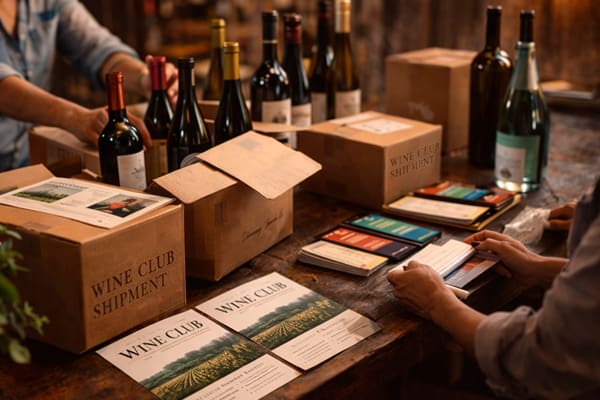
Why Wine Clubs Aren’t Working, And What’s Replacing Them For many wineries, the biggest challenge today isn’t attracting new customers; it’s keeping the ones they already have. Wine clubs once represented the most stable revenue engine for wineries. Members signed up, shipments went out quarterly, and predictable revenue flowed in. It was the foundation of direct-to-consumer success. But that foundation is cracking. Recent industry data reveals a troubling trend: nearly 40% of wine club members cancel within the first year. In a market where customer acquisition costs are climbing, and competition for attention has never been fiercer, losing members at this rate isn’t just a retention problem; it’s a profitability crisis. The math is unforgiving. If acquiring a new club member costs hundreds of dollars in marketing, tasting room labor, and incentives, losing them before they’ve generated meaningful lifetime value means wineries are bleeding money with every signup. And yet, some winer
00

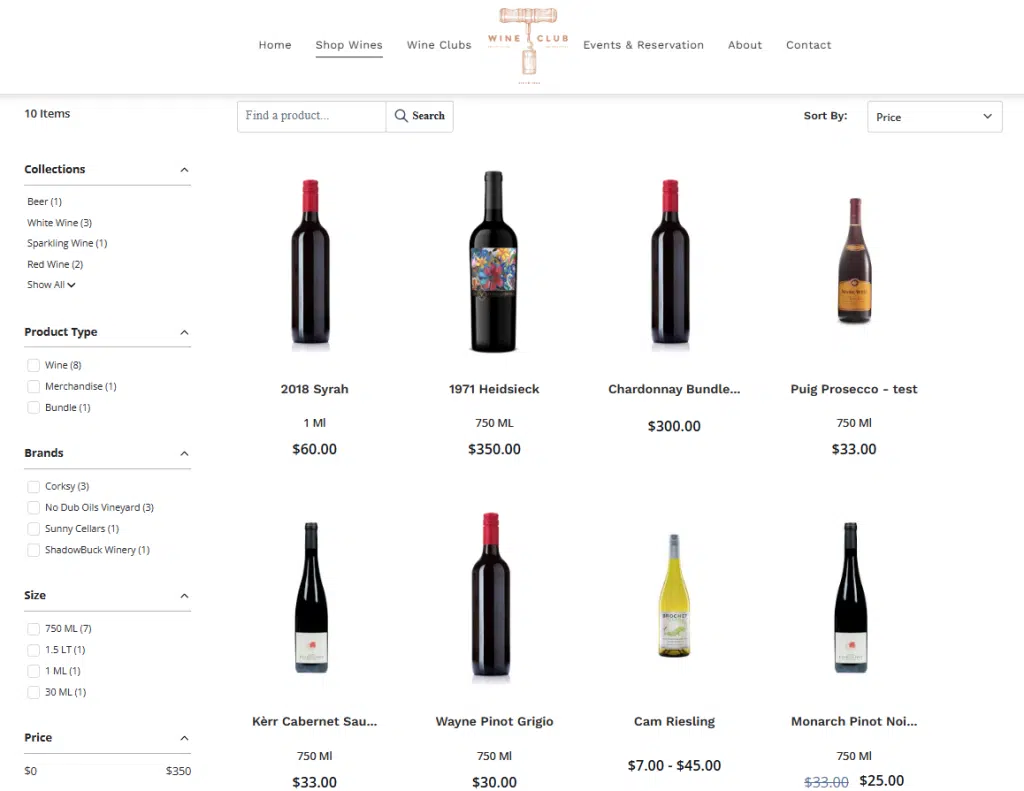
A few years ago at the DTC Wine Symposium, a panelist joked about the modern winery website formula: the guy, the dog, the truck, and the vineyard. Beautiful backdrop, strong lifestyle photography, a thoughtful founder story. Polished, absolutely. Strategically distinct, rarely. The critique wasn’t about branding. It was about structure. Most winery websites aren’t broken, but they aren’t built as decision environments either. Calls to action are unclear, revenue pathways are buried, shipping surprises appear late, and wine club often lives in isolation instead of throughout the buying journey. After auditing winery sites across regions and production sizes, the pattern is consistent: performance is constrained by friction, not effort. Most wineries don’t have a traffic problem. They have a conversion architecture problem. Before increasing ad spend or launching another promotion, run a winery website audit — on your phone. Start at the homepage and move t
00
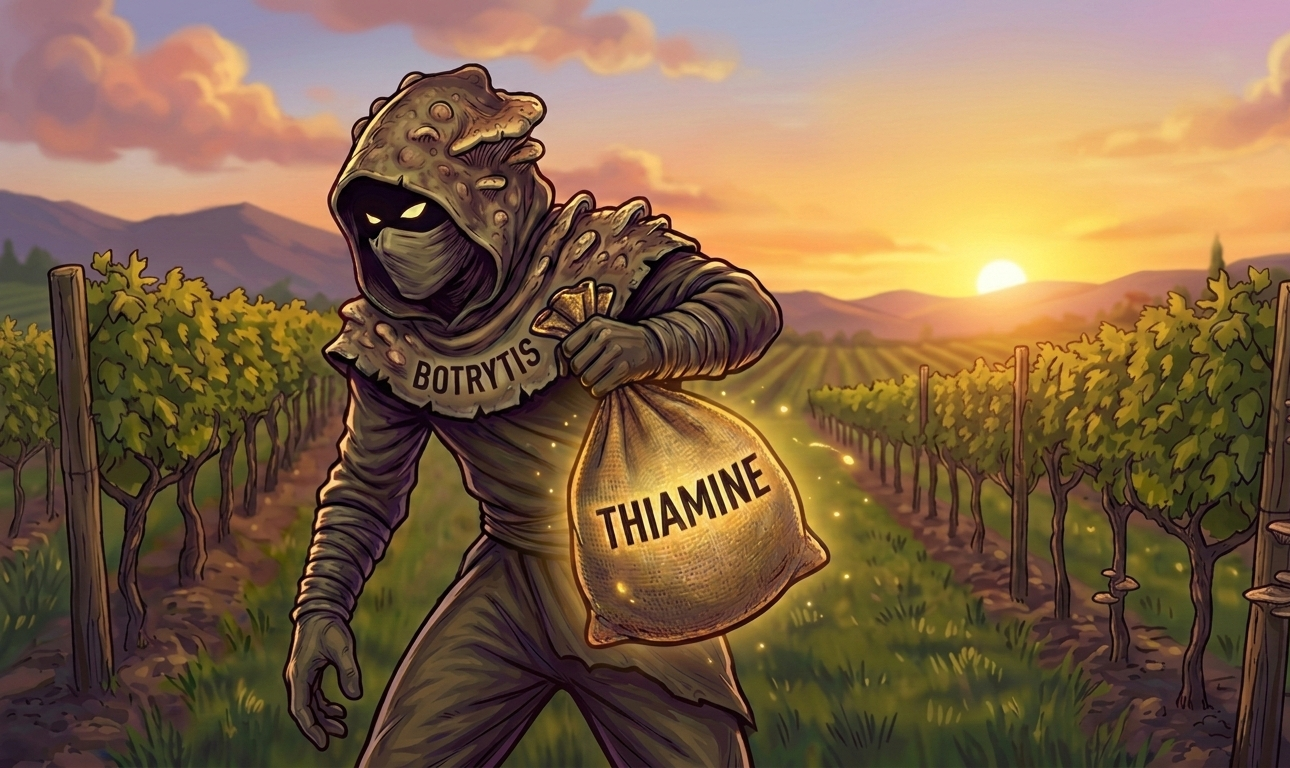
Thiamine, also known as vitamin B1, is an essential micronutrient for yeast metabolism. The thiamine content typically found in grapes ranges from 80 µg/L to 1.2 mg/L. Although most yeasts, including Saccharomyces cerevisiae, can synthesise thiamine, they prefer to absorb it from grape must. This preference conserves energy, which can be used for cell growth and the production of vital fermentation metabolites. In fact, yeasts can absorb all available thiamine in the must within the first six hours after inoculation. A thiamine deficiency in the must can have practical consequences, such as sluggish or stuck fermentations and an altered aromatic balance. Thiamine’s role in yeast metabolism and fermentation Thiamine and its biologically active forms serve as cofactors in central carbon metabolism (sugar breakdown). Without thiamine, several enzymes cannot function, risking incomplete fermentation. Thiamine also exhibits antioxidant activity, protecting yeasts from free-rad
00


The art of crafting the perfect bottle can elevate a brand to new heights. In the competitive world of wine and spirits, packaging plays a pivotal role in capturing consumer attention and conveying brand identity. This is where the expertise and innovation of Global Package and the leading-edge designs of Estal converge. Global Package is the preferred distributor for Estal in the US, working together since 2007. Our partnership brings together a wealth of experience in sourcing, supplying, and designing exceptional glass packaging. Together, we offer a comprehensive solution that empowers wine and spirit brands to stand out on the shelves and connect with their audience. Estal: A Leader in Glass Packaging Innovation Estal is a global leader in crafting exceptional glass packaging renowned for its commitment to innovation, quality, and sustainability. Boasting over 25 years of industry expertise, Estal has honed its craft of design, understanding the unique packaging needs of th
00


Afternoon Brief: Family Winery Appeals Napa County’s Multimillion Dollar Fine
A family-owned winery filed a motion today asking a court to vacate a judgment requiring the winery to pay nearly $4 million to Napa County as punishment for routine business activity...
Maison Albert BichotPrimum Familiae ViniRedwood Empire Vineyard ManagementHawks Hill Ranch wineryDiversity WinesPairAnythingCIATTI Global Wine & Grape BrokersVinterActive LLCCommerce7DarioushMuscardini CellarsBeyond Organic WineFarm Credit EastHouse of SmithConstellation BrandsJackson Family WinesPress Democrat North Coast Wine Challenge
00
.jpg)
January 13, 2026

By Leeann Froese, Town Hall Brands Over the past few months, wineries across North America have begun receiving a vague but unsettling notification from Facebook stating that their Page is “not being suggested to other people at the moment.” In many cases, there are no visible violations, no content removals, and no clear explanation. Pages remain live. Accounts remain in good standing. But organic discovery has narrowed. This is not a glitch, and it is not necessarily a punishment. It is a platform decision, and it has real implications for how wineries should approach marketing in 2026. This is not a compliance failure Most wineries encountering this issue are fully compliant with Facebook’s Community Standards. Their content is allowed to exist on the platform. What has changed is recommendation and amplification, which Facebook controls separately under its Terms of Service. In other words, a Page can follow every rule and still be excluded from algorithmic d
00

December 4, 2025
Sonoma, CA — December 4th Ganau unveils today a major advancement for the growing U.S. market: EPIQ+, the world’s first natural solid cork guaranteed at ≤0.3 ng/L of releasable 2,4,6-Trichloroanisole (TCA) — the lowest threshold ever achieved for natural solid corks. This advancement builds on Ganau’s use of high-resolution Time-of-Flight Mass Spectrometry, the most sensitive, precise, and scientifically validated cork-screening technology available. With continuous internal calibration, five independent channels of identification, and sensitivity up to 10× greater than conventional, widely used gas chromatography, the EPIQ system ensures unmatched accuracy and reliability even at the lowest concentrations. EPIQ corks are also monitored for other volatile organic compounds (VOCs) and follow a rigorous density selection, improving both neutrality and homogeneity. “Reaching such a level of precision represents a transformative step for natura
00
NAPA, Calif., (Nov. 26, 2025) – VA Filtration Services’ Scientific Approach, Innovative Solutions from Napa Valley At VA Filtration Services, our mission is to empower winemakers to produce wines of the highest sensory quality. One of the challenges in modern winemaking is managing undesirable levels of pyrazines, particularly methoxypyrazines, which can impart green, herbaceous aromas that mask fruit character and complexity. Winemakers are left with two options: cover up the pyrazine (and potentially other attributes) or remove it through advances in pyrazine remediation practices. The Problem: Pyrazines in Wine Methoxypyrazines are naturally occurring compounds in certain grape varieties, such as Cabernet Sauvignon and Sauvignon Blanc. While subtle concentrations can add a sought-after freshness, excessive amounts lead to pronounced bell pepper and grassy notes, often perceived as faults—especially in premium reds. Often pyrazines present in wine due to enviro
00
Sustainability has become a core focus across every industry sector lately, but, as lovers of the traditional, the wine and spirit industries are behind the curve on implementing sustainable glass packaging. According to the IWSR, 48% of American alcohol drinkers say that a company’s sustainability or environmental initiatives positively influences their purchasing decisions. Furthermore, according to a report by the global decision intelligence company, Morning Consult, 7 in 10 American adults would consider purchasing from a food and beverage brand that prioritizes sustainability, the highest share across all industries. In the face of ongoing environmental concerns, a growing number of media stories have cited the need for our industry to find a more sustainable package solution. And the call is validated by consumer demands. We are seeing the emergence of a new category of wine consumer: the environmentally-conscious consumer, who is choosing wines and spirits based on the s
00

The global shift toward sustainability is palpable across nearly every sector. Within the wine and spirits industries, this movement has gained remarkable traction, driven by consumers’ increasing demand for environmentally responsible products. More pressure for industry to put sustainability at the center of all operations but also provides opportunities for businesses to flourish by staying ahead of the trends in innovative and sustainable advancements. Here are four sustainability trends to keep an eye on: Regenerative practices for wine and spirits Recent years have seen a boom in conscious agricultural practices through the philosophy that all aspects of agriculture are connected. This philosophy emphasizes the careful utilization of land management to restore and regenerate the ecosystems and land we use, leaving it in better health for future generations. Regenerative principles are a push back against traditional industrial agriculture practices which are respons
00