
Filter Post Type
NewsVideoProductEventLink
Sort:
Most Recent
1–10 of 34

Winemakers are no strangers to natural challenges but now faced with a unique combination of climactic and economic pressures, they’re on the hunt to expand and evolve their toolkits. In response, the team at LAFFORT brought key results from more than 70 trials conducted in the last year to winemakers and industry professionals along the West Coast. The 2026 Rendezvous commenced in Paso Robles, Calif. on April 28 before heading north to Santa Rosa, Calif. and Newberg, Ore., in the same week. Event organizer Lisa Strid shared that the program for this year’s Rendezvous was designed to directly address the top challenges facing winemakers today—costs, efficiencies, and combatting unexpected weather—and deliver information that was immediately applicable in the winery. LAFFORT, in addition to supplying yeast, tannins, enzymes and other fermentation products, expanded into oak and barrel alternatives with Nobile, aromatic and flavor enhancements with Essencia, and laboratory equipmen
00

For decades, cylindrical tanks have dominated winery cellars. But as producers look for smarter ways to maximize space, control costs, and improve wine quality, alternative tank designs are entering the conversation. Square tanks are emerging as a compelling solution — offering measurable gains in efficiency, sustainability, and production capacity without requiring expansion of existing facilities. Rapid Return on Investment La Garde Inox tanks stand out for their ability to generate a return on investment in record time, often in less than a year and a half. Their optimized design allows for an increase in bottle production of up to 83% compared to round tanks, thus offering an opportunity to maximize the profitability of each liter of wine produced. By reducing operating costs, whether in terms of maintenance, energy management, or human resources, these tanks become an essential financial asset for winemakers seeking to improve their cash flow and maximize their short-term p
00

November 18, 2025

If your winery’s December felt like a sugar high followed by a January hangover, congratulations—you’re in the club. The holiday season brings out the best and worst of wine marketing. We see a flurry of emails, social posts, pop-up bundles, and panicked “last chance for shipping!” reminders that make even Santa unsubscribe. But behind all that glitter and noise sits something actually useful: data. And data, unlike mistletoe or tinsel, ages beautifully—if you know how to use it. Day 1: The Ghost of Open Rates Past Let’s start with the easy one. You sent fifteen emails between Thanksgiving and New Year’s, and shocker—open rates dropped after the first week. This isn’t your subscribers turning into Grinches; it’s list fatigue. Consumers are bombarded with messages from every brand they’ve ever accidentally clicked “subscribe” on. The fix: cut your frequency, not your revenue. Segment your list by engage
00

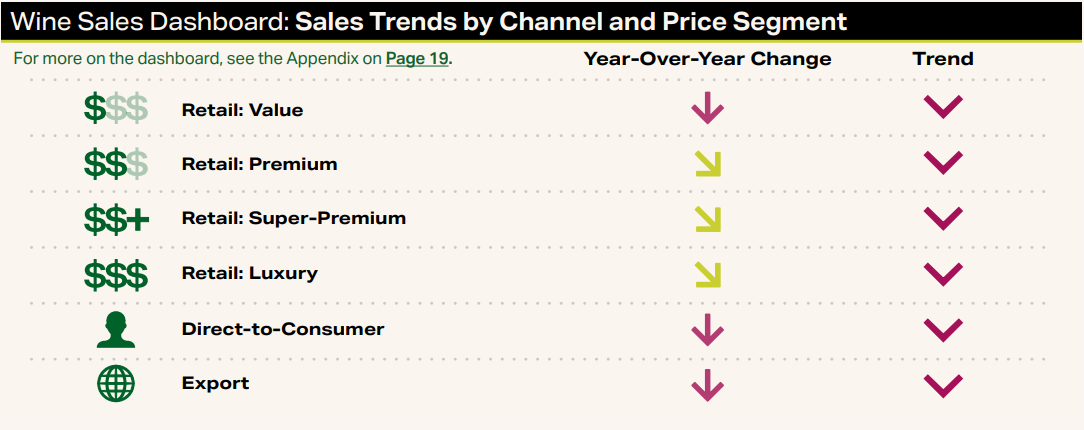
Price-sensitive consumers have kept a lid on wine sales this year, while grape sales are likely to remain slow. As for the moderation movement, a range of factors are contributing. It was a disappointing first half of the year for U.S. wine sales as a shaky economic backdrop quashed the signs of progress that were evident in late 2024. Nonetheless, there has been modest improvement in some areas since spring. Retail wine sales fell across price segments in the first half but declined at a slower pace in the second quarter than in the first (see Page 3). Following a bleak first five months of 2025, direct-to-consumer sales, while still down, firmed in June and July. Alternatively, exports deteriorated markedly in the second quarter as shipments to Canada collapsed. Unfortunately, I am not expecting much improvement in the near term. The economic outlook remains murky, but the Terrain team believes that slow economic growth, a gradually eroding labor market, and sticky
00
August 28, 2025

Every member of your club is not exactly the same. So why are you treating them that way? The typical winery sends identical emails to every member of their club, from the first-time joiner who discovered you last weekend to the loyal patron who's been with you for a decade. The result? Generic messaging that resonates with no one. Segmentation, the practice of dividing your audience into meaningful groups based on shared characteristics, isn't just marketing jargon. For wineries, it's the difference between treating members like transaction numbers versus building relationships that keep them enrolled for years. In this guide, we'll explore practical segmentation strategies that don't require a data science degree—just your existing CRM tools and a willingness to see your members as individuals rather than a homogenous list. The Problem with "One Size Fits All Wine Club Communications The allure of the single-list approach is obvious: it's fast, it&#
00
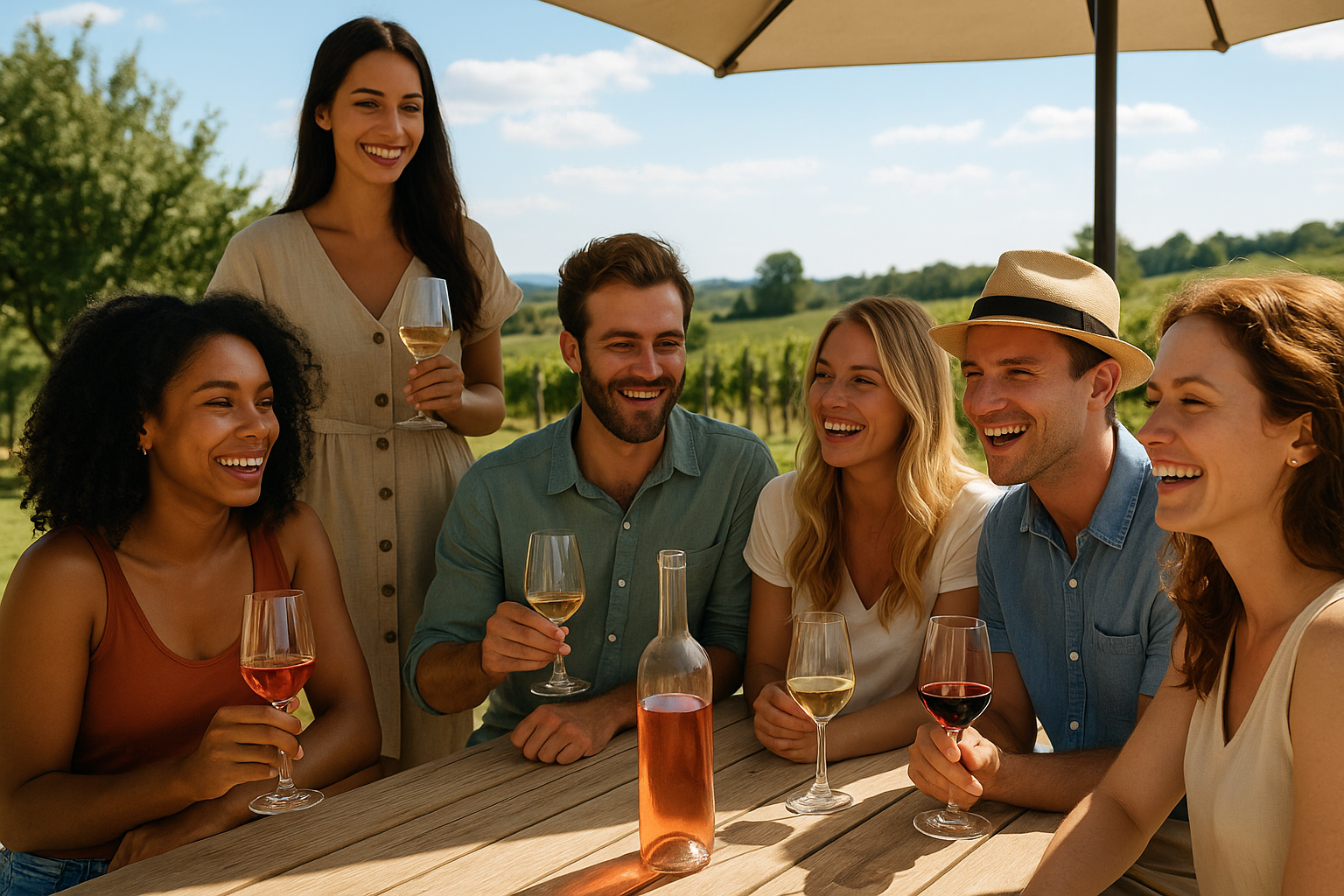
Summer winery marketing strategies are essential for staying competitive during travel season and warmer weather. As customer habits shift and traditional foot traffic slows, wineries must find new ways to stand out. The good news? With the right mix of creativity, personalization, and tech-driven tools, summer can be one of your most profitable seasons yet. Here are five innovative, customer-centric strategies to help your winery sell more and build deeper relationships this summer. 1. Rethink Summer Shipping: Flexibility Is the New Fast Wine and heat don’t mix. But neither do frustrated customers nor surprise shipping delays. In 2025, the most successful wineries are leaning into flexibility, clear communication, and smarter logistics to keep orders flowing and customers happy. 🔄 Give Customers Control Let your customers decide when and how they receive their wine. Integrate tools that allow post-purchase adjustments, like scheduling a fall delivery or choosing a local picku
00

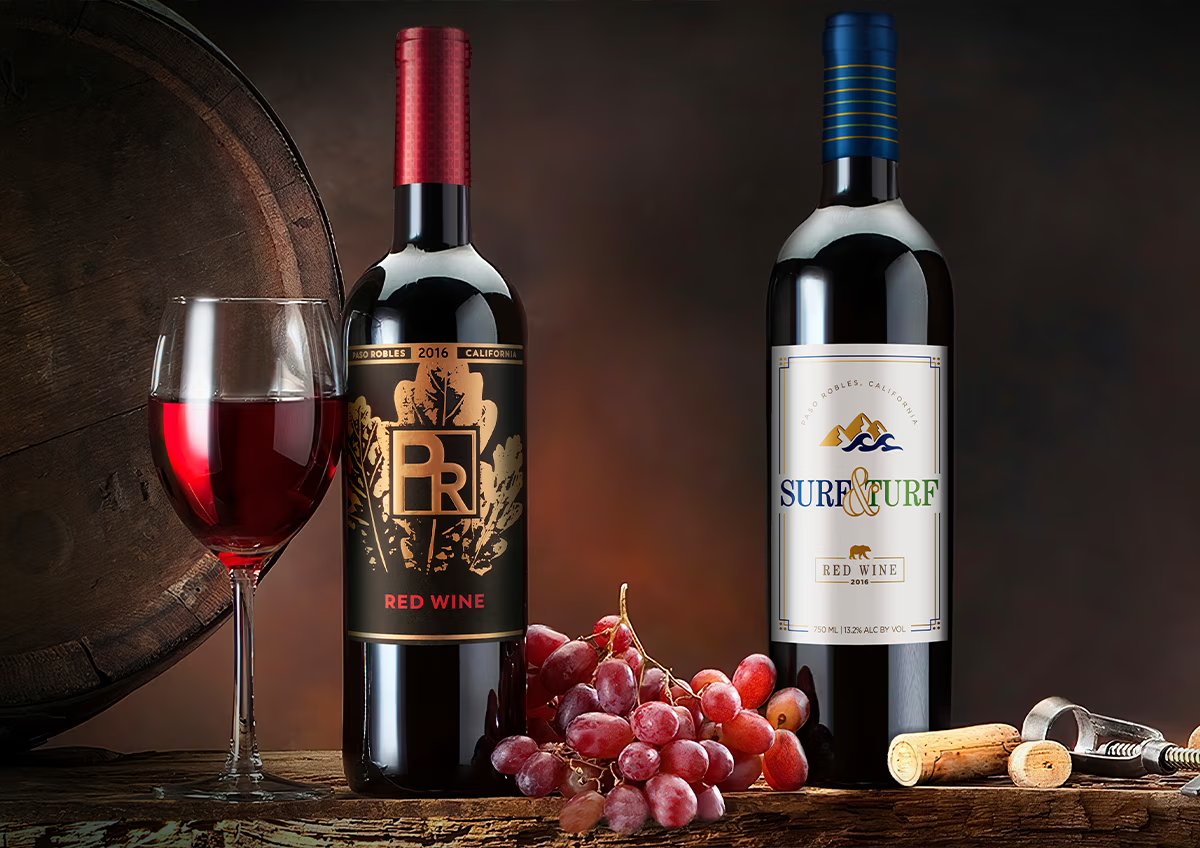
A look at the trends influencing wine packaging design & innovation. Introduction U.S. wine total volume is expected to remain relatively flat for the next several years, while value will grow due to price increases and the persistence of the premiumization trend. In the crowded and increasingly challenging wine market, effective package design can help a brand get noticed and appeal to consumers. This report looks at several key trends impacting wine package design, from authentic storytelling to interactive engagement to environmentally and socially responsible solutions. Authenticity According to a recent GlobalData study, three out of four consumers consider product/brand authenticity essential or nice to have when making purchase decisions. This attitude is especially true among older generations and higher-income earners, a key demographic for wine sellers. Authentic brands are perceived as genuine, original, and transparent, providing quality assurance and trust. Euromon
00

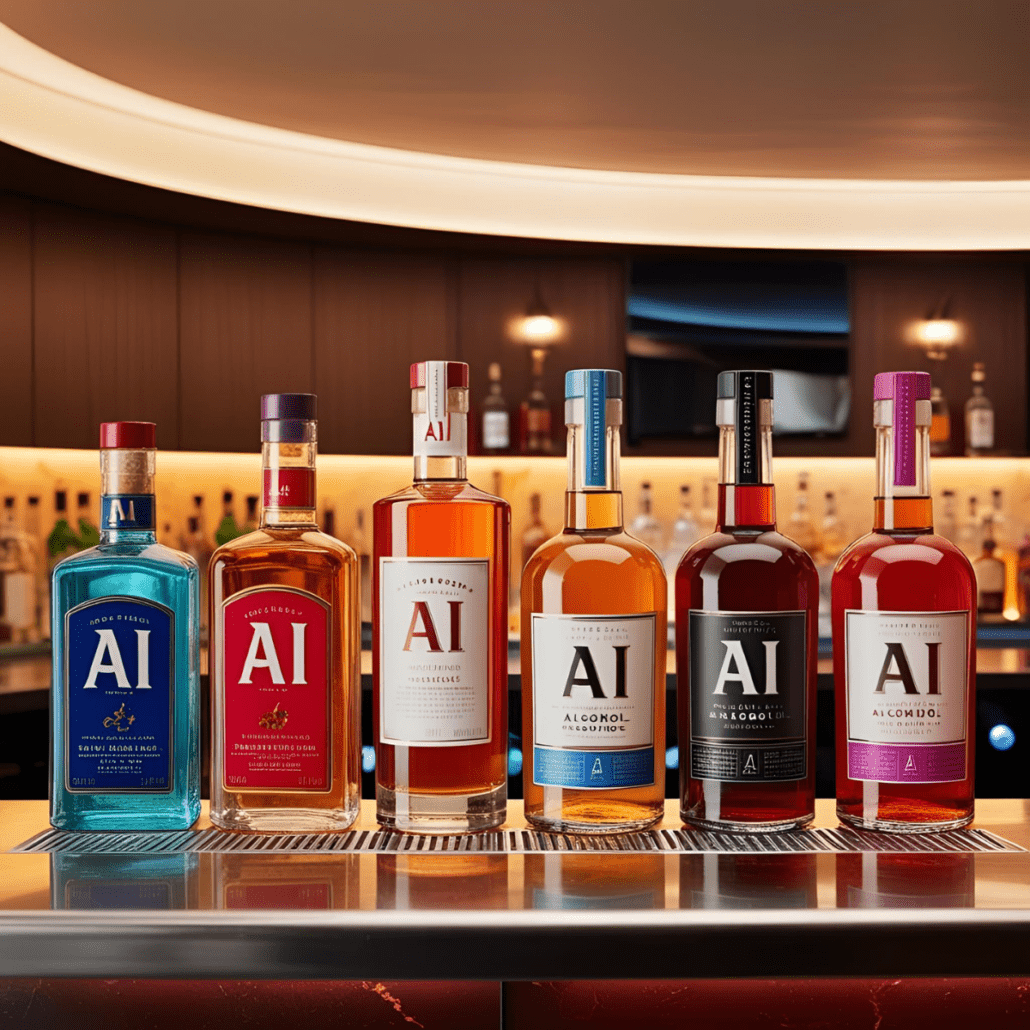
With wineries practically betrothed to spreadsheets, early-2000s websites, and stodgy cursive fonts plucked straight from a Jane Austen character’s trembling hands, is it any surprise that our industry is behind in adopting useful AI tools with the capacity to make our businesses efficient and profitable? Despite all appearances to the contrary, given that first paragraph – this isn’t another post trying to shame the industry into adapting. A well-connected bev alc professional need only scroll LinkedIn for about two seconds for a hearty dose of “stop complaining; this is your fault” novellas on the state of alcohol sales today. No; the intent here is to empower you: to suggest that the AI tools available to us right now are not only developed enough, but so easily adoptable that taking action today might just be enough to usher you and your team into a sound night’s sleep for the first time since, perhaps, “the before times&rdq
00
What’s the opportunity cost of stopping to ingest another piece of content? Two sentences in, are you gripped with a guilty impulse to reach for your phone or keyboard and start making calls instead? I’d like to redirect your energy so that your success in sales isn’t random or acute, but consistent and chronic — the result of a strategic, focused effort that means doing less and selling more. Defining Success If I “get you” to read this article, does that mean I’ve written it well? “Well,” you might say, “that depends on your goal, I guess. What are you trying to do here —put words in my mouth?” As tribal creatures, we tend to assume everyone around us is on the same page, that we define success in the same way. In Chapter 1 of The Psychology of Money, Morgan Housel argues that “Nobody’s Crazy” — every one of us handles our finances based on different values, informed
00

June 27, 2024

Domestic Headquarters for Research and Development to be based in Sonoma County, California Rack & Riddle and Solos have announced an exclusive partnership that will revolutionize the production of no and low alcohol still and sparkling wines. The team will be the first in the United States to offer Solos’ patented Aroma Recovery System used in Europe to provide superior flavor and mouthfeel to low and no alcohol wines. Rack & Riddle’s facilities in Healdsburg, Alexander Valley, Geyserville and Lodi will serve as the national headquarters for service, research and development for both companies. Test and small lot production is expected to begin later this year with full commercial scale operations commencing in 2025. No alcohol, low alcohol and sparkling wine is exploding in popularity. One out of every seven bottles of wine sold now in the U.S. are sparkling wines. The sparkling category has grown two and one-half times over the past 15 years at a retail price pr
00