
Filter Post Type
NewsVideoProductEventLink
Sort:
Most Recent
1–7 of 7


“We successfully automated almost every irrigation set last season,” said Andrew Oliver, Vineyard Manager at Antinori. “Lumo’s pump automation is an absolute game changer for our team,” agreed Hunter Emch, Northern Unit Area Manager at Redwood Empire Vineyard Management. REVM and Antinori are two early users of Lumo’s Pump Automation product, a powerful new integration with its smart valve platform that automates irrigation scheduling and execution from end to end. The solution has already been deployed at ranches ranging in size from 60 to 1,300 acres. Real-time, block-level flow and pressure data from Lumo smart valves is used to verify performance, dial in precision, and keep critical infrastructure safe. Over 150 ranches in Napa, Sonoma, the Central Coast, the Okanagan Valley and Washington State are already using Lumo’s precision irrigation system to close their execution gap, increase operational efficiency, and irrigate to plan. In July
00

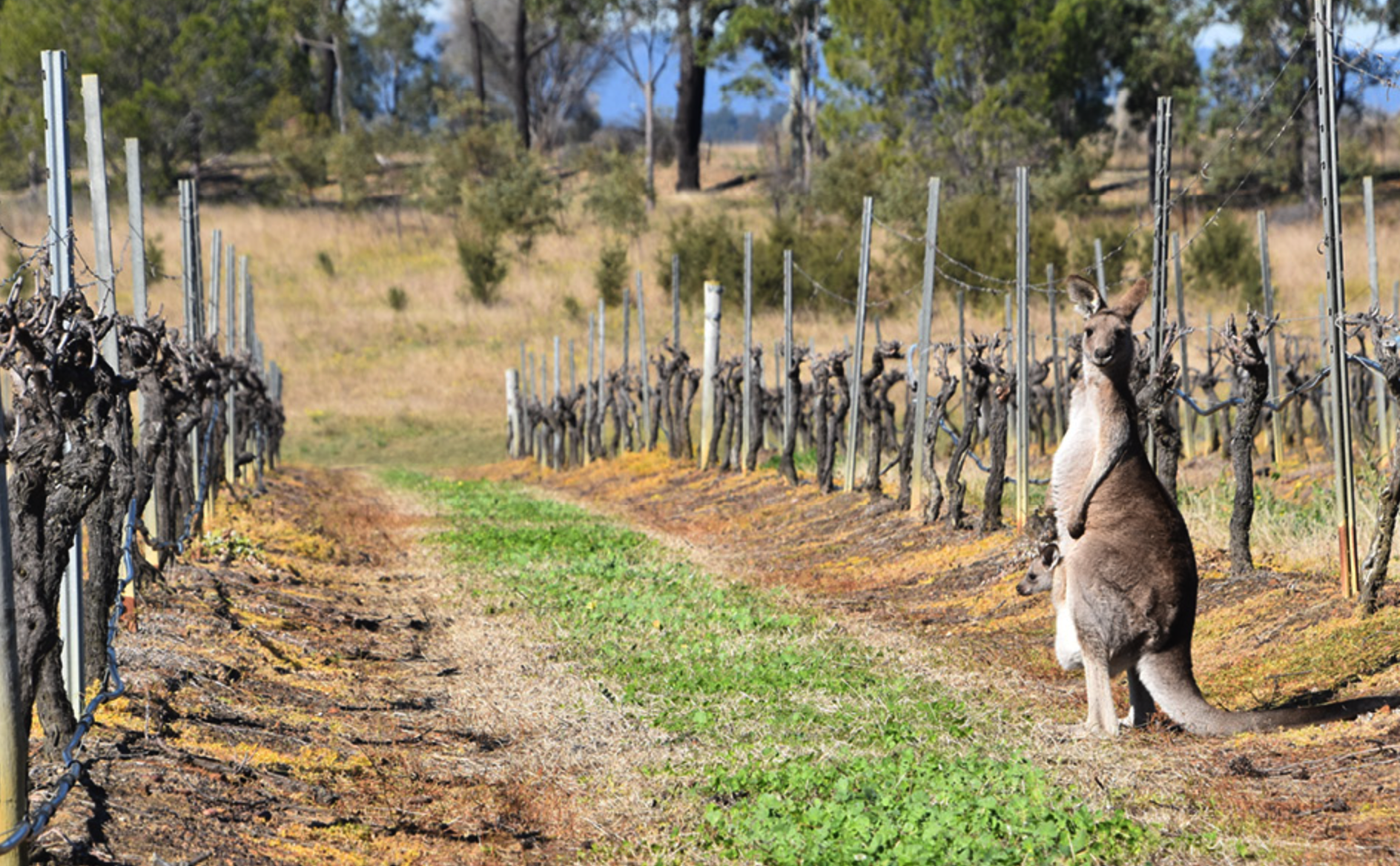
The Australian ‘Black Summer’ of 2019/20, which saw bushfires destroy swathes of vineyard land across the country was a dramatic reminder of the growing challenges facing winemakers around the world. We spoke to leading Australian winemakers and lab technicians to find out how agile decision-making is helping to deal with the consequences of global warming. Offering alarming proof of the escalating effects of climate change, in November 2019 bushfires blazed through New South Wales, scorching more than five million hectares of land following Australia’s hottest and driest year on record. In December 2019, the fires swept through the Adelaide Hills, destroying 650 ha of vines in the region, and wiping out entire vineyards. Making matters worse, the smoke from the fires was far-reaching, rendering vineyard plots from Canberra to the Hunter Valley useless. Ravaging an estimated 24.3 million hectares of land in total and destroying over 3,000 buildings, the September 2019
00

February 14, 2024

In Dedication to Bill Hayes - Judge The Press Democrat North Coast Wine Challenge along with its intimate team of judges are saddened by the recent loss of much-loved fellow judge Bill Hayes. Bill was one of the core judges for the past 5 competitions and his expertise, knowledge, experience, and friendliness will be very much missed. Says Daryl Groom Chief Judge “Bill was always top of my list to invite back every year. He had a great palate but more importantly he just got along with everyone. He is a judge you could put on any panel as he loved and appreciated all wines and simply got along with everyone. He was always happy and smiling and at the end of every competition made sure he came and thanked me for having him and how much he enjoyed himself. He was often the last one to leave, always being around and volunteering for any Gold Medal judge offs for Best of Class. He oozed passion, respect, and kindness. &
00

December 28, 2022

Afternoon Brief, December 28th
The Existential Crisis of Bordeaux's Small Grapegrowers: Protesters carried dead vines through the streets of Bordeaux, pleading for help as shrinking wine consumption in France and changes in China have left them facing ruin...
00

While the start of the serious rainfall here in California (hopefully) marks the end of fire season and smoke-taint risk, there is still a significant amount of fruit that has not yet been harvested, particularly in the cooler coastal regions like Monterey. Unpicked fruit now faces an increased risk of Botrytis and other rots, especially if the rains continue and it becomes difficult to get harvest equipment into the vineyards. The ATPGroup team has some suggestions on best ways to handle grapes infected with Botrytis Cinerea: Assess the Damage Check the infection rate of your fruit and have the laccase levels of your wine tested if you are concerned with residual levels. Dose recommendation ranges given below are for low to moderate rates of infection (5%–10%). Lots with greater than 20% infection may require additional measures. Please contact our technical team with questions on handling these extreme conditions. Pick it Cold The lower the temperature of the must, th
00
Wineries up and down the west coast are struggling with the effects of the recent wildfires. Smoke taint is a challenging problem, and experts agree that the earlier intervention occurs the better the results will be. In addition to more traditional techniques, treating red grapes with Flash Détente may significantly reduce the presence of smoke-related compounds. While data is still limited, early trials have shown that reduction of smoke volatile phenols by Flash Détente can reach 50% or greater depending on the grapes and the specific protocols used. Pyrazines have also been shown to have synergistic effect with smoke-taint compounds, so the reduction of pyrazine concentration provided by Flash Détente combined with the characteristically intense fruit character of Flashed wines may also provide a powerful tool to mitigate smoke taint.
ATPGroup is proud to present to the winemaking industry in North America the award-winning, patented Red Hunter Thermovinifica
00
Even a single exposure of grape vines to fire smoke can lead to the presence of detectable smoke taint in finished wine. Smoke taint is not an easy problem to fix, and depending on the level of contamination it might require the application of several different techniques on the same wine or juice. Smoke taint has also been shown to reappear in wines treated with selective filtration, so the earlier intervention occurs the better the results will be. The following techniques will minimize the potential impact and help protect your wine.
Mitigation:
1. Treat with Flash Détente
In addition to the more traditional techniques outlined below, treating red grapes with Flash Détente using the TMCI Padovan “Red Hunter” Thermovinification/Flash Détente system can significantly reduce the presence of smoke-related compounds. Studies have shown that reduction of smoke volatile phenols by flash détente can reach 50% or greater depending on the grapes and
20