
Filter Post Type
NewsVideoProductEventLink
Sort:
Most Recent
1–10 of 37

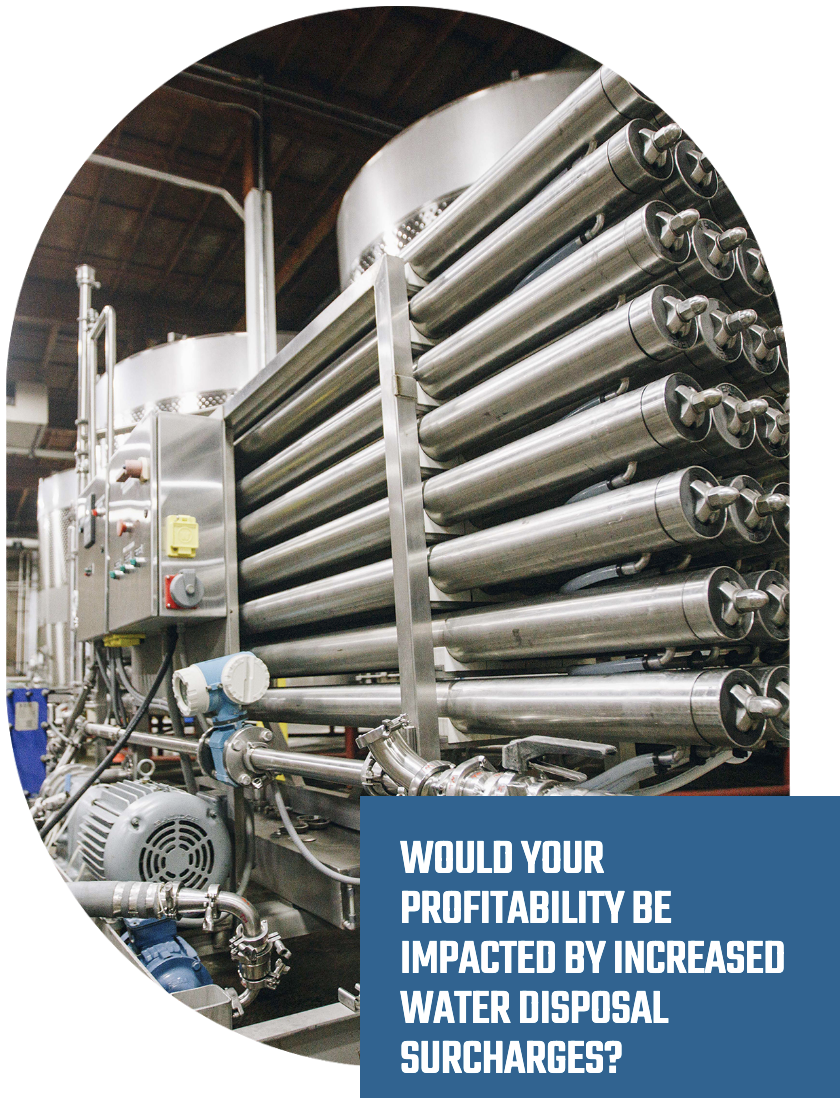
Groundwater management fees are no longer just a future issue for California winegrowers. Basins in Napa Valley, Sonoma Valley, and the Santa Ynez/CMA area already have fee structures tied to groundwater management. In the Napa Valley Subbasin, Recovered Water Solutions, a Winesecrets company, can help wineries and growers identify opportunities to annually save over $60 per acre on local groundwater sustainability fees. Planted acreage Potential annual savings 250 acres $15,040 500 acres $30,080 1,000 acres $60,160 On this and related water-cost issues, Recovered Water Solutions works with wineries and processors to better understand water use, identify loss points, and develop practical recovery and reuse strategies that improve cost control, efficiency, and long-term resilience. Call or email Eric@winesecrets.com for more information about our water recovery and resuse services. Or visit recwatersolutions.com. Toll Free: (888)
00

March 27, 2026

Afternoon Brief: There's a Wine for Everyone: New Survey Highlights Importance of Recruiting
In the most recent consumer benchmark survey from the Wine Market Council, a red flag popped up; 35% of non-adopters said they didn’t like the taste of wine while 39% said they preferred the taste of other alcohol beverages—and they’re basing their dislike based off just a few experiences with the finish of a wine...
00

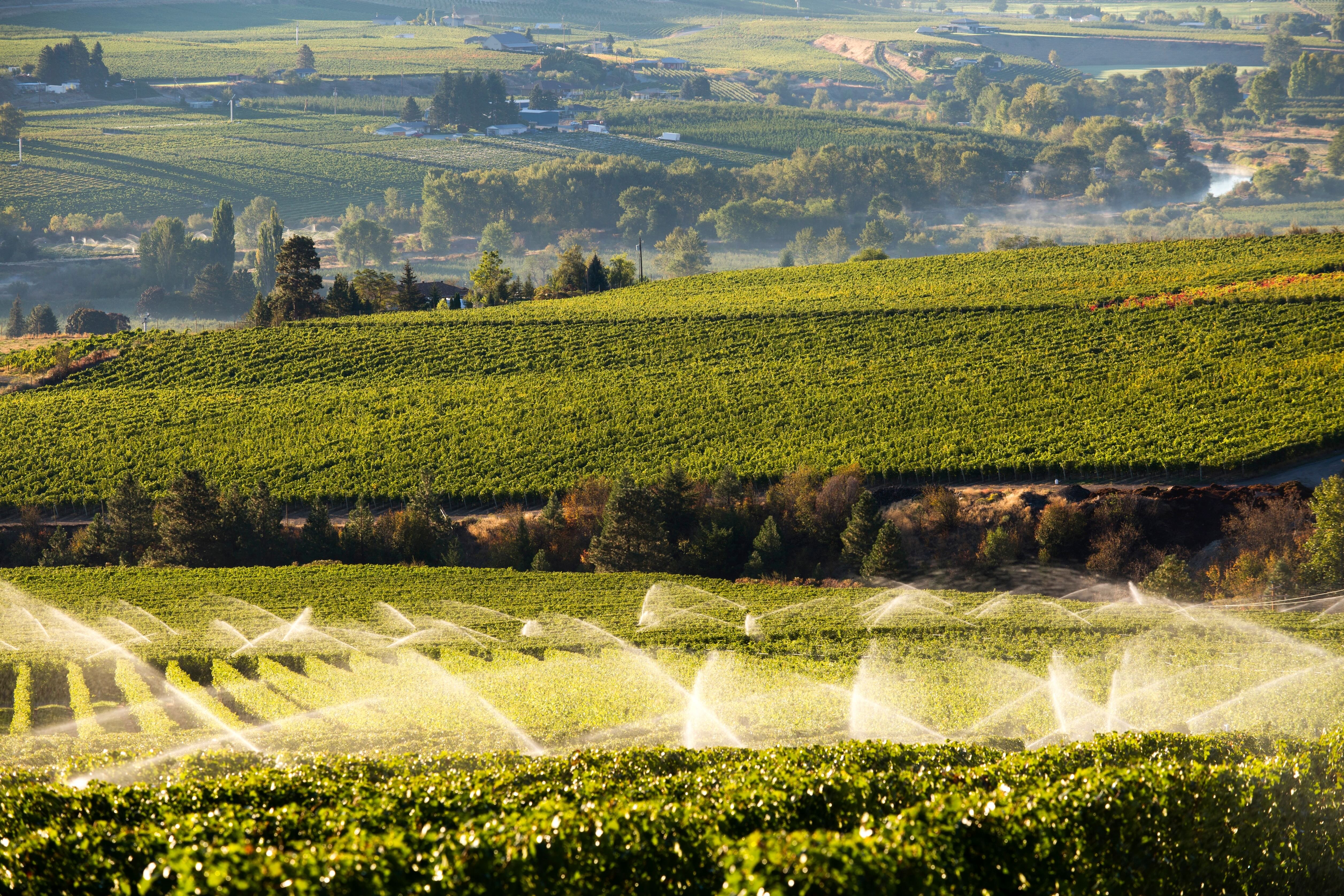
Declining groundwater levels and increasing pressure under the Sustainable Groundwater Management Act are changing how California wine growers think about water. What was once largely an operational concern is now directly tied to long-term viability, regulatory compliance, and sustainability planning. These issues were front and center during a session at the 2025 WIN Expo, where vineyard operators, hydrologists, and county leaders discussed how groundwater management is evolving and what growers can do to stay ahead. Moderated by Val King, Director of Channel Partnerships at Verdi, the session underscored a clear reality. There is no single solution, but there is a shift toward local control, better data, and practical changes in vineyard management. SGMA Was Built to Be Local, Not One-Size-Fits-All Your browser does not support HTML5 video. SGMA is often misunderstood as a rigid, top-down mandate. In reality, it was designed around California’s variability in geology, climate
00
June 19, 2025
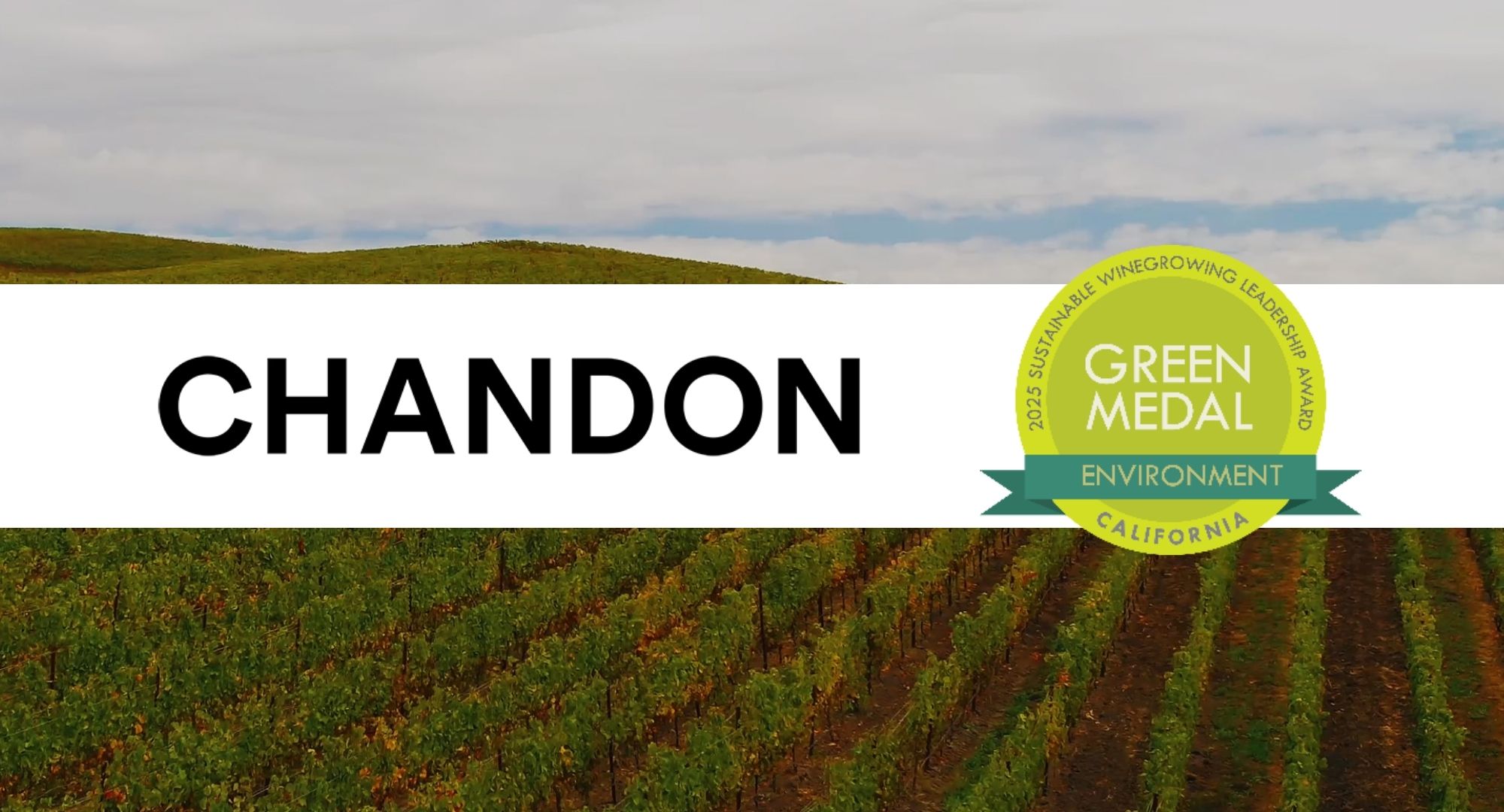
A case study on using irrigation automation to conserve water, cut energy use, and elevate vineyard performance. CHANDON has consistently demonstrated innovation in environmental practices, resource efficiency, and community engagement, setting a new benchmark for sustainable viticulture. The California Green Medal Awards were established in 2014 to recognize vineyards and wineries that lead the industry in the areas of environment, economic development and social equity. As we all work towards a more sustainable future of agriculture, this recognition highlights the effort of vintners and winegrape growers striving to protect the environment and enrich the community. CHANDON’s 2025 California Green Medal Environment Award CHANDON’s Carneros vineyards are irrigated using a combination of surface water and reclaimed water sourced from the City of Sonoma, while the Yountville site relies primarily on recycled water from the winery’s own wastewater tr
00

January 24, 2025
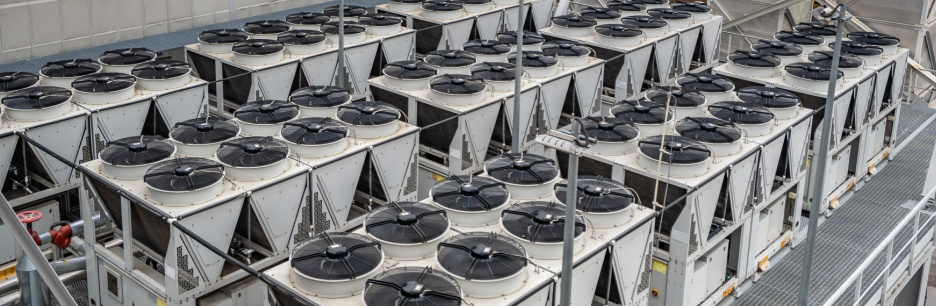
Many manufacturing and processing companies rely on industrial chillers to provide cooling for everything from machinery to finished goods. However, these systems use a lot of electricity, accounting for a large portion of energy use. Finding ways to make chillers run more efficiently is more important than ever. Here are some tips for increasing water and air-cooled chiller efficiency in 2025. Why Optimal Chiller Efficiency Matters for Your Operations Improving chiller efficiency can save money on electricity and reduce energy waste, which in turn helps lower carbon emissions. Therefore, reducing the energy consumption of your industrial chiller benefits the environment by lowering greenhouse gas emissions and other pollutants. In addition, companies that can effectively use industrial chillers can gain a competitive advantage by reducing their production costs. This can ultimately help them become more profitable and sustainable in the long run. How to Calculate Chill
00
November 25, 2024
More Than 220,000 Acres in California are Enrolled in FFF Program NAPA, Calif. (November 25, 2024) – Thirty-two winegrape growers and wineries from Sonoma, Napa and Mendocino counties have been recognized with the Founders’ Award from the Fish Friendly Farming Certification program for achieving and maintaining certification for more than 20 years. In 1999, the Fish Friendly Farming Certification program was created to protect and enhance the Russian River watershed in Sonoma County. Soon, it was expanded with a specific program tailored for Napa County and other regions. Today, more than 220,000 acres located in thirteen counties in California are enrolled in the innovative program that improves water quality and wildlife habitat. “The Fish Friendly Farming certification has become very popular among winegrowers as a sustainable certification program because it is highly effective in improving water quality and restoring fish and wildlife habitat,&rd
00

Automation: What We Know and What We are Learning Sustainable Ag Expo I November 12 I 4:30-5:00 pm Don't miss this seminar at the Sustainable Ag Expo in November! Grant Cremers (Delicato Family Vineyards) will talk about a grower’s perspective on automation in the vineyard: Get insights into your most pressing questions including deciding what to automate, how to manage the transition and expectations, and what autonomous tractor work looks like today. Stick around after the session for Sustainable Gear & Beer! Get tickets here! --- Grant Cremers has been growing winegrapes on the central coast for 30 years. He has had the opportunity to learn from his time as a field scout, PCA, Vineyard Manager, Vineyard Director, and now Vineyard and Winery General Manager. He has made time to participate in our industry and community, including serving as past Board Member of the Vineyard Team, past Chair of the Ag Advisory Committee
00


An Example of a Generator Maintenance Program You never want your generator to fail when you need it most. That’s why we recommend keeping up with a Generator Maintenance Program. These programs not only save you money, but they ensure that any issues are addressed early - before they make a bad situation worse. Generator Assessment A thorough generator maintenance program begins with a comprehensive assessment. This initial step is crucial for understanding the current state and needs of the equipment. Key Assessment Areas: Power Capacity Evaluation: Determine if the current generator can meet the facility's power requirements. Over time, a facility's power needs may grow, necessitating an upgrade or additional generators. Repair Needs: Test the generator to identify any components that require repair. This step helps in deciding whether immediate repairs are needed or if the generator can transition directly to a preventive maintenance plan. Compliance Check: E
00


Activated Sludge: A brownish flocculent of bacterial organisms developed in aeration tanks. Activated Sludge Process: Method of eliminating pollution in wastewater. Oxygen is released into tanks containing dissolved organic substances. Bacteria in the tanks break down the organic pollutants. Water is then separated from the activated sludge and discharged. Most of the sludge is reused in the treatment process; the remainder is disposed of per local wastewater regulations. Aeration: Process of bringing air into contact with a liquid. It can be developed using natural wind on a pond or by injecting air into an aeration tank. Aerobic Bacteria: Bacteria that require free oxygen for growth. Aerobic Wastewater Treatment: It uses bacteria to break down waste; the bacteria require the presence of oxygen to live and thrive. Anaerobic Bacteria: Bacteria that grow without the presence of free oxygen; it derives oxygen from breaking down waste Anaerobic Wastewater Treatment: Uses bacteria to brea
00

April 16, 2024
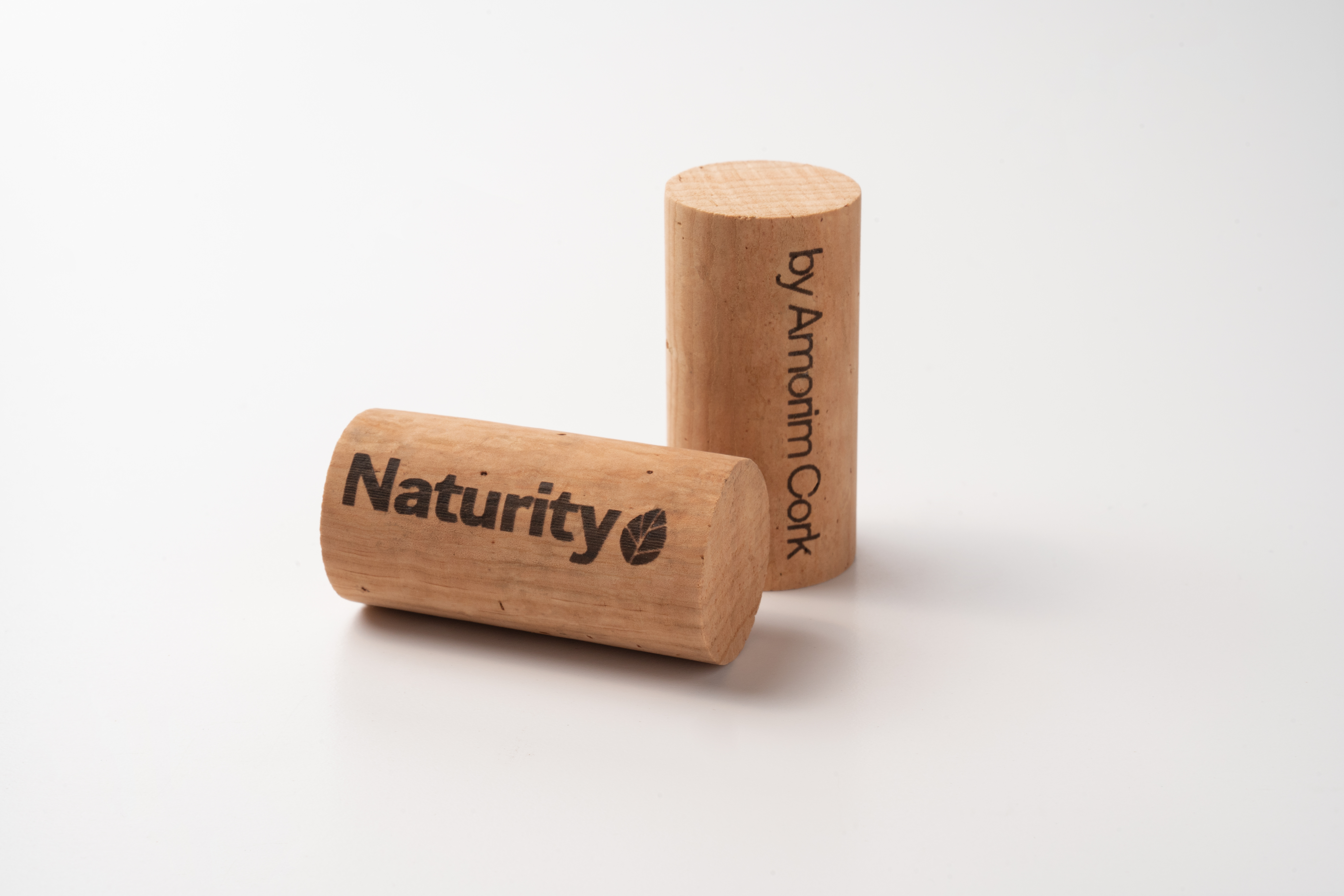
Negative carbon footprint of Naturity corks proves to be an important ally in the decarbonization of the wine sector. PORTO, PORTUGAL (April 16, 2024): The environmental supremacy of natural cork stoppers produced by Amorim Cork is clear in the “Life Cycle Analysis" (LCA) prepared by PwC at the request of the world leader in wine stoppers. Analyzing three types of stoppers, the Naturity® cork stopper and two artificial seals (one made of aluminum and the other made of plastic), the study covers seven environmental indicators, was carried out in accordance with the guidelines of the ISO 14040 standard and subjected to a critical review by a committee of independent external experts. Taking into account the changes that have been promoted in the cork stopper manufacturing process, it was considered relevant to update the quantification and comparison of the environmental impacts of natural cork stoppers versus the main aluminum and plastic closures on the market.&nb
00