
Filter Post Type
NewsVideoProductEventLink
Sort:
Most Recent
1–10 of 10
April 20, 2026
Recent news headlines out of France regarding wine barrel management and leasing mainstay H&A Group have sparked concerns within the global wine industry, with potential significant impacts to the domestic and local wine industry’s barrel financing programs. H&A, a Bordeaux‑based barrel leasing company with a substantial international footprint, has reportedly been placed into judicial liquidation by the Bordeaux Commercial Court in early April, after unsuccessful restructuring efforts.[1] With thousands of clients worldwide—including wineries in California—the liquidation of H&A may have significant legal, financial, and operational implications for wine producers that relied on its barrel leasing and financing structures. For approximately two decades, H&A operated as a specialized financer of wine maturation, allowing wineries to access barrels without the need for substantial upfront capital expenditures. Through barrel lease and resale agreements, H&A worked
00
April 9, 2026
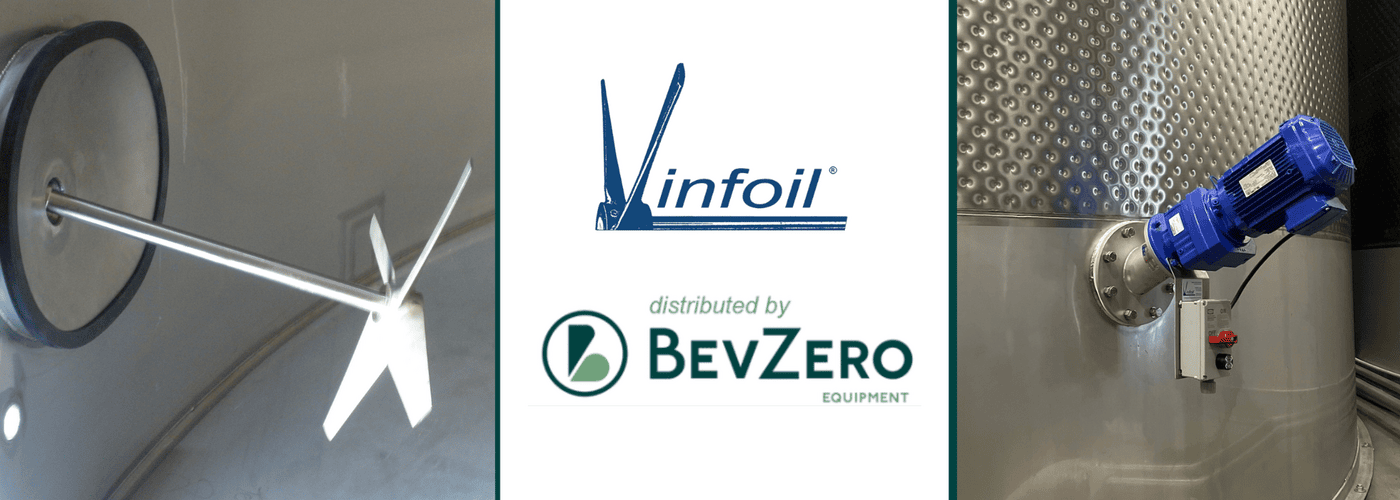
As wineries face increasing pressure to improve efficiency, reduce resources and energy, and maintain premium wine quality, smart tank mixing solutions have become essential. The Vinfoil Wine Tank Mixer, developed by CPE and distributed in the by BevZero, is engineered specifically for wine applications—offering gentle yet effective mixing while minimizing oxygen pickup and operational costs. This article explores the many applications of the Vinfoil mixer, how it supports energy and labor savings, and answers the most common technical questions wineries ask when researching tank mixers. Key Takeaways Custom designed to your tank size, specifically for gentle wine mixing Reduces oxygen pickup compared to pump-overs Improves additive and oak integration Lowers energy and labor costs Suitable for premium and non-alcoholic wines What Is the Vinfoil Wine Tank Mixer? The Vinfoil mixer is a purpose-built wine tank mixing system designed for: Gentle homogenization Efficient blending Ad
00
March 28, 2025
We’re in the Business of Making Things Better; Barrels, Spirits, Beer, and the World. While we partner with creative professionals to provide great products to millions of consumers around the globe, 663 million people worldwide lack access to a fundamental human need; Water. Through our partnership with water.org, every barrel sold helps provide one person in the developing world with one year of access to safe water. For More Information, Feel Free to Contact Us. *Any barrel, of any size, sold or recycled by us. **The unit of measurement, equivalent to 31 gallons.
00

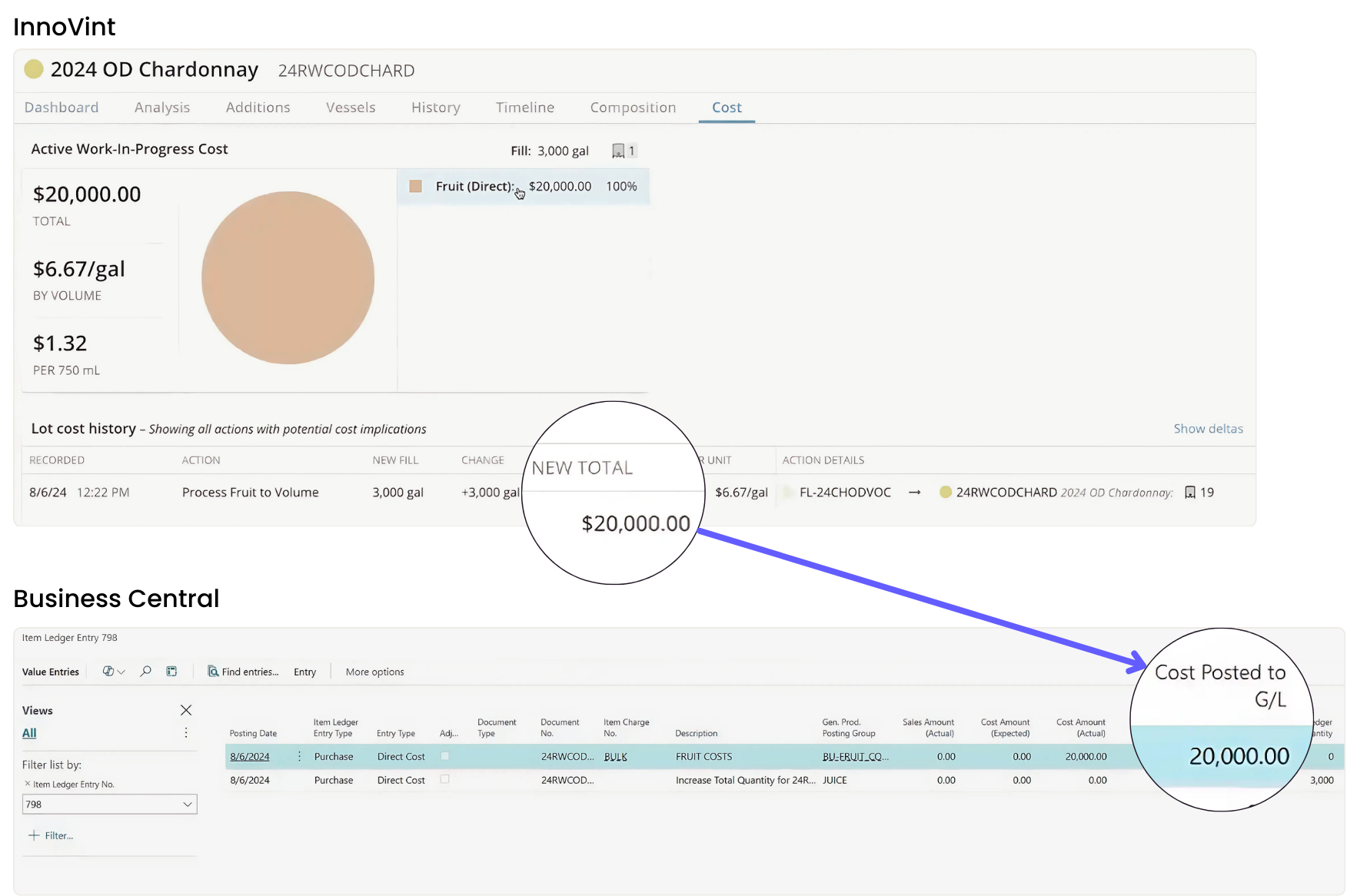
If you’re a winemaker, winery owner or executive, you know that crafting wine is anything but a straightforward manufacturing process. And small decisions can make and break profits. Winemaking isn’t a simple recipe; it’s an evolving blend of art, science, and constant hands-on adjustments. Every harvest, blend, and barrel is unique, meaning there’s no “one-size-fits-all” approach to production. That’s where traditional Enterprise Resource Planning (ERP) systems fall short. While they’re great for tracking your general ledger, automating order management, and tracking case goods inventory, they don’t understand the nuances of wine production. In this article, we’ll get into why ERPs just aren’t a good fit for the cellar—and why integrating purpose-built winery solutions can make all the difference. Where ERPs Miss the Mark for Wineries No Vineyard Tracking or Insights Winemaking starts in the vineyard, but most ERP
00

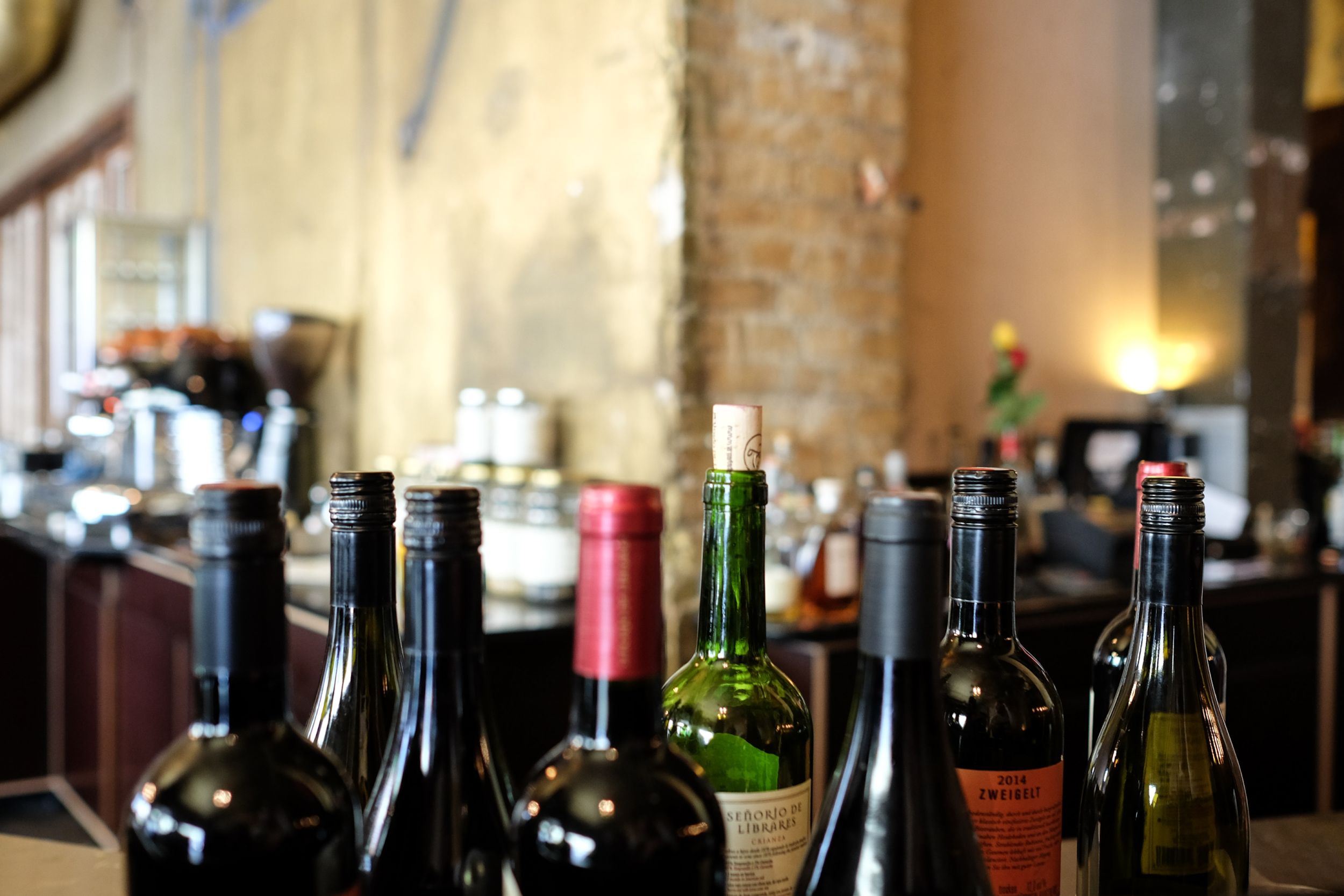
One crucial step in winemaking is the process of selecting an appropriate glass bottle. Why? Because a wine's identity is greatly influenced by its glass bottle. Often, the content of the bottle takes center stage in conversations and articles rather than the bottle itself. However, our attention today will be on elevating your wine packaging, specifically how wine bottles are packaged for distribution. In the last few years, wine packaging has experienced a radical shift. The invention of cans, tetra packs, and other packaging materials and innovations have changed the way producers think about wine packaging. However, glass bottles remain the traditional and preferred method for wine packaging. A typical wine bottle is made of glass and is available in a variety of sizes and forms. However, most wines are commonly packaged in 750 mL glass bottles. Glass bottles have been used for hundreds of years for wine packaging and have proven to be quite beneficial. However, this has not a
00


After navigating our client’s business and company growth during the last two roller-coaster years, I was ready for a significant break. Armed with credits from two canceled vacations and many pent-up credit card miles, I cashed in for an extended European visit in July. While there, my husband and I traveled to and stayed in four major wine-tasting regions: Alsace, Champagne, Burgundy, and the Rhine/Mosel. While there are countless and apparent differences between how France, Germany, and the US promote tourism and sell wine directly to customers, there are equal similarities if you look hard enough. As a native of Napa, wine tourism and marketing wash over me. But, on this trip, I found myself in the rare role of a focused tourist. So, I became aware of the marketing cues and delivery vehicles and noted what worked, and what didn’t. HERE’S SOME OF WHAT I LEARNED: 1. YOU CAN’T JUDGE A BAGUETTE BY ITS CRUST. If I were to ask you to paint a picture of your idea
00
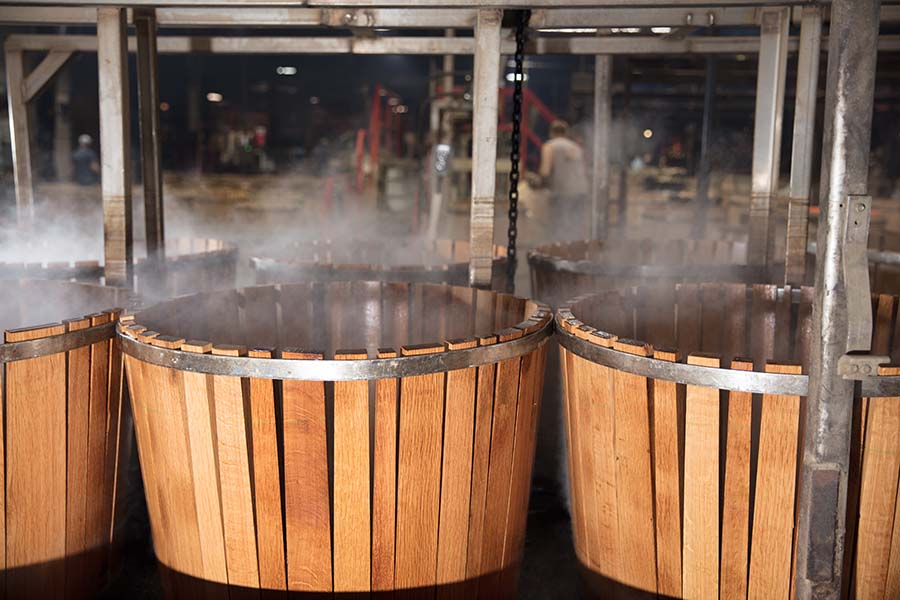
Wine barrels are beautiful and elegant (we might be biased of course), but there is a world of science and technology swirling just below the surface. We’ve been discussing it in our Oak 101 Series (start here if you want to catch up). Today, we want to talk about a step in the process that is key to creating the barrel itself: bending the barrel. Heat is required to soften the staves so they can be shaped into a barrel without breaking during the process. When softened, the wood increases in malleability. Think of a hard caramel candy: it is brittle until it’s heated, then it softens and can be shaped. The same thing goes with wood! There are several methods of heat bending that can be used to safely shape the staves, and each creates different chemical results after the barrel is toasted. Of course, this means wines aged in barrels with different bending techniques have different sensory characteristics. For the purpose of today’s post, we are going to explore the t
00
June 10, 2021
The California Department of Alcoholic Beverage Control announced today end dates for the temporary relief measures announced in 2020 in response to the Covid-19 pandemic. Depending on the specific regulatory relief in question, the relief granted by ABC, and the expanded privileges granted to many licensees during Covid, will come to an end on either June 30 or December 31, 2021. To assist licensees during the difficulties that arose from shut downs and restricted operations during Covid, the ABC issued various Notices of Regulatory Relief, advising the industry that certain practices would essentially be temporarily permitted With the end of Covid somewhat in sight here in California, the ABC has now provided the end dates for these measures. The following Notices of Regulatory relief will be rescinded and no longer effective as of the close of business on June 30, 2021. Returns of Alcoholic Beverages Retail-to-Retail Transactions Extension of Credit Drive-Thru Windo
00

As wildfires again threaten communities in California and beyond, many grape growers have faced a difficult harvest made even more challenging by the fast-moving fires and smoke that has filled the region. Even for the vineyards that have been spared from the ravages of fire, extreme smoke conditions can taint the grapes.
As a general recommendation, producers who believe their crop has been impacted by fire, smoke or excessive heat should file a crop insurance claim with their crop insurance agent. To provide further guidance for our customers and other grape growers, we have compiled some of the most common questions about smoke taint and crop insurance.
You can reference the information below when talking to your crop insurance agent about filing a claim.
Please note: This material is for informational purposes only and cannot be relied on to replace your own judgment or that of the risk management professionals you work with, in a
00

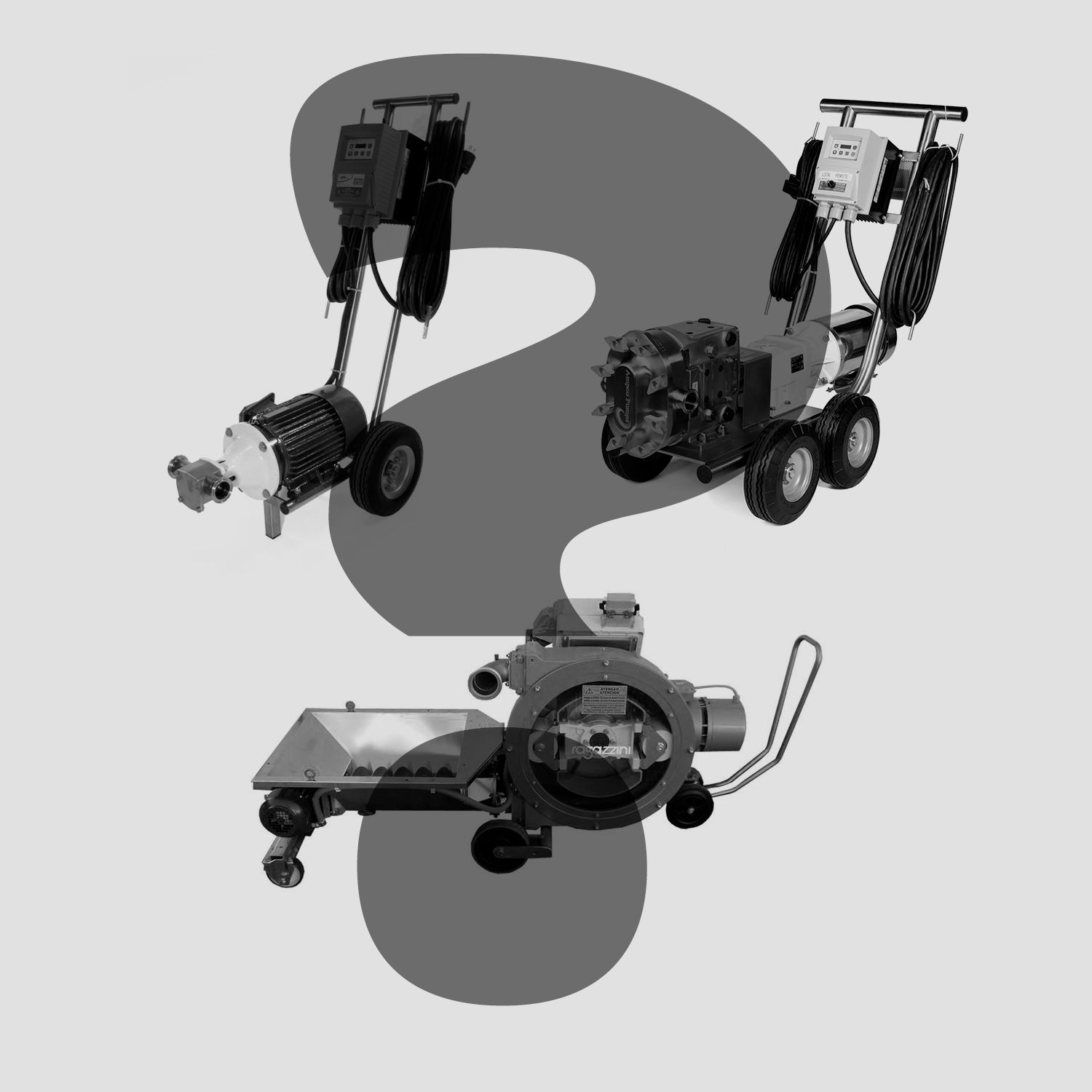
When you're just starting up your winery there's a lot of equipment to buy. Pumps may seem like an afterthought. But the truth is, your wine isn't going anywhere without a pump. Besides that, good pumps can make your life easier, and bad pumps can have a measurable impact on wine quality. Your dream shopping list might contain several pumps, each with specific purposes: a must pump, a bottling pump, a pumpover pump, a filtration pump. In the beginning, though, your budget will likely restrict you to one or perhaps two pumps that can handle most tasks reasonably well. Here are the pumps we recommend most often to commercial wineries that are just starting up. Initial Considerations Flow Rate Given that you are likely just starting up, you don't want to buy more pump than you need, but at the same time you don't want to be waiting for hours to move your wine around. For that reason, a pump with a maximum flow rate around 20-30 gallons per minute makes sense. Speed Con
00