
Filter Post Type
NewsVideoProductEventLink
Sort:
Most Recent
Tagged:Barrel
1–4 of 4
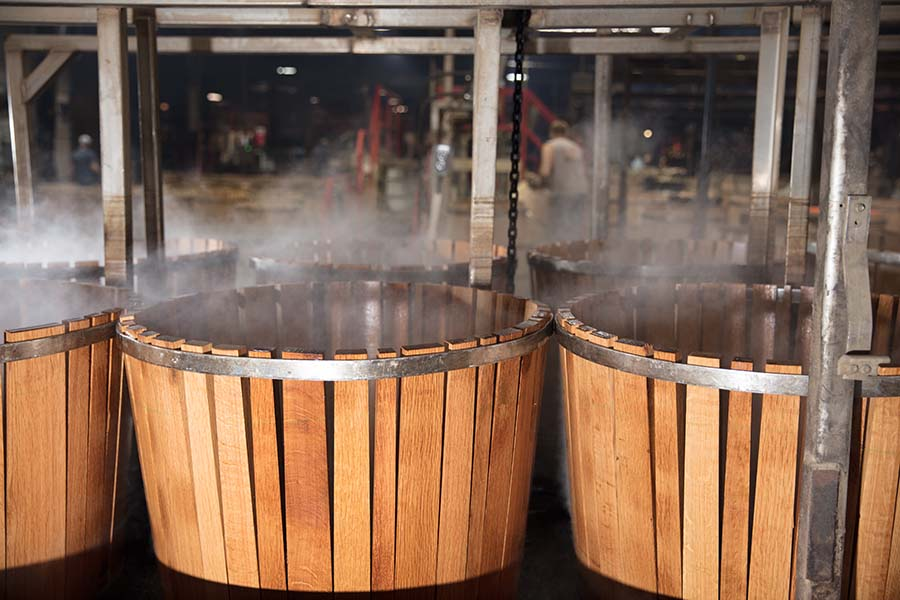
Wine barrels are beautiful and elegant (we might be biased of course), but there is a world of science and technology swirling just below the surface. We’ve been discussing it in our Oak 101 Series (start here if you want to catch up). Today, we want to talk about a step in the process that is key to creating the barrel itself: bending the barrel. Heat is required to soften the staves so they can be shaped into a barrel without breaking during the process. When softened, the wood increases in malleability. Think of a hard caramel candy: it is brittle until it’s heated, then it softens and can be shaped. The same thing goes with wood! There are several methods of heat bending that can be used to safely shape the staves, and each creates different chemical results after the barrel is toasted. Of course, this means wines aged in barrels with different bending techniques have different sensory characteristics. For the purpose of today’s post, we are going to explore the t
00

Consistently achieving specific organoleptic targets This is the next article in our Oak 101 Series. Make sure to read our last Oak 101 Series blog on toasting chemistry before diving in to this one. Next up in our Oak 101 Series, we are going to take all the chemistry you learned in the last two blog posts and explore how to use it to get a consistently toasted barrel – time after time. Why is this important? Because what a winemaker wants even more than a great tasting barrel, is a great tasting consistent barrel. When they fall in love with a barrel, they expect it to taste the same every year. As a cooper, one of our biggest responsibilities is to deliver on that expectation, and we take it very seriously. Gone are the days when coopers toasted barrels using only sight and smell. Oak science has proven that color is not a direct indicator of flavor. The same level of color can be achieved via a short or long toast by adjusting the toasting temperature, which leads
00

One of the coolest parts of our job is showing customers how a barrel is made. When you see barrels in a wine cellar, it’s easy to overlook the amount of technology and craftsmanship packed into each one. Reactions to a cooperage tour often result in a new appreciation for the process and have even been known to elicit some big “aha” moments from winemakers. What we don’t often get to share is the process before a barrel is made – when it’s just an idea. Today, we are taking a step back and telling the story of how a World Cooperage barrel concept comes into being. How each one of our 100+ profiles started as a thought and finished as a barrel. World Cooperage is committed to consistency, innovation, and distinctive barrels. That means we keep our ears to the ground to stay in tune to winemaker’s needs. Our account managers are constantly assessing winemakers’ feedback during sales consultations and tastings. We want to ensure there
00

We last left off in the American oak forest with our resident tree guy and Director of Log Procurement, Garret Nowell. If you missed that video, catch-up here. In this next video, Garret walks us through how American oak logs are graded and purchased by our team of Log Buyers. Watch as he illustrates the process at one of our company-owned stave mills. Enjoy!
10