
Filter Post Type
NewsVideoProductEventLink
Sort:
Most Recent
1–9 of 9
January 20, 2026

Presented by Vineyard Team, the Sustainable Winegrowing Podcast continued to be a go‑to resource for vineyard and winery professionals, delivering timely, practical insights straight from researchers and growers shaping the future of sustainable viticulture. From hybrid grapes and soil health to AI‑driven climate strategies and market dynamics, last year’s five most listened‑to episodes offered information listeners can apply immediately in their operations. Beyond Foxy: The Case for Hybrid Winegrapes Episode 274 | Listen now Forget everything you thought you knew about hybrid grapes. Adam Huss (Centralas Cellars) makes the case for these resilient, quality-driven varieties and why they’re gaining traction in a warming world. Fungicide Resistance in Powdery and Downy Mildew: 10 Years of Vineyard Research Episode 278 | Listen now Ismail Ahmed Ismail (South Australian Research and Development Institute) unpacks a decade of data on fungicide resist
00


Afternoon Brief: Top Four Lessons from the Art of the Tariff Deal
While US tariff policy remains unpredictable, months of painstaking negotiations have shed some light on US goals...
Australian Wine Research InstituteJosh CellarsThe Wine GroupHALL Napa ValleyShady Lane CellarsRavissant CellarsNew York Wine & Grape FoundationMilea Estate VineyardGoose Watch WineryUsonia WineBarcelona Wine WeekLlama NetworksSonoma County WinegrowersCorksyGrape & Wine MagazineThe Wine EconomistMaura JohnsonDana EstatesJustin BogatyBogaty Family Wine GroupNate WallTroon VineyardBerlin PackagingVinoshipperEnolyticsOrderPortSuburban PropaneSt. Francis Winery & VineyardsRexford WinesMénage à Trois WinesLarson Family WineryArmstrong Valley Vineyard & WineryRare Champagne
00
November 11, 2024
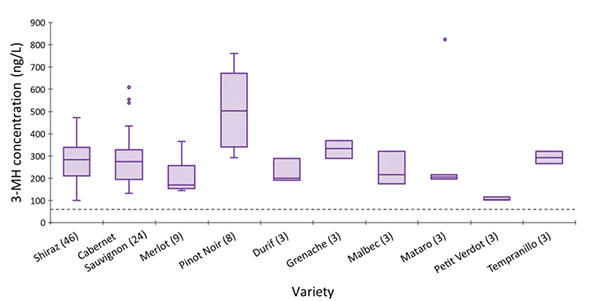
One impact of global warming is warmer growing seasons and heat waves that result in slightly higher alcohol content and more ripe, concentrated flavors. Growers often leave red grapes on the vine longer to build deeper color, richer tannins, and more intense, complex flavors. The downside of this solution is that it can shift the wine profile toward prune or jammy characteristics while losing the fresh fruit notes. The loss of these aromatic notes may make the wine less appealing to consumers, as there is a rising preference for freshness, illustrated by the growing trend toward drinking white wines. That freshness factor can be attributed to thiols, which play a significant role in the aromatic intensity of red wines. Recent studies, including research conducted by the Australian Wine Research Institute (AWRI) in 2019, have shown that red wines, like whites and rosés, contain thiols. These compounds, particularly 3MH (mercaptoethanol), bring freshness and notes
00

May 31, 2024
In partnership with the Napa Valley Grapegrowers, ETS Laboratories has been building a database of grape samples to help growers and winemakers better understand smoke impacts on winegrapes, work with insurance companies to protect their assets, and create individual baselines for the varieties in their vineyards. Since the program launched in 2021, this effort has helped to inform the global methodology around smoke taint testing. Following the catastrophic wildfires of 2020, the winegrowing community expressed interest in an extended list of analytical markers of smoke exposure, however two challenges were identified. The first challenge was with a class of markers known as “glycosylated” or “bound” compounds. Until the Fall of 2020, reference standards were not available for these types of compounds, and there was not consensus between specialists about which ones to measure. ETS Laboratories worked with the Wine Institute Technical Committee, the Austr
00

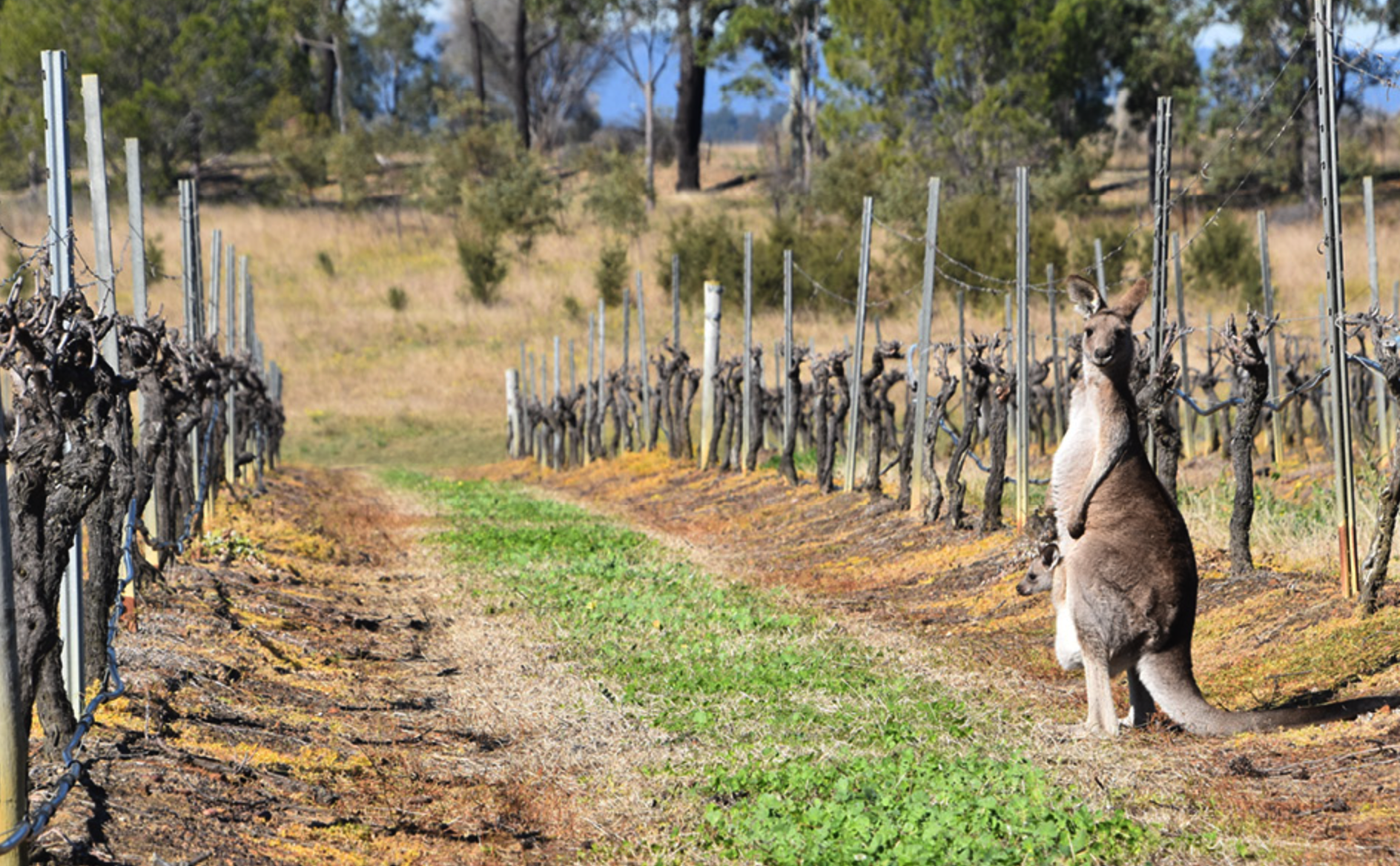
The Australian ‘Black Summer’ of 2019/20, which saw bushfires destroy swathes of vineyard land across the country was a dramatic reminder of the growing challenges facing winemakers around the world. We spoke to leading Australian winemakers and lab technicians to find out how agile decision-making is helping to deal with the consequences of global warming. Offering alarming proof of the escalating effects of climate change, in November 2019 bushfires blazed through New South Wales, scorching more than five million hectares of land following Australia’s hottest and driest year on record. In December 2019, the fires swept through the Adelaide Hills, destroying 650 ha of vines in the region, and wiping out entire vineyards. Making matters worse, the smoke from the fires was far-reaching, rendering vineyard plots from Canberra to the Hunter Valley useless. Ravaging an estimated 24.3 million hectares of land in total and destroying over 3,000 buildings, the September 2019
00
September 16, 2022

Afternoon Brief, September 16th
Price Hikes Turn Off Wine Country Visitors: Tasting room visits to West Coast wineries, after rebounding in 2021, are way down this summer compared to pre-pandemic numbers, according to a survey of 400 wineries released last week by a company called Community Benchmark....
00
In our 2020 webinar series, Enartis USA collaborated with researchers from the Australian Wine Research Institute (AWRI) and Cornell University as well as renowned polymer expert George Crochiere to present and discuss current research on causes of shelf-life issues in canned wine. In this next canning webinar, we will share results on an extensive canned wine shelf-life trial conducted over the past 10 months, as well as some new insights and ideas into further improving shelf life in canned wine. Please join us for this brief 40-minute webinar where we will discuss and present data on the following: Impact of four important modalities on canned wine shelf life Results from a winemaker tasting of the trial wines New ideas for innovating and improving this wine segment WATCH NOW
10
.jpg)
November 11, 2020
Fill the jacket with cold glycol, hold for a period of time to transfer heat and then replace it with fresh coolant. Good money is required to cool glycol so why only get a partial return with a constant flow? If you were to introduce pulse cooling tomorrow you would be on the way to halving your refrigeration load for the entire year including vintage. If you were to add VinWizard Load Scheduling (synchronized off-peak cooling) you would easily show a 30% to 50% reduction in refrigeration power consumption. Add some pump control and you will do even better. PULSE COOLING BENEFITS The glycol is stationary when doing its work which is more efficient than with a constant flow. The glycol does not need to be as cold because of a more efficient heat transfer. The return glycol is much warmer than normal and will be returned to the chiller in bursts, so the chiller works more efficiently to bring it back down to temperature. The fluctuations in temperature cause convection in the tank which
00
May 18, 2020
Canned wine is one of the fastest growing market segments in the wine industry. While this packaging offers a new way for consumers to enjoy wine in a more convenient and portable way, there are things winemakers need to consider when deciding to put wine in a can. One of the major challenges with canned wine is the evolution of reduction after some time in the can. In order to further strengthen this market and inform winemakers about how to prepare wines for canned packaging, Enartis USA is hosting a collaborative webinar with industry experts on canning. This webinar will feature the following presenters to discuss topics related to canning:
George Crochiere An expert in polymer use for liners in many food applications, George will outline some characteristics of wine can liners and why they are so important for canned wine shelf life.
Neil Scrimgeour Senior Scientist for the Australian Wine Research Institute (AWRI), Neil has conducted several experiments related to canned
00