
Filter Post Type
NewsVideoProductEventLink
Sort:
Most Recent
1–9 of 9


Winemakers are no strangers to natural challenges but now faced with a unique combination of climactic and economic pressures, they’re on the hunt to expand and evolve their toolkits. In response, the team at LAFFORT brought key results from more than 70 trials conducted in the last year to winemakers and industry professionals along the West Coast. The 2026 Rendezvous commenced in Paso Robles, Calif. on April 28 before heading north to Santa Rosa, Calif. and Newberg, Ore., in the same week. Event organizer Lisa Strid shared that the program for this year’s Rendezvous was designed to directly address the top challenges facing winemakers today—costs, efficiencies, and combatting unexpected weather—and deliver information that was immediately applicable in the winery. LAFFORT, in addition to supplying yeast, tannins, enzymes and other fermentation products, expanded into oak and barrel alternatives with Nobile, aromatic and flavor enhancements with Essencia, and laboratory equipmen
00


The global bulk wine market is heading into the second quarter of the year looking more ‘normal’ than it has done for some months: rather than each market united in slowness, some have seen an uptick – however slight – in activity (Chile and California), some are unable to meet demand on at least some wines due to short harvests and/or limited carryover (Italy and South Africa), and some markets are mainly slow because of buyer perceptions that prices are elevated (Argentina, Italy, Spain). Buyer interest is there, it is simply price and volume-sensitive during what remains a fragile period for the global economy. There have been strong indications that China will be repealing its import tariffs of up to 218% on Australian wine imports in the coming days or weeks, and there is a hope in other producer countries that the draining of some ultra competitively-priced Australian red wine into the Chinese market will help stabilise red wine demand and buyers’ pr
00

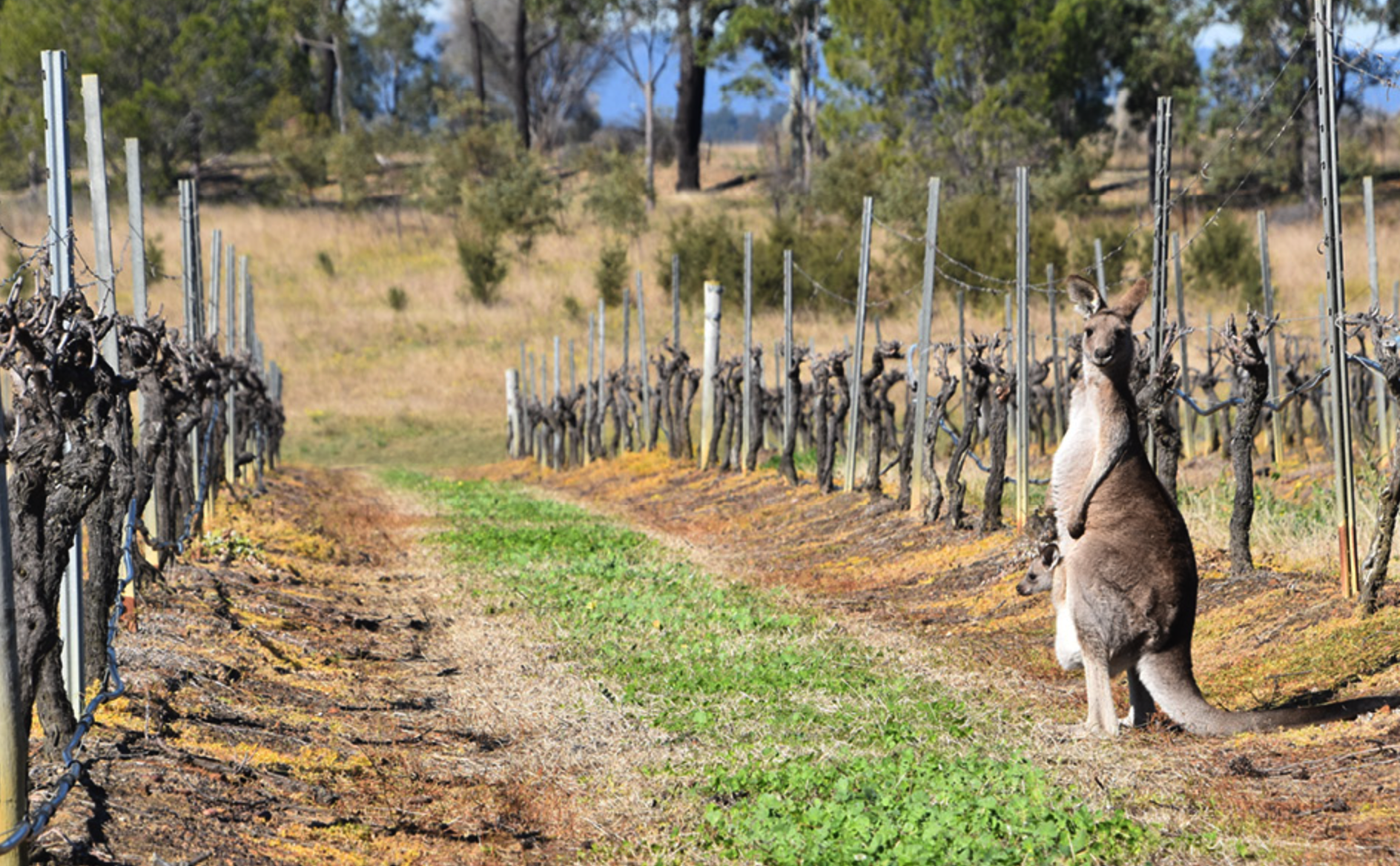
The Australian ‘Black Summer’ of 2019/20, which saw bushfires destroy swathes of vineyard land across the country was a dramatic reminder of the growing challenges facing winemakers around the world. We spoke to leading Australian winemakers and lab technicians to find out how agile decision-making is helping to deal with the consequences of global warming. Offering alarming proof of the escalating effects of climate change, in November 2019 bushfires blazed through New South Wales, scorching more than five million hectares of land following Australia’s hottest and driest year on record. In December 2019, the fires swept through the Adelaide Hills, destroying 650 ha of vines in the region, and wiping out entire vineyards. Making matters worse, the smoke from the fires was far-reaching, rendering vineyard plots from Canberra to the Hunter Valley useless. Ravaging an estimated 24.3 million hectares of land in total and destroying over 3,000 buildings, the September 2019
00


Afternoon Brief, July 24th
Livermore Winery Owner Dies After Car Crash: A two-car collision Friday afternoon resulted in the death of a 59-year-old man, the Livermore Police Department said. The driver was identified as Mitchell Katz, the Alameda County Coroner’s Office confirmed to KRON4. Katz was the owner of Mitchell Katz Winery in Livermore...
Mitchell Katz WineryMarchesi FrescobaldiMauritson Farms IncTemecula Valley Winegrowers AssociationFree Flow WinesLodi WineSherry-LehmannWashington State Wine CommissionAustralian Vintage LimitedSpringfield EstateSevenfiftyVinovate Custom Wine ServicesShare a Splash WineCanSourceAdmeo IncWineshippingBarrelWise TechnologiesTree Fort WinesHALL WinesMerriam VineyardsBridge Lane WineC. Mondavi & FamilyValdo
00

October 21, 2022

Australian Vintage Limited (AVL), one of the largest global wine producers committed to quality grape and wine production, has chosen InnoVint as its vineyard and winery management software to advance AVL’s viticulture and wine production operations. “AVL needed a modern, feature-rich, and fully mobile winery system to take our winemaking process to the next level while contributing to our sustainability journey with paperless digital adoption. InnoVint was the clear choice for us as it encapsulated all these requirements while also delivering one of the best user interfaces we have seen on any software,” says Josh Gibbons, CIO at AVL. “We’re thrilled to find such an innovative, sustainability-focused wine partner to enhance our global enterprise business. Our visions perfectly align. We both have a deep passion and enthusiasm for the value great technology can bring to winery efficiency, quality management, and profitability,” says
00

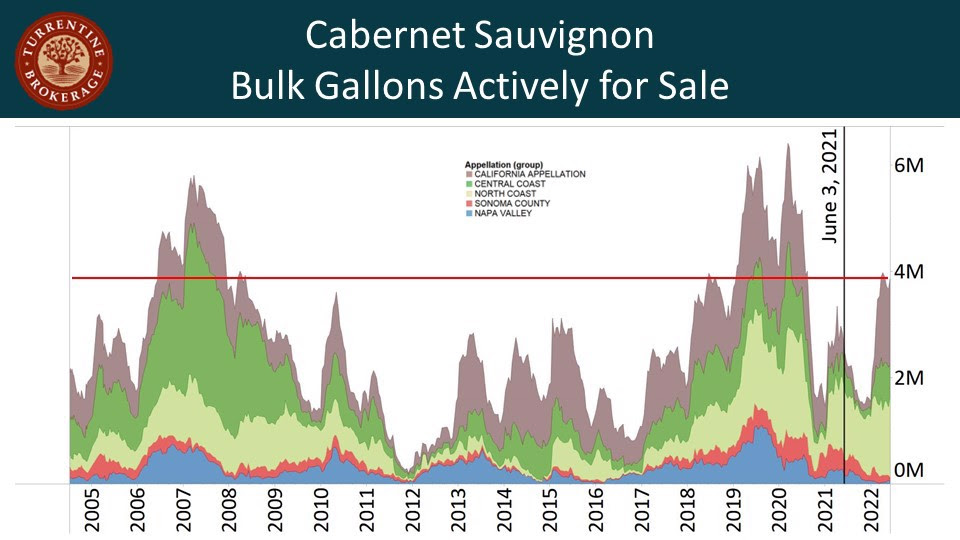
Decision-making on the sourcing of bulk wine and grapes continues to get more complex and difficult. April frosts in the Lodi/Delta, and in other regions of California to a lesser extent, added another challenging variable to the year. As of now, it appears the reduction in supply due to the frost affected Chardonnay and Pinot Noir in these regions the most. Time will provide a clearer picture of the 2022 crop size. In fact, recent crop projections are generally more positive than the initial forecasts after the frosts, but there is still uncertainty as to the extent of the damage. In the North Coast and other parts of California, the frost will likely have less of an impact. Bulk markets have slowed, returning to a more typical seasonal pace following 18 months of heightened demand, but still remain active. The typical spring slowdown is due to wineries assessing crop size and projected sales trends to inventories. It is more complicated this year for a few reasons. The first variable
00
The wine industry heads to the first ProWein fair in three years experiencing – like every other industry – inflationary costs, a global supply chain crisis, and a shortage of dry goods. It is undoubtedly a difficult environment in which to do business, and fairs like ProWein can provide an important opportunity to gain clearer visibility of market pitfalls and thrash out workarounds in person – even before one takes into account the fact that, for two years, having such meetings has been very difficult due to the pandemic. See our ProWein Preview this month for more details. The OIV’s latest ‘State of the World Vine & Wine Sector’, published in April, gave a preliminary global wine production figure for 2021 of 260 million hectolitres, in line with 2020 and slightly down from the ten-year average, with good-sized Southern Hemisphere crops offsetting the impact of spring frost in Europe. Global consumption, meanwhile, was estimated at 236 m
00

by Steve Fredricks We are now well past a relatively uneventful and smaller harvest, particularly in the North Coast, mask mandates have been lifted in most areas, and on-premise sales continue to rebound. Overall, the industry seems to be a taking a collective deep breath to assess the current market dynamics, but remains unable to relax totally or look too far ahead. The market disruptors of Covid-based channel shifting on the consumer side and short crops from drought and fires on the supply side have been exacerbated by geo-political, supply chain, and inflationary issues. The net effect is that supply excesses are down and more in balance to demand. In many ways it feels like the market is more ‘normal’ than it has been for quite some time. At the same time, one must ask: Is this really a return to normalcy, or are we adapting to new normals? This issue will focus on what we are currently seeing in the bulk wine and grape markets, and will offer an early look at the So
00

An unseasonably damp summer in many growing areas of Chile (a rainy January followed by nearly three weeks of mist/fog in February) and Argentina (10 weeks or so of lingering rainfall) has raised concern about their respective 2021 vintages, pushing up prices on the 2020 wines and further reducing already limited availability. Consequently, Spain and South Africa are receiving increased buyer interest. Spain – with a wine stock recently estimated at 75.33 million hectolitres – is globally competitive on all bulk wines and, for European buyers, particularly so on generics. South Africa can offer good availability on 2020 wines at an excellent price/quality ratio, while its vintage 2021 is running smoothly following excellent growing conditions without weather extremes. Looking ahead to Spain’s harvest this year, a snowy January – 50% more precipitation than in a normal year – bodes well for groundwater reserves. California, meanwhile, has been e
10