
Filter Post Type
NewsVideoProductEventLink
Sort:
Most Recent
1–10 of 24


Winemakers are no strangers to natural challenges but now faced with a unique combination of climactic and economic pressures, they’re on the hunt to expand and evolve their toolkits. In response, the team at LAFFORT brought key results from more than 70 trials conducted in the last year to winemakers and industry professionals along the West Coast. The 2026 Rendezvous commenced in Paso Robles, Calif. on April 28 before heading north to Santa Rosa, Calif. and Newberg, Ore., in the same week. Event organizer Lisa Strid shared that the program for this year’s Rendezvous was designed to directly address the top challenges facing winemakers today—costs, efficiencies, and combatting unexpected weather—and deliver information that was immediately applicable in the winery. LAFFORT, in addition to supplying yeast, tannins, enzymes and other fermentation products, expanded into oak and barrel alternatives with Nobile, aromatic and flavor enhancements with Essencia, and laboratory equipmen
00

Maintaining wine balance in a changing climate Climate change is reshaping the wine industry. In many wine regions, each year seems to set new records for the hottest or driest growing season, followed by the earliest harvest dates yet. Such accelerated ripening is disrupting grape physiology; phenolic and aromatic development fall out of sync, sugar levels soar, and acidity drops away (1). So how can we adapt and build a more resilient wine sector? The answer to this question is multifaceted. In the vineyards, grape growers are rethinking their management practices, adjusting canopy architecture, introducing shading or optimising irrigation (1,2). Some are reaching for higher altitudes or moving further from the equator in search of cooler conditions (1). Others are trialling alternative heat- and drought-tolerant varieties, from long-forgotten cultivars to newly bred plant material. In the cellars, winemakers may turn to pragmatic solutions such as dilution or blending strategi
00


Afternoon Brief: How Benchmark Wine Group Became a $45M Rare Wine Powerhouse
As much of the wine retail industry is struggling amid flat sales and shifting consumer preferences, one company stands apart: Benchmark Wine Group...
Benchmark Wine GroupBusiness of DrinksWillamette Valley VineyardsDelicato Family WinesFrancis Ford CoppolaAuction Napa ValleyNapa Valley VintnersMartin Ray Vineyards & WineryViva Wine GroupDelta WinesAustralian VintageLondon Wine FairRavenswood WineryWillamette Valley Wine AuctionWineAmericaPetaluma Gap WinegrowersShare & Pair SundaysSpottswoode Winery
00
May 19, 2025
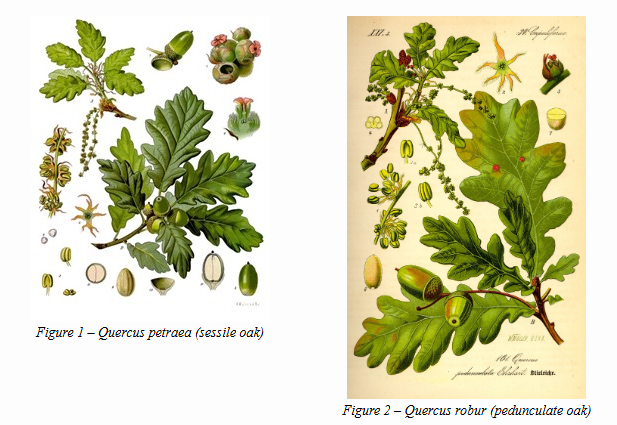
Introduction Coopers have long recognized the importance of forest origin in shaping the sensory qualities of wine, yet relatively little research has been conducted to understand the underlying factors driving these effects. With access to oak sourced directly from several prestigious and historically significant French forests through our company-owned stave mill in northeastern France, we saw a unique opportunity to investigate how forest terroir contributes to wine expression. This study was conducted for our TW Boswell brand of French oak barrels and aimed to evaluate whether specific forest origins impart distinct chemical and sensory characteristics to wine. We selected three single-origin forests – Allier, Tronçais, and Nièvre and a blend composed of Bertranges, Bercé, and Russy – to compare the influence of each on wine aged in barrels crafted with TW Boswell’s proprietary toasting profiles. Our goal was to better understand the role of f
00
April 7, 2025
NAPA, Calif. (Apr. 7, 2025) – Cooperages 1912 is committed to supporting wine barrel clients through the evolving tariff environment with a multi-faceted strategy designed to promote stability, continuity, and long-term partnership. As part of their commitment to build enduring relationships based on trust, transparency, and shared success, they are implementing the following measures: Cooperages 1912 to Offset Tariffs on Imported Barrels In a proactive move to protect clients from added financial pressure, Cooperages 1912 will not pass on the 20% tariff on EU-imported goods for their French-made barrels – Tonnellerie Quintessence, Tonnellerie Tremeaux, Maison Moussié. The company will also absorb the 10% tariff on Australian-imported goods for their Heinrich Cooperage barrels made in Australia. This initiative ensures Cooperages 1912 clients can continue sourcing from their premium global barrel portfolio without disruption and will remain in effect througho
00
November 11, 2024
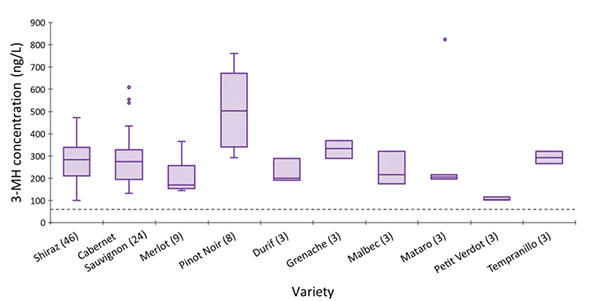
One impact of global warming is warmer growing seasons and heat waves that result in slightly higher alcohol content and more ripe, concentrated flavors. Growers often leave red grapes on the vine longer to build deeper color, richer tannins, and more intense, complex flavors. The downside of this solution is that it can shift the wine profile toward prune or jammy characteristics while losing the fresh fruit notes. The loss of these aromatic notes may make the wine less appealing to consumers, as there is a rising preference for freshness, illustrated by the growing trend toward drinking white wines. That freshness factor can be attributed to thiols, which play a significant role in the aromatic intensity of red wines. Recent studies, including research conducted by the Australian Wine Research Institute (AWRI) in 2019, have shown that red wines, like whites and rosés, contain thiols. These compounds, particularly 3MH (mercaptoethanol), bring freshness and notes
00
Today's #winebiz news for #wineindustry professionals... $1.2 Million Spent on Controversial Wine Subsidy Program from January to March After months of silence, the Nova Scotia government finally revealed the total figure spent on a wine subsidy program that caused many of the province’s winemakers to feel sour…
Bill DeemKimberton WinesDidier ChopinMount Veeder VineyardBenovia WineryGood PressPress Democrat Journalism TrustHoopes WineryThe Brewers AssociationBob PeaseBarossa VineyardAustralian VintagevinSuiteFisher VineyardsQuintessaVeritas WinesAppassionata EstateBenton-Lane WineryMadrigal Family WineryAudeant WinesNysa VineyardTorii Mor
00

Afternoon Brief: California Winemaking Is at a Dangerous Crossroads
California's vineyards are on the verge of crisis. Vine disease is rampant, labor costs are exploding, and the climate is getting hotter, sometimes wetter, certainly weirder...
Karen MacNeilSilicon Valley BankGALLOBreathless WinesMitchell Katz WineryAmerican Vineyard FoundationHalter RanchEnolynticsSignorello EstateIdlewild WinesArmida WineryVintners InstituteOutshineryInnoVintSaxco InternationalOvershine Wine CoWillamette Valley VineyardsColumbia DistributingTreasury Wine EstatesGrasing WineryAustralian Vintage
00

May 31, 2024
In partnership with the Napa Valley Grapegrowers, ETS Laboratories has been building a database of grape samples to help growers and winemakers better understand smoke impacts on winegrapes, work with insurance companies to protect their assets, and create individual baselines for the varieties in their vineyards. Since the program launched in 2021, this effort has helped to inform the global methodology around smoke taint testing. Following the catastrophic wildfires of 2020, the winegrowing community expressed interest in an extended list of analytical markers of smoke exposure, however two challenges were identified. The first challenge was with a class of markers known as “glycosylated” or “bound” compounds. Until the Fall of 2020, reference standards were not available for these types of compounds, and there was not consensus between specialists about which ones to measure. ETS Laboratories worked with the Wine Institute Technical Committee, the Austr
00

Afternoon Brief, May 7th
New Oklahoma Law Says Businesses No Longer Need to Check ID’s Before Serving Alcohol: Under the law, sellers can still be held responsible for selling or serving alcoholic beverages to a person under 21...
Appellation AcademySunset Intl. Wine CompWilliam Cole WineryCarlisle VineyardsHalf Moon Bay Downtown AssociationCHO WinesMt. Hope WineryOlé & ObrigadoWine on WheelsProWineAustralian VintageVinepairAmorim CorkCraft Beverage Expo & ConferenceDonum EstateAmcor CapsulesLiberation Distribution IncClevertech North America IncvinSUITEGainey Estate VineyardsGrtWinesTitle XMister CartoonTansy WinesBass Phillip
00