
Filter Post Type
NewsVideoProductEventLink
Sort:
Most Recent
1–10 of 29


Winemakers are no strangers to natural challenges but now faced with a unique combination of climactic and economic pressures, they’re on the hunt to expand and evolve their toolkits. In response, the team at LAFFORT brought key results from more than 70 trials conducted in the last year to winemakers and industry professionals along the West Coast. The 2026 Rendezvous commenced in Paso Robles, Calif. on April 28 before heading north to Santa Rosa, Calif. and Newberg, Ore., in the same week. Event organizer Lisa Strid shared that the program for this year’s Rendezvous was designed to directly address the top challenges facing winemakers today—costs, efficiencies, and combatting unexpected weather—and deliver information that was immediately applicable in the winery. LAFFORT, in addition to supplying yeast, tannins, enzymes and other fermentation products, expanded into oak and barrel alternatives with Nobile, aromatic and flavor enhancements with Essencia, and laboratory equipmen
00
January 20, 2026

Presented by Vineyard Team, the Sustainable Winegrowing Podcast continued to be a go‑to resource for vineyard and winery professionals, delivering timely, practical insights straight from researchers and growers shaping the future of sustainable viticulture. From hybrid grapes and soil health to AI‑driven climate strategies and market dynamics, last year’s five most listened‑to episodes offered information listeners can apply immediately in their operations. Beyond Foxy: The Case for Hybrid Winegrapes Episode 274 | Listen now Forget everything you thought you knew about hybrid grapes. Adam Huss (Centralas Cellars) makes the case for these resilient, quality-driven varieties and why they’re gaining traction in a warming world. Fungicide Resistance in Powdery and Downy Mildew: 10 Years of Vineyard Research Episode 278 | Listen now Ismail Ahmed Ismail (South Australian Research and Development Institute) unpacks a decade of data on fungicide resist
00

Maintaining wine balance in a changing climate Climate change is reshaping the wine industry. In many wine regions, each year seems to set new records for the hottest or driest growing season, followed by the earliest harvest dates yet. Such accelerated ripening is disrupting grape physiology; phenolic and aromatic development fall out of sync, sugar levels soar, and acidity drops away (1). So how can we adapt and build a more resilient wine sector? The answer to this question is multifaceted. In the vineyards, grape growers are rethinking their management practices, adjusting canopy architecture, introducing shading or optimising irrigation (1,2). Some are reaching for higher altitudes or moving further from the equator in search of cooler conditions (1). Others are trialling alternative heat- and drought-tolerant varieties, from long-forgotten cultivars to newly bred plant material. In the cellars, winemakers may turn to pragmatic solutions such as dilution or blending strategi
00

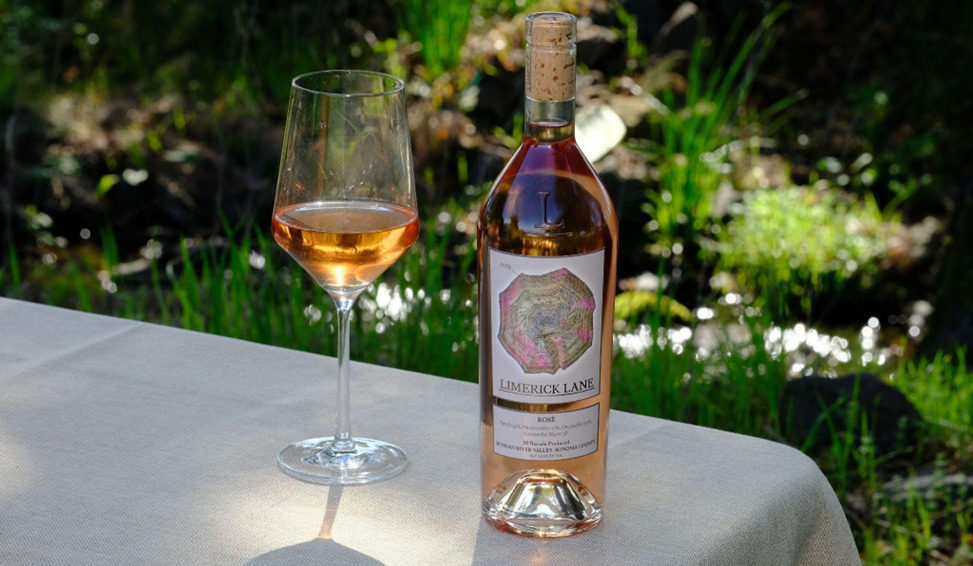
Why Is Glass Bottle Packaging Important? Wine can be packaged in a variety of ways; however, consumers continue to prefer the conventional glass bottle packaging format, which is by far the most popular. Although glass bottle packaging has less flexibility in its ability to capture attention than labels , it can still convey a lot of information to the consumer and increase brand standout in-store. Purchasing wine is seen as having a high level of risk. People don’t want to risk purchasing wines that result in poor wine quality, financial risk, or social embarrassment. Therefore, consumers search for information when browsing in-store to lower risk: price, varietal, region, brand/winery, or in-store recommendation. The majority of people who aren’t particularly interested in wine conduct their informational searching in-store and rely primarily on visual cues. A customer is more likely to buy wine if they recognize the brand name or have already tried it. Factors like
00
May 19, 2025
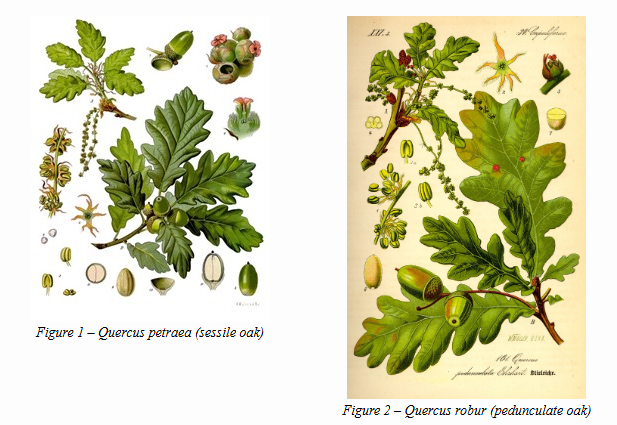
Introduction Coopers have long recognized the importance of forest origin in shaping the sensory qualities of wine, yet relatively little research has been conducted to understand the underlying factors driving these effects. With access to oak sourced directly from several prestigious and historically significant French forests through our company-owned stave mill in northeastern France, we saw a unique opportunity to investigate how forest terroir contributes to wine expression. This study was conducted for our TW Boswell brand of French oak barrels and aimed to evaluate whether specific forest origins impart distinct chemical and sensory characteristics to wine. We selected three single-origin forests – Allier, Tronçais, and Nièvre and a blend composed of Bertranges, Bercé, and Russy – to compare the influence of each on wine aged in barrels crafted with TW Boswell’s proprietary toasting profiles. Our goal was to better understand the role of f
00
November 11, 2024
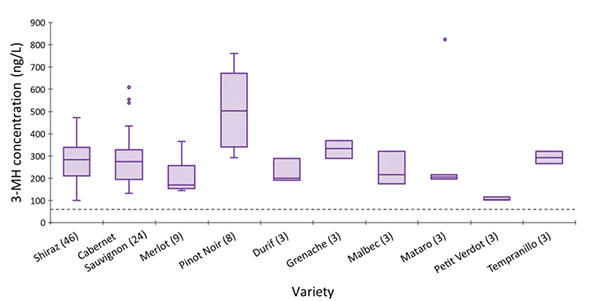
One impact of global warming is warmer growing seasons and heat waves that result in slightly higher alcohol content and more ripe, concentrated flavors. Growers often leave red grapes on the vine longer to build deeper color, richer tannins, and more intense, complex flavors. The downside of this solution is that it can shift the wine profile toward prune or jammy characteristics while losing the fresh fruit notes. The loss of these aromatic notes may make the wine less appealing to consumers, as there is a rising preference for freshness, illustrated by the growing trend toward drinking white wines. That freshness factor can be attributed to thiols, which play a significant role in the aromatic intensity of red wines. Recent studies, including research conducted by the Australian Wine Research Institute (AWRI) in 2019, have shown that red wines, like whites and rosés, contain thiols. These compounds, particularly 3MH (mercaptoethanol), bring freshness and notes
00

May 31, 2024
In partnership with the Napa Valley Grapegrowers, ETS Laboratories has been building a database of grape samples to help growers and winemakers better understand smoke impacts on winegrapes, work with insurance companies to protect their assets, and create individual baselines for the varieties in their vineyards. Since the program launched in 2021, this effort has helped to inform the global methodology around smoke taint testing. Following the catastrophic wildfires of 2020, the winegrowing community expressed interest in an extended list of analytical markers of smoke exposure, however two challenges were identified. The first challenge was with a class of markers known as “glycosylated” or “bound” compounds. Until the Fall of 2020, reference standards were not available for these types of compounds, and there was not consensus between specialists about which ones to measure. ETS Laboratories worked with the Wine Institute Technical Committee, the Austr
00
The global bulk wine market is heading into the second quarter of the year looking more ‘normal’ than it has done for some months: rather than each market united in slowness, some have seen an uptick – however slight – in activity (Chile and California), some are unable to meet demand on at least some wines due to short harvests and/or limited carryover (Italy and South Africa), and some markets are mainly slow because of buyer perceptions that prices are elevated (Argentina, Italy, Spain). Buyer interest is there, it is simply price and volume-sensitive during what remains a fragile period for the global economy. There have been strong indications that China will be repealing its import tariffs of up to 218% on Australian wine imports in the coming days or weeks, and there is a hope in other producer countries that the draining of some ultra competitively-priced Australian red wine into the Chinese market will help stabilise red wine demand and buyers’ pr
00

March 11, 2024
Afternoon Brief, March 11th
Digging Deeper into Wine's Vine-Pull Battle: Pulling up vines is an effective way to make sure growers can make a living - so who's stopping them?...
Press Democrat North Coast Wine ChallengeNapa Valley GrapegrowersNapa Valley VintnersPaso Robles Wine Country AllianceAuction of Washington WinesNorth Carolina Winegrowers’ AssociationCool Climate Oenology and Viticulture InstituteDomaine des Hospices de Nuits-Saint-GeorgesProweinWine AustraliaAustralian Grape and WineSevenfifty DailyColorado Association for Viticulture and EnologyMarin Sonoma Impact VenturesAmcor CapsulesWineGlass MarketingAmerican AgCreditCopper Peak LogisticsCrave Wine CompanyMcBride SistersFrank Family VineyardsAldi
00

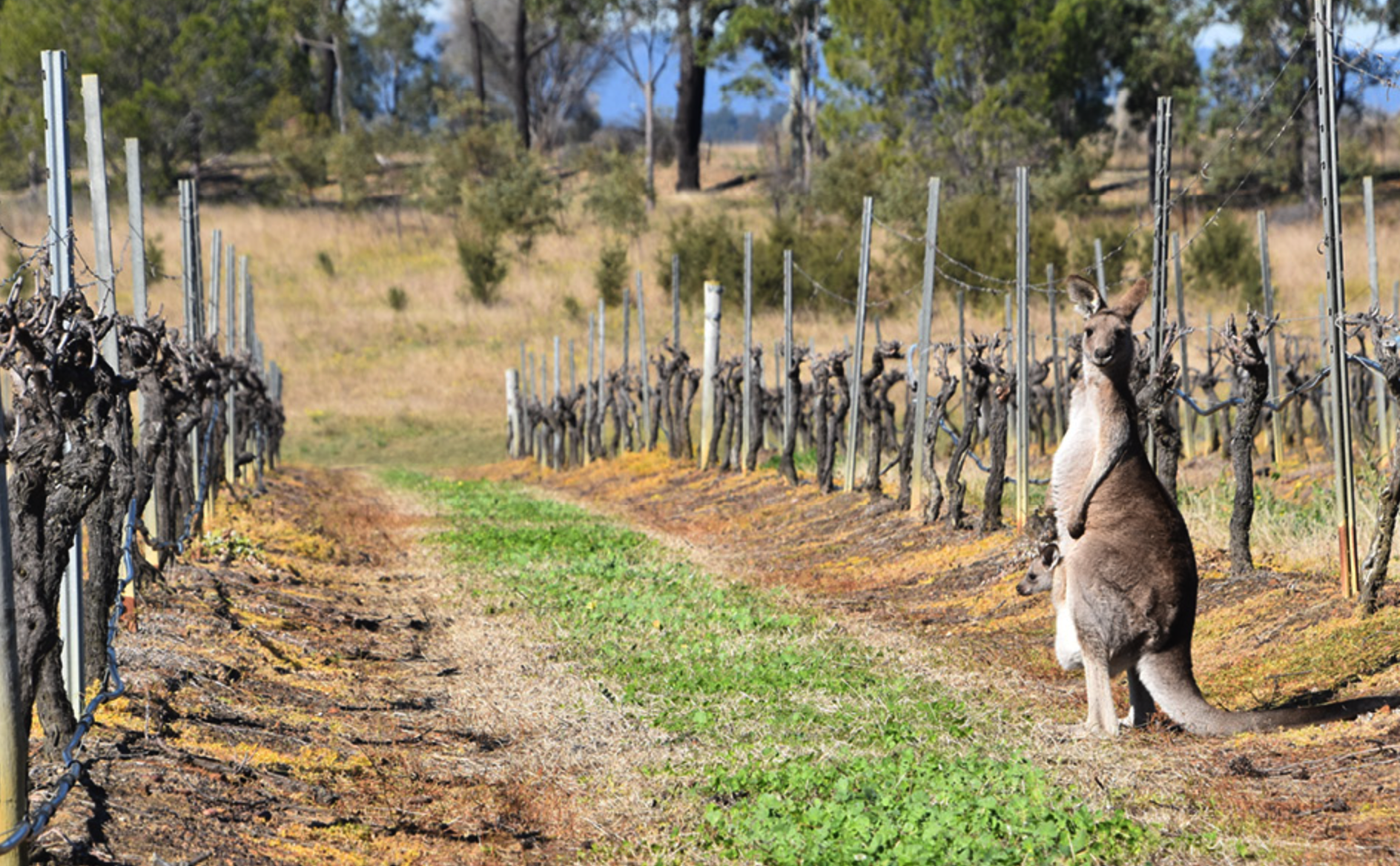
The Australian ‘Black Summer’ of 2019/20, which saw bushfires destroy swathes of vineyard land across the country was a dramatic reminder of the growing challenges facing winemakers around the world. We spoke to leading Australian winemakers and lab technicians to find out how agile decision-making is helping to deal with the consequences of global warming. Offering alarming proof of the escalating effects of climate change, in November 2019 bushfires blazed through New South Wales, scorching more than five million hectares of land following Australia’s hottest and driest year on record. In December 2019, the fires swept through the Adelaide Hills, destroying 650 ha of vines in the region, and wiping out entire vineyards. Making matters worse, the smoke from the fires was far-reaching, rendering vineyard plots from Canberra to the Hunter Valley useless. Ravaging an estimated 24.3 million hectares of land in total and destroying over 3,000 buildings, the September 2019
00