
Filter Post Type
NewsVideoProductEventLink
Sort:
Most Recent
1–10 of 30
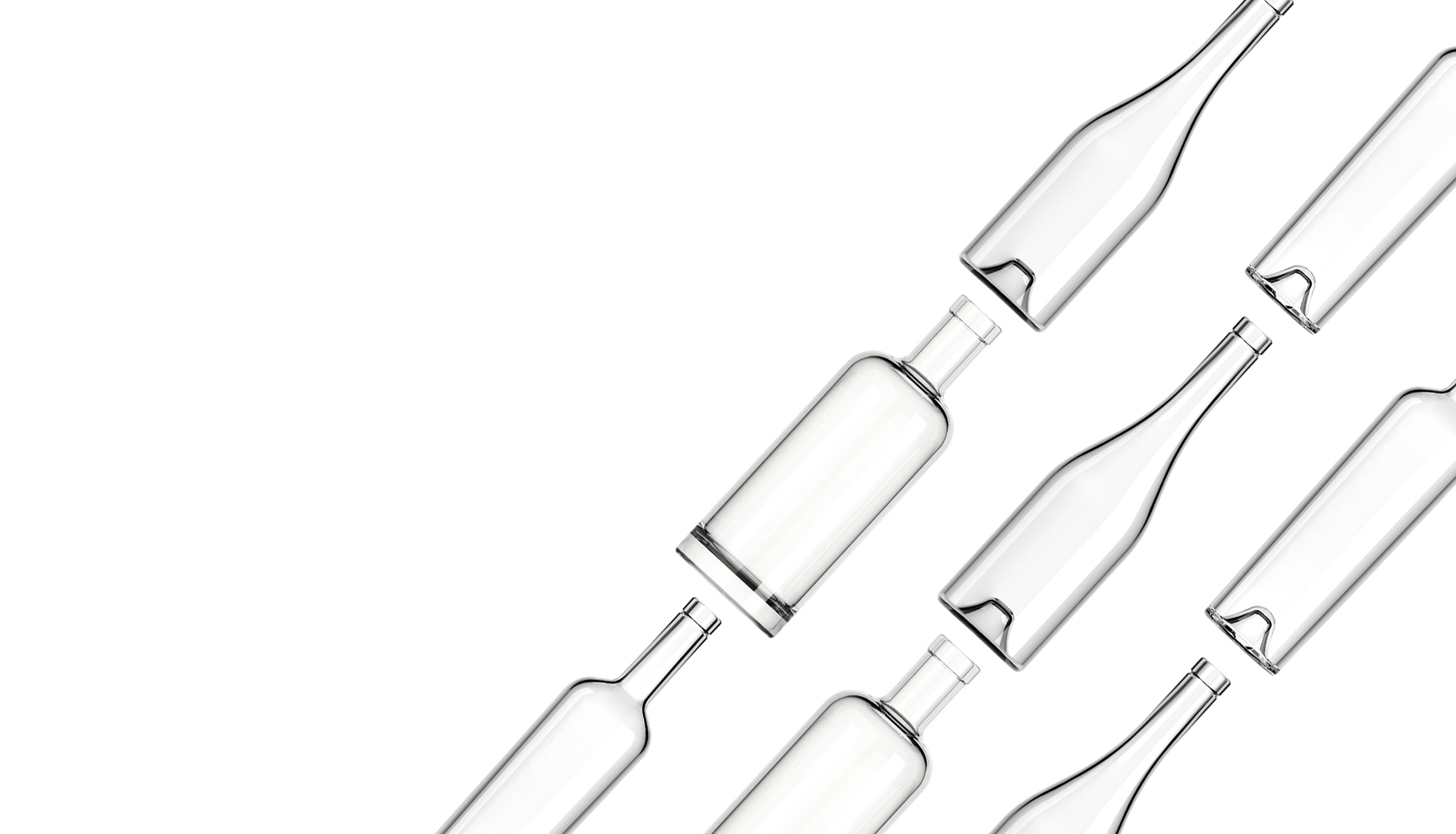
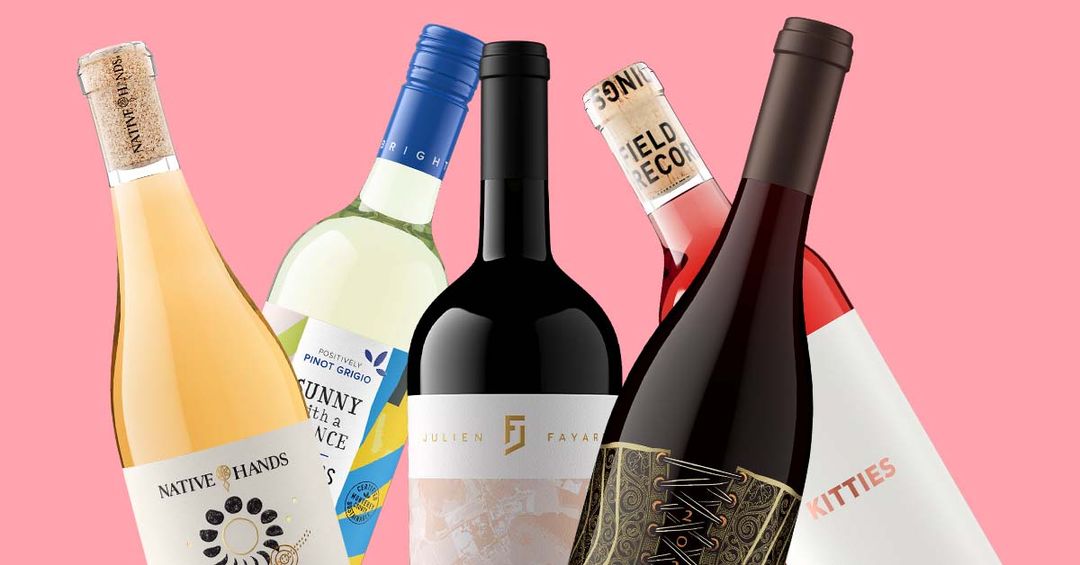
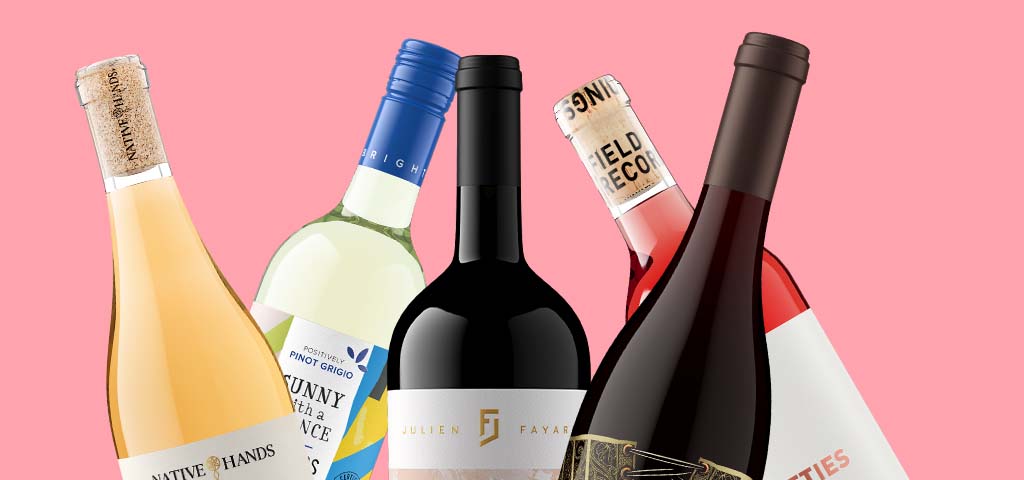
Why is wine packaging important? There are many different practical functions of wine packaging. First and foremost, it protects the wine and acts as a vessel to transport your wine from the winery to the customer. You want to ensure that your wine is of good quality and that the packaging facilitates optimal storage. Wine packaging also acts as a quality cue for consumers. You want the consumer’s eye and hand to be drawn to the bottle on the shelf, choosing your bottle over your competitors. “Shelf appeal” is one of the most important considerations when choosing packaging for your next project. 5 Ways to Improve Your Wine Packaging 1. Different sized wine bottles You are most likely familiar with the standard 750mL wine bottle. They are excellent for dinner parties and social gatherings where they can be shared and enjoyed with your friends and family. However, our society is drinking less – 18% less than in 2004. With many people choosing to drink less, there
00
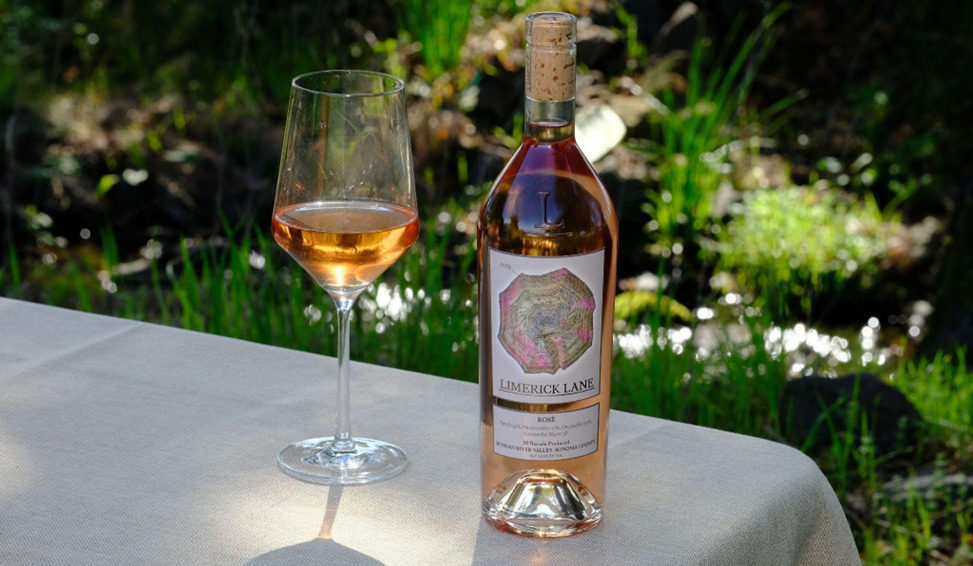
Why Is Glass Bottle Packaging Important? Wine can be packaged in a variety of ways; however, consumers continue to prefer the conventional glass bottle packaging format, which is by far the most popular. Although glass bottle packaging has less flexibility in its ability to capture attention than labels , it can still convey a lot of information to the consumer and increase brand standout in-store. Purchasing wine is seen as having a high level of risk. People don’t want to risk purchasing wines that result in poor wine quality, financial risk, or social embarrassment. Therefore, consumers search for information when browsing in-store to lower risk: price, varietal, region, brand/winery, or in-store recommendation. The majority of people who aren’t particularly interested in wine conduct their informational searching in-store and rely primarily on visual cues. A customer is more likely to buy wine if they recognize the brand name or have already tried it. Factors like
00
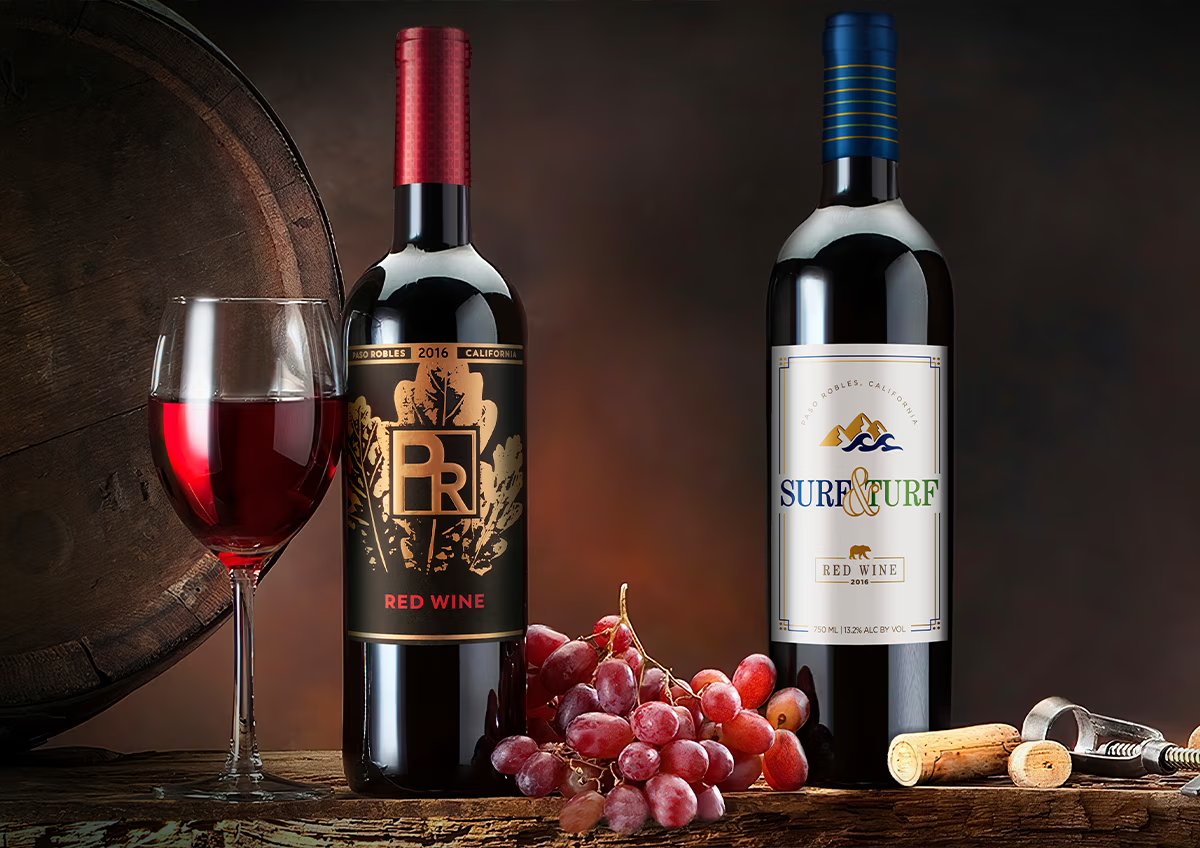
A look at the trends influencing wine packaging design & innovation. Introduction U.S. wine total volume is expected to remain relatively flat for the next several years, while value will grow due to price increases and the persistence of the premiumization trend. In the crowded and increasingly challenging wine market, effective package design can help a brand get noticed and appeal to consumers. This report looks at several key trends impacting wine package design, from authentic storytelling to interactive engagement to environmentally and socially responsible solutions. Authenticity According to a recent GlobalData study, three out of four consumers consider product/brand authenticity essential or nice to have when making purchase decisions. This attitude is especially true among older generations and higher-income earners, a key demographic for wine sellers. Authentic brands are perceived as genuine, original, and transparent, providing quality assurance and trust. Euromon
00
Winery marketing teams are in overdrive these days—accelerating efforts to attract younger consumers, growing wine club membership and elevating tasting room and online interactions for prospective visitors and buyers. In the end, effective communication to meet these goals is a must. Many small and mid-sized wineries have staffing limitations that make providing quality tasting room experiences and handling call-ins while also attending to texts, emails and online orders a daunting challenge. Evgeny Bazhutov founded WineSpot AI to help wineries fill this gap. “Before launching our automated support app, we spent eight months researching the U.S. winery market to assess automation levels in business processes, customer support structures and the key pain points wineries face. Through over 100 interviews with winery employees and business owners, we found that wineries producing up to 5,000 cases annually rarely have a dedicated support team—or even a singl
10

—Partnership helps deliver Best of Class Analytics in Winery DtC Platforms— (Calistoga, CALIF)— eCELLAR is thrilled to announce that Enolytics is now utilizing our open API to seamlessly bring eCELLAR data into their platform. This allows eCELLAR users to leverage Enolytics' advanced analytics tools to gain deeper insights into their DtC wine sales and customer base, empowering data-driven decision-making and business growth. The eCELLAR/Enolytics integration will deliver a host of benefits: eCELLAR users can easily analyze customer behavior and buying trends increased customer segmentation and hyper-personalization of offers. Augmented centralization of DtC marketing and operational insights More about the eCELLAR DtC and CRM platform is available at https://www.ecellar1.com. “eCELLAR and its team have already set the bar for winery CRM and e-commerce solutions—helping build stronger customer relationships, streamline operations, and the winery&rsqu
00

Embrace today's packaging trends to boost next year's wine sales, marketing, and engagement Wine label design is a crucial aspect of winery and wine brand marketing. By 2025, several trends and predictions are likely to shape the effectiveness of these designs in boosting sales. In this article, we explore some of these trends and how wineries can embrace them to stay ahead in the competitive wine market. Also, get bonus printing tips that can help plan for label design success. Short summary The future of wine label design is evolving rapidly, and by 2025, several exciting trends will shape the industry. Sustainable packaging with eco-friendly materials will appeal to environmentally conscious consumers, while advancements in digital printing will allow for personalized and interactive labels. Authentic storytelling through visual elements and sleek, minimalist designs will create strong connections with consumers. Integration of smart technology and augmented reality wi
00

It’s Saturday, and I’m reading an article about the launch of Pepsi Co.’s new “Bubly Burst” product this week. The soft drink powerhouse is trying to shake up a previously vague market between sparkling water and sweetened soda with this new line of sweetened, 1% fruit juice, low-calorie, carbonic hydration with flavors. I take note, but it’s not the flavoring that piqued my interest. It’s the packaging. The Triple Threat It is not new that carbonated, flavored, adult beverages are fueling the “any-alcohol-is-bad-for-your-health” declaration by creating flavors like Bellini Bliss and offering recipes that are meant to encourage consumers to enjoy the flavors and creativity of craft cocktails without the alcohol. If we look at other adult beverages, we can see they are also leading the conversation around sustainability and innovation in packaging. In Pepsi’s case, they chose 16.9-ounce single-serve bottles of recycled pla
00
Embrace today's packaging trends to boost next year's wine sales, marketing, and engagement Wine label design is a crucial aspect of winery and wine brand marketing. By 2025, several trends and predictions are likely to shape the effectiveness of these designs in boosting sales. In this article, we explore some of these trends and how wineries can embrace them to stay ahead in the competitive wine market. Also, get bonus printing tips that can help plan for label design success. Short summary The future of wine label design is evolving rapidly, and by 2025, several exciting trends will shape the industry. Sustainable packaging with eco-friendly materials will appeal to environmentally conscious consumers, while advancements in digital printing will allow for personalized and interactive labels. Authentic storytelling through visual elements and sleek, minimalist designs will create strong connections with consumers. Integration of smart technology and augmented reality will of
00
April 8, 2024
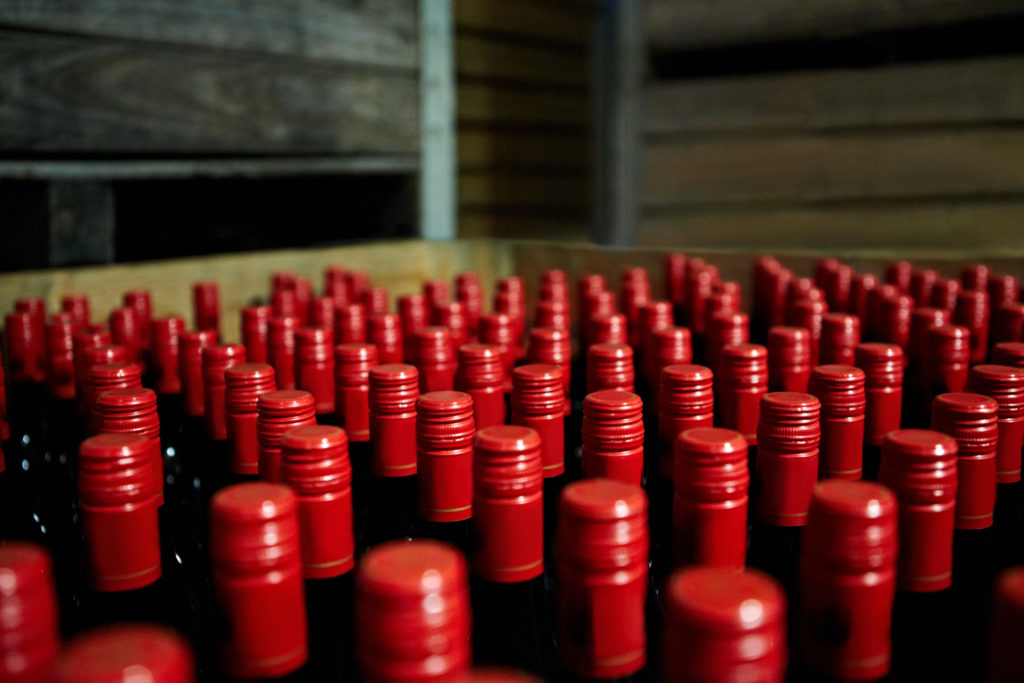
We are always in awe of the cool technologies our industry comes up with every year. We hear the buzz at trade shows like the DTCWS and read futuristic-sounding articles that round up what wineries around the world are doing. There are some neat things just on the horizon, and these things will particularly affect the kinds of wineries that come to us for help with their DTC shipping and fulfillment. Here, then, are some of the top trends and technologies we are seeing, and that we feel are poised to become common practice throughout the wine industry. Augmented Reality, Augmented Bottles Augmented reality is simply the idea of integrating digital information (and even digital interaction) right at the point where the user is already interacting with something in physical reality. While many augmented reality experiences started with clumsy-looking VR headsets and glasses, many simpler projects are taking root using just a smartphone and a QR code. Enter the augmented bottle. The
00
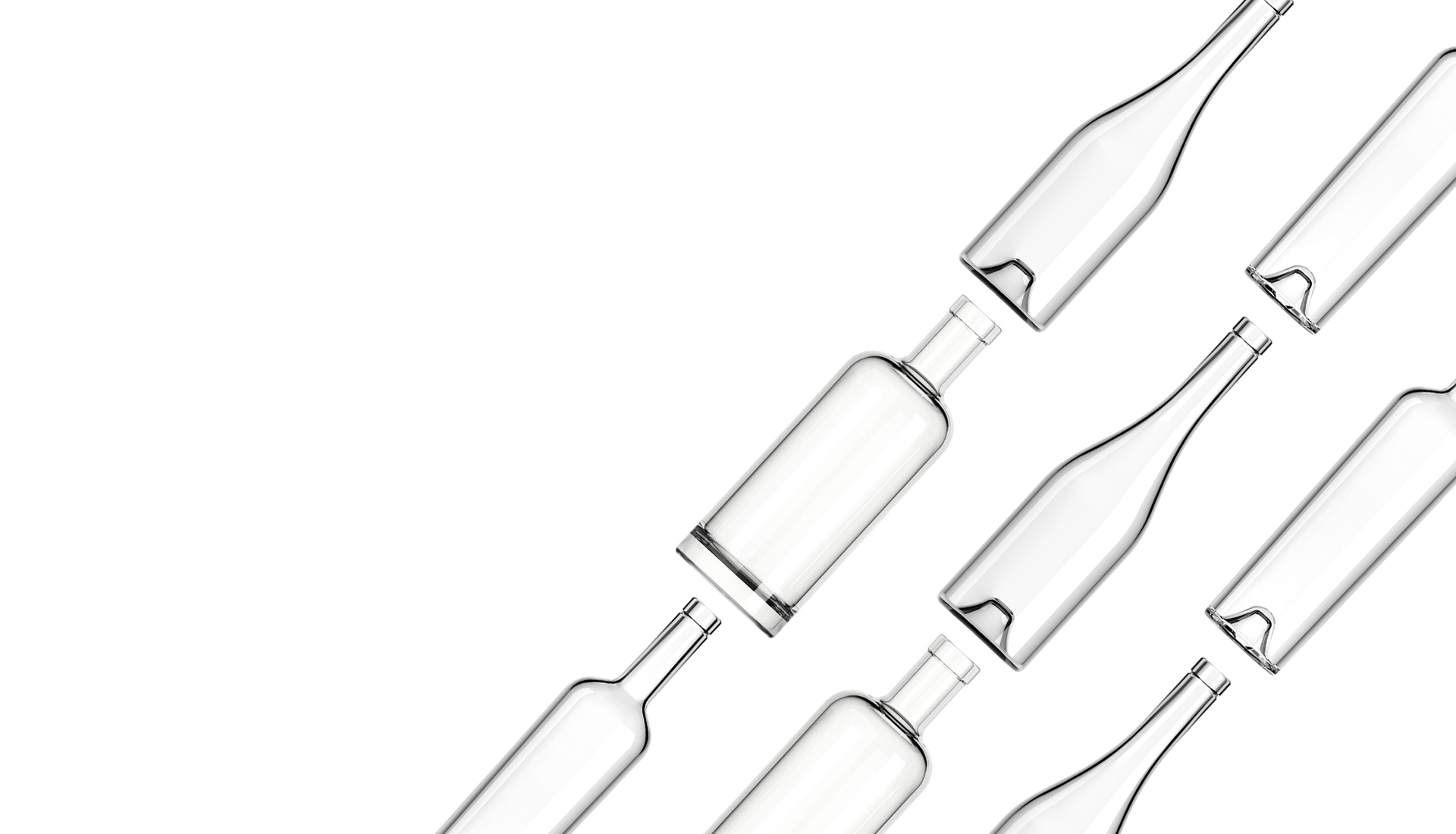
Why is wine packaging important? There are many different practical functions of wine packaging. First and foremost, it protects the wine and acts as a vessel to transport your wine from the winery to the customer. You want to ensure that your wine is of good quality and that the packaging facilitates optimal storage. Wine packaging also acts as a quality cue for consumers. You want the consumer’s eye and hand to be drawn to the bottle on the shelf, choosing your bottle over your competitors. “Shelf appeal” is one of the most important considerations when choosing packaging for your next project. 5 Ways to Improve Your Wine Packaging 1. Different sized wine bottles You are most likely familiar with the standard 750mL wine bottle. They are excellent for dinner parties and social gatherings where they can be shared and enjoyed with your friends and family. However, our society is drinking less – 18% less than in 2004. With many people choosing to drink less, the
00