
Filter Post Type
NewsVideoProductEventLink
Sort:
Most Recent
1–10 of 19

Sustainability in winemaking comes down to operational decisions. The right equipment can reduce refrigeration demand, lower water use, cut product loss, and simplify production flow without compromising wine quality. That is where BevZero’s equipment portfolio stands out: it addresses the day-to-day constraints wineries actually face during
beverage product development
, from cold stabilization and insulation to dealcoholization and wastewater management.
Key Takeaways
Wineries improve sustainability through systems, not one-off fixes.
BevZero distributes equipment that targets major production pain points, including energy-intensive refrigeration, water waste, and process inefficiency.
ClearAlc supports lower-impact dealcoholization.
The system uses a single-pass vacuum distillation process designed for high energy efficiency, low operating temperatures, and minimal water use.
Tank-level efficien
00


This newsletter highlights the evolving role of clarification in modern winemaking, where the process has shifted from a routine operation to a strategic tool that shapes sensory definition and long‑term stability. Advances in technology and changing production priorities have prompted wineries to seek more selective, sustainable approaches to protein stabilization. Featured in this issue is the Enartis CLARIL range, developed to deliver precise, minimal‑impact clarification while significantly reducing reliance on traditional bentonite. Recent research and winery trials demonstrate how CLARIL formulations enhance aromatic expression, improve filterability, support oxidative protection, and maintain wine brightness without compromising stability. The content also examines the performance of CLARIL ZW and CLARIL ZR across white, rosé, and red wines, presenting data-driven comparisons that illustrate substantial efficiency gains and reduced sensory impact. Additional emphasis is g
00

Dry January is no longer just a health challenge or a new-year reset—it’s a global movement. But here’s the kicker: savvy brands know that real success in the no- and low-alcohol (No/Low) category comes from building momentum well beyond one month. At BevZero, we help our clients turn the buzz of January into a sustainable, year-round beverage strategy using expert product development, cutting-edge dealcoholization services, and full-spectrum beverage solutions. Let’s talk about how. Why Dry January Is Only the Beginning Dry January consistently delivers a spike in consumer interest, online searches, and sales for No/Low products—especially non-alcoholic wines, beers, and spirits. But interest doesn’t flatline in February. In fact, there are multiple high-impact moments throughout the year where brands can meet growing demand: Spring (March – May): Holidays like St. Patricks, Easter, and Mothers Day can be a great time to provide low or no
00

To select the best filtration system, it's important to understand the unique demands at each step of the production process. Keep these factors in mind: 1. Consider Wine Type Different wine styles = different filtration needs. Sparkling wines, for example, often require filtration methods designed to preserve carbonation, while red wines benefit from gentler techniques to maintain tannins and phenolic compounds. A custom filtration system ensures that each variety maintains its intended flavor profile. 2. Define Filtration Objectives Your filtration strategy should align with your winery’s production goals and brand standards. While some wineries focus on achieving high clarity, others may prioritize microbial stability. Establishing these objectives upfront helps determine the most suitable filtration process for your winery. 3. Match Filters to Particle Size Selecting the right pore size is essential to effective fi
00

May 20, 2025

In the ever-evolving world of wine, tasting rooms have long been sacred spaces for sampling vintages and educating consumers about winemaking. But recently, the definition of what belongs in a tasting room has expanded beyond the conventional pour. Enter the world of alternative beverages—non-alcoholic wines, wine-based cocktails like Frosé, and low-alcohol spritzers. These trends are carving out significant space, appealing to younger generations, health-conscious consumers, and a broader range of visitors. The rise of alternative beverages in tasting rooms isn’t just a fleeting fad—it’s a response to shifting consumer preferences and lifestyle trends. The adaptability of tasting rooms to these new offerings is a testament to the industry’s resilience. The question now isn’t whether tasting rooms should adapt, but how they can complement the core identity of wine while capturing the attention of a broader audience. Changing Consumer Preferen
00

April 10, 2025
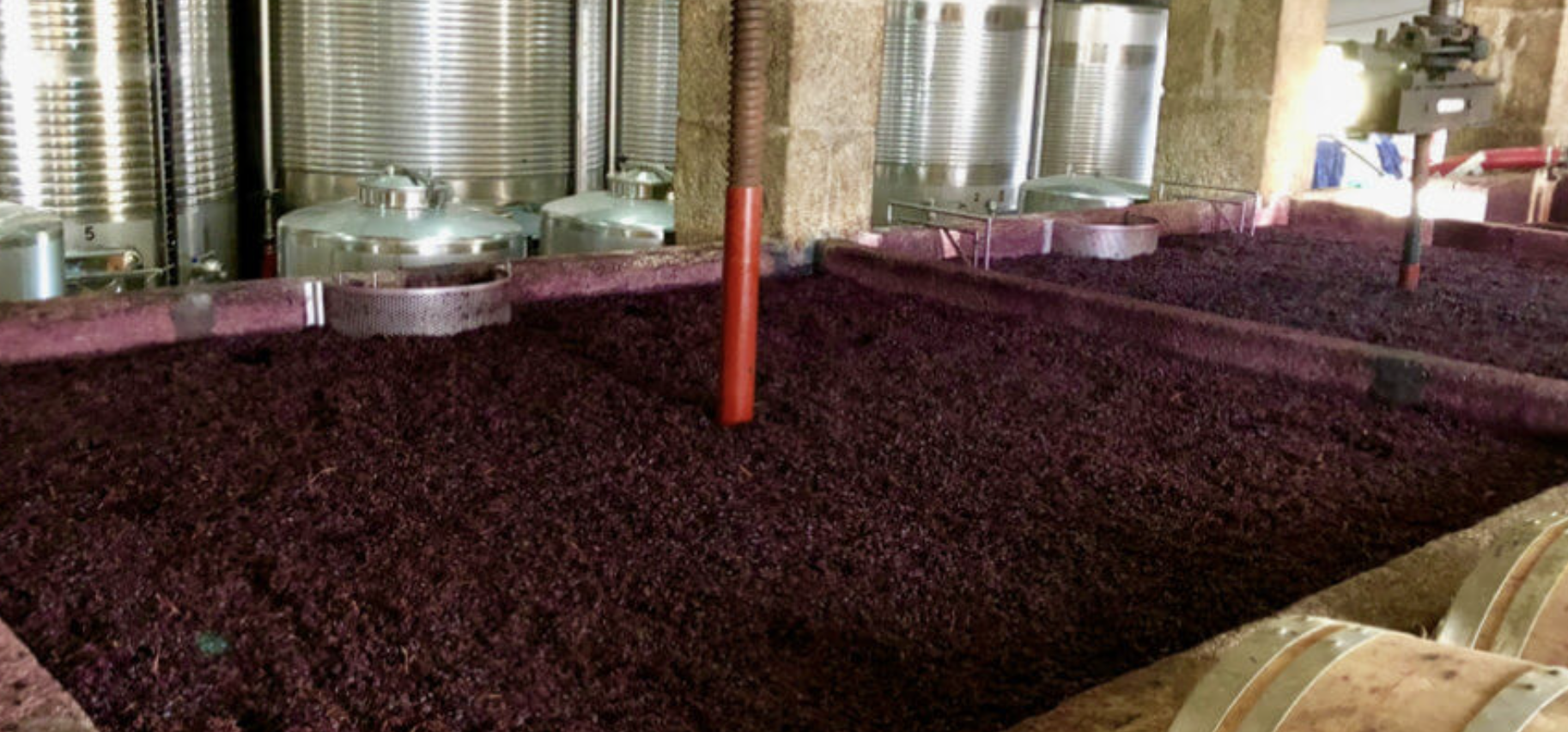
The process of making wine is deeply influenced by several factors, including grape fermentation, yeast strain, and fermentation temperature. Among these, temperature control methods are essential for achieving a well-balanced and high-quality finished wine. Attempting to ferment wine in extreme conditions (either too cold or too hot) can negatively impact the entire fermentation process, resulting in poor flavor development and an unbalanced profile. Understanding the best temperature for fermentation based on the type of wine being produced ensures that complex flavors, aroma retention, and structural integrity are preserved. What is the Best Temperature to Ferment Wine? Finding the best temperature for wine making is not a one-size-fits-all approach. Different wines require different conditions for fermentation, which is why winemakers must carefully monitor and regulate temperatures throughout the process. As a general rule, red wines ferment at higher temperatures for shorter per
00
October 14, 2024
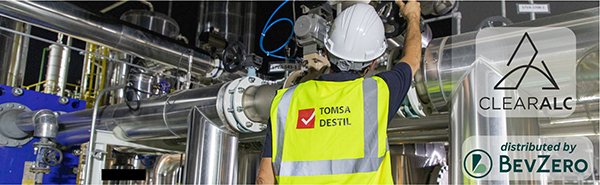
At BevZero, we believe that innovation is the key to unlocking the future of non-alcoholic beverages. The non-alcoholic beverage market is rapidly evolving, with new players entering the field and consumer preferences shifting. By offering the latest de-alcoholization technology, BevZero provides our customers the opportunity to create unique products that stand out for their taste, quality, and authenticity. Quality is at the heart of everything we do, and de-alcoholization is a delicate process that requires precision to maintain the flavors, aromas, and overall integrity of the beverage, so the technologies we sell play a crucial role in ensuring that our customers’ non-alcoholic products meet and exceed their expectations. Tomsa Destil – Our New Partner for the distribution of ClearAlc De-alcoholization Technology In our pursuit of excellence, we have identified Tomsa Destil as an exceptional partner to help us lead the next generation of de-alcoholization equipment. T
00

April 30, 2024
WEBINAR INVITATION: Rosé Winemaking: Essential Techniques and Strategies Rosé wines are defined by their color, elegance and freshness. The production of Rosé is delicate and requires controlled and technical winemaking. Regardless of the chosen style or method, specific stages in rosé production are crucial. This webinar will explore essential topics like: Strategic harvest decisions Efficient pressing techniques for optimal juice extraction Fining to address phenolic compounds affecting aroma retention, yeast selection, and specialized nutrition for fermentation The meticulous management of oxygen levels from harvest to bottling. When: Tuesday, May 14, 2024 Register For Webinar
00

October 26, 2023

CSF Filter Sheets Gusmer’s CSF (Color Sensitive Filter) sheet series is manufactured using advance technologies that allow less initial color stripping during filtration yet offers the same outstanding performance of conventional filter sheet media. The CSF sheets are a composite of the finest cellulose pulps and filter aids, produced with a controlled porosity for superior throughput capacity and excellent retention capabilities. Available in a full range of grades and sizes, the CSF series can be relied on to remove micron and submicron particulate such as gross solids, haze constituents, yeast, bacteria and colloids on a consistent basis while preserving color, aromas and flavors in beverage products. Learn More | Request Quote Cellu-Stack® Lenticular Filter Cartridges Gusmer’s Cellu-Stack filters are a convenient way to utilize depth filter sheet media in an enclosed housing. Available is a full range of grades, these filter cartr
00
March 6, 2023
Selecting the optimal filtration solution for your wine is critical to its final quality as well as to your bottom line. In addition to filtration equipment, ATPGroup offers Eaton’s BECO® range of filter sheets, pads, stacked disks, cartridge pre-filters and membranes as the exclusive U.S. distributor of Eaton’s innovative filtration systems. For plate and frame filters, BECO is available in either a standard or a mineral-free pad: The BECO® Standard Range offers high chemical and mechanical resistance along with high clarification performance, resulting in long filter life and efficient particle retention. The BECOPAD® Range is an evolution of the standard sheet produced in 100% high-purity cellulose. These mineral-free filter pads also offer high chemical and mechanical resistance with low extractables and no “filter pad taste.” Their construction makes them 99% drip-free and offers up to 20% greater through-puts compared to conventional filter she
00