
Filter Post Type
NewsVideoProductEventLink
Sort:
Most Recent
1–10 of 172
Bottling is where everything comes together, and where small sanitation gaps can have the biggest consequences. Even clean, stable wines can run into trouble if bottling lines aren’t properly cleaned and sanitized. Think about critical areas: complex filler components, hard-to-reach valves and gaskets, and inconsistent CIP coverage. In the presence of microbes, these factors all contribute to an environment prone to contamination. The risk? Spoilage organisms, refermentation, off-aromas, and reduced shelf life; all introduced at the point where there’s no opportunity to correct course. From there, the impact can escalate quickly, leading to rework, dumped wine, packaging holds, and ultimately, brand damage. The good news is that these challenges are manageable with the right approach. But bottling line sanitation isn’t one-size-fits-all. It requires the right chemistry, well-designed protocols, and a clear understanding of your specific equipment and wines. A strong program starts with
00

Sustainability regulations are accelerating across the U.S., and wineries are increasingly in the spotlight. One of the most significant developments is Extended Producer Responsibility (EPR) - a policy shift that is redefining how packaging waste is managed and who is responsible for it. For many wine businesses, EPR isn’t a future concern, it’s already here. What is EPR? Extended Producer Responsibility (EPR) is an environmental policy that places responsibility for the end-of-life management of packaging materials on the producer. This includes the collection, recycling, and disposal of materials once they’ve been used. In practical terms, that means wineries and beverage brands may now be accountable for: The recyclability of their packaging Reporting and tracking material usage Meeting state-mandated recycling targets Paying fees or penalties if requirements aren’t met With multiple states already implementing EPR legislation—and more on the way—compliance is quickly bec
00

From hospitality-driven visitation to loyalty and strategic partnerships, the Wine Sales Symposium explores where revenue growth is coming from now The path to winery growth looks different than it did even a few years ago. Today’s most successful wineries are not relying on a single channel or a single tactic. Instead, they are building growth through a combination of stronger customer experiences, deeper retention strategies, and brand partnerships that extend reach beyond traditional wine audiences. At this year’s Wine Sales Symposium, several sessions will explore how these shifts are reshaping sales and marketing strategies across the industry. One of the most important changes is happening in hospitality and visitation. Consumers—especially Millennials and Gen Z—are increasingly choosing experiences that feel personal, memorable, and aligned with their identity. For wineries, that means visitation is no longer simply about tasting wine; it’s about de
00
March 10, 2026

March 10, 2026 (Windsor, CA) — Beverage alcohol producers rely on multiple platforms to manage direct to consumer operations. When those systems operate separately, it creates manual work, missed revenue opportunities, and disjointed customer experiences. Vinoshipper and RedChirp have announced a new integration designed to bring systems together by connecting Vinoshipper’s e-commerce, POS, club, compliance, and fulfillment platform with RedChirp’s industry-leading text messaging software. The result is a seamless flow of customer, order, club, and shipping data that allows wineries, cideries, meaderies, and other beverage alcohol producers to automate communication, improve customer service, grow customer lists, and drive measurable revenue. From Commerce to Conversation By bridging Vinoshipper’s platforms with RedChirp’s texting and automation tools, producers can now transform everyday transactions into meaningful customer engagement. Key be
00
March 9, 2026
Many vineyard owners may qualify for new federal financial assistance, but an important first deadline is approaching. The US Department of Agriculture has created the Assistance for Specialty Crop Farmers program to provide financial support to growers affected by recent market disruptions. Wine grapes are included as an eligible specialty crop. For grape growers, the most important immediate requirement is acreage reporting. To remain eligible for payments, growers must ensure that their 2025 planted grape acreage is accurately reported with the Farm Service Agency by 5 p.m. Eastern Time on March 13, 2026. Go here for additional information and to file https://www.fsa.usda.gov/resources/programs/farmer-bridge-assistance-fba-program This step is required even if the vineyard has reported acreage in prior years. Payments under the program will be calculated based on reported 2025 planted acres. After acreage is confirmed with FSA, eligible growers will be able to submit
00

March 6, 2026

If you run a tasting room, you know this situation well. A guest has a great visit. They taste through the wines, fall in love with them, and decide to join the club. They set their shipments to pickup because naturally they are already planning their next trip back to the winery. But sometimes life gets in the way. Schedules change. Travel plans shift. Months pass more quickly than expected. Suddenly that pickup order is still sitting at the winery and now a second one has accumulated. Then the customer calls with a simple request. “Can you just ship it to me?” For many wineries, pickup orders that turn into shipping requests can create operational headaches. Staff often have to cancel orders, rebuild transactions, adjust inventory, and try to keep their winery order fulfillment and accounting records accurate. We have always believed winery software should support the way wineries actually operate. That is why eCELLAR includes the ability to convert pickup orders to shipp
10
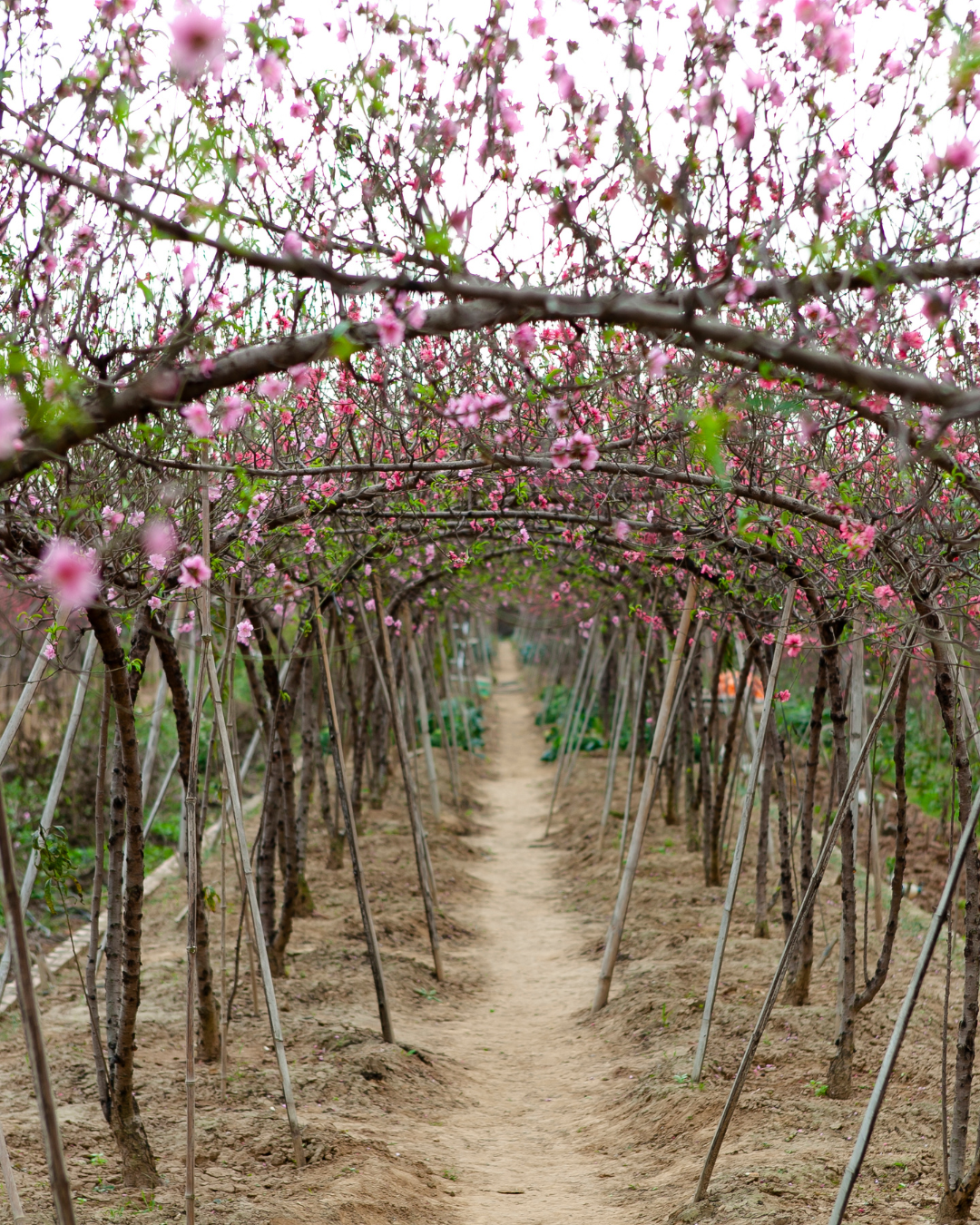
Bloom signals more than color in the field. It marks the transition into one of the most critical irrigation periods of the year. As crops move from dormancy into active growth, water demand begins to shift quickly. Root systems wake up. Canopies expand. Evapotranspiration increases. What worked during winter or early pre-season conditions will not carry you through bloom and fruit set. This is the moment to recalibrate. Start with a System Check Before peak demand hits, take time to evaluate your irrigation infrastructure: Inspect valves, filters, and pressure regulators Confirm flow meter accuracy Review pump performance under load Test soil moisture sensors and telemetry connectivity Verify that automation schedules match current crop stage Small inconsistencies in early season can become major inefficiencies during full production. Match Irrigation to Crop Physiology During bloom, consistency matters. Over-irrigation can reduce oxygen in the root zone and impact nutrient uptak
00
February 17, 2026

Most winery owners and their employees hear “extension” and think one thing: We’re late. That is not what an extension means. In many cases, filing an extension is a protective move. It keeps options open, even if the return is filed by the original deadline. Here’s why that is important. What an Extension Really Does An extension gives additional time to file. It does not give additional time to pay. Any tax due must still be paid by the original deadline to avoid penalties and interest. So why extend if the return is ready? Because wineries and the individuals they employ operate in complex environments where information continues to evolve. Final K-1s arrive late. Corrected 1099s show up. Payroll departments issue corrected W-2s. Overtime and tip allocations get adjusted. Cost allocations change. Entity elections are reconsidered. New tax legislation is passed. If something important changes after the original filing, flexibility matters. Supersed
00

February 11, 2026
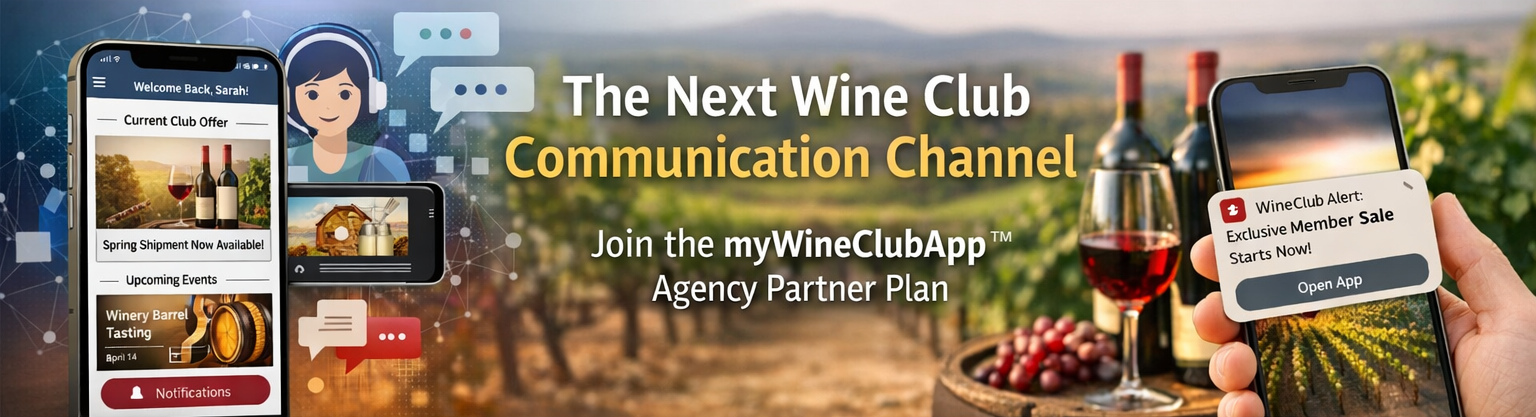
myWineClubApp™ - Agency Partner Plan Wine Marketing Agencies Are Quietly Claiming a New DTC Communication Channel Something unusual is happening in wine marketing. While much of the industry continues to wrestle with declining response rates, unreliable email deliverability, and growing SMS fatigue, a new pattern is emerging behind the scenes: wine marketing agencies are beginning to secure strategic positions around an entirely new DTC communication channel. The channel is myWineClubApp™ — a patent-pending, preference-based messaging platform designed specifically for modern wine clubs. Why myWineClubApp? Originally developed as a direct solution for wineries struggling with fragmented customer communications, myWineClubApp has quickly drawn attention from agencies who recognize a larger opportunity: helping their winery clients establish a persistent, brand-owned presence on consumers’ phones while reducing dependence on traditional channels. Unlike conven
00
February 11, 2026
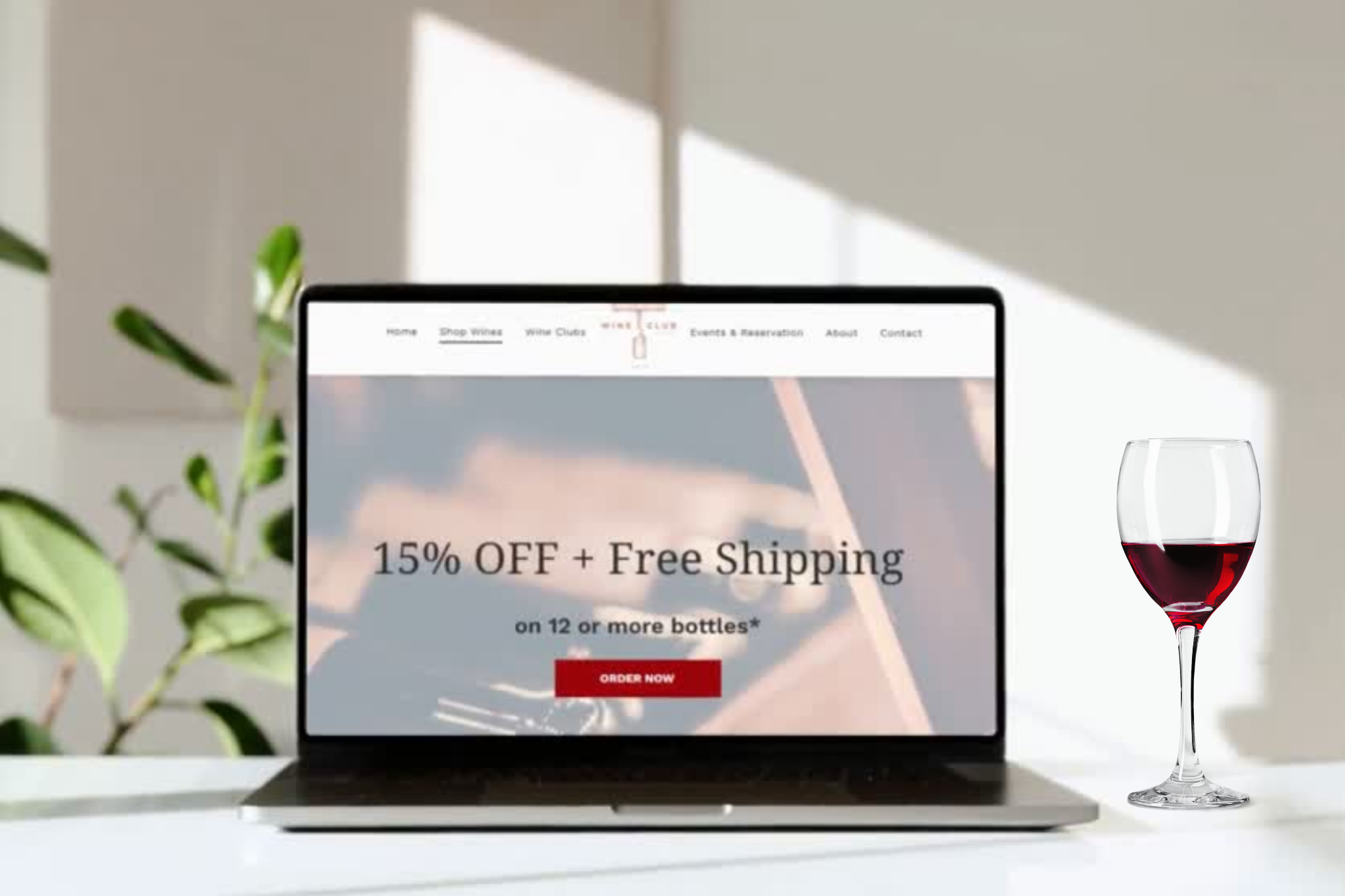
Most wineries don’t have a promotion volume problem. They have a promotion design problem. When you look closely at wineries delivering strong margins alongside steady consumer sales growth, patterns start to appear. Not because those promotions are trendy or copied from competitors, but because they are intentionally designed to drive revenue while protecting long-term customer behavior and brand value. Modern promotion strategy is not about running more campaigns. It is about structuring incentives that influence how, when, and why customers buy. Across the strongest performing wineries, promotions are increasingly treated as part of the revenue model rather than just part of the marketing calendar. They shape demand, influence order composition, and support long-term customer value. Why Promotion Strategy Is Really Revenue Strategy Promotions are no longer just marketing tactics. They are one of the most controllable levers inside a winery’s DTC P&L. For most wineri
10