
Filter Post Type
NewsVideoProductEventLink
Sort:
Most Recent
1–5 of 5

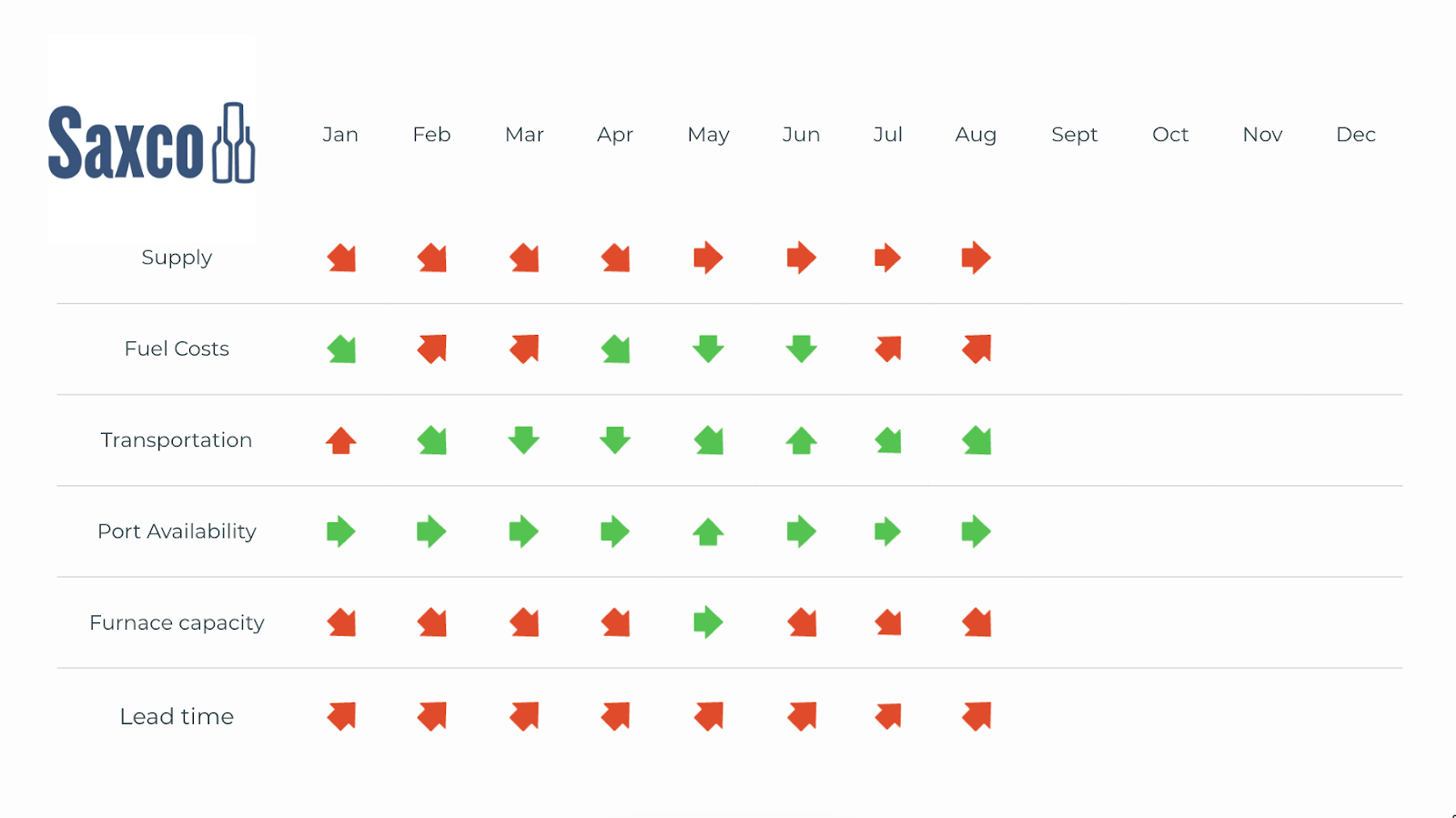
July's supply chain landscape feels deceptively calm, but the undercurrents are shifting. Fuel costs ticked upward again – $3.599 to $3.779 per gallon – putting quiet pressure on logistics, even as transportation costs eased with the surprising disappearance of peak season surcharges. That dip is a welcome but likely temporary reprieve. On the production side, capacity continues to tighten: OI’s Portland plant has officially closed, and two additional furnaces are scheduled to go offline, which continues to raise concerns about domestic supply heading into the back half of the year. Lead times have not budged from June’s elevated levels, but with fewer furnaces online, we are likely to see that stress compound by fall. Ports remain neutral, and overall supply feels steady – but for now, it is a still surface over increasingly strained infrastructure. Tariff watch: The rules are changing The new US tariff rates announced on July 31 mark a signifi
00

November 13, 2024

Afternoon Brief: Wine's Trumps Cheese in Tariff War
A US-France trade war next year seems likely, thanks to two recent events. One, you probably noticed: Donald Trump was elected US President. The other, you might not have...
VeralliaLodi Winegrape CommissionThe Study Wine BarRodney Strong VineyardsJ. Brix WinesCalifornia Association of Winegrape GrowersSEVEN DAUGHTERSTERLATO WINE GROUPThe Chianti Classico ConsortiumConcha y ToroDolly WinesBronco Wine Co.Air New ZealandBucher Vaslin NASaxco InternationalVinoshipperOutshinery CreativeAuburn Road WineryChampagne PommeryCellar 33ProWineRoyer VineyardVerdiAvalaraPeregrine Mobile BottlingWinePulse
00

June 3, 2024

More than just a purely marketing element of packaging, a scientific study demonstrates the protective role of capsules and foils on bottles of still and sparkling wine. Like any food product, wine bottles in retail areas and storage locations must ensure impeccable sanitary safety for consumers. To better understand bacteriological contamination on the necks of wine bottles, a laboratory, in collaboration with the Crealis Group—an international specialist in overcapping solutions—conducted a study on wine bottles with and without capsules or foils. The Capsule and Foil AN UNDISPUTED HYGIENIC SHIELD The capsule and foil represent an effective hygienic shield against the transmission of bacteria and mold. This is the conclusion from laboratory tests commissioned by Crealis from the CSI, the European reference center for the verification and certification of material and product compliance. To compare the hygienic quality of wine bottles with and without capsules and foils, a
00

February 6, 2023
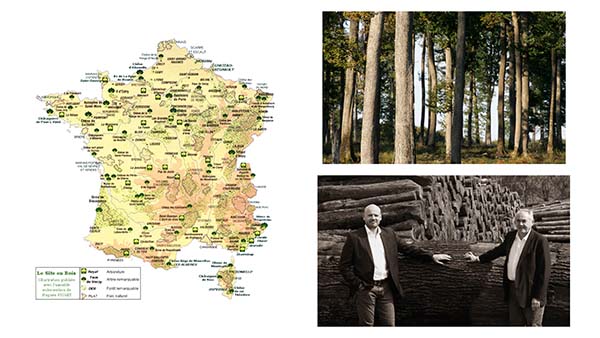
CANADELL ensures the quality and consistency of its oak adjuncts by overseeing the entire manufacturing process, from selecting trees in the forest to seasoning, fabricating, toasting, packaging and sales. This 100% vertical integration gives winemakers full traceability and confidence in the impact its oak will have on their wine. "The Canadell Family delivers a full range of premium oak products that are classically made, traditionally crafted, and extremely consistent," says Paolo Bouchard, Business Development Manager for Bouchard Cooperages, CANADELL’s exclusive partner in North America, Australia, and New Zealand. "Wineries producing everyday value and premium price point wines often appreciate the consistency and quality of the CANADELL portfolio," adds Sarah Lanzen, International Oak Alternatives Consultant at Bouchard Cooperages. "Their consumers rely on consistency in today's ever-changing world. CANADELL's approach has always
00
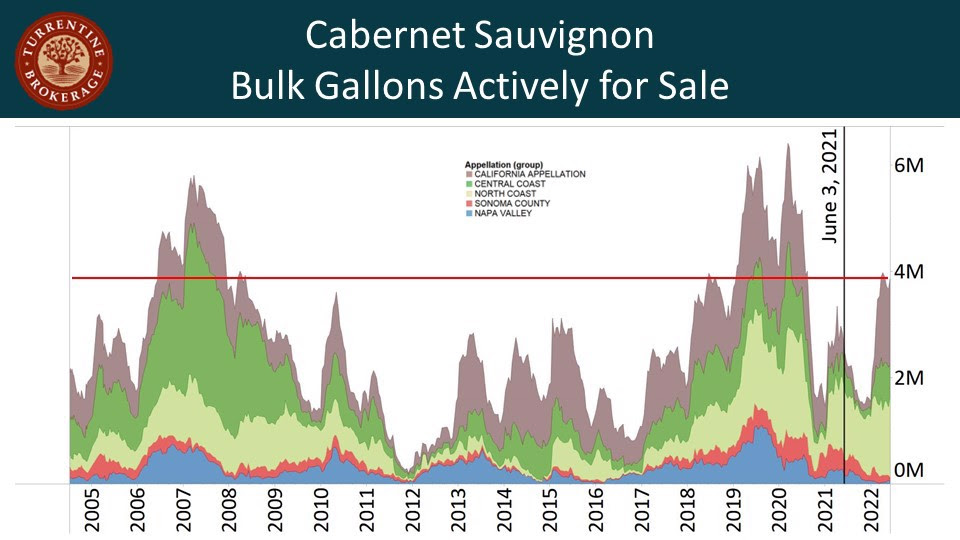
Decision-making on the sourcing of bulk wine and grapes continues to get more complex and difficult. April frosts in the Lodi/Delta, and in other regions of California to a lesser extent, added another challenging variable to the year. As of now, it appears the reduction in supply due to the frost affected Chardonnay and Pinot Noir in these regions the most. Time will provide a clearer picture of the 2022 crop size. In fact, recent crop projections are generally more positive than the initial forecasts after the frosts, but there is still uncertainty as to the extent of the damage. In the North Coast and other parts of California, the frost will likely have less of an impact. Bulk markets have slowed, returning to a more typical seasonal pace following 18 months of heightened demand, but still remain active. The typical spring slowdown is due to wineries assessing crop size and projected sales trends to inventories. It is more complicated this year for a few reasons. The first variable
00