
Filter Post Type
NewsVideoProductEventLink
Sort:
Most Recent
1–10 of 46
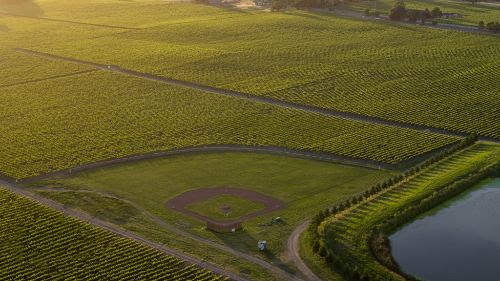
In the film Field of Dreams, a quiet voice whispers a simple promise: “If you build it, he will come.” The idea was never really about baseball. It was about creating something meaningful and trusting that the right people would be drawn to it. The wine industry is standing at a similar crossroads. For decades, wineries have operated on a simple assumption: make great wine, tell a compelling story, and consumers will come. Craft the product. Earn the accolades. Build the brand. But the next generation of wine consumers is telling us something different. Gen Z, now entering legal drinking age and shaping the future of hospitality, is not primarily seeking bottles to collect or scores to chase. Many say they are looking for something more fundamental: connection, community, and places where they can gather with friends away from the constant pull of the digital world. In other words, they are looking for a third space. For winery owners, executives, and Direct-to-Consumer lea
00
October 7, 2025

Your Current Marketing Won't Work for Younger Wine Drinkers The generational shift in wine consumption is happening faster than most wineries are prepared to handle. According to Wine Intelligence's US Wine Consumer Trends 2025 report, millennials will surpass baby boomers as the largest wine-consuming demographic by value this year. Meanwhile, the oldest members of Gen Z (born 1997-2012) are now turning 28 and developing their own distinctive wine preferences. The problem? Most wineries continue marketing as if their primary audience is still over 55. The messaging, channels, and tactics that worked for boomers actively repel younger buyers. Let's examine what actually works when marketing to these crucial demographics. What Younger Wine Consumers Actually Want Millennial Wine Drinkers (Ages 29-44) Millennials approach wine fundamentally differently than their parents: What They Value: Transparency about production methods and ingredients Sustainable and ethical busines
00
August 5, 2025
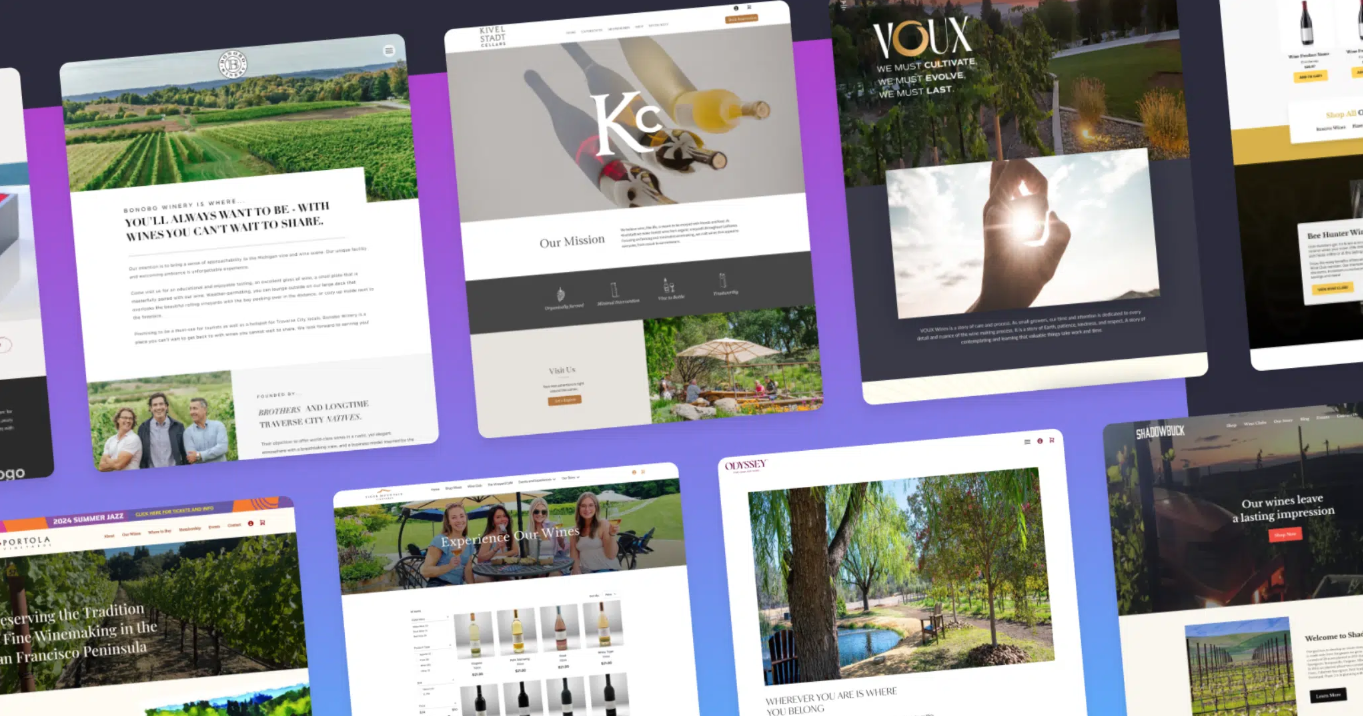
Stunning homepage photography. A poetic paragraph about the vineyard. Elegant design. But then… nothing happens. No shop activity. No wine club signups. No urgency to buy. No navigation to guide the visitor on where to go next. And if someone does find the shop or club page, they’re met with a clunky checkout or sign-up form that feels like an obstacle course, especially on mobile. This is where so many wineries fall short. Your winery website isn’t just a digital brochure; it’s your hardest-working DTC sales channel. When it’s built and optimized the right way, it’s selling wine, growing your club, booking visits, and telling your story 24/7. When it's not? You’re losing potential revenue every single day. The good news is that these problems aren’t permanent. They’re fixable, and we’ve seen wineries transform their online performance in just a few weeks once the right changes are made. After conducting hundreds of winer
00

Introduction: From Search to Suggestion Wine consumers aren’t just Googling anymore — they’re asking AI assistants like ChatGPT, Google Gemini, Perplexity, and Grok where to go, what to drink, and who to trust. If your winery’s online presence isn’t optimized for these new tools, you’re already behind. That’s where AIO (Artificial Intelligence Optimization) comes in. This guide is a step-by-step roadmap to get your winery ready to be recommended in AI-driven results, and how Corksy Insights can help. What is AIO, and Why Should Wineries Care? AIO (Artificial Intelligence Optimization) is about making your winery's online presence easy for AI agents to understand, trust, and recommend. Unlike traditional SEO, AIO focuses on the signals that AI tools use to generate answers, not just search results. Local SEO vs Local AIO at a Glance: Local SEO Local AIO Goal Rank on Google/Search engines Be recommended by AI assistants Tools Google Busi
10
.jpg)
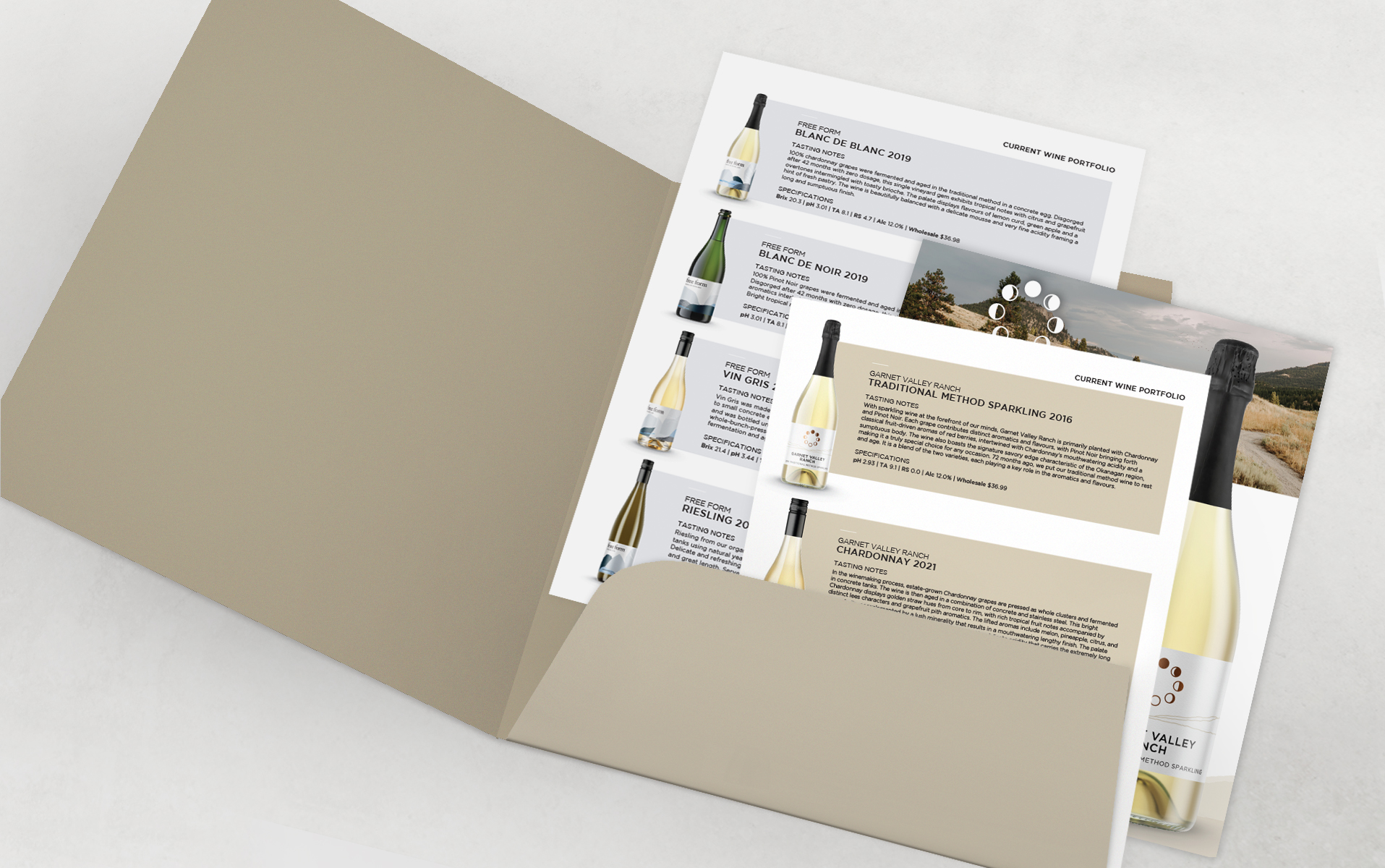
Are you and your importer/distributor both eager to tell your story in a way that translates into sales? Consider equipping your sales team with consistent and professional materials (a sales tool kit) that tell your authentic story. A sales tool kit is a toolbox, containing the items that make it easier for your customer to understand your wine, and make room for it on their shelves. What’s in a sales tool kit? At the minimum it should include a portfolio sheet listing all of your wines, but a great sales tool kit will include several items that make it easier for the buyer to sell your wine to consumers. Sales Tool Kit Checklist: Portfolio Sheet/Booklet Technical Information Sheets Sell Sheets Shelf Talkers Neck Tags Business Cards Tasting Cards So, how can you create a sales tool kit? Here’s the process we go through to create one: Strategy The first step is to have a strategy and determine which pieces of information will be used where (such as what accolades or review
00
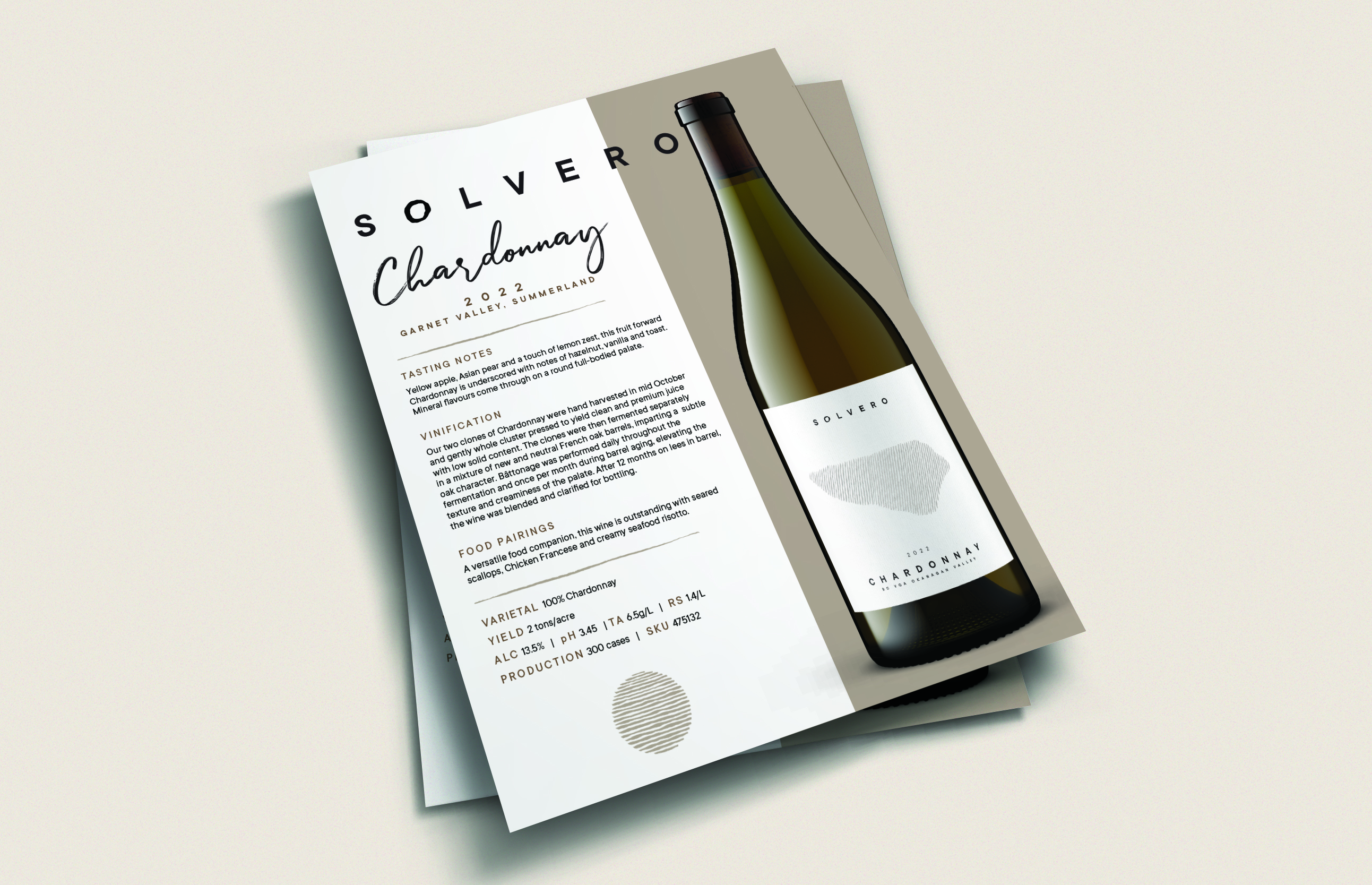
Each wine has a story to tell but the details of the flavor profiles, food pairing and technical information doesn’t always fit on the label. This is where the technical sheet comes in, all the details in one place makes it easy to share with your sales team and consumers. The most standard information on these sheets include: Company name and logo Name of wine Vintage of wine Bottle shot image Flavor profiles Food pairings Alcohol percentage pH TA RS SKU Price Website and social handles Company contact information Additional information to bring your technical sheets to the next level could include: Accolades Awards Viticulture and Composition Winemaker’s Notes Bottling date Production in cases Having a professionally-made technical sheet can give your company polish, legitimacy, and make your brand more reliable. For more information on technical sheets, how they can work to help you sell wine, or to get some created, contact us today at info@townhallbrands.com.
00


Afternoon Brief: Vinarchy - A New Global Wine Company
Vinarchy combines the assets of wholly-owned Accolade Wines with the Australian, New Zealand and Spanish wine businesses formerly owned by Pernod Ricard, which were acquired by AWL in April 2025...
VinarchyAustralian Wine Holdco LimitedWine Sales SymposiumV Foundation for Cancer ResearchNapa RISE Climate and Wine SymposiumArtSip & StrollInspire Napa ValleyBoucherieThe Group HospitalitySonoma County WinegrowersHighway 29 CreativeIvo JeramazGrgich Hills EstateCathy Collart GeigerNicolasJason GinsbergMandy ChanPeter EdwardsVranken-PommeryGusmer Enterprises Inc.ScoutMonarch TractorDimension FundingTricorBraun WinePakBartholomew EstateLos CarnerosVentiventiLe Monde
00
March 12, 2025
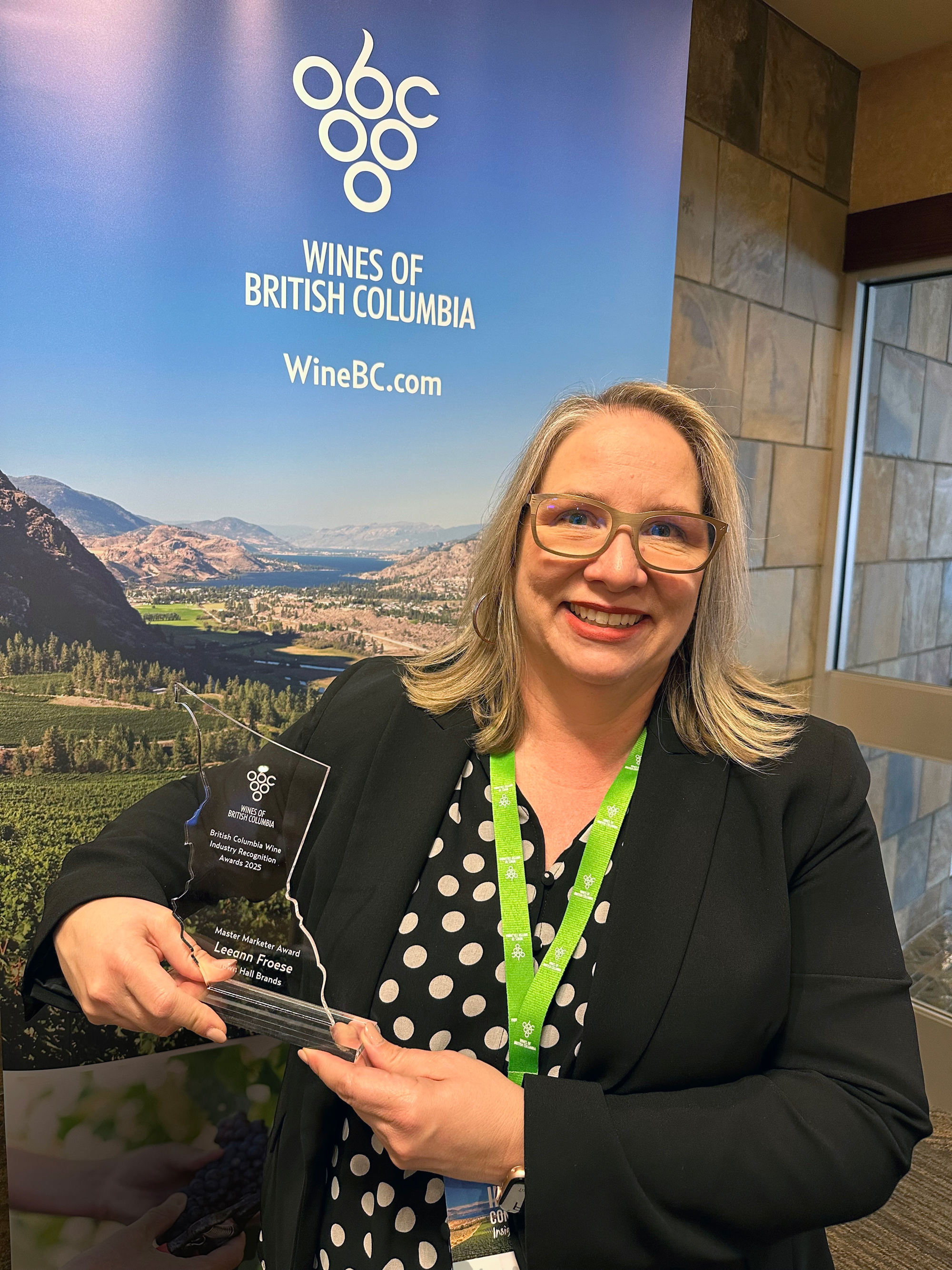
Leeann Froese, co-owner of Town Hall Brands, has been honoured with the ‘Master Marketer Award’ at the annual BC Wine Industry Insight Conference hosted by Wine Growers BC in Penticton, BC. This distinguished award recognizes outstanding marketing innovation in the promotion of BC wines and highlights individuals and organizations that think outside the box to advance the industry. Leeann was celebrated alongside other key figures in the BC wine industry during the awards luncheon at the conference. In addition to her win, she was also a finalist for the Leadership Excellence Award, which honours individuals who strengthen industry relationships, foster growth, and demonstrate exceptional leadership. With over 25 years of experience, Leeann has played a pivotal role in shaping the marketing landscape for BC wineries and beverage brands. As a branding and communications expert, her strategic vision and innovative approach have contributed to the success of countless busin
00
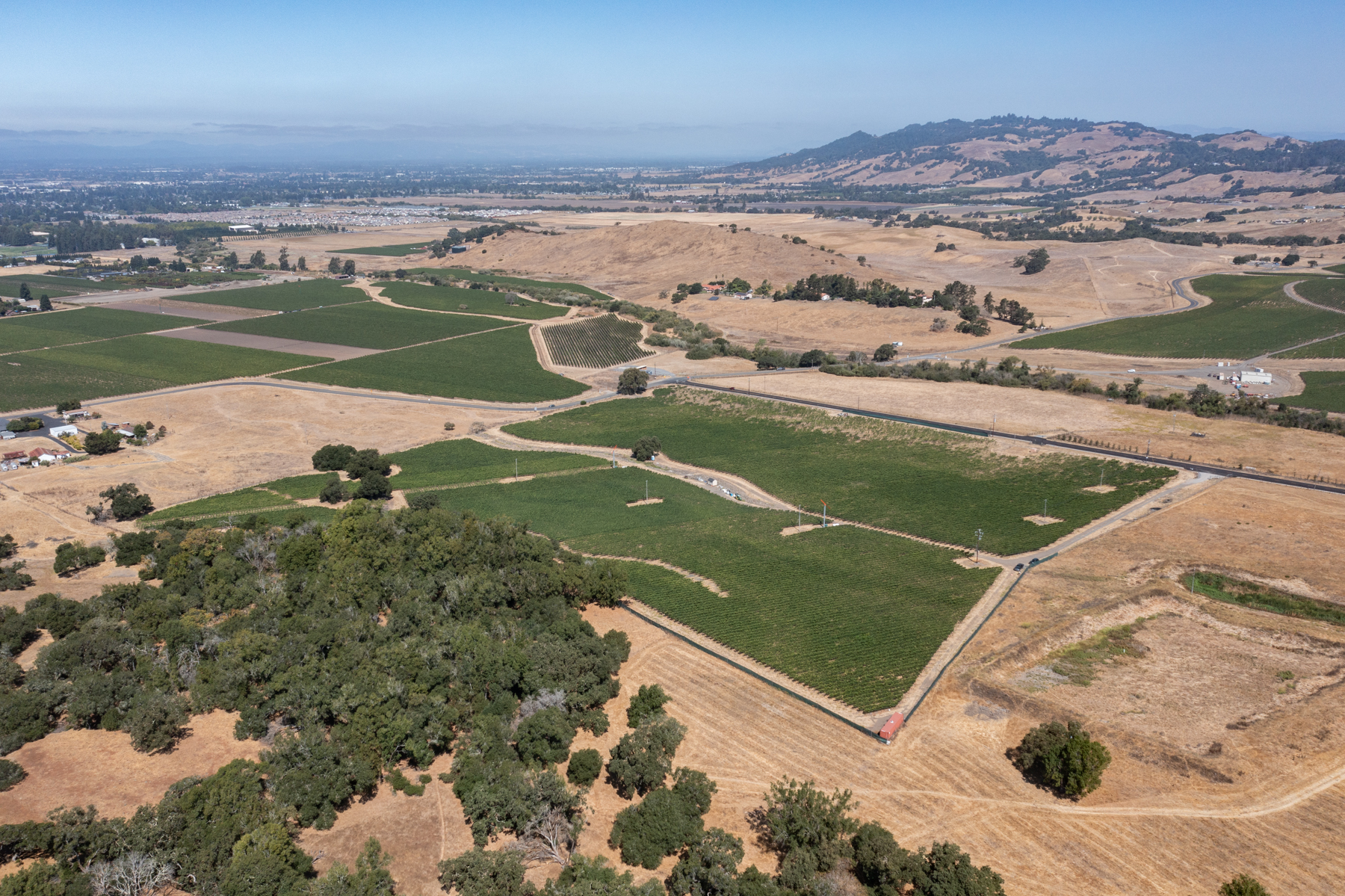
Gapstone is a winemaker’s dream vineyard. This vineyard is ideal for those seeking a prime location to craft multiple prestige cuvees from one of Sonoma County’s most celebrated AVAs. Thoughtfully developed in 2017 with the guidance of Garrett Buckland of Premier Viticulture, the volcanic soils, and the selection of varietals and clones is what separates this site. Moreover, this meticulously developed vineyard is just coming into its prime. Gapstone, located next door to prestigious neighbors Gap’s Crown and Sangiacomo Robert’s Road Vineyard, offers a unique opportunity to produce exceptional estate and single-vineyard designated wines. The vineyard benefits from rocky volcanic soils, a rarity in the area known for its predominantly clay soils, providing a distinct terroir uncommon in the area. We can provide samples of wine produced from each block. Recent vintages have received many glorious accolades from national critics in spite of the
00
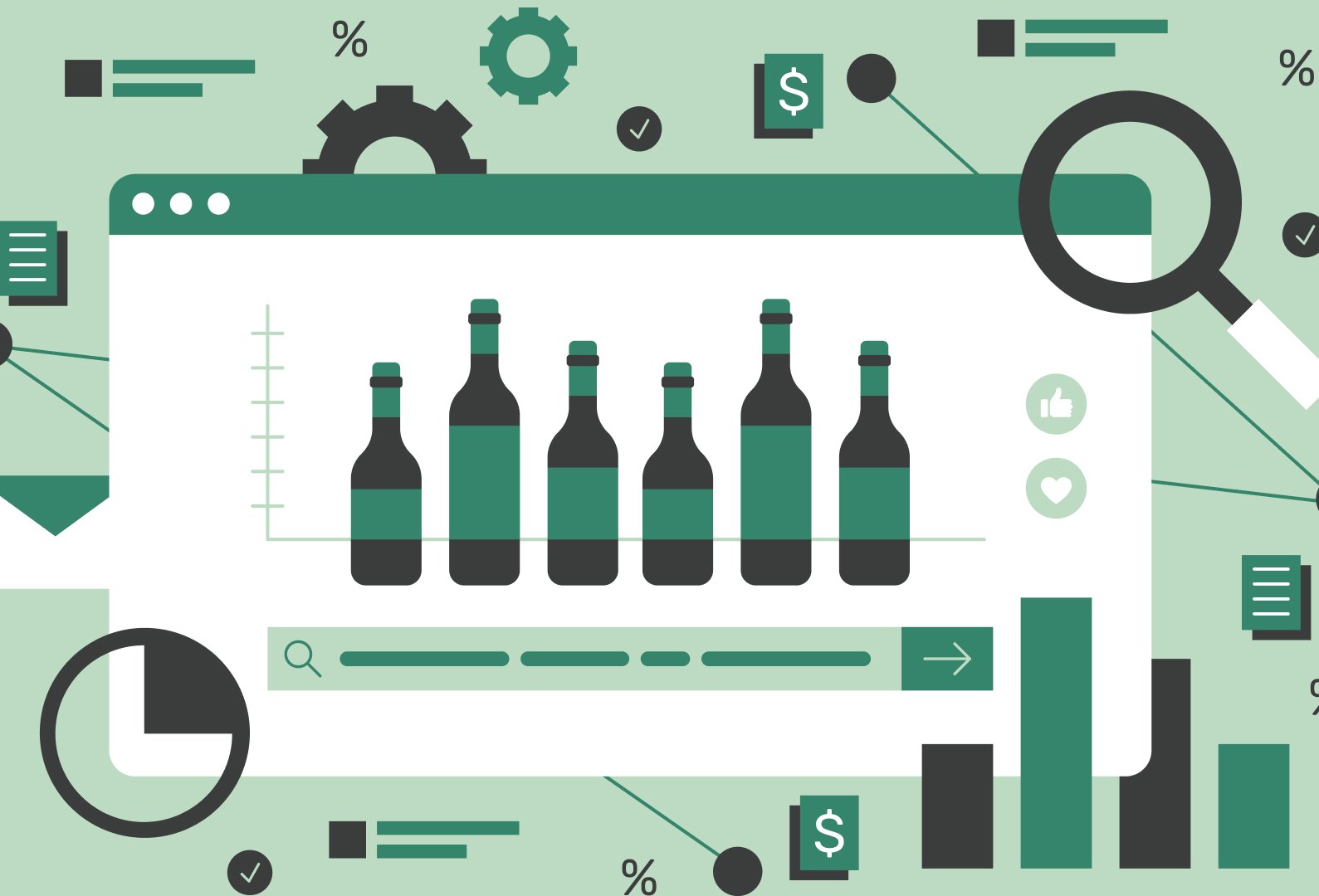
Your website is the heart of your winery’s online presence and a critical driver of sales. Whether visitors are learning about your wines, booking a tasting, or shopping your latest releases, your website’s design and functionality will determine whether they stick around, or click away. For a winery, a high-converting website doesn’t just look pretty. It has to guide users through the buying journey effortlessly, reflect your brand’s unique story, and make it easy for customers to take action. Let’s break down the key elements of a website that not only attracts visitors but turns them into loyal customers. 1. Mobile-First Design: Meeting Customers Where They Are The majority of users will visit your website from their mobile device. If your site isn’t optimized for mobile, you’re losing out—plain and simple. A high-converting winery website has to look and function beautifully on a phone or tablet, with fast load times, easy navigation,
00