
Filter Post Type
NewsVideoProductEventLink
Sort:
Most Recent
1–10 of 38


It’s not hard to see the promise of AI on a vineyard: process a ton of information and get meaningful answers quickly. The problem is that no one knows how to get started. There are no clear standards, few proven playbooks, and almost no shared examples of AI delivering measurable results inside real vineyard operations. How can you use AI on your vineyard? Keep reading... This article looks at how one vineyard management team approached AI not as a trend to adopt, but as a constraint to manage. They had too much information, too many variables and far too little human capacity to process them all. This is how they did it. The Question You Should Be Asking First A vineyard operations leader managing large-scale acreage described a situation where scale magnifies every inefficiency. Across thousands of acres and dozens of properties, the team was already using sensors, labor tracking systems, equipment data, compliance tools, and agronomic models. The problem was not lack of infor
00

The weather is shifting, trip-planning season is underway, and tasting room traffic is about to pick up. This is the good news. The bad news? If you're reading this and thinking "we'll get to our spring marketing when spring gets here," you're behind. The tasting rooms that stay full from April through June aren't the ones with the best wine or the prettiest views. They're the ones that showed up in someone's planning process three weeks before the trip happened. People don't stumble into wine country on a whim and wander from door to door the way they did fifteen years ago. They research. They scroll. They book. And if your winery isn't visible and compelling during that research window, you're invisible when it counts. The hotel industry figured this out years ago. Marriott doesn't wait until summer to market beach properties. They start running "book your getaway" campaigns in late winter, because they know the booking win
00

March 23, 2026

The Duckhorn Portfolio, North America’s premier luxury wine company, has selected InnoVint as its winery operating system following a comprehensive evaluation and RFP process. The decision reflects Duckhorn’s focus on modernizing its winemaking operations with a platform and a partner capable of supporting both current complexity and long-term growth. Why The Duckhorn Portfolio Chose InnoVint The Duckhorn Portfolio sought a modern, scalable solution to unify winemaking operations across multiple facilities while maintaining accuracy, compliance, and operational visibility. InnoVint was selected not only for its integrated, production-first platform, but for its deep industry expertise and proven ability to guide complex wineries through system transitions with confidence. “InnoVint stood out as more than a technology provider,” said PJ Alviso, Vice President of Winegrowing at The Duckhorn Portfolio. “During our evaluation of the winemaking software options
00
.png)
February 3, 2026

Across industrial campuses, airports, universities, and hospitality properties, the challenge is the same: moving people safely and efficiently within a localized area. Whether it’s transporting employees between buildings, shuttling guests from parking to entry points, or supporting daily operations across expansive facilities, the right way to move people can have a direct impact on productivity, safety, and overall experience. Fusion Passenger Carts are available in three core models, Fusion 2+2, Fusion 4+2, and Fusion 6+2, so you can match capacity to your route and daily demand. Papé Material Handling offers a range of Fusion Passenger Carts designed to meet these demands with purpose-built electric platforms. Available in multiple configurations, Fusion Carts are engineered for real-world fleet applications where reliability and flexibility are critical. Designed for People-Moving Applications Fusion Passenger Carts are built to operate in environments where space i
00


Afternoon Brief: Calmére Estate Winery Sold in Landmark Napa Valley Transaction
AVA Properties and The Vinery proudly announce the successful sale of Calmre Estate Winery, a nearly 100-acre estate in the Los Carneros AVA. The transaction represents the transfer of one of the regions most significant, fully entitled, and production-ready winery properties...
00

July 9, 2025

Enhanced Bird Deterrent Technology for Vineyards Takes Flight with New Identity When the grapes are ripe and the birds are hungry, there’s no better vineyard protection than a sharp-eyed peregrine falcon soaring above the vines. Just a glimpse of this bird of prey sends starlings and other destructive flocks fleeing. Historically, wineries have installed netting to try to protect their crops, especially their most prized grapes. While effective, netting is also expensive, and installation and removal are labor-intensive. Other safeguards, such as cannons, broadcast distress calls, streamers or stationary decoys, offer fleeting results and can be intrusive. Ten years ago, Falcon Crop Protection developed an innovative and cost-effective solution: realistic kites that mimic the shape and predatory movements of a peregrine falcon as it soars from a tall fiberglass pole. With just a slight breeze, the kite takes flight and patrols all day, triggering birds’ natural f
00


Verdi Block Controller – Wireless Irrigation with Verified Flow Verdi’s Block Controller brings smart irrigation to your fingertips—fully wireless, battery-powered, and installable in minutes with no trenching or rewiring required. Just connect your solenoid, scan the QR code, and start automating irrigation across blocks and properties with 24/7 scheduling and remote control from your phone or computer. Designed to retrofit existing infrastructure, it’s compatible with 99% of sensors and delivers real-time alerts for leaks, flow issues, and system failures—so you can respond instantly and avoid crop loss. Save up to $500/acre on irrigation labor and fuel, reduce water use by 10–30%, and boost crop revenue by 10–20%, all with bilingual support and easy access to AI-powered documentation anytime. View Listing Explore by Category Grapes Bulk Wine Shiners Production Vineyard Real Estate Services Grapes Beautiful Santa Cruz Mountains P
00

June 23, 2025
For centuries, sulfur dioxide (SOâ‚‚) has been the trusted guardian of wine for preserving freshness, preventing oxidation, and controlling microbial populations. But with changing consumer preferences, evolving regulations, and advancements in enological science, many winemakers are rethinking their reliance on traditional SOâ‚‚ regimes. At ATPGroup, we recognize that while SOâ‚‚ remains a powerful tool, it’s no longer the only one. For winemakers looking to reduce or eliminate sulfur additions, a range of solutions is available that support microbial stability, freshness, and shelf life without compromising quality. Why Reduce SOâ‚‚? There are several reasons winemakers may choose to reduce sulfur use: Consumer demand: Increasing numbers of wine consumers are seeking "low-intervention" or "low-sulfite" wines due to perceived health concerns or personal sensitivities. Labeling requirements: In many markets, wine
00

April 10, 2025
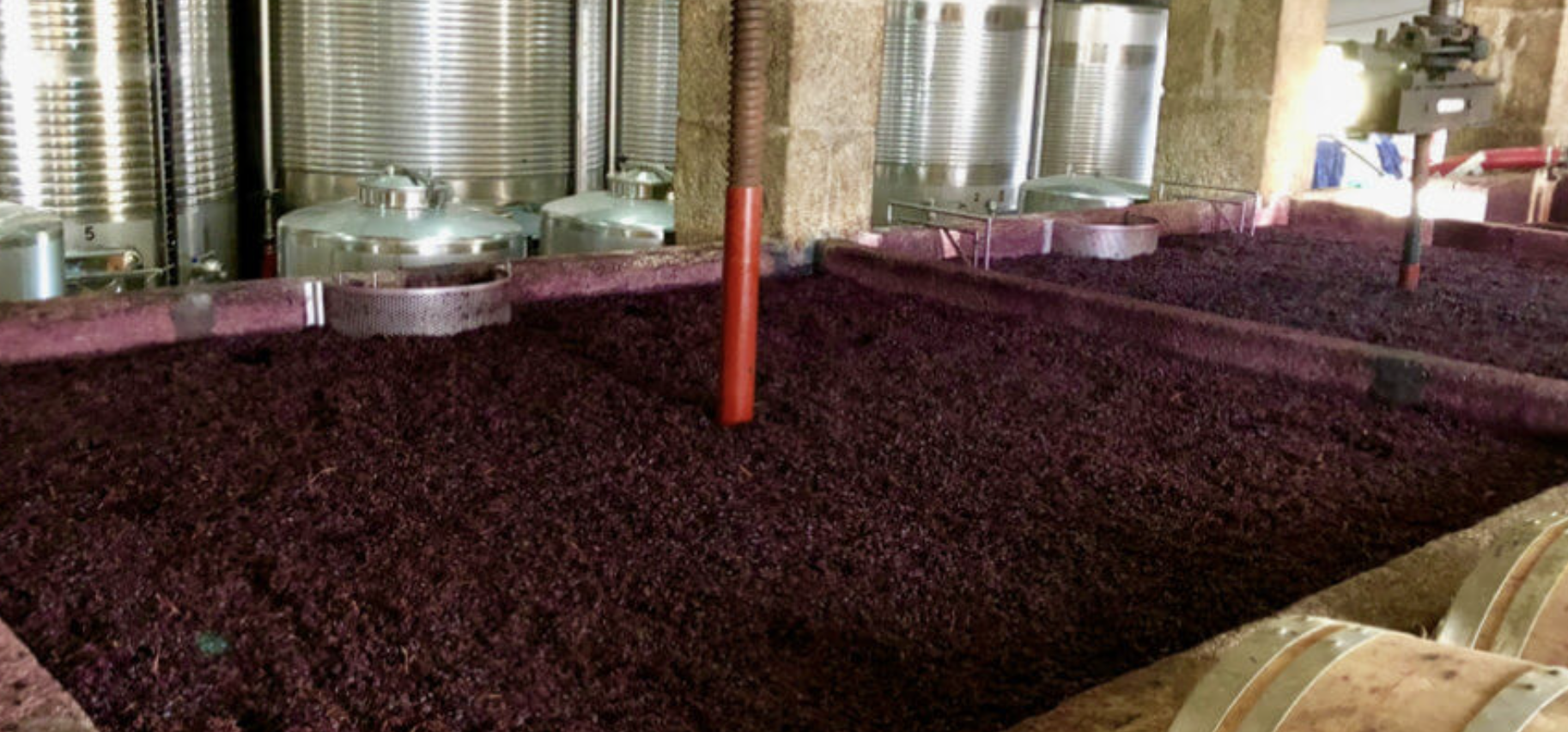
The process of making wine is deeply influenced by several factors, including grape fermentation, yeast strain, and fermentation temperature. Among these, temperature control methods are essential for achieving a well-balanced and high-quality finished wine. Attempting to ferment wine in extreme conditions (either too cold or too hot) can negatively impact the entire fermentation process, resulting in poor flavor development and an unbalanced profile. Understanding the best temperature for fermentation based on the type of wine being produced ensures that complex flavors, aroma retention, and structural integrity are preserved. What is the Best Temperature to Ferment Wine? Finding the best temperature for wine making is not a one-size-fits-all approach. Different wines require different conditions for fermentation, which is why winemakers must carefully monitor and regulate temperatures throughout the process. As a general rule, red wines ferment at higher temperatures for shorter per
00

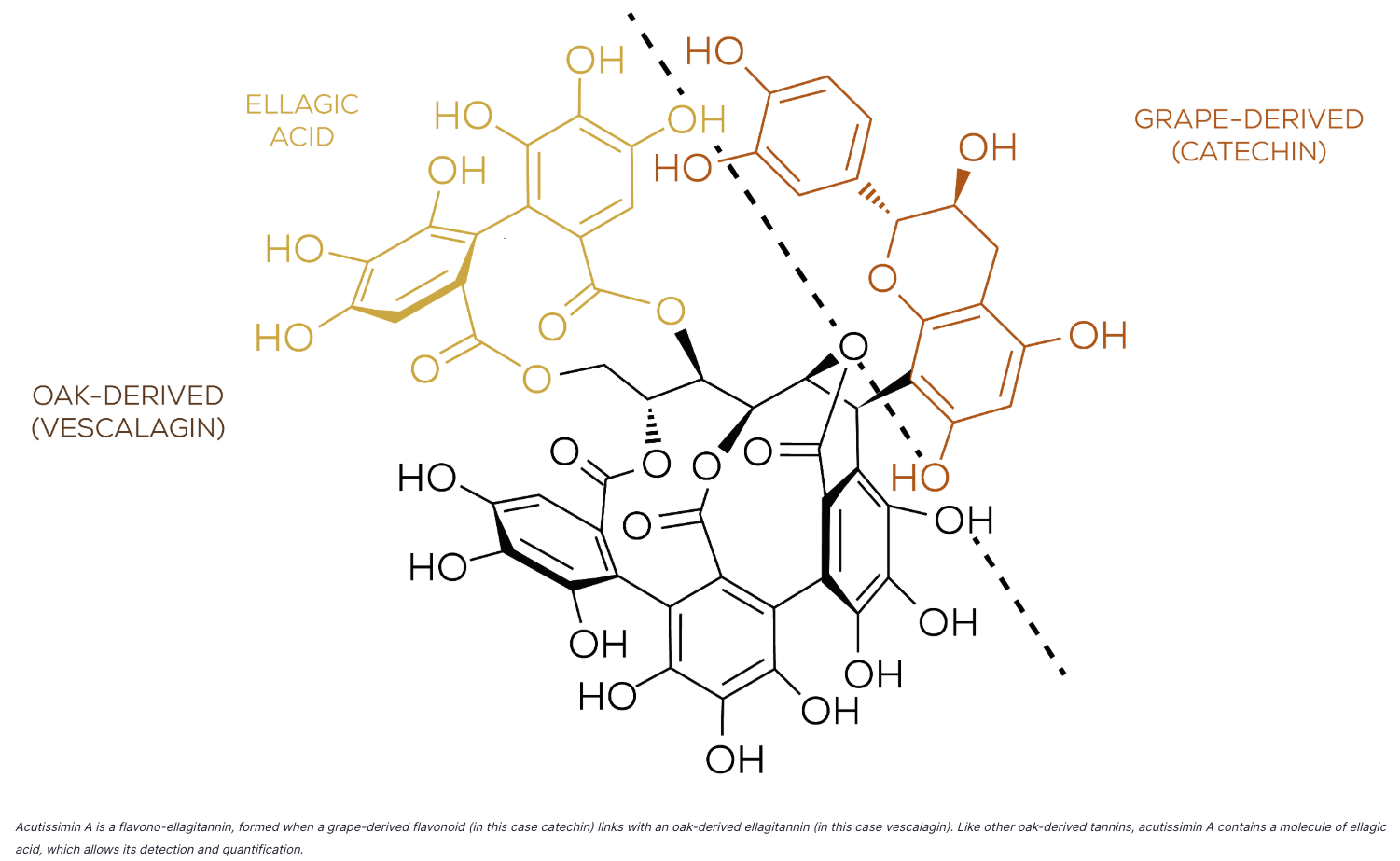
It is widely accepted that oak tannins can have a very significant influence on the tannic structure of wines. Besides their influence on mouthfeel, oak tannins are also antioxidants, and are viewed with renewed interest for their protective effect against wine oxidation. This hasn’t always been the case. Measuring tannins contributed by oak barrels (or barrel alternatives) is a challenging task. Analysis methods have consistently failed to adequately measure these compounds in wines, preventing both researchers and winemakers from fully understanding and assessing their impact. Why Do Oak Tannins Seem to Disappear in Wine? Oak tannins are ellagitannins, relatively complex molecules containing ellagic acid as a main building block. Ellagitannins belong to a class of tannins known as hydrolysable, due to the fact that they easily degrade in acidic aqueous solutions, like wine. Degradation by oxidation is also a cause of their decline in wine. For a long time, it could be ar
00