Filter Post Type
Sort:
Most Recent
Tagged:AI and wine
1–4 of 4
New AI Marketing Readiness Report 2026 | Wine Industry Data April 2026

AI Marketing Readiness Report 2026 | Wine Industry Data

New research: How ready is the wine industry for AI marketing?

The Weinheimer Group has released its 2026 AI Marketing Readiness Survey, the first primary research study of its kind focused on AI adoption among winery operators and marketing decision-makers.

Key findings from the verified respondent set:

— The majority of winery operators have not yet integrated AI into their marketing workflows, though awareness is high and directional intent to act is growing.

— When asked what would move them toward adoption, respondents identified education and a clear starting point as the primary catalysts, ahead of budget or access to tools.

— AI-powered search visibility is emerging as a priority concern. Operators are beginning to ask how their winery appears when a consumer queries an AI assistant for a recommendation.

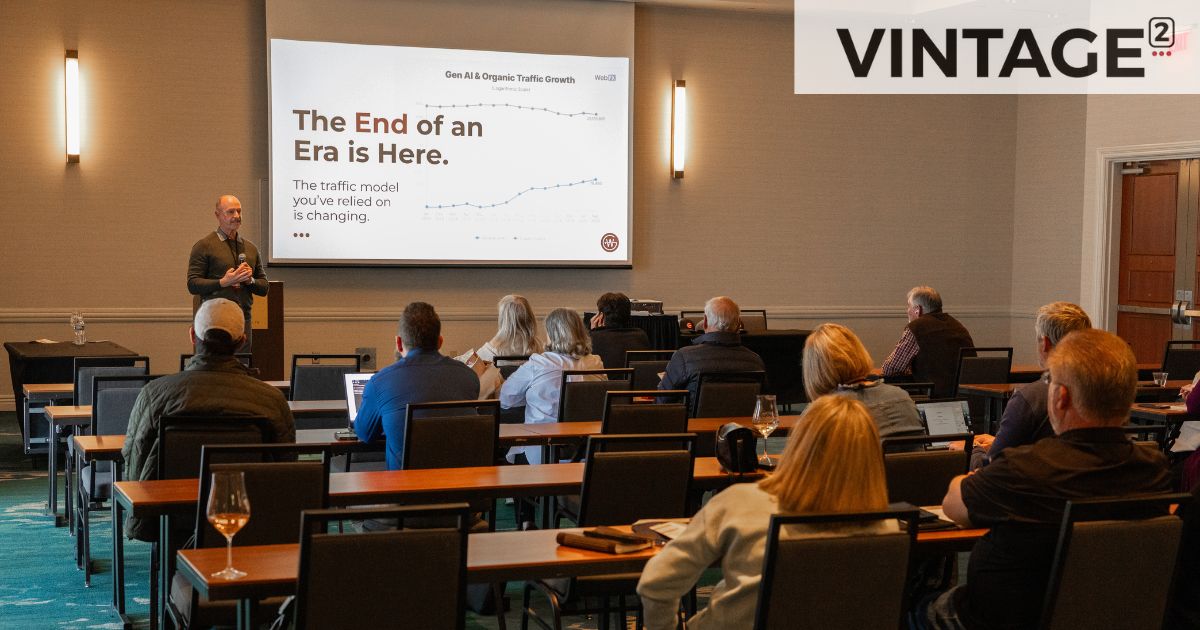
The findings are grounded in responses from verified wine industry professionals and presented alongside my VINTAGE2 AI marketing roadmap framework.

Note that all of these findings are directional as it can be challenging I've learned to pull winery folks away from their work to share their perspectives. Thank you to all of those who participated.

I also welcome your perspective!
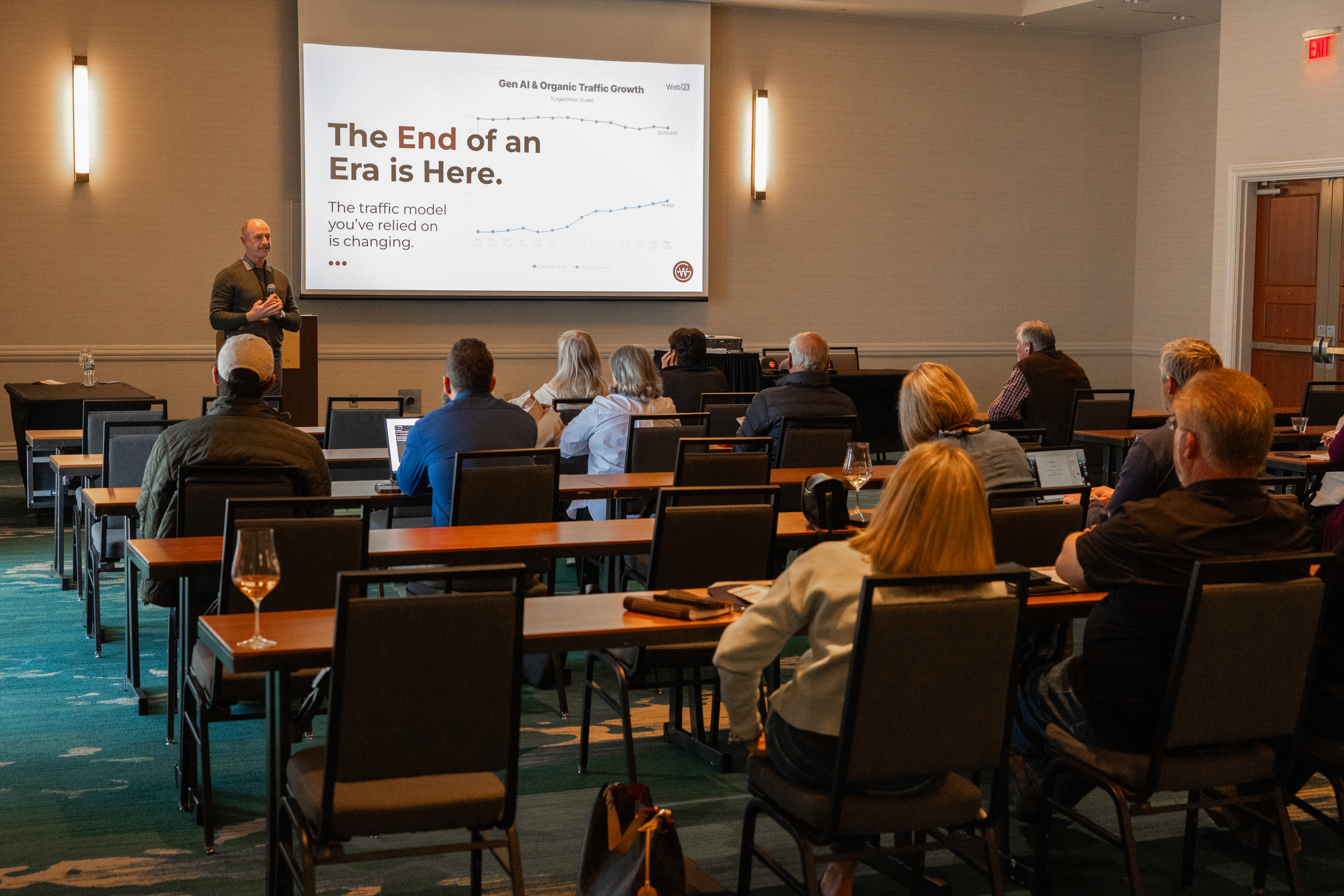
00
Q1 2026 Looking Back | Observations on AI Brand Growth for Wineries
Observations from an AI Marketing Consultant on AI for Winery Brand Growth I’ve spent a lot of time this past quarter talking with winery owners, marketers, and operators. Mostly listening. What’s coming through isn’t hype or resistance to AI. It’s curiosity… mixed with a bit of uncertainty about where it actually fits in day to day. Questions like: How are people really using AI to find my winery? Does this actually impact tasting room traffic or DTC or not? What should we be doing differently right now, if anything? Good questions. With my feet wet, once again, now only 65 business days in the wine industry, what stood out to me in Q1 is that this shift is already happening, just unevenly. Some wineries are starting to show up in AI-driven discovery in meaningful ways, while others aren’t even aware of how they appear, and that's okay. I'll be releasing my Winery AI Marketing Readiness Survey findings next week which I hope will be
00
Advantages of early AI search visibility for wineries and how-to system for achieving results. AI is quickly becoming the first place consumers turn when deciding what wine to buy, which winery to visit, and what experiences are worth their time. For wineries, this shift represents more than a new marketing channel. It is a fundamental change in how discovery, consideration, and purchase decisions are made. The key insight: AI search visibility compounds over time. Wineries that invest early in being visible, understandable, and trusted within AI-driven search environments gain a measurable advantage that grows. Each mention, citation, and recommendation strengthens future visibility, creating a flywheel effect that late adopters will struggle to match. This is not about quick wins or isolated tactics. It is about building a durable presence across the digital ecosystem that AI systems rely on to generate answers. As these systems learn from consistent signals, brands that show up earl
00
AI and Wine: "The Barrier to Entry is You"
"The barrier to entry with wine and AI is you." That was my favorite takeaway from last Friday's inaugural AI and Wine group discussion, which Nadia Kinkade and I had initiated to explore how artificial intelligence is shaping the business of wine. It was Stephen Mok, founder of New Vintage Labs, who said it. And it's stuck with me. You know, and we all know, that there are plenty of barriers of entry when it comes to today's wine industry. And never before have two such powerful (tsunami-scale?) forces crashed together as they have right now, namely the massive shift in technology and the wine sales downturn globally. Which is why it's never before been so important to have conversations like this, about the industry's responses to these forces. And to have them openly and with a community-forward mindset. And to learn from our colleagues and peers about how they're managing the waves. That's exactly why we'll keep having these sessio
00