
Filter Post Type
NewsVideoProductEventLink
Sort:
Most Recent
1–10 of 40


Your next customer will see your winery before they ever taste your wine. They'll see it on Instagram while planning a weekend trip. They'll see it on your website while deciding whether to book a reservation. They'll see it in an email while considering whether your wine club is worth joining. And in every one of those moments, they're making a decision based on what your visuals tell them about who you are. This isn't a trend. It's how people buy now. According to a 2023 study by Cloudinary and Harris Poll, 75% of online shoppers say product photos are the most influential factor in their purchase decisions. That number holds across categories, and it holds in wine. The difference is that wineries aren't just selling a product. They're selling an experience, a place, a feeling. Which means your visual content has to do more work than a product shot on a white background. It has to make someone want to be there. Most wineries know this on some level. Fe
00

SURVEY: AI Readiness for Wineries / $100 Gift Card Drawing Apirl 30 The Weinheimer Group is running a 2-minute AI Marketing Readiness Poll right now — gathering data on where wineries actually stand with AI readiness as it relates to marketing and brand visibility. I'll present findings at the 2026 Wine Sales Symposium in May. If you're kindly weighing in here, your survey response will add real signal and insights to the aggregate picture. All answers are confidential, and every completed entry enters a drawing for a $100 Wine.com gift card (drawing April 30). Thank you!
00

January 23, 2026
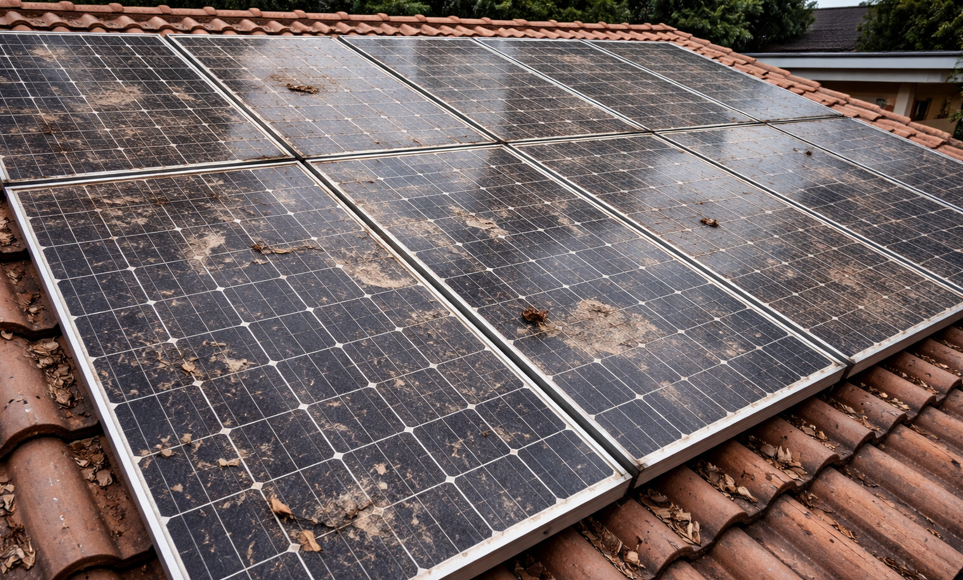
Key Takeaways Regular solar panel cleaning helps maintain energy output by removing dirt, salt residue, and debris that block sunlight and reduce efficiency. Most homeowners should clean solar panels once or twice per year, with coastal and high-dust areas often needing more frequent service. Professional solar panel cleaning protects your investment by safely removing buildup without damaging surfaces, wiring, or warranties. Solar panels are designed to be low maintenance, but that does not mean they are maintenance-free. Over time, dirt, dust, pollen, bird droppings, and coastal salt can reduce how much sunlight reaches your panels. When that happens, your system produces less energy, and your savings take a hit. Here on California’s Central Coast, solar panel cleaning plays a bigger role than many homeowners realize. This guide explains how often solar panels should really be cleaned, what affects cleaning frequency, and how proper maintenance protects your investment. Our par
00

Sustainability has become a core focus across every industry sector lately, but, as lovers of the traditional, the wine and spirit industries are behind the curve on implementing sustainable glass packaging. According to the IWSR, 48% of American alcohol drinkers say that a company’s sustainability or environmental initiatives positively influences their purchasing decisions. Furthermore, according to a report by the global decision intelligence company, Morning Consult, 7 in 10 American adults would consider purchasing from a food and beverage brand that prioritizes sustainability, the highest share across all industries. In the face of ongoing environmental concerns, a growing number of media stories have cited the need for our industry to find a more sustainable package solution. And the call is validated by consumer demands. We are seeing the emergence of a new category of wine consumer: the environmentally-conscious consumer, who is choosing wines and spirits based on the s
00

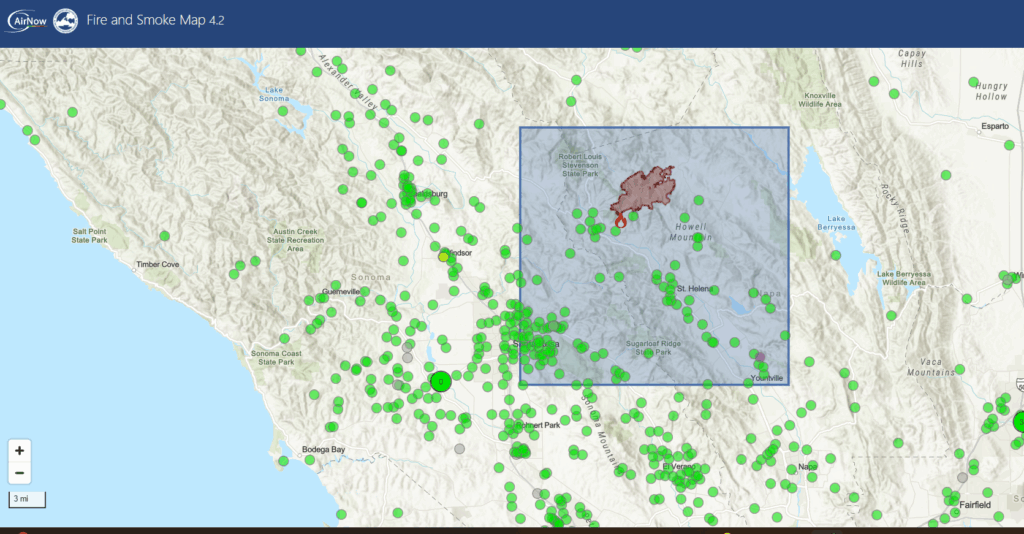
Let’s look at some maps Last week I was in the middle of writing a post about how great this year was turning out. I thought, just as long as growers can avoid something disastrous, this could be a great vintage. Within 24 hours, the Pickett fire grew from a small blaze north of Calistoga to a towering wildfire that has since consumed 6000 acres. Of course, this comes on the heels of the Gifford fire in San Luis Obispo, which has taken out over 100k acres the week before. For some growers in Napa and Edna valley, harvest may be over before it starts. While the definitive kibosh will come from lab analysis, knowing how smokey it got and when is useful for metering expectations and determining the next step. And there are some super useful tools out there! The EPA has a wide network of air quality sensors throughout the country with varying degrees of concentration. The map below shows just how many of these stations are publicly available, so you can see where air quality is suffe
00


Researchers at the USDA-ARS Appalachian Fruit Research Station—working in partnership with Virginia Tech, Penn State, Rutgers University, and others—are leading a multi-state initiative, Areawide Management of the Invasive Spotted Lanternfly and Tree of Heaven. This project aims to suppress populations of both invasive species to improve ecosystem health, reduce insecticide use in vineyards, protect pollinators, and minimize crop losses. Your input is vital. Help guide this important research by taking a brief survey about how Spotted Lanternfly is—or could—impact your business as it spreads. Your responses will help shape future management strategies. Take the survey now.
00

The calendar flip from 2024 to 2025 heralded several new packaging regulations, rulemaking updates, and bills with significant implications for consumer packaged goods in North America and Europe. Recent packaging legislation is reshaping packaging requirements for waste reduction, recyclable materials, circularity, and sustainability. However, actions by the Trump Administration may defer regulatory action at the U.S. federal level and shift packaging-related policies. EPR Packaging Laws Five U.S. states—California, Colorado, Oregon, Maine, and Minnesota—have passed extended producer responsibility laws for packaging. While each state's requirements vary, they share common goals of reducing packaging waste, enhancing recycling efforts, and holding producers (e.g., brand owners) accountable for the life cycle of their products. Since the start of the year, nine states have introduced or re-introduced EPR packaging bills. They include Washington, Tennessee, Hawaii
00
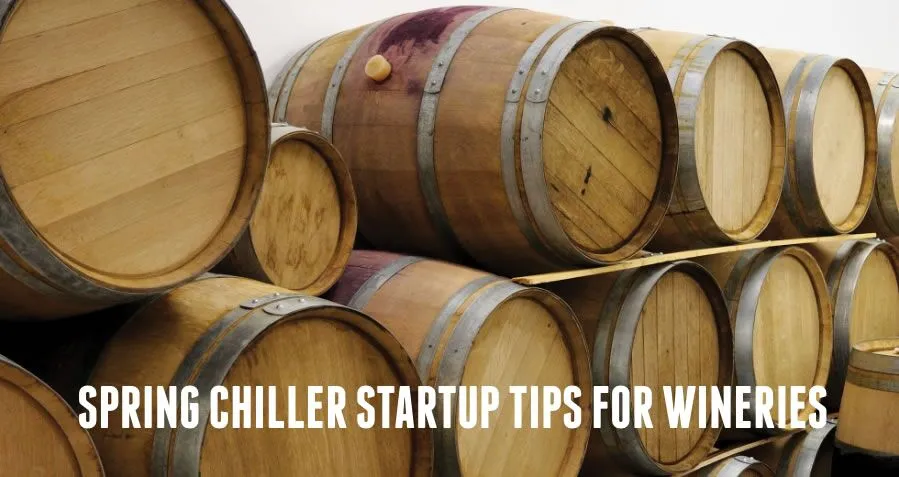
Get Your Cooling System Ready for the Season Ahead As spring arrives and vineyard life begins to bloom again, it’s the perfect time to wake your chiller from winter hibernation. A smooth startup now means reliable cooling when you need it most — whether you’re cold-soaking rosé lots or prepping for bottling. Below is a helpful step-by-step guide to safely and efficiently hook up and prepare your chiller for winery use this season: Spring Chiller Startup Checklist 1. Clean the Condenser Coils Spring debris like cottonwood, pollen, and leaves can restrict airflow. Use a soft brush or coil-safe cleaner to remove buildup. For heavy grime, a gentle rinse with water may help — just avoid damaging the fins. Straighten bent fins with a fin comb if needed. 2. Remove Winter Protection Take off tarps, overhangs, or insulation used for winter protection. Ensure there’s no trapped moisture, which can lead to rust or mold. 3. Inspect Power & Electrical Conne
00


As the effects of climate change accelerate and dangerous weather conditions become more frequent, we have to reduce carbon emissions on a global scale. Even before founding Westcoast Solar Energy, we designed and installed solar panel projects that help reduce carbon footprint, reliance on fossil fuels, and energy costs. As the years have gone by, we have seen a tremendous shift where solar energy is more affordable and accessible than ever. The versatility of solar energy means that anyone can benefit from this renewable energy source. From small-scale solar devices like phone chargers or water heaters to the larger residential and commercial solar projects we work on, solar energy belongs to everyone. If you’re looking to go solar, contact our team. The Benefits of Solar Energy The benefits of solar energy can be split into three categories. Health Environment Economy A decreased use of fossil fuels reduces matter emissions from the air leading to better cardiac and res
00

Sustainable farming practices are essential for protecting the environment, improving long-term agricultural productivity, and supporting healthy communities. In fact, many of the methods highlighted today are shared across a variety of certification programs, from sustainable certifications like SIP Certified to regenerative programs like Regenerative Organic Certified (ROC). While each certification has its own specific requirements, the core principles of responsible farming remain consistent. In this week’s Marketing Tip, we’ll take a closer look at three key areas – Water Management, Soil Health, and Habitat Preservation – and how sustainable farmers manage them to ensure future success. Water Management Water is one of agriculture’s most critical resources. Sustainable farmers work carefully to both use water efficiently and protect water quality. Efficient Irrigation Anyone who has struggled to keep a plant alive knows that plants
00