
Filter Post Type
Sort:
Most Recent
110 of 20
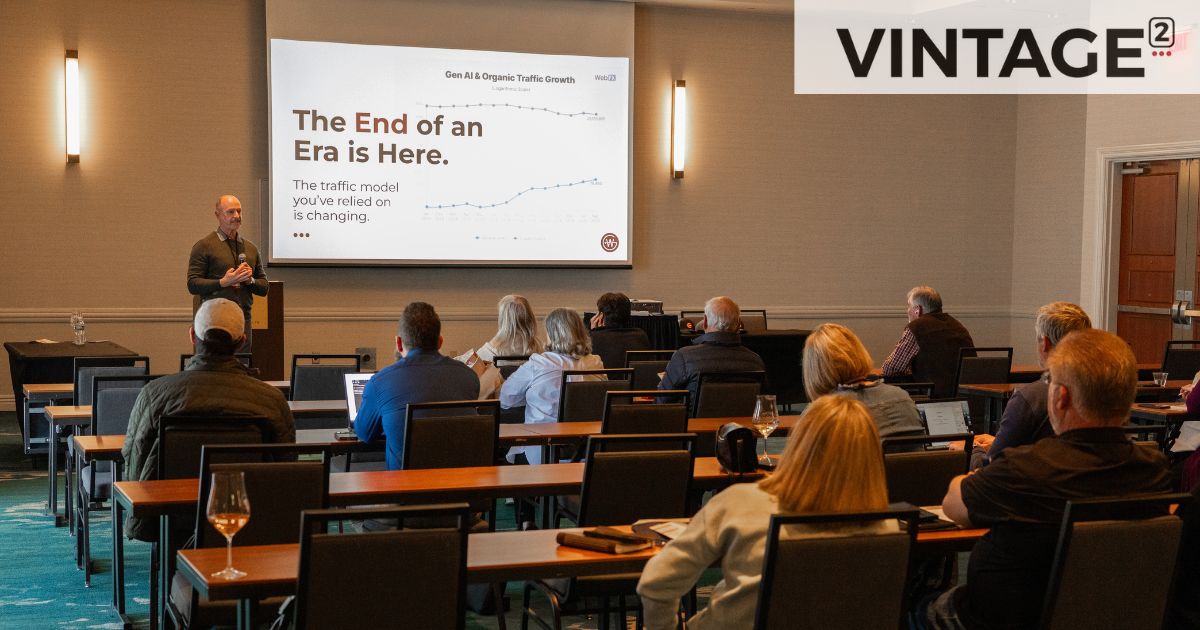
New AI Marketing Readiness Report 2026 | Wine Industry Data April 2026

AI Marketing Readiness Report 2026 | Wine Industry Data

New research: How ready is the wine industry for AI marketing?

The Weinheimer Group has released its 2026 AI Marketing Readiness Survey, the first primary research study of its kind focused on AI adoption among winery operators and marketing decision-makers.

Key findings from the verified respondent set:

— The majority of winery operators have not yet integrated AI into their marketing workflows, though awareness is high and directional intent to act is growing.

— When asked what would move them toward adoption, respondents identified education and a clear starting point as the primary catalysts, ahead of budget or access to tools.

— AI-powered search visibility is emerging as a priority concern. Operators are beginning to ask how their winery appears when a consumer queries an AI assistant for a recommendation.

The findings are grounded in responses from verified wine industry professionals and presented alongside my VINTAGE2 AI marketing roadmap framework.

Note that all of these findings are directional as it can be challenging I've learned to pull winery folks away from their work to share their perspectives. Thank you to all of those who participated.

I also welcome your perspective!

00
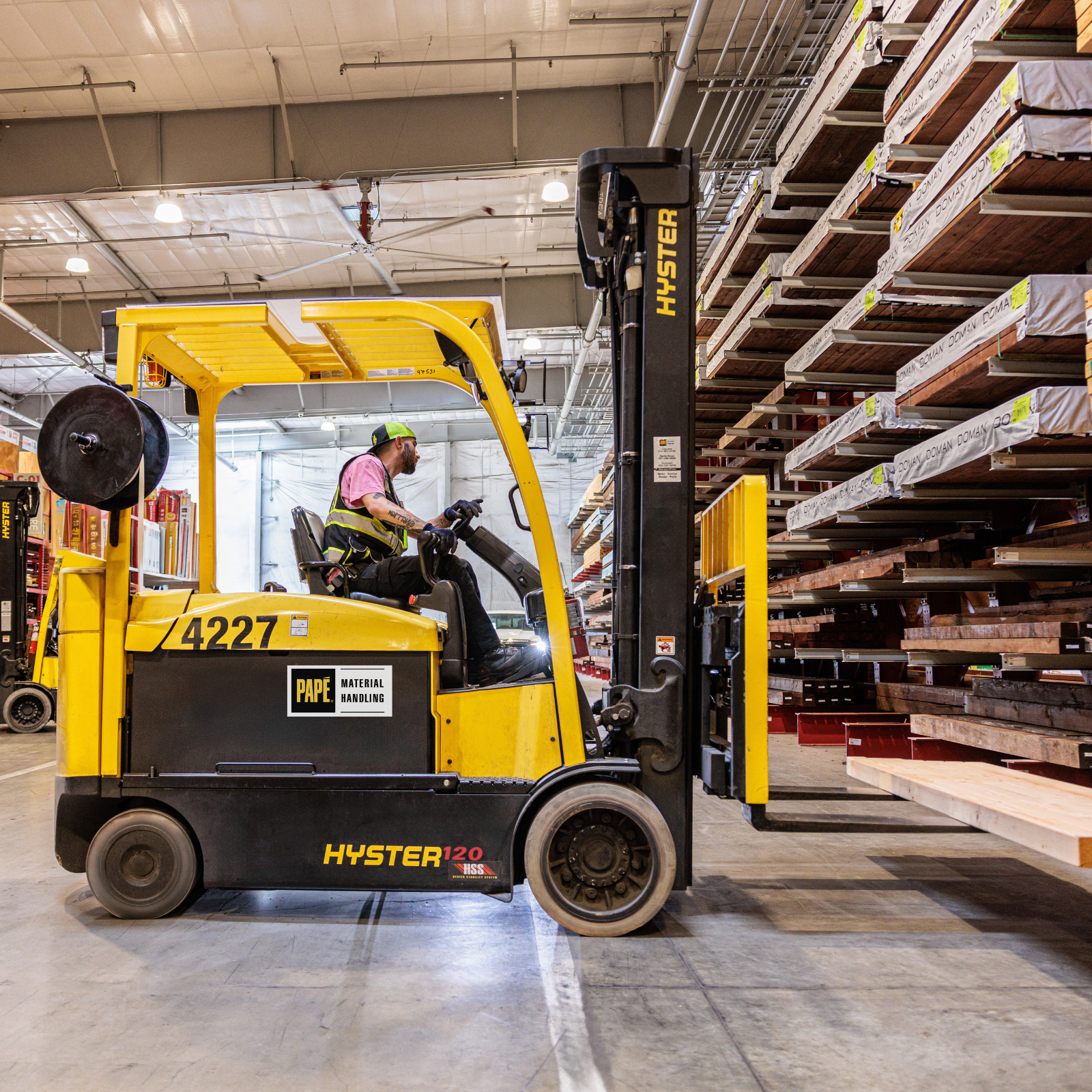
How Golden State Lumber Is Proving the ROI of Electric Forklifts with Papé Material Handling
If you’ve been waiting for real-world proof that electric material handling vehicles (MHVs) can outperform internal combustion in busy, space-constrained operations, this is it. Our new white paper, Electrifying Material Handling Vehicles, shows how Golden State Lumber made the switch to an all-electric fleet and increased uptime, safety, and cost control. Below is a short overview of what you’ll learn in the full paper, and we’ll explain why now is the time to get serious about your own electrification roadmap. Why the Shift to Electric Is Accelerating Electrification isn’t just an environmental initiative; it’s an operational upgrade. Modern electric forklifts offer consistent power, instant torque, and whisper-quiet operation. With electric MHVs, communication is clearer, and air quality is high. And with fewer moving parts, they also tend to require less time in the shop, helping reduce the total cost of ownership over the life of the vehicle. Add in
00
Wine and Spirits Sustainability Trends
The global shift toward sustainability is palpable across nearly every sector. Within the wine and spirits industries, this movement has gained remarkable traction, driven by consumers’ increasing demand for environmentally responsible products. More pressure for industry to put sustainability at the center of all operations but also provides opportunities for businesses to flourish by staying ahead of the trends in innovative and sustainable advancements. Here are four sustainability trends to keep an eye on: Regenerative practices for wine and spirits Recent years have seen a boom in conscious agricultural practices through the philosophy that all aspects of agriculture are connected. This philosophy emphasizes the careful utilization of land management to restore and regenerate the ecosystems and land we use, leaving it in better health for future generations.  Regenerative principles are a push back against traditional industrial agriculture practices which are respons
00
Beyond Discounts: How Loyalty Points Drive Customer Retention for Wineries
For years, discounting has been the default lever wineries pull to spark sales and reward loyal customers. But in today’s crowded marketplace, deep discounts can erode brand value and condition customers to buy only when the price drops. There’s a better way: loyalty points programs. Retention, without discounting, comes from making customers feel known, valued, and part of something special. They’ll stay not because it’s cheaper, but because it’s theirs. Instead of discounting away margin, wineries can encourage repeat visits and purchases by offering rewards that feel aspirational, personalized, and memorable. Loyalty points add up over time, giving guests a reason to come back again and again, all the while protecting your brand’s premium image. 10 Reasons Why Loyalty Points Work Shift from price to experience. Points reward frequency and engagement, not bargain hunting. The program should reinforce experience, access, and emotional loyalty, not
00
DH Wine Compliance Plans Expansion with Building Purchase
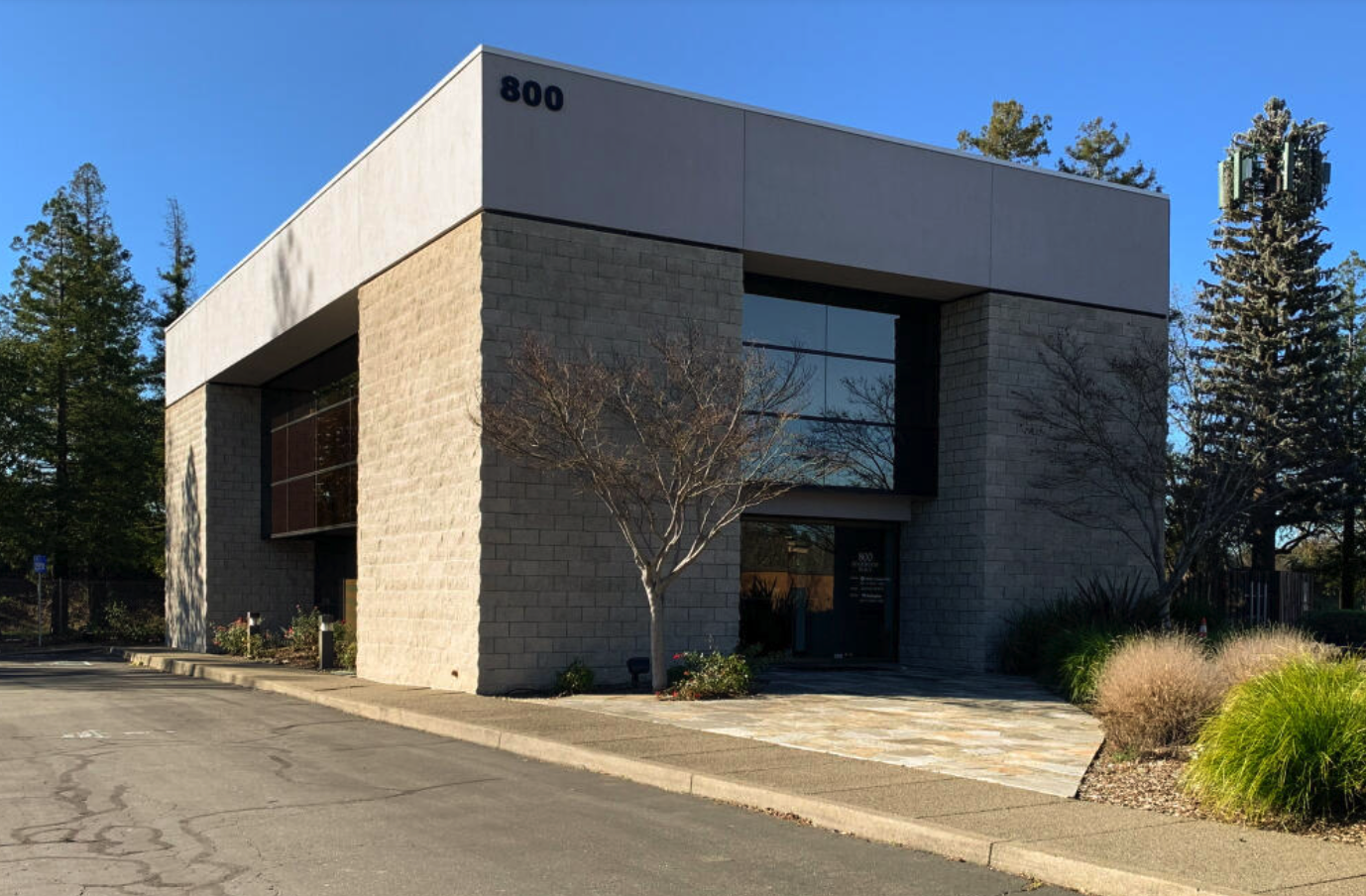
DH Wine Compliance plans to relocate from the Sonoma County airport area in mid-2025 to an office building it purchased in Windsor. The founder reflects on how the business has evolved with agency tech adoption and a recent industry slowdown. DH Wine Compliance, which helps the wine business stay in line with federal, state and local regulations nationwide, will be getting a new home this year, its 15th in business. An affiliate of the Sonoma County-based company purchased a 9,950-square-foot office building in Windsor on Dec. 30, 2024, for $2.2 million, according to public records. Founded in 2010 by Drea Helfer, DH Wine Compliance has been operating out of 2,237 square feet at 5570 Skylane Blvd, Suite A, north of Santa Rosa. The move to the new building will provide the company with a permanent home and room for future growth, according to Helfer. "It's a big step for the company," she said. "We've been renting for the past 15 years, and it just feels great t
00
Tapì and Ganau Announce Ganau’s Entry into the Tapì Group, Creating a Leading Operator in the High-End Wine and Spirits Closure Sector
Tapì, a global leader in closures for premium, super-premium, and luxury spirits, and Ganau, a renowned Italian producer of high-end wine corks, are proud to announce that Ganau joins the Tapì Group. Together, they are poised to make a significant impact in the industry by offering a comprehensive range of high-end sustainable closures. The integration of Ganau into the Tapì Group creates a synergy that will enable both companies to offer a comprehensive range of closure solutions and to better serve an increasing demand for innovation, quality, and superior service across the wine and spirits sectors. Tapì will be incorporating Ganau’s high-end natural and micro-agglomerated cork stoppers into their closure offerings while Ganau will gain access to Tapì’s extensive international network, facilitating global expansion and broadening their customer reach. Ganau’s decades-long experience in cork closure production has established the
00
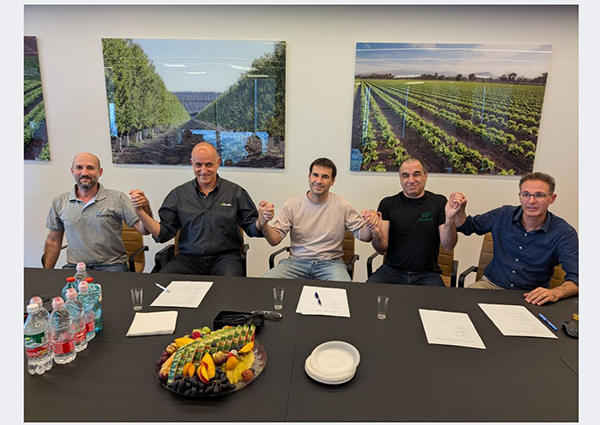
Rivulis and Phytech Announce Strategic Partnership to Advance Sustainable Agriculture
Smarter Together: Rivulis Irrigation and Phytech announce strategic partnership to advance sustainable agriculture. Rivulis, a global climate and irrigation leader, and Phytech, a pioneer in digital farming solutions, are excited to announce their new strategic partnership.   This collaboration represents a major step forward in sustainable farming, combining Rivulis' global presence and leadership in micro irrigation products and solutions with Phytech's cutting-edge real-time plant health and hydraulic monitoring and automation technology. As part of the move Rivulis will integrate its cloud-based precision irrigation subsidiary, Manna Irrigation, into Phytech. Phytech’s data driven approach, initially focused on aiding agronomic decision-making through real-time plant/tree health monitoring, has gradually expanded into real time hydraulic monitoring and automation of grower’s irrigation and fertigation infrastructure, providing farmers with a comprehensive
00
Wine and Spirits Sustainability Trends 2024
Global Package Exhibiting at the 2024 ADI Craft Spirits Conference and Vendor Expo - Booth 223 Baltimore MD The global shift toward sustainability is palpable across nearly every sector. Within the wine and spirits industries, this movement has gained remarkable traction, driven by consumers’ increasing demand for environmentally responsible products. 2024 brings about more pressure for industry to put sustainability at the center of all operations, but also provides opportunities for businesses to flourish by staying ahead of the trends in innovative and sustainable advancements. Here are four sustainability trends to keep an eye on in 2024: Regenerative practices for wine and spirits Recent years have seen a boom in conscious agricultural practices through the philosophy that all aspects of agriculture are connected. This philosophy emphasizes the careful utilization of land management to restore and regenerate the ecosystems and land we use, leaving it in better health for fu
00
Wine and Spirits Sustainability Trends 2024
The global shift toward sustainability is palpable across nearly every sector. Within the wine and spirits industries, this movement has gained remarkable traction, driven by consumers’ increasing demand for environmentally responsible products. 2024 brings about more pressure for industry to put sustainability at the center of all operations, but also provides opportunities for businesses to flourish by staying ahead of the trends in innovative and sustainable advancements. Here are four sustainability trends to keep an eye on in 2024: Regenerative practices for wine and spirits Recent years have seen a boom in conscious agricultural practices through the philosophy that all aspects of agriculture are connected. This philosophy emphasizes the careful utilization of land management to restore and regenerate the ecosystems and land we use, leaving it in better health for future generations.  Regenerative principles are a push back against traditional industrial agriculture p
00
Are the New Groundwater Management Plans Being Watered Down by Weak Monitoring Methods?
"GROUNDWATER . You can't see it, but millions of Californians depend upon it as a vital source of water for their homes and businesses." Those are not my words but the introductory words for the promotional video that appears on the SGMA (Sustainable Groundwater Management Act) website1 . The statement is a rather simply worded way to convey the obvious: that groundwater is vital to our livelihood here in California, and especially important to honoring and sustaining our agricultural heritage. While groundwater provides needed sustenance for numerous rural, as well as urban communities, it is agriculture that demands the lion's share of the resource. Central Valley agriculture turns to groundwater pumping whenever drought or poor rainfall years reduce the availability of surface water deliveries. Cries for construction of more reservoirs to capture and store more stormwater and snowmelt so that canals can be filled with more water are always being heard. Yet, apart f
00