
Filter Post Type
NewsVideoProductEventLink
Sort:
Most Recent
1–10 of 55

March 31, 2026
AWG Wine Advisors Announces Inaugural Wine Business Seminar
Press Release
00

Your BevAlc company is leaving money on the table. Here’s where to find it. Money is leaking out in ways that are easy to miss: Excess inventory tying up cash Small stockouts quietly killing sales Teams spending hours reconciling spreadsheets Forecasts that don’t align across the business Individually, these feel manageable. Together, they add up to a meaningful hit to margin. The reality is that many wine and spirits companies are leaving money on the table—not because of a lack of strategy, but because planning is disconnected across sales, operations, and finance. We break down exactly where that money is hiding—and how to start uncovering it. Read the full article here: https://claret.app/blog/your-bevalc-company-is-leaving-money-on-the-table #SupplyChainPlanning #Forecasting #BeverageIndustry #BevAlc #WineIndustry #InventoryManagement #DemandPlanning #WineBusiness
00

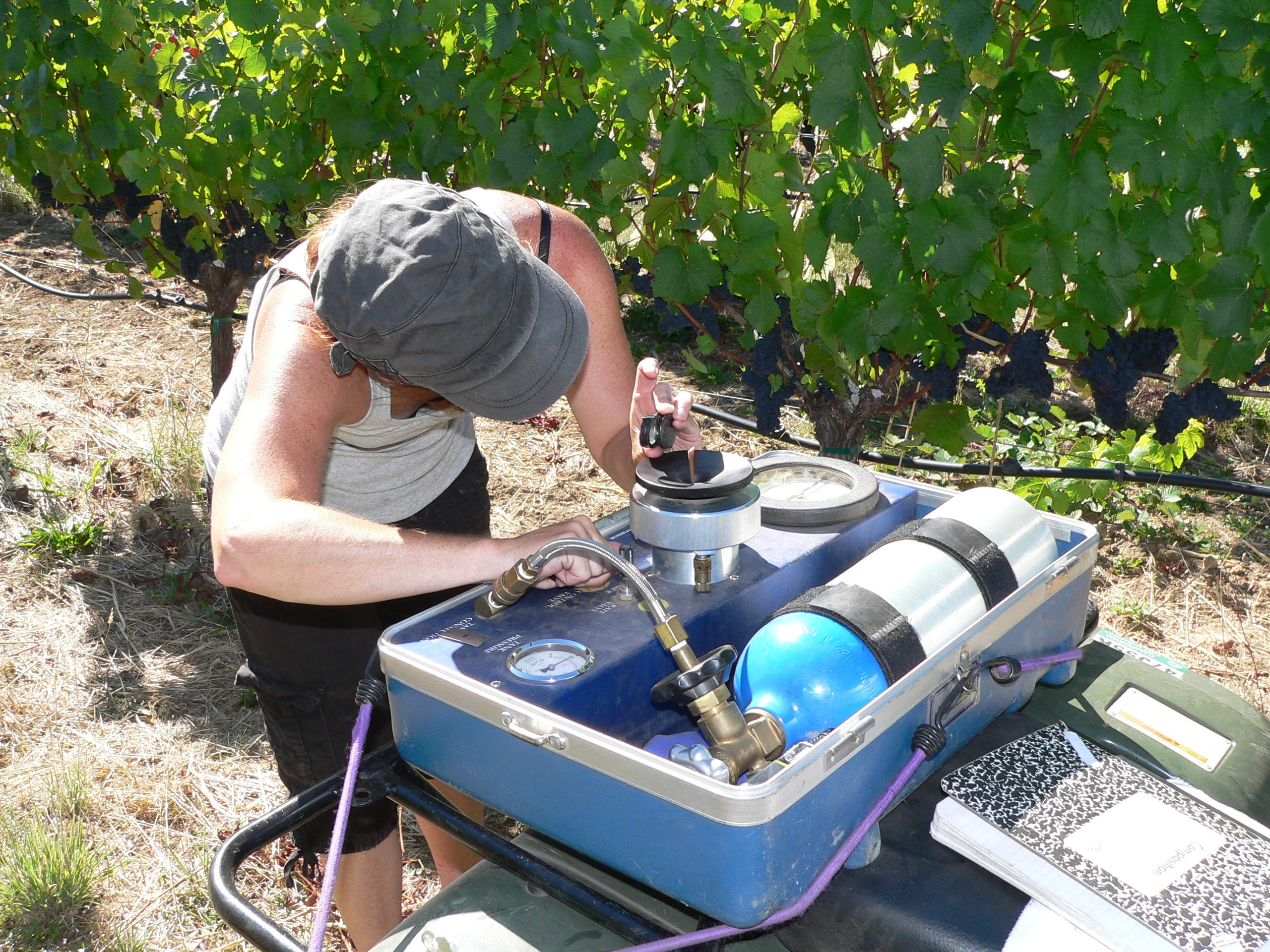
Two years ago, I wrote an article on AI in the vineyard for WBM. Feel free to read that article here…if you want. Otherwise, my basic argument was that although AI will eventually play a role in how we farm grapes, it’s a long way off compared to other industries and even other crops. We who grow grapes are the last ones to see such innovation. And since then, AI has grown exponentially. If two years ago you were playing around with Chat GPT to create bizarrely distorted images and learn about tax loopholes, you can now go onto the likes of Claude and have it just create a website for you from a single prompt. Chatbots like this have essentially eliminated the need for entry-level coders. However Claude is a computer, so it makes sense that it’s gotten very good at writing code for other computers. Similarly Chat GPT has digested the entire internet, and curates any answer for you by plucking it from its vast network of information. Sometimes its correct, and other t
00
March 2, 2026
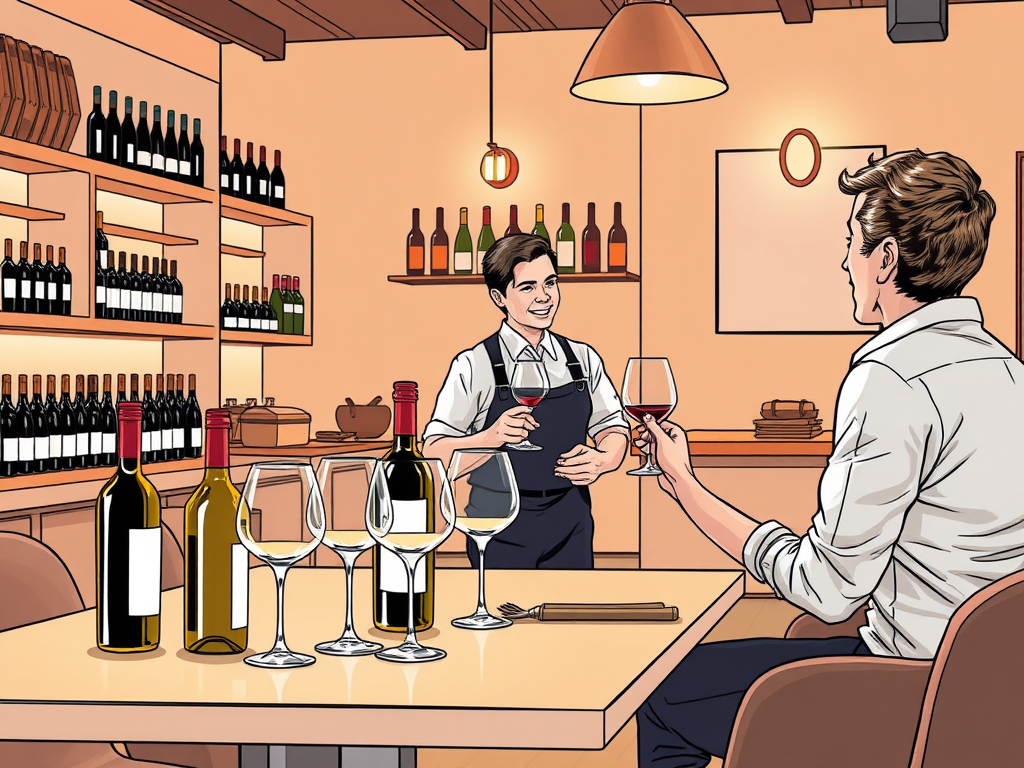
We call it a Tasting Room, when it’s really a Sales Room. Why is that? After the repeal of Prohibition in 1933, wineries re-opened in an environment where the government was highly suspicious of any and all alcohol sales. On-premise consumption was restricted and considered the purview of saloons, which were vilified during the years of Prohibition. So, to comply with laws and distinguish themselves as places of refined moderation, wineries leaned into “tasting,” not drinking. The Tasting Room became the winery’s sales room. Over the decades, tasting rooms have become places of hospitality, education, and increasingly, dinner (or lunch). Along the way, the primary role of the tasting room—to form a connection with the consumer for the purpose of selling wine—got lost. Now, I recognize that I’m being hyperbolic here. In the contracting market we’re living in, too many wineries are focusing only on the hospitality aspect. They need to lean
10
February 23, 2026
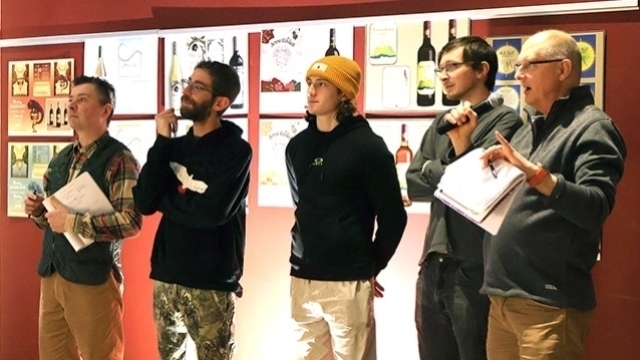
California Lab Donates Services to Finger Lakes Viticulture Degree Program
Press Release - The donation started with a student looking for a more detailed analysis of his enology research results.
00
February 10, 2026

After 30 years of moving up and to the right, the American wine industry hit a wall. Not a temporary slowdown or a soft patch. A structural shift that requires a fundamentally different marketing playbook. 2025 was the reality check. 2026 is the year wineries either adapt or watch their customer base age out beneath them. The data is now unambiguous: wine sales dropped approximately 6% in 2024, marking the steepest decline in decades according to SipSource industry data. More troubling than the headline number is what's driving it. This isn't a recession blip or a bad vintage. It's a fundamental realignment of who drinks wine, how they buy it, and what they expect from the brands they choose. Here are the five trends reshaping the US wine market and what they mean for your brand's survival. The Demographic Disruption The wine industry built its growth on one generation: Baby Boomers. That generation is now aging out. The Wine Market Council's 2025 U.S. Consumer Ben
00
December 2, 2025
Batton Down the Hatches: It's a Shock Market for Vineyards Without Contracts
00
November 10, 2025

Wine Industry Sales Education (WISE) is proud to announce the launch of the WISE Rising Star Scholarship Program, three professional development scholarships designed to invest in the people shaping the future of the wine industry. Now in its 16th year supporting winery DTC, WISE continues its commitment to helping winery professionals grow through hands-on education, coaching, and certification. The new scholarships support both emerging professionals and rising managers who demonstrate heart, hustle, and a commitment to excellence. Recipients will be recognized at the 2026 Direct to Consumer Wine Symposium, held in Monterey California January 20-22, 2026. Two Tracks, One Goal: Empowering DTC Growth Rising Star Professional Scholarship (Value: $1,275) One Available. For individuals new to the wine industry or early in their DTC journey. Includes: WISE #111 Tasting Room Professional OR WISE #113 Wine Club ProfessionalWISE #116 Outbound Phone Sales Professional WISE
00
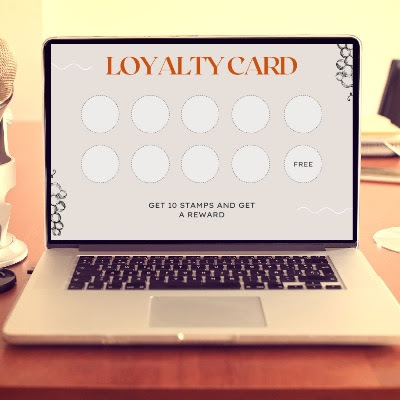
For years, discounting has been the default lever wineries pull to spark sales and reward loyal customers. But in today’s crowded marketplace, deep discounts can erode brand value and condition customers to buy only when the price drops. There’s a better way: loyalty points programs. Retention, without discounting, comes from making customers feel known, valued, and part of something special. They’ll stay not because it’s cheaper, but because it’s theirs. Instead of discounting away margin, wineries can encourage repeat visits and purchases by offering rewards that feel aspirational, personalized, and memorable. Loyalty points add up over time, giving guests a reason to come back again and again, all the while protecting your brand’s premium image. 10 Reasons Why Loyalty Points Work Shift from price to experience. Points reward frequency and engagement, not bargain hunting. The program should reinforce experience, access, and emotional loyalty, not
00
October 16, 2025
Encore Glass Celebrates Its 50th Anniversary
00