


March 1, 2026
Deer Fence Installation Video & Promo Code!Check out the video below to see how easy it is to intall a DIY system from Deerbusters/Trident Enterprises! Dr. James Kroll is a well-known leader in the wildlife industry who has recently used a Trident Enterprises Deer Frence for a project in Texas.
Use promo code: drdeer
for 10% off at deerbusters.com
March 1, 2026
Why Poly Deer Fence Isn't Good For Rodent Control
If you are a gardener using poly deer fencing, you may think that you are in the clear for any type of wildlife damage. Think again. If deer aren't a particular concern to you, instead be concerned about the damage caused by small critters.
Small rodents, such as rabbits, ground hogs and gophers use their teeth in scissor motion to gnaw through materials to create small holes, or simply cut through areas. This is why polypropylene fences aren't good for rodent control in the garden. Remember, this type of fence mesh is a tough plastic - but it can't stop chewing attempts. Once the fence is weakened by chewing animals, the garden fence can easily be taken down by deer and other types of wild animals. .
This is why metal deer fencing with a PVC-coating is recommended to stop small animals from feeding on fresh fruits and vegetables. The PVC-coating on the metal fence will stop all attempts from rabbits and other critters. After trying for a while, they will hop away to another place.
Do your research before buying a deer fence and make sure that you are getting the right type of garden fence to stop a particular animal.
March 1, 2026
Deer Damage Prevention at Grape Vineyards
Winemakers, you will soon be planting grapes late winter-early spring to begin your journey into wine making. Now is the time to develop a deer management strategy to keep away hungry deer from grape vines. Here are deer control techniques to implement:
Deer Fencing
White-tailed deer are nosy animals; and if they smell a sweet, delightful scent, they will want to know what it looks like and tastes like. Deer will continue to explore a farm or gardening area until they are pushed out by a grower. This is why deer fence is a great management tool. Deer Fencing over 7.5' feet tall ensures that deer will not jump over the fence and into the grape vines.
Bird Netting
Sometimes we focus too much on deer and small ground pests that we forget about our aerial attacks from birds. If you are feeding birds at your vineyard, stop immediately - you are only encouraging attacks on your plants. Bird nets are easy to use and drape over easily onto vines.
Scare Devices
Birds may fly away when they see a scarecrow or shimmery object in the field. Although this technique is inexpensive, it's not as effective as using a physical barrier such as a deer fence.
Deer Repellents
Deer hate the taste of garlic and pepper (both can be planted during the winter season). It's best to apply deer repellents with these natural ingredients to ward off deer from vineyards. Apply granular deer repellents around a deer fence for best results.
March 1, 2026
February Planning to Grow Grapes
It's time for vineyard owners to plan for the grape growing season in early spring. There are many tasks that vineyard owners must accomplish before managing grape vines including:
How to Plant Grapes
Grape Growers will plant bare-root grape vines in early spring. Before planting, however, growers will need to soak the roots in water for a few hours while finding a permanent growing spot with full sunlight (or morning sunshine). Space vines 6 to 10 feet apart and dig plants 12 inches deep. February and March are good times to prune to three buds per vine.
Caring for Grapes
The first few years will not product fruit, however, pruning is crucial during the first year - but do not use fertilizer. In the second year, prune back all canes and begin to fertilize.
Vineyard Management
Once the vines start producing sweet fruit, wildlife will begin to circle around vineyards. It's important to protect vineyards in February and March with deer fencing to rid deer from vineyards. The ideal height for deer fence is 7.5'-8' foot high and will include ground stakes to hold down the fence from digging animals. Bird netting on vineyards will keep birds away that are migrating north.
Implementing wildlife management is vital for successful grape growing.
March 1, 2026
Spring Deer Management
Spring is the best time of year for gardening as the snow melts and the grass turns from yellow to green. For gardeners, it's an exciting time to begin growing a vegetable garden full of asparagus, beets, carrots, lettuce and other earthy crops. For deer, it gets even better, as the herds sit and wait for gardeners to walk away from their landscape.
Spring is the most active season for deer movement; and there are some things that home growers should keep in-mind. For starters, does give birth to fawns between late April and early July while roaming with babies from the previous year. This means that homeowners will need to worry about agriculture damage from both the mama deer and her baby deer during this time period.
As in winter, Deer will wait to taste flowers until the early morning and late evening hours to go undetected by homeowners. If you have a trail camera, you may be interested in learning what types of animals are causing crop damage and find out how they are reaching growing areas.
Spring Deer Management Tips
Gardeners, don't allow white-tailed deer and small critters to eat your flowers. Here are deer management strategies for spring:
Build Deer Fence
We know what you're thinking: Of course you'll tell us to buy deer fencing, Deerbusters is a deer fence business! But, it's proven that deer fencing is the most reliable means for deer control in gardens and will last 15-30 years.
Deer can jump over 7' feet high; but they won't unless they are being chased by deer predatory animals such as bears, coyotes or wolves. This is why the best height deer fence is 7.5' to 8' feet high.
Not only will deer fencing stop deer from entering gardens, but it will prevent ticks from crawling onto properties dropped by deer. The use of a deer fence can reduce the spread of tick-borne diseases, such as Lyme Disease, by 97 percent! Not only is deer activity high in spring; but March is considered to be the start of tick season, as outdoor enthusiasts spend more time outside gardening, hiking and camping.
Speaking of tick bites, do you know anything about tick removal tools? If not, you need to learn how to remove a tick and the signs of Lyme Disease.
Use Deer Repellents
Deer hate the smell and taste of garlic, pepper and other herbs. It's best to apply repellents around the deer fence to rid deer from gardens. Deer Repellents will need to be reapplied after heavy rains, snow and excess heat.
Grow Deer Resistant Plants
Grow geraniums, iris and verbana, among other deer-resistance plants, to stop deer from reaching your vegetables. After a few licks or sniffs, deer will make a U-turn away from the garden.
Follow @Deerbusters on Facebook to learn more deer management techniques for spring.
March 1, 2026
May Is Lyme Disease Awareness Month
Lyme Disease Awareness Month is an observance month in May that raises funds for research of Lyme, educational opportunities and organized events. Activists proclaim May to be Lyme Prevention and Awareness Month since May is the heart of tick season.
About Ticks
Ticks are tiny, sometimes smaller than a finger nail or a dime; and they can be undetected for several hours or days if tick-checks are not performed on yourself and your pets.
With over 900 tick species crawling throughout the world, it's easy enough for a tick to find a warm-blooded host to feed from such as a wild animal, pet or human. In the Northeast region of the United States, black-legged ticks prevail and favor the white-tailed deer. When white-tail deer enter into woods, lawns or gardens, ticks follow - along with tick diseases.
Symptoms Of Lyme Disease
Lyme Disease is a bacterial disease that is caused by a latched-on tick bite. Most individuals will experience a fever, headache, fatigue, muscle aches, and swollen glands – often confused with signs of the flu. Lyme Disease can often be misdiagnosed for this reason. And, while human reports are the most common, dogs and cats can also get Lyme Disease from a deer tick.
The most common sign of Lyme is a ring around the infected skin, also known as the "Bulls Eye" marking. Clinical illness in dogs lasts from 2-5 months; and can be treated with antibiotics like Doxycycline or Amoxicillin, if caught in the early stages.
Lyme Disease Prevention Methods
White-tailed deer are the most common carriers of ticks; and this is why homeowners should consider installing a 7.5-8' foot tall deer fence. The benefits of deer fencing outweigh the initial cost including: tick disease prevention; pet protection against wildlife encounters; and garden protection against deer damage.
Gardeners can plant deer-resistant flowers and herbs in the yard and apply tick sprays and deer repellents to the yard to also rid deer from lawns.
When outside, individuals are encouraged to wear [bright] long-sleeve clothing to easily spot ticks; spray tick repellents along their ankles; and perform thorough tick-checks directly after playtime.
Get Involved In Lyme Disease Awareness
There are many ways to get involved this Lyme Disease Awareness Month. Here are just a few ideas:
Check out local 5K run/walks in your area that raise awareness of #Lyme.
Join a workshop to learn about Lyme Disease prevention strategies.
Share stories about Lyme Disease testing and health after the tick bite.
Join the conversation on @Deerbusters Facebook using hashtags #Lyme, #LymeDisease #LymeDiseaseAwareness.
March 1, 2026
Deerbusters' "Tick Talk" with Dr. Daniel CameronDeerbusters sat down with Daniel Cameron, MD. to discuss the dangers of ticks and Lyme Disease. We met with him at his medical practice in Mt. Kisco, NY.
Watch what he has to say about tick disease:
Dr. Daniel Cameron, MD, MPH, is a nationally recognized leader for his expertise in the diagnosis and treatment of Lyme disease and other tick-borne illnesses. For more than 30 years, he has been treating adolescents and adults suffering from Lyme disease.
March 1, 2026
Deerbusters Deer Fence Releases HEXA-GONEâ„¢ Steel Hex Web Fence Deerbusters is pleased to announce a new addition to the Steel Hex Web Fence collection affectionately referred to as HEXA-GONEâ„¢.
Steel Hex Web is Deerbusters’ bestselling metal deer fence, known for its virtual invisibility and chew-proof components. It was developed by Peter Aquilina, owner and operator of Deer DeFence in Seymour, Connecticut.
With the release of a 7.5’ x 100’ HEXA-GONEâ„¢ fence on Deerbusters.com, web visitors will learn that it lasts 10 years longer than the original version; contains thicker PVC-coating to protect the steel; and is stronger with a breaking strength of 1250+ pounds. It is manufactured using a higher carbon content making the wire harder and increasing the strength compared to other hex products.
Features of HEXA-GONEâ„¢ include: • 20 Gauge Starting Wire; 18 Gauge after PVC Coating • 1” Hexagonal openings • 1250+ Breaking Strength • Industry leading PVC Coating- Durable longer lasting protection. Thickest coating of any Steel Hex on the market. • Hot Dipped Galvanized- Class 3 coating will prevent rusting for up to 30 years • Designed for ground contact and in ground use • Suitable for use in coastal applications • Life Expectancy of 30 years
“With the introduction of the HEXA-GONEâ„¢, we are raising the standards of metal deer fencing. Deerbusters customers deserve the best; and the stronger Steel Hex Web fence will help protect gardens from deer damage and homeowners from tick diseases spread by deer,” says Aquilina.
This type of steel fence is recommended to use on landscapes to keep out deer, coyote, rabbits and other small critters. HEXA-GONEâ„¢ is available for sale on Deerbusters.com and affiliate websites.
About Deerbusters.com: DeerBusters has been leading the fencing industry for over 30 years with reliable DIY garden fence in poly and metal fence materials for homes, farms, forests, colleges, orchards, vineyards, and gardens.
March 1, 2026
Trident Enterprises Launches Electric Fence Website Waynesboro, PA, August 2018: Trident Enterprises is pleased to announce the launch of ElectricFenceCo.com, a retail website devoted to DIY electric fence supplies for diverse landscapes.
In response to the growing concern over the spread of Chronic Wasting Disease (CWD), ElectricFenceCo. is meant to service growers and livestock owners with high quality electric fencing that will keep away cervid species that may be infected with CWD.
In the Summer of 2018, the Wisconsin Department of Natural Resources called for changes on deer farms that may require the use of an electric fence. The rule calls for deer farms that have had a CWD infection to install a second fence or solid barrier. CWD-free farms would have three options: add a second fence, add a solid barrier or add an electric fence. Farmers would have one year to comply.
In addition to using electric fence on deer farms, this type of fence is highly recommended for deer and bear management in gardens and for use on farms and ranches to secure livestock including: cattle, horses, pigs, goats and sheep.
On ElectricFenceCo., web visitors can expect to find:
• Fence materials for sale; • Relevant blog posts and news articles; • Fence installation instructions.
Visitors are encouraged to connect with ElectricFenceCo. on social media and sign up for the newsletter.
About ElectricFenceCo.
ElectricFenceCo. prides itself as being one of the most trusted names in the fence industry for electric fencing to stop deer and rodent damage from persisting in the garden. Not only is electric fencing suitable for wildlife control; but it is a top choice for livestock owners looking for security fencing for cattle, horses, sheep, goats and pigs. ElectricFenceCo. products are easy to install, DIY projects.
ElectricFenceCo. is owned by Trident Enterprises International, located in Waynesboro, Pennsylvania.
March 1, 2026
Electric Fence Giveaway!Need elecrtic fencing for your landscape? Then, enter into the ElectricFenceCo.com giveaway for a chance to win a 250' electric fence kit - a $200 value!
The baited electric fence kit will keep deer and other small animals out of gardens; but it also serves well as a farm fence for livestock management. This 250' baited electric fence kit comes complete with parts including:
(1) Energizer .jpg)
(1) 250' Poly Wire
(1) Case of Deer Pops and Bait Lure
(1) Ground Rod
(1) Drive Rod
(12) 4' Support Posts
(12) Insulators
(1) Warning Sign
(1) Light Tester
Rules:
One entry allowed per email address. Contestants will have until October 1, 2018 to enter and be notified by e-mail once a winner has been selected.
Enter today for a chance to win a free baited electric fence kit from ElectricFenceCo.com.
March 1, 2026
How High Does a Deer Fence Need to Be? I've seen deer jumping over high fence before; but how can I stop them from feasting on my crops?
The typical whitetail deer is known to jump well over 8' high. In one case, a deer jumped a 15’ deer fence; but it may have been chased by a predatory animal such as a coyote or wolf (it's unknown).
For maximum deer protection, we recommend at least a 7.5’ high deer fence to protect crops from deer damage. Deer can jump an average of 8’ high, but will not risk the jump if they are uncertain because they have poor vertical vision.
Would you voluntarily jump off a 2 story building, especially if you were unsure of the landing? For this same exact reason, nature makes deer reluctant to jump over a 7.5’ fence. The eyesight of a deer is also a huge factor when it comes to our deer fencing. They have real trouble seeing the deer fence top. Deer see best in the yellow, deep blue and certain ultraviolet portions of the spectrum, and both polypropylene deer fencing and pvc-coated steel hex web mesh deer fencing reflect these wavelengths poorly.
We have both 7.5’ and 8’ deer fencing available to ensure the best deer management solutions.
Click here for more information.
March 1, 2026
Deerbusters Deer Fence Releases Welded Wire Fences in 19 Gauge, 1” x 1” Mesh Waynesboro, PA: Deerbusters.com is pleased to announce the expansion of the Welded Wire Fence product line to include 19-gauge wire fences with 1” x 1” mesh holes.
Welded Wire Fencing is not only aesthetically pleasing to the eye; but serves as a reliable deer and rodent barrier, ideal for keeping out small animals including rabbits and groundhogs. This fence starts as a 19 gauge wire mesh; and then is galvanized and PVC-coated, resulting in a finished product which is 17-gauge steel.
Galvanizing the fence after welding ensures the entire fence includes all welds and joints are completely protected from corrosion unlike traditional steel fences found at big box stores.
Additionally, these fences contain 1” x 1” mesh holes to block attempts from small chewing animals that may try to squirm through the fence.
Features of Welded Wire Fence, 19 gauge include:
• 1” x 1” mesh keeps out small animals like groundhogs and rabbit • Hot dip galvanized after welding • Salt spray and ground contact approved • Great multipurpose fence for keeping out a wide variety of animals
Welded Wire Fences are made to last up to 30 years in the field and can be used as a pet fence for securing large dogs that chew and dig. Available for sale on Deerbusters.com and affiliate websites.
About Deerbusters.com
DeerBusters has been leading the fencing industry for over 30 years with reliable DIY garden fence in poly and metal fence materials for homes, farms, forests, colleges, orchards, vineyards, and gardens. In addition to growers, we are proud to work with wildlife conservation agencies and landscape architects as well as deer farmers.
March 1, 2026
Pre-Black Friday Contest!Enter for a chance to win Deerbusters' new deer fence kit, the 7.5' x 100' HEXA-GONEâ„¢ Steel Hex Fence Kit!

HEXA-GONEâ„¢ is THE original PVC Coated Steel Hex Wire. Manufactured using the original specs featuring a higher carbon amount making the wire harder and increasing the strength compared to other hex products. When you need the strongest and most reliable steel hex fence on the market, make sure to choose HEXA-GONEâ„¢. Designed to be virtually invisible from at close as 20 feet while providing over 1250+ pounds of breaking strength, HEXA-GONEâ„¢ is the strongest fence by weight available.
HEXA-GONEâ„¢ Steel Hex Web Fence is recommended for landowners dealing with chewing animals including rabbits, coyotes, groundhogs and deer.
 This Fence Kit includes:
(1) 7.5' x 100' HEXA-GONEâ„¢ Fence
(7) 8.5' x 1 5/8” pipes (7.5’ above ground)
(7) 1 5/8" ground sleeves
(7) 1 5/8" Vinyl Post Caps
(1) 1 5/8" Driver Cap for driving ground sleeves
(1) 8" Self Locking UV treated Ties - 100pk
(1) 12" Kinked Ground Stakes - 30pk
Rules for Entry
- One entry per email address
- Must be located in the United States and/or Canada
- Must be over 18 years old to enter
The winner of the HEXA-GONEâ„¢ Fence Kit will be announced on November 30, 2018.
March 1, 2026
Deerbusters Expands Product Category with Maximum Strength Extruded Deer Fence Waynesboro, Pennsylvania: Deerbusters.com is proud to introduce a new group of fence products to add to the Trident Extruded Deer Fence collection offered on Deerbusters.com: Maximum Strength Deer Fence with a Reinforced Bottom Edge.
Trident's plastic deer fence is made from a durable plastic material that has the added benefit of a reinforced bottom edge to help secure ground stakes and stop deer browsing around landscapes. Trident's extruded deer fence is not only corrosion-proof and UV-stabilized to reduce breakdown due to exposure from the sun, but the black color of the 1.75"x 2" mesh allows the fence to blend into the background from a distance.

Buyers choose Trident Extruded Deer Fence for several reasons. For one, this plastic material is lightweight and easy to maintain for novice and veteran fence installers and homeowners. The fence appears virtually invisible from a short distance; and it comes in various strength grades to give shoppers options for seasonal or permanent use. Until now, Trident Extruded Deer Fence came in strength ratings from 500 – 750 pounds and life expectancies of up to 20 years.
With Maximum Strength Extruded Deer Fence, buyers will be pleased to discover that the strength grade has increased to 950 pounds and has a lifespan of at least 20 years. This poly deer fence will come with a reinforced bottom edge - just likes its counterparts - to help hold down ground stakes along the fence line and provide additional ground support against nosy wildlife.
Maximum Strength Deer Fence with a Reinforced Bottom Edge on Deerbusters.com comes in 8-foot-tall roll sizes with 100’, 165’ and 330’ options.
About Deerbusters Deer Fence:
DeerBusters has been leading the fencing industry for over 30 years with reliable DIY garden fence in poly and metal fence materials for homes, farms, forests, colleges, orchards, vineyards, and gardens. We are proud to work with wildlife conservation agencies and landscape architects as well as deer farmers who are looking to keep in deer and elk herds with our fencing.
March 1, 2026
Can Grape Vines Survive Winter? European grapevines are more susceptible to disease and have less tolerance for cold temperatures than American grapevines - this is good news for American grape growers. While frost will generally not kill grapevines, it isn't fun to deal with on wineries. There are many winter gardening tasks that must be performed this season to guarantee a bountiful supply of grapes in the spring.
Winter is all about spring preparation and vineyard frost protection.
For starters, vines will need to be pruned (remove canes from previous year) to produce a lot of fruit. Leave just enough buds in case of cold damage. If vines continue to grow, they will produce dense shade but little fruit. To avoid freezing during the winter, place a sprinkler near the vines and turn it on before you go to bed at night. Allow the sprinkler to coat the vines in water, which will turn to ice overnight. Turn the sprinkler off in the morning or when temperatures are again above freezing.
To prepare for spring budding, winemakers and grape growers should consider installing deer fencing to protect grapes from wildlife destruction.
The best time of year to grow grapes is in late winter and early spring; so, it's time to start planning your vineyard.
March 1, 2026
How To Start a Backyard VineyardSo, you're serious about wine and are interested in grape growing.
Starting a vineyard is a lucrative business if done correctly; however the initial investment may lead vineyard owners with sticker shock. The average cost to start a backyard vineyard is $35,000-45000 per acre. Before growers begin planting grapes for wine making, they need to ask themselves a number of questions: Will the vineyard have a theme? Will the soil support a vineyard? Are wildlife an issue in the area? How will you sell your wine once "placed" on the market?
To summarize for vineyard development, wine producers will want to look at the economic outlook and some other factors before growing grapes:
- Market outlook for wine industry and grape production
- Level site and pull weeds
- Determine water quality and get a drainage system/irrigation
- Discuss soil with experts and follow through with their recommendations
- Discuss rows of grapevines
- Install wildlife fencing to rid deer, rabbits and other small critters
- Plant in late winter/early spring to avoid frost
There are many different types of wines and grapes including Moscato,Burgundy and Riesling. Read up on the grapes that you would like to produce for wine and enjoy the process!
March 1, 2026
Wildlife In the Vineyard This SpringIt's March; and spring is around the corner. With the changing season comes challenges for growers including wildlife encounters. There are a few critters that homeowners will see more frequently this season in the garden such as deer, coyotes, rabbits, groundhogs and bears.
Deer
For starters, the rut season ended at the end of the year; and now, does are preparing to give birth to fawns between late April and early July. This means that homeowners will need to worry about agriculture damage from both the mama deer and her baby deer during this time period.
As in winter, deer will wait to taste flowers until the early morning and late evening hours to go undetected by homeowners. They have been waiting to eat 'the good plants' throughout the winter season; and they will jump on any opportunity they have. Remember, it's been nothing but leaves and twigs for months.
Bears
While some bear sightings happen in February, the majority of bears will be seen in March and April as bears officially exist hibernation season. Bears will do what they do best in the spring season: eat; and they will consume between 20-30 pounds of food each day including berries, acorns and vegetables from home gardens.
Coyotes
They may look like medium-sized dogs; but they are much more aggressive. Coyote breeding season happened in January; and now, homeowners wait for coyote pups to enter into the world - and our garden.
Coyotes are opportunists, scavenging for food; and they will go after small animals including pets. Homeowners hear more in the news about coyote attacks on small dogs and cats; and they will enter landscapes in the evening hours while pets are outside in the yard.
Rabbits
Bunnies are adorable; but they are the second most complained about wild animal after deer. Rabbit breeding season began in February; so, homeowners should expect to see babies in March. After all, the gestation period for pregnant rabbits is only 28-30 days!
Groundhogs/Woodchucks
Groundhogs are a huge headache to gardeners in the spring season. To avoid predatory animals, they tunnel underneath the ground, creating two entrances, to reach gardens. They burrow 2-5 feet deep and can even climb up to 15 feet!
Deer and other wild animals are the number one complaint among growers in spring. To keep them away, home gardeners will need to install garden fence to rid each animal.
For deer, it's best to use a plastic and/or metal deer fence with PVC that is at least 7.5 to 8' feet high.

For bear deterrence, use electric fencing.
For coyotes: 6' feet high metal fence with PVC (Steel Hex Web highly suggested)
For rabbits/groundhogs: 2-3' feet high metal fence with PVC (Steel Hex Web Fence or 19 gauge Welded Wire)
March 1, 2026
Deer Management: Cheaper Isn't Better Sometimes, we as consumers, associate the best with being the most expensive; but that is not always the case. However, as far as deer management goes, let's take a look at why the least expensive action isn't the wiser choice in the long run.
Deer Repellents are the cheapest deer management method on the market. The idea is both simple: sprinkle the granular powder on the ground and it will keep deer away? Okay, great; but what happens after heavy rains and long periods of extreme heat exposure?
The repellents wash away and the ground goes unprotected for days, weeks - until the vineyard manager decides to reapply (every 15-30 days) adding to increased maintenance work in the vineyard.
While more expensive, deer fencing is the best method for keeping deer out of gardens. Deer fencerequires little upkeep after installation and will last at least 15 years outside in all weather conditions. Once vineyard managers build a 7.5-8' feet tall garden fence, they will wash their hands clean of deer damage for good.
March 1, 2026
Is Plastic Fencing Good for Rabbits? Rabbits are the second most destructive wild animals in gardens and vineyards after deer; and gardeners/ vineyard managers that have had enough of their garden destruction turn to fencing to control the situation. While there are many fence on the market, not all are suitable for rabbit fencing; and more often than not, home gardeners turn to plastic fencing thinking that this will be the answer to stopping rabbit damage.
But, they find that plastic fencing is not strong enough to block the chewing attempts from rabbits.
Rabbits chew and burrow; and therefore, plastic fencing is not a reliable option for rabbit control in gardens. Rabbits will use the fence to trim down their teeth which grow at a rate of 5" per year.
Growers: choose a metal fence with PVC coating to block rabbits such as a hexagonal fence or 19 gauge welded wire fence. Not only do the tiny mesh holes stop bunnies from squirming into gardens, but the PVC coating acts as a secondary layer of protection to secure the steel core.
Plastic fencing is not chew-resistant; and is not the best choice for garden protection against rabbits.
Insider's tip: To prevent burrowing from rabbits, trench the fence into the ground at least 6 inches.
Posted by Jennifer Smith on April 26, 2019
March 1, 2026
People Who Work in Vineyards are at Risk of Getting Ticks Lyme's Disease if the most commonly reported tick-borne disease in the united states. They're many ways to reduce the risk of Lyme's Disease. First is by activly removing Tick's as soon as they are found with a tick removal tool. Second is by installing deer fence.
Here's How to Easily Remove The Tick from Your Skin
Once you spot the tick, it is critical that you remove it at once. The sooner the better to prevent Lyme! Remember, you will have less than 48 hours to remove the tick before the possible transmission of Lyme Disease.
Step 1: Purchase a Tick Removal Tool
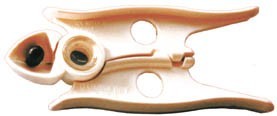
Household tweezers may not be strong enough to successfully remove the tick. We suggest purchasing the Tick Remover Tool from TridentCorp.com for easy handling. This tick remover tool allows users to inspect the tick with the 20x magnification lens leaving them at peace knowing they have removed all parts of the insect from your body.
2) Disinfect the tick-biting area with rubbing alcohol or soap and water.
3) Pull the tick straight up. Be sure that the head and body both comes out completely. (Remember: Tick-borne disease transmission is not possible without the tick's head as this is what is burrowed inside the skin.) Do not rush the process so the tick's body does not break apart. If it does break for any reason, remove the broken parts from the infected area - do not leave the remaining body parts attached to your skin.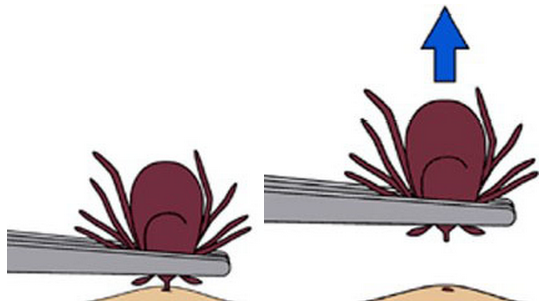
4) Disinfect the tick-biting area with rubbing alcohol one final time.
5) Place the tick in a sealed container. Store in refrigerator if it is alive, and the freezer if it is dead.
6) Take the tick to a doctor's office quickly for testing to identify the type of tick; and consider testing for Lyme Disease and other diseases.