



March 1, 2026
STS to Exhibit Innovative Wastewater Treatment Technologies at WEFTEC 2024
Benicia, CA – August 26, 2024 – Specialty Treatment Solutions (STS), a leading developer of reliable, environmentally sustainable, and cost-effective wastewater treatment systems, has announced its participation as an exhibitor at WEFTEC 2024, the Water Environment Federation’s annual Technical Exhibition and Conference. WEFTEC is renowned as the world’s largest annual water quality event, and STS is excited to showcase its technologies designed for high-loaded influents, such as those found in wineries, breweries, and other food industries.
At the heart of STS’s offerings is the Remote Operations Center, a revolutionary system that allows for full automation of wastewater treatment processes. This technology ensures that STS systems require minimal operator intervention, making them exceptionally reliable and efficient. The Remote Operations Center facilitates real-time monitoring and management, providing clients with the ability to oversee their treatment systems from anywhere in the world.

STS Remote Operations Center
STS will also feature its Modular Systems, which are available in both industrial and sanitary configurations. These systems are scalable, pre-engineered, and compact, making them ideal for a wide range of applications. Whether it’s a tourist resort in need of a remote sanitary solution or a developing area requiring sustainable wastewater management, STS’s modular systems provide a versatile and effective solution.

STS packaged systems
In addition, STS is proud to introduce its latest Underground Systems, designed to offer efficient wastewater treatment without compromising valuable surface space. These systems are perfect for urban environments or areas with limited available land, providing a discreet yet highly effective solution for wastewater management.

STS underground systems
Specialty Treatment Solutions invites attendees of WEFTEC 2024 to visit booth #6549 to learn more about their innovative wastewater treatment technologies and discover how STS can provide effective solutions tailored to specific industry needs. For more information, visit www.stswatertreatment.com.
About Specialty Treatment Solutions
Specialty Treatment Solutions (STS) is the premier provider of pre-engineered wastewater treatment systems. The company is comprised of industry experts and engineers with extensive experience in wastewater treatment for industrial, municipal, and environmental applications.
Many years of experience in the fields of irrigation, wine production, and wastewater treatment have given the STS team a vast collective understanding of the complexities and specific requirements associated with winery and other special, high-strength wastewater applications (10,000 mg/L or more BOD). STS can provide solutions even for seasonal industries and with an expected effluent quality of <10 mg/L BOD from the systems.
About Aerzen USA Corp.:
Aerzen USA Corp. is a wholly owned division of the German manufacturer Aerzener Maschinenfabrik GmbH which is a global company delivering reliable, high-performing, and energy-efficient blowers and screw compressors since 1868.
Aerzen USA Corp. is based in Coatesville, PA, and has offices, service, and rental centers throughout the USA. The company also owns and manages members of the AERZEN group: Aerzen Rental USA LLC, Vooner FloGard LLC, Aquarius Technologies Inc., and Specialty Treatment Solutions.
For more information, visit www.aerzen.com/us
March 1, 2026
The Grapes Are Ready—But Is Your Wastewater System?
Winery crush season is an exhilarating time, brimming with activity as grapes are transformed into exquisite wines. However, this seasonal surge also brings significant wastewater challenges. With increased flow volumes and high-strength organic loads, it’s critical for wineries to ensure their wastewater treatment systems are up to the task. That’s where STS comes in, offering a Start-Up Special to help wineries stay ahead of the game.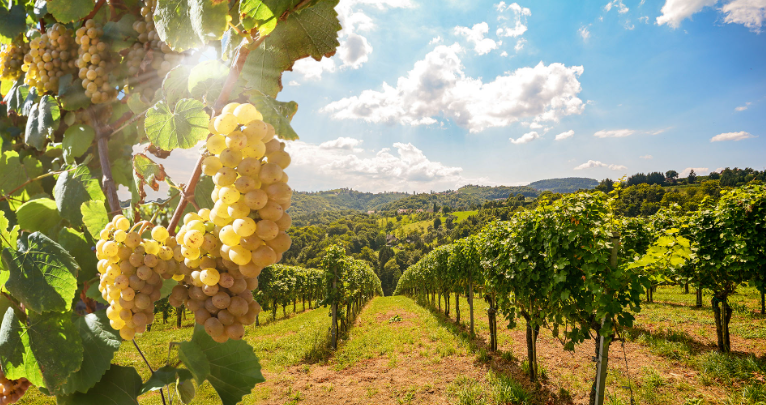
Why Wastewater Treatment Matters During Crush Season
Crush season is a period of intense production that can push wastewater treatment systems to their limits. Spikes in flow and organic load can disrupt biological processes, leading to system upsets, potential permit violations, and costly downtime. These issues not only affect compliance but could also impact operations, creating unnecessary stress during an already busy season.
To help Napa and Sonoma County wineries avoid these pitfalls, STS has introduced a limited-time start-up service tailored specifically for self-operated wastewater treatment systems. This service is designed to optimize system performance, prevent breakdowns, and provide peace of mind throughout the crush season.
What’s Included in the Tune-Up Service?
STS’s Crush-Ready Tune-Up Special offers a comprehensive approach to ensure your wastewater treatment system operates efficiently, even under the stress of harvest and crush season.
Here’s what’s included:
1. Full System Inspection
We thoroughly inspect your wastewater system to identify any issues before they affect your operation.
2. Process Tuning for Peak Loads
Our experts fine-tune your system to handle high-strength organic loads during the busy harvest & crush season.
3. Biological Health Check
We assess the health of your biological treatment processes to ensure maximum efficiency.
4. FREE BOD/TSS Water Testing
Receive complimentary water sample analysis to measure Biochemical Oxygen Demand (BOD) and Total Suspended Solids (TSS).
The Benefits of a Professional Tune-Up
Avoid System Upsets: Proactively address potential issues before they disrupt operations.
Stay Compliant: Meet regulatory requirements and avoid permit violations.
Reduce Downtime: Keep your system running smoothly during peak production.
Gain Peace of Mind: With expert insights and guidance, you can focus on what you do best—making wine.
Partner with STS for Reliable Wastewater Solutions
No matter your winery’s size or the type of system you have, STS offers the expertise and solutions to keep your operations running smoothly, sustainably, and in full compliance. From cutting-edge remote monitoring to expert system tune-ups, our team is dedicated to helping you achieve peak performance year-round.
Ready to optimize your winery’s wastewater management?
Contact STS Today—let’s ensure your system is ready for whatever the season brings.
March 1, 2026
Reducing a Winery’s Water Footprint Is a Three-step ProcessThe next time you pour a glass of wine, think about how many liters of fresh water were needed by the average winery to produce that bottle of wine. 600 liters!* Do you think that number would cause consumers to re-think their beverage of choice? Probably not (because let’s face it, wine is delicious!).
But how many consumers would be attracted to a winery that is environmentally friendly and re-uses 100% of its winery wastewater? Perhaps more than you think, as sustainable wineries are growing in popularity. Re-using water is a three-way win:
- It reduces operational costs (so the Finance team is happy)
- The Marketing team has a new, positive feature to highlight
- Customers feel good about their choice of vino, knowing that the operation behind it is kind to the environment.
Re-using and recycling water contributes to the water footprint of a winery. But what exactly is the water footprint, and how can it be calculated? We have a guide explaining all you need to know to understand this concept!
Reducing a winery’s water footprint is a three-step process:
- Evaluate the operation processes to streamline steps and water usage
- Install a quality treatment system that treats wastewater
- Reuse the treated wastewater
If you aren’t sure how to get started or need some assistance, the team of experts at Specialty Treatment Solutions (STS) can help. By evaluating your operation STS will help you streamline your processes to reduce water usage, no matter what type of water treatment system you have.
If your system needs to be updated or modified, STS will provide recommendations.
STS’s proven wastewater treatment systems treat and help you recycle your wastewater, providing an effluent well below California Wastewater Regulations and other local agencies.
Contact us with any questions, and to see how Specialty Treatment Solutions can help you reduce your total water footprint.
*a wine bottle is 0.75 L. Total water footprint includes green water footprint (621.4 L), blue water footprint (3.4 L) and grey water footprint (7.3 L).
March 1, 2026
Streamlining Pre-Harvest Operations with STS’s Remote Monitoring SolutionsGetting ready for a successful harvest season is a big deal for wineries, but it comes with its own set of challenges, especially when it comes to managing wastewater effectively. From sorting out regulatory requirements to ensuring things run smoothly, wineries face hurdles that can impact their productivity and sustainability.

At Specialty Treatment Solutions (STS), we get how tough this can be, and we’re here to help with tailored solutions designed to make your pre-harvest operations even better. Our state-of-the-art wastewater treatment systems come with advanced remote monitoring capabilities, so you can keep an eye on your wastewater management processes in real-time, from anywhere.
When it comes to regulatory compliance, it’s non-negotiable, especially during busy harvest periods. With STS’s remote monitoring solutions, you get continuous oversight, making sure that your wastewater treatment systems operate within the rules. This helps with compliance reporting and minimizes the risk of fines or disruptions to your operations.
Our systems are also scalable to handle the ups and downs of pre-harvest activities. Whether you’re dealing with increased flow rates or varying organic loads, STS’s technology adapts seamlessly to keep performing at its best throughout the harvesting period.
And that’s not all – we offer comprehensive pre-harvest inspections for any wastewater treatment system, not just those installed by us. This means you can benefit from our expertise, even if you don’t own an STS system. Our State-Certified Operators and experienced staff can handle any type of treatment system or components, keeping your operations running smoothly and efficiently.
By integrating remote monitoring into our solutions and providing thorough pre-harvest inspections, STS empowers wineries to optimize resource management effectively. From water usage to energy consumption, our systems are designed to improve efficiency and reduce operational costs while promoting environmental sustainability.
Partner with STS today to upgrade your pre-harvest operations with our reliable remote monitoring solutions and expert support. Find out how our expertise can help your winery achieve peak performance and meet regulatory compliance. Contact Us
July 7, 2025
Prep Your Winery Wastewater System for Harvest: Maintenance & Bioaugmentation Essentials
As a winery owner, you know that the pre-harvest season is one of the busiest and most critical times of the year. Preparing your vineyard and production facilities for the intense surge in activity is essential — not only to ensure a smooth harvest but also to protect your operations from potential environmental and regulatory challenges. One often overlooked yet vital aspect of pre-harvest preparation is wastewater treatment system maintenance and bioaugmentation. Proper attention to these areas can save you significant headaches, reduce costs, and ensure compliance with evolving environmental standards.
Why Pre-Harvest Maintenance Matters for Winery Wastewater Systems
During harvest, wineries generate a substantial increase in wastewater volume and organic load. This wastewater comes from equipment cleaning, barrel washing, floor cleaning, and other processes. The influx of high-strength wastewater can strain your treatment system, especially if it is not in optimal condition.
Pre-harvest maintenance is your opportunity to ensure that your wastewater treatment system is ready to handle this surge efficiently. Neglecting this can lead to:
- Reduced treatment efficiency: Accumulated solids, fouled membranes, or malfunctioning sensors can impair system performance.
- Increased operational costs: Poorly maintained equipment often requires more energy and chemicals to treat wastewater effectively.
- Risk of permit violations: Untreated or insufficiently treated effluent can result in fines and damage to your winery’s reputation.
- Potential downtime: Unexpected breakdowns during harvest can disrupt operations and lead to costly delays.
By conducting thorough maintenance before the busy season, you can minimize these risks, keeping your system running smoothly and your winery compliant.
The Role of Bioaugmentation in Enhancing Wastewater Treatment
Bioaugmentation involves introducing specialized microorganisms or nutrients to improve the biological treatment process. This technique is especially beneficial for winery wastewater, which often contains complex organic compounds and fluctuating characteristics throughout the season.
Here’s why bioaugmentation matters:
- Boosts microbial health: Adds beneficial bacteria that accelerate the breakdown of organic matter.
- Stabilizes biological processes: Helps maintain consistent treatment despite variable wastewater loads.
- Prevents system upsets: Reduces the risk of process failures caused by toxic shocks or nutrient deficiencies.
- Enhances effluent quality: Supports meeting stringent discharge standards by optimizing treatment efficiency.
Incorporating bioaugmentation into your pre-harvest routine can be a game-changer for maintaining system resilience and performance during peak production.
How STS Supports Wineries with Pre-Harvest Wastewater System Care
Specialty Treatment Solutions (STS) understands the unique wastewater challenges wineries face. With years of experience and cutting-edge technology, STS offers comprehensive support services tailored to your winery’s specific needs.
Pre-Harvest Maintenance Services
STS provides detailed site inspections and routine system checks, including cleaning and calibration of sensors, monitoring dissolved oxygen and pH levels, and adjusting aeration and nutrient dosing. These proactive measures ensure your system is operating at peak efficiency before the harvest rush.
Expert Bioaugmentation and Nutrient Management
STS technicians can manage bioaugmentation programs that introduce the right balance of beneficial microorganisms and nutrients, protecting your system’s biological health. This service helps stabilize your treatment process and improve effluent quality.
Remote Monitoring and Support
With STS’s advanced remote monitoring capabilities, your system is continuously supervised by expert operators who can promptly detect and address any issues. This reduces the need for on-site oversight and allows for quick adjustments, keeping your system compliant and efficient throughout harvest.
Flexible Operations and Maintenance Contracts
Whether you need full-service management or remote monitoring support, STS offers flexible contracts designed to fit your winery’s operational scale and staffing capacity. Their team of certified operators and technicians can either partner with your staff or fully manage your wastewater system, ensuring compliance and performance year-round.
Final Thoughts
Pre-harvest is the time to prioritize your winery’s wastewater system health. By investing in thorough maintenance and strategic bioaugmentation, you protect your business from costly disruptions, regulatory risks, and inefficiencies. STS offers the expertise, technology, and services that wineries need to navigate this critical period with confidence.
To learn more about how STS can help your winery optimize wastewater treatment before harvest—and all year round—visit our Winery Wastewater Treatment, Support Services, and News pages, or contact us directly.
Protect your winery’s future with smart wastewater management—because sustainable growth starts with clean water.
May 20, 2025
Custom Wastewater Treatment
Businesses like wineries, breweries, and other manufacturers with high-strength wastewater streams generate specialized effluents. Since no two facilities or wastewater streams are exactly alike, they require proper treatment solutions tailored to their specific needs.
Specialty Treatment Solutions (STS) is an industry leader in providing custom engineered wastewater treatment solutions for specialized commercial and industrial applications. We provide optimal wastewater treatment designed around the specifications of each client’s site and business needs while enhancing sustainability and meeting compliance standards.
Why Is Custom Wastewater Treatment Important?
Custom water treatment systems are crucial for effectively managing high-strength industrial wastewater streams with fluctuating loads and unique characteristics. They are designed around the specific treatment requirements, capacity needs, site layout, and sustainability goals of each facility. One-size-fits-all approaches rarely provide adequate treatment.
Related: See our industrial wastewater treatment page
Enhancing Your Business with Efficient Wastewater Management
A custom wastewater treatment system can significantly improve the operational efficiency of your business. Done right, water treatment plants can recycle and conserve valuable resources. For instance, breweries and wineries can recover water and energy from their wastewater, which can be fed back into production processes. This helps cut costs and boost sustainability. Businesses that effectively manage their wastewater demonstrate a commitment to a healthy environment, bolstering their corporate image and possibly opening up new partnership opportunities.
Related: See our brewery wastewater treatment solutions page
What Sets Our Custom Wastewater Treatment Systems Apart
STS engineers industry-leading treatment solutions tailored to each client’s needs. Our systems incorporate cutting-edge process innovations for unparalleled performance.
Rejecting the One-Size-Fits-All Approach
Unlike competitors using standardized systems, we engineer unique solutions for optimal treatment of high-loaded winery, brewery, food production, and specialized industrial wastewaters. This ensures that your treatment process is optimized for the specific types of waste your business produces. STS has over 10 years experience developing custom systems from 1,000 to 300,000 gallons per day.
Related: Explore our winery wastewater treatment page
The Value of a Fully Automated System
Automated systems promote efficiency, accuracy, consistency, and cost savings. STS control systems provide automatic, around-the-clock management and monitoring without extensive manual oversight. This enables remote troubleshooting and adjustments for peak performance. Our automated approach frees up your operators for other vital tasks, increases your production uptime, and drastically reduces the chances of costly human error in your treatment operations.
Optimal Treatment for High-Loaded Influent Industries
Our moving bed biofilm reactor (MBBR) technology is specifically designed to handle high organic loading rates above 10,000 mg/L BOD. The advanced MBBR system incorporates innovative membrane bioreactor carrier elements to facilitate efficient processing of concentrated effluents not possible with standard treatment methods.
Enhancing Sustainability While Reducing Costs
Our wastewater treatment systems are designed to perform efficient water recycling, energy recuperation, and minimization of waste. By conserving resources, we also contribute to lowering your operational costs, enhancing your bottom line. Partnering with us doesn’t just mean a greener business, but also a more profitable one.
Related: Learn about wastewater treatment application methods
Why Partner With STS for Your Custom Water Treatment Solutions?
Partnering with STS is an investment toward efficient and environmentally friendly industrial operations. Our precise and strategic solutions have catered to high-loaded influent industries across the globe, securing compliance to environmental standards, significant cost savings, and operational efficiencies. STS’s experienced engineering team works closely with clients to develop fully automated, high-performance custom systems to sustainably treat their unique wastewater needs.
Ensuring Compliance with Environmental Standards
We guarantee our custom engineered systems will perform within permit limits to prevent regulatory issues. All STS systems are designed to meet or exceed the effluent standards required by governing agencies.
As a part of our basic and full service contract options, we also offer ongoing compliance reporting services tailored to each facilities’ requirements. Our technicians collect wastewater samples, analyze results in our in-house laboratory, and submit detailed reports to agencies on the proper regulatory schedule. This hassle-free compliance assistance ensures our clients can focus on business operations rather than wastewater reporting complexities.
Building a Sustainable Future with Reliable Treatment Systems
The cutting-edge treatment technology and extensive reuse opportunities facilitated by our custom systems aim to reduce environmental footprints through sustainable wastewater management. Our systems produce Title 22 certified effluents below 10 mg/L BOD to enable recycling for irrigation, landscaping, livestock, fire prevention, and other purposes. This water conservation assists facilities in establishing closed-loop, zero discharge production cycles for maximized sustainability.
The small, modular STS system designs also consume less energy and materials than conventional treatment methods, further minimizing environmental impact. Our experienced team of sustainability-focused experts engineer reliable, efficient systems designed for the circular water use and resource efficiency needed to build sustainable wastewater management programs.
Interested in Custom Wastewater Treatment? Contact Us Today
To learn more about how STS can engineer an automated, reliable wastewater treatment system tailored to your specialized needs and treatment goals, contact our team of experts today.
July 9, 2024
Winery Water Footprint | Water Usage During Wine Production
How much water does it take a winery to produce a bottle of wine, and how does that contribute to the cost of the entire winery operation? Knowing your operation’s water footprint has never been more important. As climate change drives droughts and water scarcity, water becomes more expensive to buy, and regulations regarding winery processes and wastewater become more restrictive. All of this has the potential to increase the total cost of production, especially when considering the discharging fees of the wastewater.
If a winery reviews and reduces their water consumption/water footprint, they can reduce costs both in production and in treating the winery wastewater. The less wastewater produced, the lower the cost is to treat the water.
CALCULATION OF THE WINERY WATER FOOTPRINT
The water footprint of a business is simply how much freshwater is used, both directly and indirectly, to produce the product or service of that business. It is generally measured in liters or gallons, and is made up of three components:
WF = WFblue+WFgreen+WFgrey
- Blue water – The volume of fresh surface and ground water (well, aquifer, run-off, etc.) withdrawn from the land and consumed during the winery production process.
- Green water – The volume of rainwater that infiltrates the soil and is available to plants during their growth cycle.
- Grey water – An estimate of the virtual volume of water needed to dilute pollutants. Grey water is directly associated to pollution and degradation of the water resource.
The first two contributions, the blue water footprint, and the green water footprint, evaluate real volumes of water that are consumed during the process. The grey water footprint, on the other hand, is an estimate of a virtual volume: the water needed to assimilate the pollutants. This volume is not taken from a well-defined place or at a well-defined time.
WINERY WATER FOOTPRINT
Just how much water does it take for a vineyard to produce a bottle of wine? The number vary depending on the location, operations and even type of wine produced. One study carried out by the University of Perugia and sponsored by the Italian Ministry for the Environment showed that a good estimation of the water footprint of a .75L bottle of wine is 632.2L. While green water makes up a majority of that amount, the blue and grey water are the two which impact the environmental footprint the most. Blue water contributes to water scarcity, and grey water contributes to water degradation.

You can review the full result of the study and methodology used here.
HOW TO REDUCE THE WINERY WATER FOOTPRINT
A variety of steps can be taken to reduce an operation’s water footprint, both blue water and grey water quantities. Doing so helps protect the environment and reduces the total production costs for a winery.
HOW TO REDUCE WINERY BLUE WATER FOOTPRINT
The best way to reduce blue water usage is by fine-tuning the wine production operation. Two-thirds of water used in an operation is for sanitation and cleaning, so evaluating your operation and streamlining cleaning processes will reduce how much water is used, and reduce time and labor costs, making wine production more efficient. This will lead to a reduction of operational and water supply costs. We have a in-depth guide on how to reduce the winery wastewater.
HOW TO REDUCE WINERY GREY WATER FOOTPRINT
Grey wastewater can directly contribute to pollution of the water table. Although the winery wastewater characteristics differ from one facility to another, they are usually characterized by low pH, high salinity and nutrient levels and it is potentially harmful to the environment if not treated before discharge or disposal. It can lead to algae blooms, nuisance odors, impact on crop growth, and poor groundwater quality.
Grey water can be treated and recycled, and then used in irrigation and other non-potable uses. Given the large water footprint of a winery, and the wastewater produced, water recycling and treatment throughout winery operations is very important. Properly treating wastewater allows it to be reused, thus reducing both grey water and the total water footprint of the winery.

Compact wastewater treatment system for the wine industry
Examples of water recycling are using clean-in-place tanks, which reuse water in cleaning cycles, or using the cleaned process water for cleaning equipment and floors, and in vineyard irrigation or fire protection. We have another guide with more ideas on how to reuse the winery wastewater.
In summary, reducing a winery’s water footprint is a three step process. Evaluate the operation processes to streamline steps and water usage, install a quality water treatment system that treats wastewater, and reuse the cleaned process water in the operation.
STS can help wineries with reducing their water footprint; our wastewater treatment systems clean and recycle wastewater while complying with California Wastewater Regulations an other local agencies. These proven systems are streamlined to use less water, and provide effluent well below the state regulations, which allows it to be reused in the operation.
Contact us today for more information on our customized wastewater solutions.
May 28, 2024
Winery Wastewater Treatment Glossary
Activated Sludge: A brownish flocculent of bacterial organisms developed in aeration tanks.
Activated Sludge Process: Method of eliminating pollution in wastewater. Oxygen is released into tanks containing dissolved organic substances. Bacteria in the tanks break down the organic pollutants. Water is then separated from the activated sludge and discharged. Most of the sludge is reused in the treatment process; the remainder is disposed of per local wastewater regulations.
Aeration: Process of bringing air into contact with a liquid. It can be developed using natural wind on a pond or by injecting air into an aeration tank.
Aerobic Bacteria: Bacteria that require free oxygen for growth.
Aerobic Wastewater Treatment: It uses bacteria to break down waste; the bacteria require the presence of oxygen to live and thrive.
Anaerobic Bacteria: Bacteria that grow without the presence of free oxygen; it derives oxygen from breaking down waste
Anaerobic Wastewater Treatment: Uses bacteria to break down waste without needing the presence of oxygen. Bacteria thrive off the oxygen created from the waste.
Alkalinity: Alkaline fluids have a pH value of over 7. The number refers to the measurement of dissolved alkaline substances in the water (carbonates, bicarbonates, hydroxides, and occasionally borates, silicates, and phosphates) that can neutralize the acid. The higher the number, the more alkaline the liquid.
Biochemical Oxygen Demand (BOD): The amount of oxygen needed by bacteria and microorganisms in a unit volume of wastewater to consume dissolved oxygen and organic substances, converting it into carbon dioxide and cellular material. It is usually measured in milligrams per liter (mg/l) and is most frequently stated as the percentage removed during treatment or remaining after treatment.
Biosolids: Organic material that remains after aerobic wastewater treatment; this dewatered sludge can usually be re-used.
Clarifier: Usually a holding tank that allows solids to settle for separation.
Chemical oxygen demand (COD): The amount of chemical oxidant required to break down organic compounds in a unit volume of wastewater, including non-biodegradable and BOD.
Combined Wastewater: Combining sanitary wastewater and stormwater run-off for treatment.
Dewatering: The removal of water from sludge or other wastewater solids.
Digestion: The biochemical decomposition of organic matter; byproducts are methane gas, carbon dioxide, sludge solids, and water.
Dissolved Oxygen: The amount of oxygen dissolved in wastewater. It is measured in milligrams per liter.
Dissolved solids: Solids suspended in sewage that cannot be removed by laboratory filtering, such as minerals. These are generally smaller than two micrometers.
Effluent: The final liquid produced by a wastewater treatment system.
Equalization Tank (EQ Tank): A tank that provides consistent flow into the wastewater treatment system by managing flow fluctuations. Aeration and mixing are used to prevent the wastewater from becoming septic; it also maintains solids in suspension.
Grease: Refers to substances in wastewater such as waxes, fats, oils, soaps, etc.
Grit: not sure about this one – Heavy, inorganic materials such as pebbles or sand.
Inorganic Material: Material that cannot be broken down by bacteria, such as sand, stone, etc.
Membrane Bioreactor: (MBR): A membrane is used as a filter to remove solid materials, which disinfect and clarifies the effluent. It also uses low-pressure microfiltration and ultrafiltration. The membrane helps ensure that solids don’t settle. The process reduces sedimentation and produces high-quality effluent.
Micro-organisms: Microscopic plants and animals such as algae, bacteria, and molds.
Moving Bed Biofilm Reactor (MBBR): An activated sludge aeration system using tanks with large internal surface areas for biofilm growth. The surface area size reduces the footprint of the tanks. The process can be aerobic or anaerobic and operates at high-volume loads.
Nitrogen: An element found in wastewater in various forms; it is usually ammonia and nitrate.
Nutrient: Any substance consumed by organisms that leads to the growth and replacement of the organisms.
Organic Matter: Waste that originates from plants or animals.
Organic Material: Something that bacteria can break down, including fat, meat, or plants.
Oxidation: Using bacteria, oxygen, or chemicals to convert organic material to a more stable form
pH: A scale measuring water’s acidity or alkalinity. 7 is neutral; under 7 is acidic or base; over 7 is alkaline or caustic.
Process Wastewater: Water that comes into direct contact with raw material or products during manufacturing or processing or is a byproduct from a production process. It is no longer clean water.
Reactor: A tank with wastewater and sludge mixed so biochemical reactions can occur.
Return Activated Sludge (RAS): Activated sludge is continuously returned to the aeration tank, thus providing bacteria for incoming wastewater.
Sanitary Wastewater: Water from residential, commercial, or industrial sites’ sanitary fixtures, such as bathrooms, laundry, and kitchens. It is generally free of industrial waste or toxic materials.
Secondary Waste Treatment: Wastewater loses most of its solids as it passes to the aeration zone, and solids are separated.
Sedimentation Tanks: Suspended waste settles to the bottom of the tank and is removed for disposal. Floatable solids rise to the surface and are skimmed off for disposal.
Septic: A tank that holds wastewater in order to digest bacterial matter and separate grease and solids from the water.
Sludge: Accumulated suspended solids in tanks or basins.
Sludge Digestion: Separates liquid from solids. The pH range for digested sludge is 6.8 – 7.2
Suspended Solids: Solids suspended in sewage that can be removed by filtering.
Tertiary Waste Treatment: After the secondary treatment of aeration, the water is clarified and disinfected. The effluent may require additional aeration or chemical treatment to destroy bacteria and to increase the dissolved oxygen required for oxidation of the BOD. This stage can also be used to remove nitrogen and phosphorous using chlorination, chlorine dioxide, ozonation, or UV treatment.
Total Dissolved Solids (TSD): The combined total of dissolved solids in wastewater. Due to how small they are, they will not be removed during screening or coarse filtration.
Total Solids: The total amount of solids in wastewater.
Total Suspended Solids (TSS): The total amount of solid particles suspended in wastewater (not dissolved); these must be filtered out or digested for removal.
Turbidity: Measuring how clear the water is in the Nephelometric Turbidity Unit (NTU), usually used with a turbidimeter.
Waste Activated Sludge (WAS): A portion of sludge in the activated sludge process that is removed and disposed of to avoid a buildup of solids in the system.
Waste Treatment Sludge: A byproduct of wastewater treatment, usually a mixture of organic matter and inorganic solids.
Wastewater: Leftover used water that has been used in numerous applications such as industrial or agricultural.
January 19, 2024
5 Ways to Reuse Winery Wastewater
All wineries produce wastewater, and efficient wineries find ways to effectively reuse that wastewater after it has been treated. Especially important during times of drought, reusing wastewater reduces a winery’s water footprint and saves money, both in water supply costs and disposal fees.
Here are a few ideas on how to use the treated wastewater around a winery.
1. IRRIGATION
Properly treated wastewater can be used throughout a winery for irrigation of the vines. This is especially important during the driest parts of the growing season. Routine monitoring of a treatment system means that the water characteristics will be within local regulations for wastewater and, therefore, is safe to irrigate the vines while not damaging the soil.
2. LANDSCAPING AND NATURAL HABITAT
Reuse winery wastewater in the landscaping around the property; welcome guests with a beautiful display of flora without worrying about the cost of keeping it watered. Or the water can be used to create a natural habitat or wetland, which attracts flowering plants, migratory birds, dragonflies, and more.
3. TANK WASHING
Properly treated and sanitized water may then be used for washing tanks. This is particularly used at wineries where fresh water is expensive to source, or an on-site source of fresh water is not available.
4. LIVESTOCK
If a winery raises livestock, or they are raised in nearby fields, treated wastewater can be piped out to irrigate those fields. Well-treated wastewater may be safe for the animals to drink as well. Wineries with chickens, sheep, and goats are becoming more common, as these animals can replace chemical herbicides and pesticides.
5. FIRE PREVENTION
Wastewater can be stored in a tank, pond, or canal to be used for on-site fire prevention and control. Narrow ponds and canals can create a fire break on the property. Adding pumps and spraying equipment means fighting a fire is possible until local firefighters arrive.
These are just a few ways to reuse winery wastewater. To go even further, an operation should evaluate its standard operating procedures to find ways to reduce its total water footprint and how much wastewater is produced. These are the first steps to take before deciding on a wastewater treatment system.
Specialty Treatment Solutions specializes in efficient, low-cycle, cost-effective wastewater treatment systems that reuse and recycle water. They are designed to fit a site’s specific needs and goals while meeting local wastewater treatment regulations, including the California State Winery Wastewater Regulations. Our team can assist you in identifying needed changes in your operation, reviewing your winery wastewater characteristics, and selecting the best wastewater treatment system for your current and future needs.
November 22, 2023
Join Specialty Treatment Solutions at the WIN Expo - Booth #809Stop by Booth 809 at the #WINExpo and check out what Specialty Treatment Solutions (STS) has to offer. STS offers custom-designed wastewater treatment systems for any size winery, brewery, food, and industrial wastewater applications. STS’s flexibility and versatility allow each system to be uniquely designed to meet each customer's aesthetic, site needs, and treatment requirements.
Use our promo code SPE809 for a FREE trade show pass! Register here: https://wineindustryexpo.com/

June 13, 2023
Ensure Your Winery Wastewater Is Properly TreatedWineries produce wastewater, and it’s important to winery operations and the environment to ensure that the wastewater is properly treated. In order to define the best suitable wastewater treatment solution, knowing the winery wastewater characteristics of your facility is key.
https://stswatertreatment.com/winery-wastewater-characteristics

May 10, 2023
Winery Wastewater Treatment Solutions Overview
Aerobic, anaerobic, bioreactor... Don't get overwhelmed! We have broken down winery wastewater treatment processes into basic, easy-to-understand language. For a cliff-notes guide to process and winery wastewater treatment systems, check out our article. Here at STS, we specialize in the Bioreactor Method, which uses organisms to break down organic material, and has a small footprint. That means more space for vines and visitors! The effluent is high quality, so it can be used for irrigation, fire protection, and other applications.
April 10, 2023
Winery Water Footprint
How much water does it take a winery to produce a bottle of wine, and how does that contribute to the cost of the entire winery operation? Knowing your operation’s water footprint has never been more important. As climate change drives droughts and water scarcity, water becomes more expensive to buy, and regulations regarding winery processes and wastewater become more restrictive. All of this has the potential to increase the total cost of production, especially when considering the discharging fees of the wastewater.
If a winery reviews and reduces their water consumption/water footprint, they can reduce costs both in production and in treating the winery wastewater. The less wastewater produced, the lower the cost is to treat the water.
CALCULATION OF THE WINERY WATER FOOTPRINT
The water footprint of a business is simply how much freshwater is used, both directly and indirectly, to produce the product or service of that business. It is generally measured in liters or gallons, and is made up of three components:
WF = WFblue+WFgreen+WFgrey
- Blue water – The volume of fresh surface and ground water (well, aquifer, run-off, etc.) withdrawn from the land and consumed during the winery production process.
- Green water – The volume of rainwater that infiltrates the soil and is available to plants during their growth cycle.
- Grey water – An estimate of the virtual volume of water needed to dilute pollutants. Grey water is directly associated to pollution and degradation of the water resource.
The first two contributions, the blue water footprint, and the green water footprint, evaluate real volumes of water that are consumed during the process. The grey water footprint, on the other hand, is an estimate of a virtual volume: the water needed to assimilate the pollutants. This volume is not taken from a well-defined place or at a well-defined time.
WINERY WATER FOOTPRINT
Just how much water does it take for a vineyard to produce a bottle of wine? The number vary depending on the location, operations and even type of wine produced. One study carried out by the University of Perugia and sponsored by the Italian Ministry for the Environment showed that a good estimation of the water footprint of a .75L bottle of wine is 632.2L. While green water makes up a majority of that amount, the blue and grey water are the two which impact the environmental footprint the most. Blue water contributes to water scarcity, and grey water contributes to water degradation.
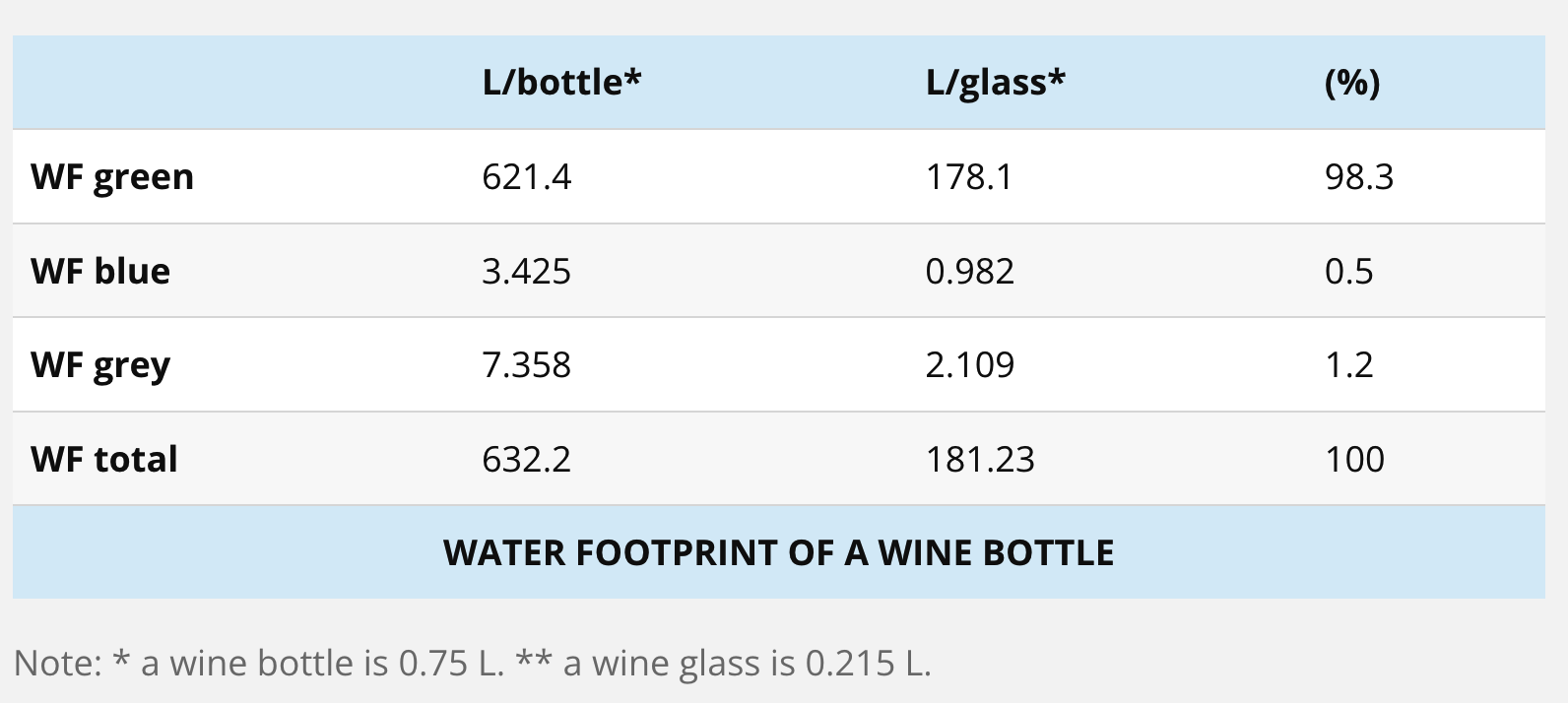
You can review the full result of the study and methodology used here.
HOW TO REDUCE THE WINERY WATER FOOTPRINT
A variety of steps can be taken to reduce an operation’s water footprint, both blue water and grey water quantities. Doing so helps protect the environment and reduces the total production costs for a winery.
HOW TO REDUCE WINERY BLUE WATER FOOTPRINT
The best way to reduce blue water usage is by fine-tuning the wine production operation. Two-thirds of water used in an operation is for sanitation and cleaning, so evaluating your operation and streamlining cleaning processes will reduce how much water is used, and reduce time and labor costs, making wine production more efficient. This will lead to a reduction of operational and water supply costs. We have a in-depth guide on how to reduce the winery wastewater.
HOW TO REDUCE WINERY GREY WATER FOOTPRINT
Grey wastewater can directly contribute to pollution of the water table. Although the winery wastewater characteristics differ from one facility to another, they are usually characterized by low pH, high salinity and nutrient levels and it is potentially harmful to the environment if not treated before discharge or disposal. It can lead to algae blooms, nuisance odors, impact on crop growth, and poor groundwater quality.
Grey water can be treated and recycled, and then used in irrigation and other non-potable uses. Given the large water footprint of a winery, and the wastewater produced, water recycling and treatment throughout winery operations is very important. Properly treating wastewater allows it to be reused, thus reducing both grey water and the total water footprint of the winery.

Examples of water recycling are using clean-in-place tanks, which reuse water in cleaning cycles, or using the cleaned process water for cleaning equipment and floors, and in vineyard irrigation or fire protection. We have another guide with more ideas on how to reuse the winery wastewater.
In summary, reducing a winery’s water footprint is a three step process. Evaluate the operation processes to streamline steps and water usage, install a quality water treatment system that treats wastewater, and reuse the cleaned process water in the operation.
STS can help wineries with reducing their water footprint; our wastewater treatment systems clean and recycle wastewater while complying with California Wastewater Regulations an other local agencies. These proven systems are streamlined to use less water, and provide effluent well below the state regulations, which allows it to be reused in the operation.
Contact us today for more information on our customized wastewater solutions.
March 8, 2023
Wastewater Treatment SystemsSpecialty Treatment Solutions (STS) offers custom-designed wastewater treatment systems for any size winery, brewery, food, and industrial wastewater applications. STS’s flexibility and versatility allow each system to be uniquely designed to meet each customer's aesthetic, site needs, and treatment requirements.
https://stswatertreatment.com/sts-water-treatment-systems/

January 6, 2023
Wastewater Solution Geared Towards Wine Production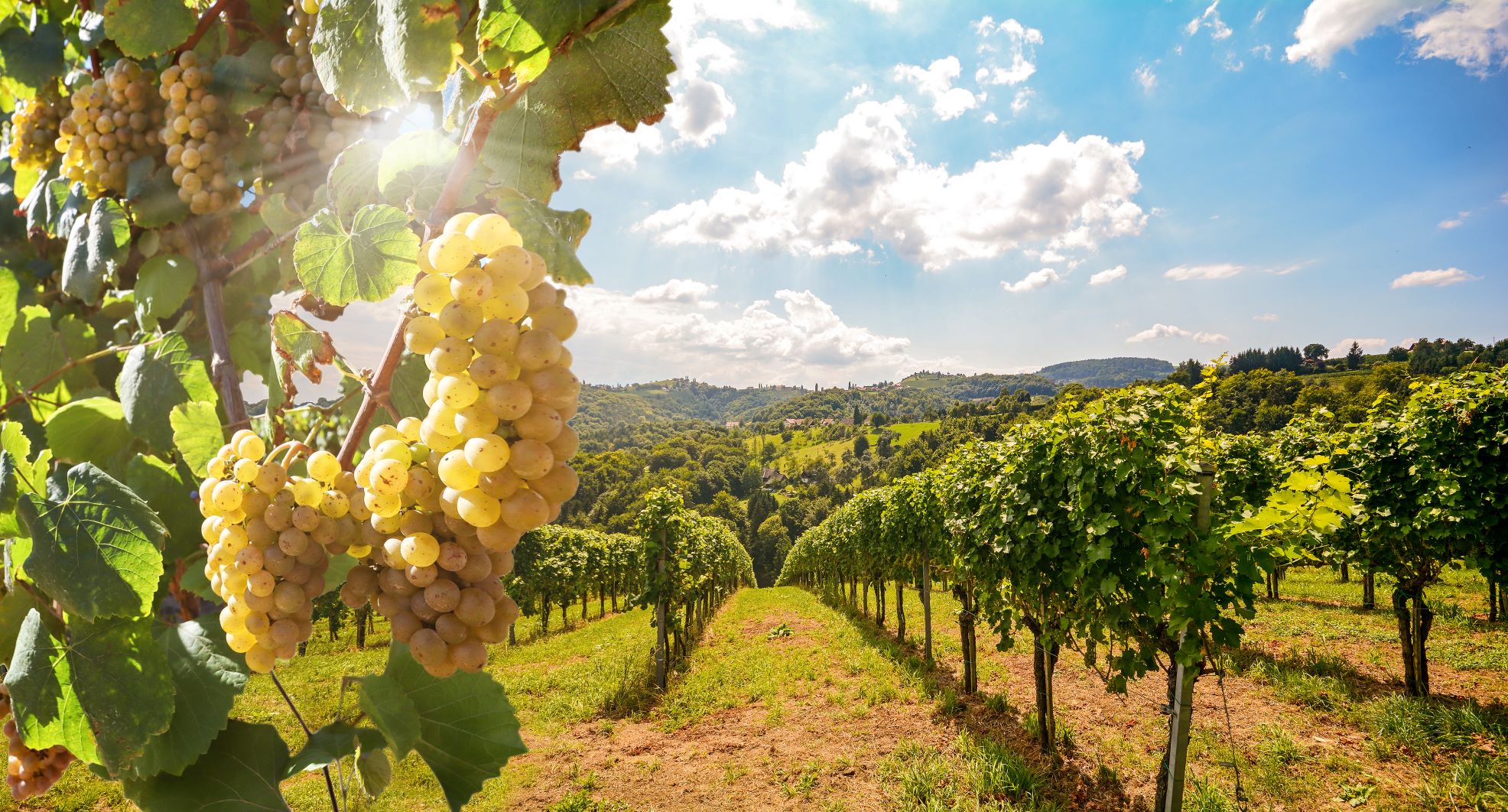
Speciality Treatment Solutions strongly focuses on providing the best in operation and after-sales service and support for your wastewater treatment system. For more information on the programs we offer: https://stswatertreatment.com/services/
November 21, 2022
10 Tips to Reduce Winery WastewaterWhile reducing the water footprint of a winery is important, it’s crucial not to overlook reducing the wastewater volume and loadings. Reducing only total water usage can lead to a higher concentration of organic and inorganic material in the process water, which costs more to treat. Glean some tips on how to reduce your wastewater volume and loadings here: https://lnkd.in/e-jA5kG3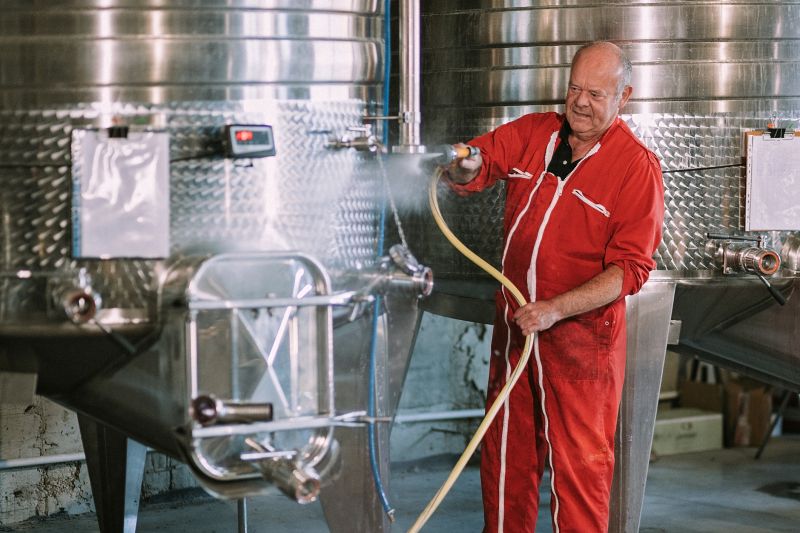
October 19, 2022
Winery Wastewater Treatment Solutions - STS Is Here to HelpIn today’s changing climate, wineries are focusing on reducing and reusing water; and finding wastewater treatment solutions that work for your unique operation.
The right wastewater treatment system should meet local regulations, ensure trouble-free treatment with no odor (ideal for wineries with tasting rooms and guests), fit in a compact space, avoid expensive discharge fees and hold & haul expenses, or allow the wastewater to be reused.
Specialty Treatment Solutions (STS) helps with all of that, and more. STS is a premier provider of pre-engineered wastewater treatment systems for the wine industry, which can be customized to fit your specific needs. The STS team is comprised of industry experts who have many years of experience in irrigation, wine production, and wastewater treatment.
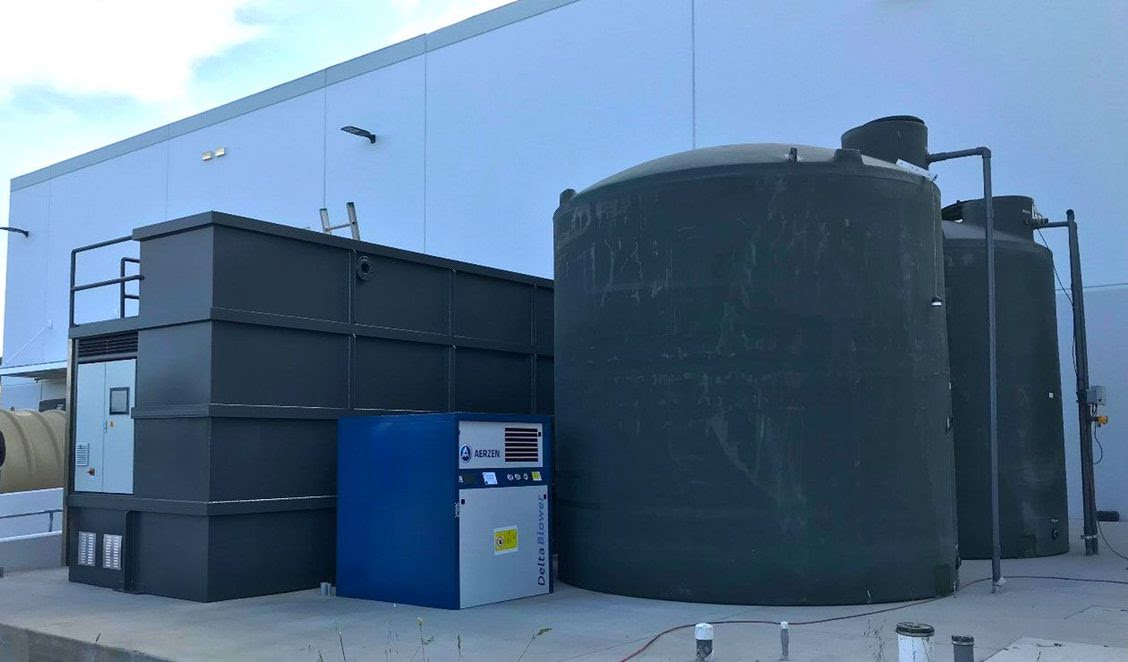 Specialty Treatment Solutions (STS) can help you:
- Evaluate your processes
- Reduce your water footprint and total wastewater produced
- Select the best wastewater treatment system for your current operation and future expansions
- Re-use water within your process, for irrigation or fire control
- Monitor and operate your wastewater treatment system, so it runs correctly and efficiently
- Meet California and other local winery wastewater regulations. The expected effluent quality of STS systems is <10 mg/L BOD.
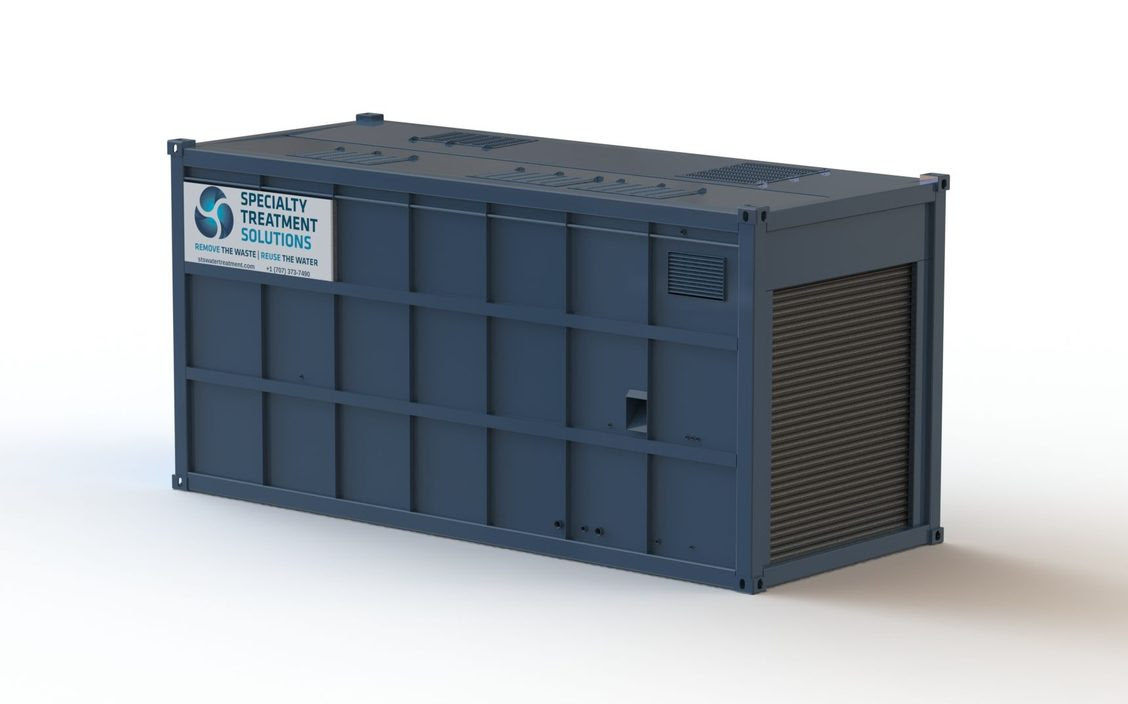
STS Systems:
STS specializes in wastewater bioreactor systems, the most compact and efficient way of treating wastewater in the wine industry.
Most STS systems include moving bed biofilm reactors (MBBR) and membrane bioreactors (MBR). They are modular in design and construction, making for easier installation and allowing for future expansion.
They can be used for small, seasonal operations (1,000 gallons per day of wastewater) up to much larger wineries (over 300,000 gallons per day of wastewater). So, whether you are producing 3,000 cases or 3,000,000 cases of wine annually, STS can help.
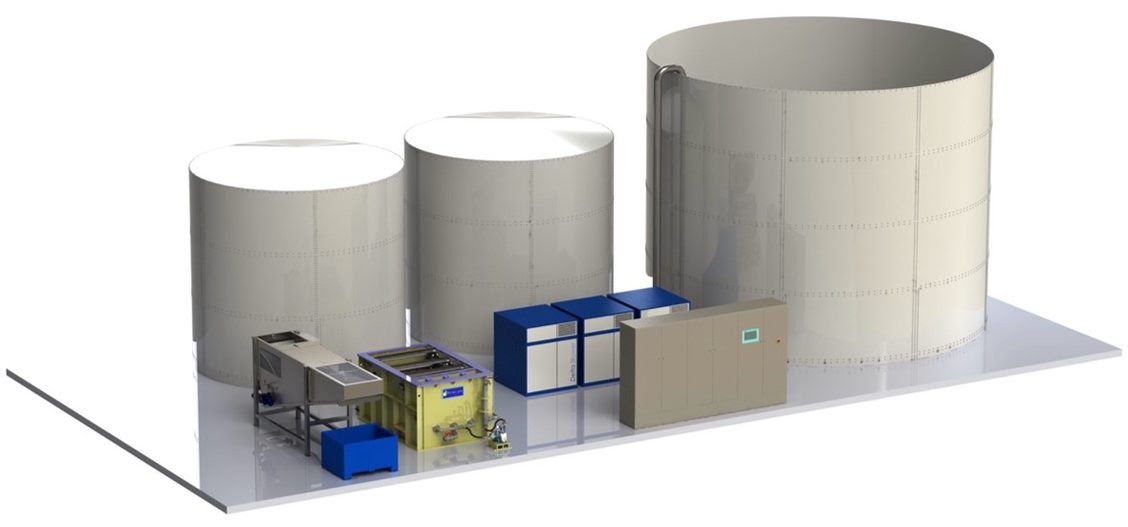
STS System Features:
- Energy efficient with low life-cycle costs
- Meets and exceeds governing agency effluent regulations
- Treats process waste, sanitary waste, or combined wastewater
- Flexible, aesthetically pleasing, and odor-free
- Designed to be monitored remotely for peace of mind
- Compact with a small footprint and an integrated tank design
- Underground tanks are available to save space and hide the wastewater system from guests’ views
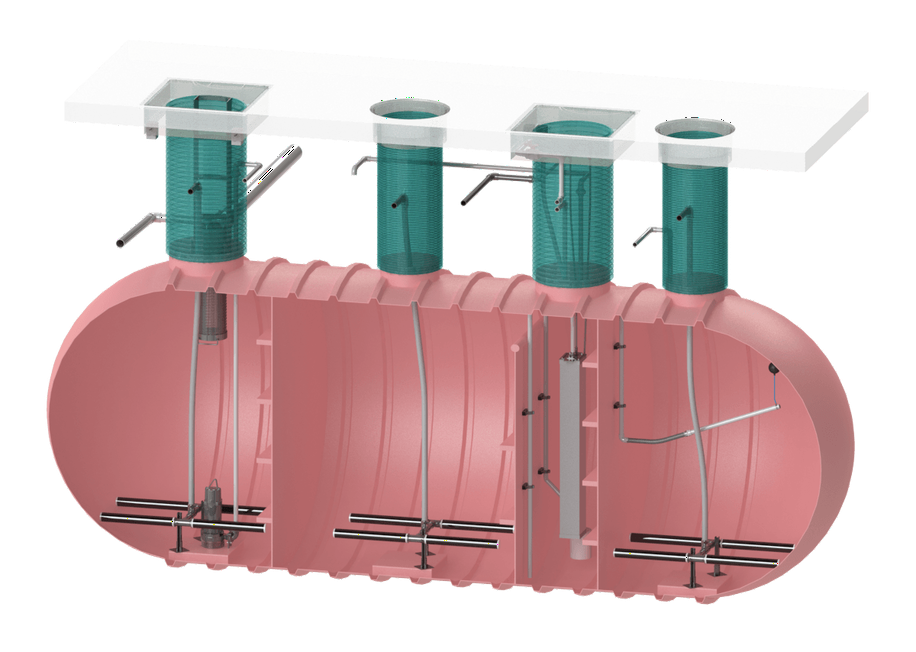
STS is there for you, beyond the installation. We pride ourselves in a focus on service and support, and offer peace of mind with our performance guarantee. Plus, our State certified team provides daily remote monitoring from any location with internet access and operation capabilities. STS can provide full operations (beyond remote monitoring) to winery wastewater treatment systems in California.
Contact us with any questions, and to see how Specialty Treatment Solutions wastewater treatment systems can improve your winery operations.
September 19, 2022
10 Tips to Reduce Winery Wastewater
Reducing and managing winery wastewater goes beyond complying with regulations or being kind to the environment. It is a business initiative which is linked to efficiency and profit. The more water a winery consumes, and the more wastewater produced, the more it costs to treat the water, both in equipment needed and time. Understanding how a winery uses water and generates wastewater, both during vintage and non-vintage times, is the first step. From there, changes can be implemented to reduce how much wastewater is generated, and to improve the quality of that wastewater.
BENEFITS OF MANAGING WINERY WASTEWATER
A winery can greatly improve production efficiency and reduce costs by creating and maintaining an efficient operational flow, which includes reducing and managing water usage. Streamlining cleaning processes reduces time and therefore labor and chemical costs. Using less water also means a reduction in water supply costs and wastewater disposal fees.
Properly treated wastewater ensures no harm to the environment, and wineries will comply with local wastewater treatment regulations. Not all the states have regulations as restrictive as the California State Winery Wastewater Regulations, but regulations are expected to become increasingly restrictive at many other wine producing states.
Besides, managing wastewater is also a “green” marketing topic that helps a winery’s relationships and reputation with customers and the local community.
WHY TRY TO REDUCE WASTEWATER LOADING IN YOUR WINERY?
Reducing water usage without reducing wastewater loading can cause higher organic and inorganic concentrations, which then cost more time and money to treat. So reducing how much wastewater is generated is as important as improving its quality for having an efficient, less-costly operation.
Winery wastewater characteristics vary depending on many factors such as quality of the water source, operations, cleaning methods, type of wine produced, time during the year and many more. Many of these factors can be controlled by the winery in order to improve the quality of the wastewater.
REDUCING WINERY WASTEWATER AND TOTAL WATER USAGE
Two-thirds of all water used in a winery is for cleaning and sanitation, so start here by reviewing standard operating procures and refining then as needed. Then, develop cleaner production practices that reduce solids and contaminants. And always educate your employees accordingly. For further help, check out these ten tips on how to reduce winery wastewater.
1. PRE-CLEAN
Pre-clean your equipment before using water, so less water is used while cleaning. Use squeegees, brushes or brooms to loosen materials prior to using a hose. Ideally, high pressure nozzles with an automatic shut off should be used, or determine if steam cleaning is appropriate.
2. AUTOMATE CLEANING
A cleaning system that is automated or semi-automated can reduce water and chemical use by up to 50%, and deliver more consistent results. They can also reuse water in the cleaning cycles, which reduces water use and costs.
3. GET THE CRUSH PAD COVERED
Keeping the crush pad and reception area in the shade won’t allow the sun to bake the juice and grape skins onto the equipment, meaning it requires less water, time and effort to clean them.
4. FILTER TO REMOVE BOD’S
Crushing generates a large amount of solids. Filtering them out from the wastewater stream is the best way to reduce BOD’s in the winery wastewater, before they can accumulate and putrefy. This will save energy and therefore money.
5. EFFICIENT BARREL WASHING
Develop and document a standard operating procedure to reduce water during barrel cleaning. Soaking only the end of a barrel, working with multiple barrels consecutively, leaving barrels wrapped until needed, and using the rinse water from one to do the initial cleaning of another are just a few ways to reduce water.
6. REDUCE THE USE OF CHEMICALS
Some cleaning solutions can be captured, filtered, and reused, and some don’t require a final rinse, such as Cleanskin and Bevsan. Determine if ozone can be substituted for the final rinse; it offers higher sanitization quality, time and energy savings, and decreases chemical use. Ozone can be used in barrel washing, tank cleaning, surface and equipment sanitization, and clean-in-place processes.
7. CONSIDER HOW EASY TO CLEAN EQUIPMENT IS BEFORE BUYING
Before purchasing new equipment, consider how much time and resources it will take to clean it. Can it include automatic sanitization? Can steam cleaning be substituted for individual sanitation steps?
8. RECYCLE AND REUSE
Water can be recycled and reused throughout the operation. Clean-in-place systems can reduce water and chemical use by up to 50%. Likewise, water used in final rinses, bottle soaking and rinsing, cleaning barrels, and flushing and backwashing can be reused. Beyond reusing water, lees, pomace and other solids can be reused in other products; can they be captured and sold, or can the operation develop value-added products to sell?
9. ISOLATE STORM WATER
Ensure that rainwater stays separate from process wastewater; cover the drain and redirect water so it goes to the land and doesn’t end up in the wastewater treatment system to be cleaned. The less water there is to clean, the lower the cost.
10. MAKE THE PROCESS EASIER FOR EMPLOYEES
After developing an efficient cleaning process, provide the tools to employees to make their job easier. Organize and/or color code cleaning materials; use a cart with wheels for easier movement. Educate the team, and post the procedures so employees can remember the standard operating procedures. Offer regular refreshers to the team, so everyone stays current on operational procedures.
CONCLUSION
While reducing the water footprint of a winery is important, it’s crucial not to skip the step of reducing the wastewater volume and loadings. Reducing only total water usage can lead to a higher concentration of organic and inorganic material in the process water, which costs more to treat.
Contact Specialty Treatment Solutions for more tips on how to reduce wastewater in your operation. The less wastewater created means the less it costs to treat it. Once you have this streamlined, we can help you choose the right wastewater treatment system for the size of your operation and your total water usage. Our systems are designed to reuse water, so it can be used within the operation or for irrigation or fire control.
Contact us to get started.
CONTACT USAugust 16, 2022
Winery Wastewater Treatment Regulations in California
The wine industry is an important contributor to the economy and to employment in California. Left unchecked, process water generated by the wine industry can negatively affect groundwater quality. Previously, permitting statewide was inconsistent, and there were no uniform standards governing the discharge requirements for process water from the wine industry. The State Water Resources Control Board collaborated with the wine industry to develop a General Order pertaining to the discharge requirements for winery process waste that is discharged to land for reuse or disposal.
CALIFORNIA WINERY WASTEWATER REGULATIONS
On January 20, 2021, the State Water Resources Control Board adopted a Resolution for the California Environmental Quality Act Mitigated Negative Declaration for the Waste Discharge Requirements for Winery Process Water and associated General Order. These wastewater regulations are applicable throughout California.
WHY WERE THE REGULATIONS CREATED?
The California State Water Board developed these requirements in order to streamline and improve permitting consistency, and also to safeguard groundwater and surface water from wastewater discharges. As of January 2021, only about 16% of bonded wineries in California had existing permits or conditional waivers to dispose of winery waste onto land. Streamlining efforts will allow regional water boards to focus on compliance instead of developing and issuing site-specific orders, thus speeding up the permitting process.
WHAT DOES THIS WINERY WASTEWATER ORDER REGULATE?
The primary concerns for winery wastewater that affects groundwater quality are nitrogen, salinity, and biochemical oxygen demand (BOD). The inability to manage winery process water quality can cause nuisance odors, anaerobic conditions, groundwater degradation, and other issues. This order includes requirements to ensure winery operations effectively manage these levels, and thus reduce negative impacts to water quality. It also limits how much process water can be disposed of through land and subsurface disposal.
Other items included in this order are reporting and monitoring requirements, plus general specifications and prohibitions for California winery process-water treatment systems, ponds, land application, and subsurface disposal areas. Never before has it been so important for a winery to have a wastewater treatment solution to ensure compliance with the State, and to protect the groundwater.
WHAT DO WINERIES NEED TO DO TO MEET CALIFORNIA WINERY WASTEWATER REGULATIONS?
While this order governs surface water quality, it also provides wineries flexibility in selecting compliance methods depending on their winery wastewater characteristics and flows. Each winery can find the best fit for its site-specific situation in order to meet the requirements of the General Order. Wineries will need to comply with the effluent limits dictated by the order, which may mean upgrading ponds and disposal areas. They will also need to monitor process water, and report compliance relative to their waste production and the associated threat to water quality.
HOW STS CAN HELP CALIFORNIA WINERIES COMPLY WITH WASTEWATER REGULATIONS?
There are many specific details in this order, and Specialty Treatment Solutions can help you decipher it and develop a customized solution to meet these requirements for your winery operation.
With our wastewater treatment systems specifically tailored toward the wine industry, not only will your operation meet state regulations, but it will benefit from having re-usable water, suitable for irrigation or fire protection. Even smaller wineries can meet these regulations with our small footprint systems which take up less space than conventional ponds or leach fields, allowing better utilization of land. Click to learn more about our systems, or contact us for more information.
June 13, 2022
Winery Wastewater Treatment SystemsSpecialty Treatment Solutions (STS) develops reliable, environmentally sustainable, cost-effective wastewater treatment systems for high-loaded influents from winery wastewater.
The STS systems are fully automated and require minimal operator interventions. They are scalable, pre-engineered, and compact.
Learn more at: https://stswatertreatment.com/