‘Never be enough labs’
But it did mean ETS lab and others in the U.S. and in multiple countries were inundated with samples and inquiries about testing to detect potential problems for grape buyers or document smoke damage for growers’ crop insurance claims.
"Quite a few extra labs came on line, but if that kind of smoke like last year happens again, there will never be enough labs,“ said UC Davis’ Anita Oberholster, Ph.D., one of three key West Coast researchers into how smoke damages crops and what can be done about it. ”You can’t expect labs to have equipment for something that happens only every five or 10 years.“
By late August 2020, as the lightning-sparked Walbridge and Hessessey fires raged in western Sonoma and eastern Napa counties, respectively, ETS had to notify customers that test results would be delayed for up to three months because of the backlog, and customers were referred to labs with similar capabilities.
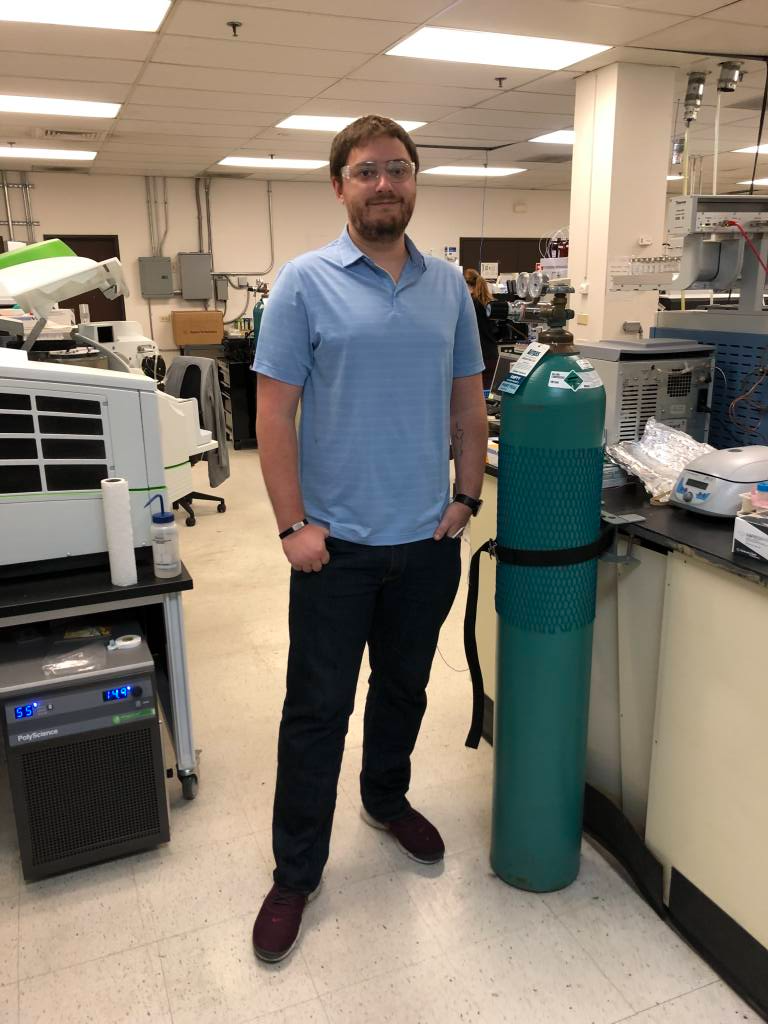
At peak demand last year, ETS had 16 standard and tandem gas chromatography/mass spectrometry units running around the clock. These devices allow for detailed chemical analysis of samples. Basic testing for compounds associated with smoke in wine starts at $150 a sample.
Upgrades in testing equipment and lab space now gives the lab the equivalent of 30 such units. In St. Helena alone, ETS has been able to double its lab square footage. That allowed for social distancing required during the coronavirus pandemic as well as to add instrumentation, Burns said.
ETS also has satellite labs in Healdsburg, Paso Robles, Oregon and eastern Washington.
California smoke testing newcomer