
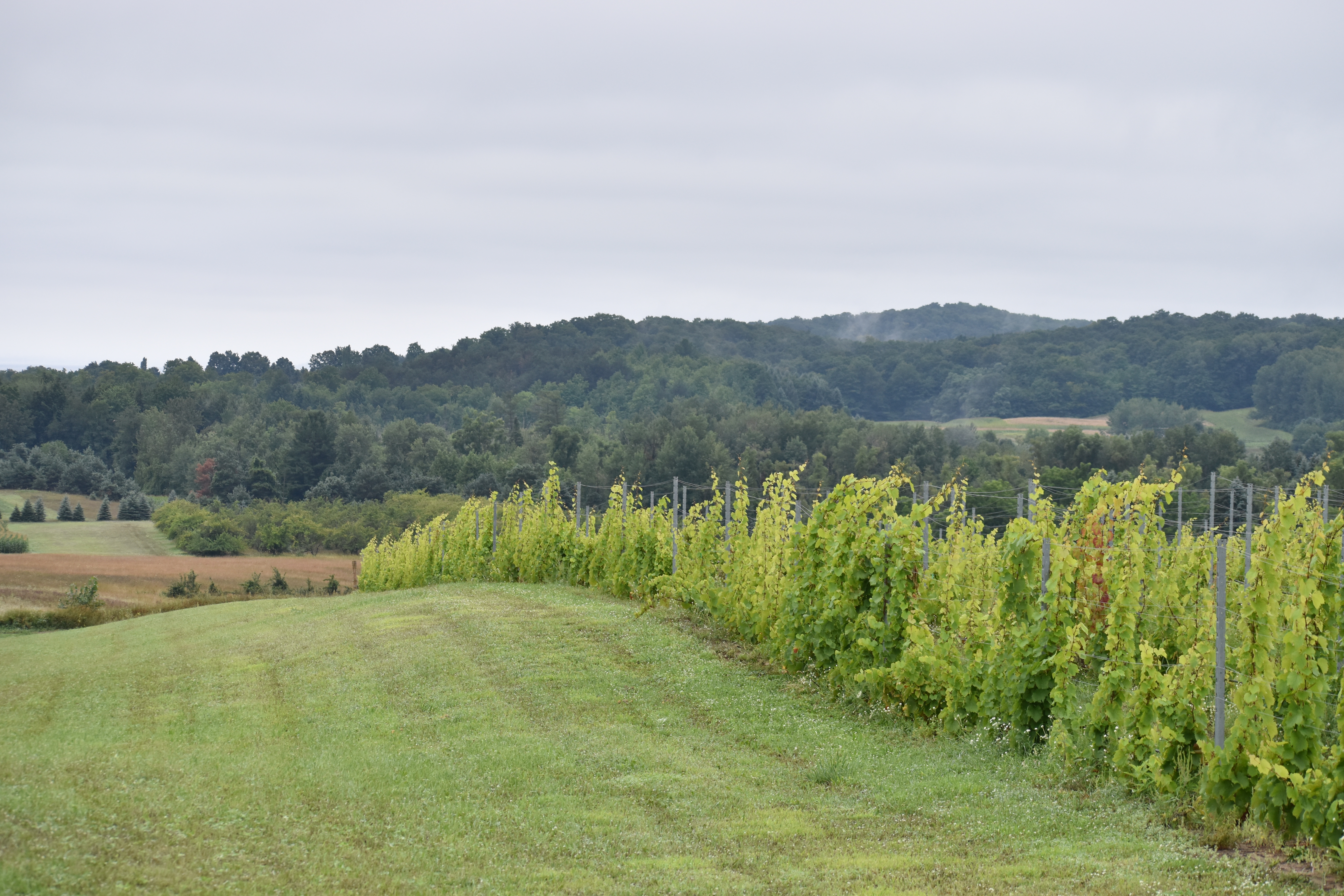
Across the vineyard industry, margins are under pressure. Rising labor costs, limited workforce availability, and increasing water expenses are forcing growers to take a closer look at where efficiencies can be gained. While market conditions may be outside a vineyard’s control, how resources are managed in the field is not.
For many operations, irrigation remains one of the largest opportunities to reduce both labor and water costs without compromising vine health or fruit quality.
Labor remains a growing challenge
Labor continues to be one of the most difficult costs for vineyards to manage. Irrigation tasks often require daily attention, including valve adjustments, system checks, troubleshooting issues, and traveling between blocks. During peak season, these tasks can consume significant time and require experienced personnel to be in multiple places at once.
Even well-run operations feel the strain when crews spend hours driving to sites simply to make routine changes or confirm systems are running correctly. Those hours add up quickly over a season and pull labor away from higher value work.
Reducing labor hours through automation
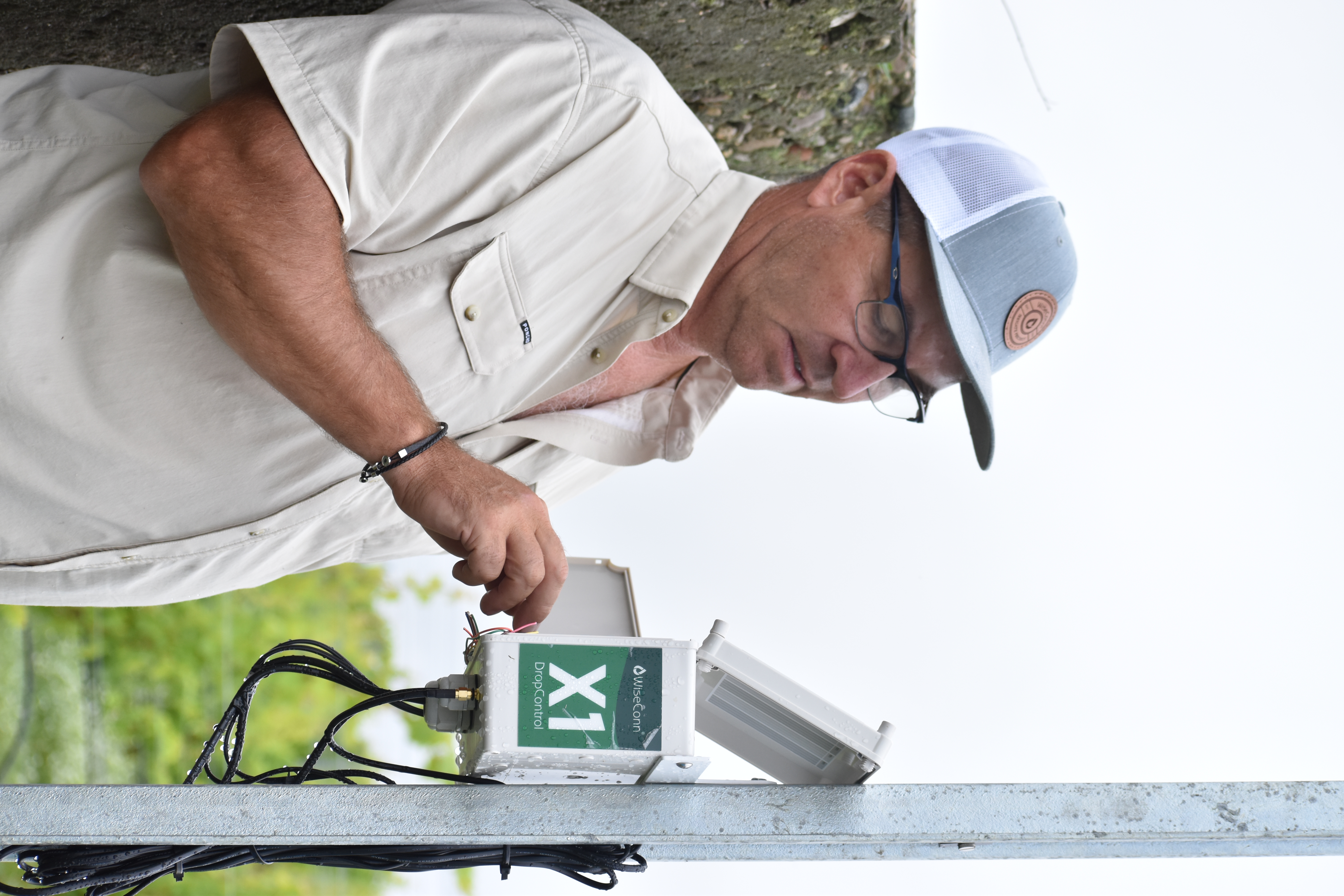
Automated irrigation management offers vineyards a way to reduce the number of hands-on tasks required each day. By managing irrigation remotely, teams can make adjustments, start or stop sets, and monitor system performance without being physically present in the field.
Automation allows growers to:
Control valves remotely instead of making frequent site visits
Schedule irrigation events in advance, reducing manual set times
Receive alerts when something needs attention, rather than checking systems proactively
Manage multiple blocks from a single platform
This shift does not eliminate the need for skilled labor, but it does allow teams to work more efficiently and focus their time where it has the greatest impact.
Water efficiency directly supports cost savings
Water costs are another major factor affecting vineyard profitability. Applying too much water not only increases water and energy expenses, but can also lead to issues such as runoff, leaching, and uneven irrigation.
With detailed flow and pressure monitoring, vineyards gain visibility into how much water is actually being applied across each block. This makes it easier to identify leaks early, verify system performance, and fine-tune irrigation schedules based on real data rather than assumptions.
Using precise irrigation data helps vineyards:
Reduce wasted water and pumping costs
Catch issues before they become expensive repairs
Apply consistent irrigation across variable block sizes
Support better long-term water management decisions
Over time, these small adjustments can result in meaningful water savings and more predictable operating costs.
Supporting profitability during a challenging market
When the industry faces economic uncertainty, efficiency becomes a competitive advantage. Reducing labor hours tied to irrigation and improving water use efficiency allows vineyards to protect margins while maintaining control over one of their most critical inputs.
Smart irrigation technology is not about replacing people. It is about giving vineyard teams better tools to manage complexity, reduce unnecessary work, and make confident decisions backed by data.
Looking ahead
As vineyards continue to adapt to changing conditions, investments in automation and data-driven irrigation management offer both immediate and long-term benefits. By addressing labor and water costs together, growers can create more resilient operations that are better equipped to navigate today’s challenges and plan for the seasons ahead.