

A pause in the fever dream of instability
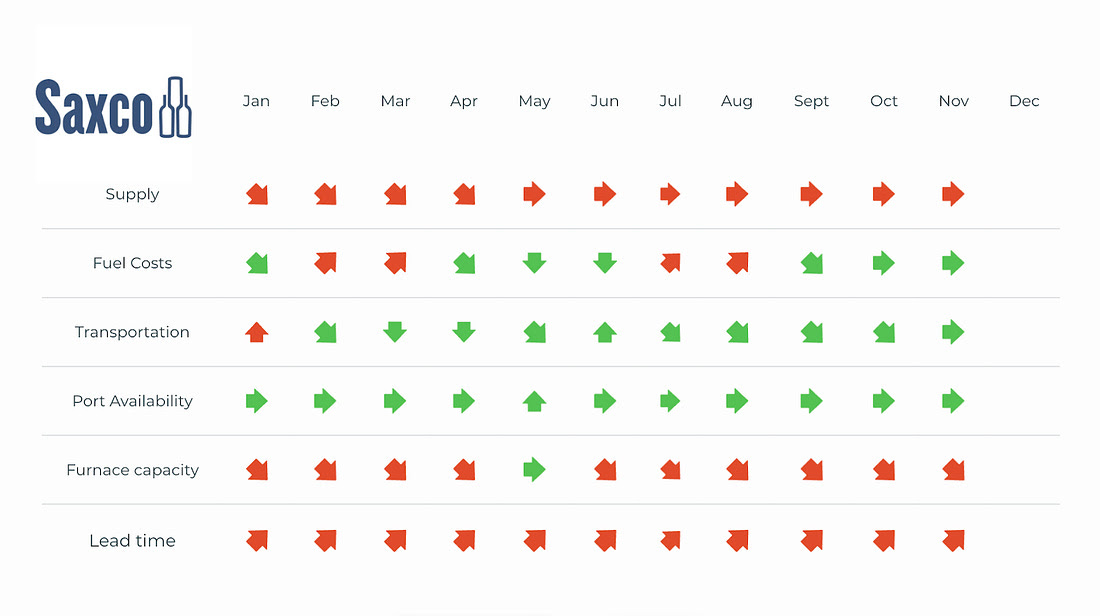
October arrived not with fanfare but with something rarer: Quiet. After a year of collective anticipation for more and more problems, what occurred was a respite. The tariffs are stalled, and the early indications from the Supreme Court suggest they are still in flux and will be a topic for discussion on a future date. Fuel costs have stabilized, as have ocean freight rates.
There is a peculiar quality to this pause. It is that in-between moment that makes it hard to understand if wineries should keep their guard up or, finally, tentatively lower their shoulders.
The glass half empty, half full
The supply chain in October was like a strange dance. Everything remained unchanged – neither improving dramatically nor deteriorating. Just... holding.
Diesel slipped from $3.748 to $3.679 per gallon, a decline so modest it barely registers as movement. But after months of upward pressure, even sideways feels like progress. Ocean rates hit bottom not from efficiency gains, but from demand that has gone soft. The ports are clear – no congestion, no drama – but there is an unsettling absence of urgency in the quiet.
And the furnaces? Still the bottleneck. Still, the constraint that defines everyone else’s tempo. Lead times stretch into 2026 like a horizon that keeps receding.
The tariff plot twist
Then came the surprise nobody saw coming. After months of escalation rhetoric, Washington and Beijing chose détente over disaster. The fentanyl tariff has been reduced from 20% to 10%. The threatened November escalation to 34%? Canceled. Both sides agreed to a 12-month ceasefire – not a peace agreement, but at least a cessation of hostilities.
China reciprocated: Counter-tariffs were suspended, promises of agricultural purchases were made, and rare earth exports continued.
For glass and packaging, this translates to something precious: Predictability. No sudden cost shocks. No scrambling to recalculate pricing models. Just a few months of knowing what the rules are and finding peace in the predictability.
The market mood
There is a psychological aspect to October that numbers alone cannot capture. After months of crisis management, stability feels almost suspicious. Buyers who have been conditioned to expect the worst are slowly and cautiously starting to plan beyond next quarter.
The smart money is already moving and securing furnace time through Q2, locking in rates before the inevitable rebound, converting uncertainty into strategy. They understand that in a market built on lead times measured in seasons, predictability is currency.
There’s an old glassblower’s saying: “The best time to shape glass is when it’s neither too hot nor too cold – but in that precise moment when it’s willing to bend without breaking.” We recommend using this quiet time to really leverage the market stability for better planning and purchasing.
Here’s to keeping the glass half full.
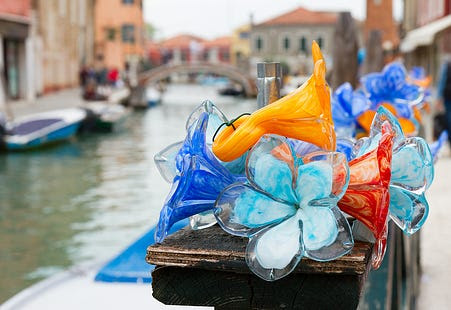
Bottled Tidbits - The Venetian glass monopoly and the Prison Island of Murano
In 1291, Venice relocated all its glassmakers to the island of Murano under the pretence of fire prevention. The true motive was industrial security – Venice had perfected “cristallo,” the world’s first truly clear glass, and paper-thin goblets that could twist like sugar.
Murano’s glassmakers lived like aristocrats. They gained immense wealth and were celebrated. Often, they were granted noble titles. However, their privilege was a gilded cage, and it came with a catch: No one was allowed to leave the island. Any glassmaker caught trying to share Venice’s secrets abroad risked a quiet death at the hands of the Venetian agents, and glass making moved from being a trade to a state secret.
The strategy proved remarkably effective. For 200 years, Venice controlled the European luxury glass market through this combination of incentive and intimidation. No other region could match Venetian clarity, thinness, or decorative techniques.
The monopoly was broken in the 1670s when several glassmakers successfully escaped to Vienna and London. They took with them centuries of accumulated knowledge. Within a generation, these defectors had established competing glass centers that not only matched Venetian quality but also began developing their own innovations, including English lead crystal and Bohemian potash glass. Venice’s dominance, which was maintained by years of secrecy rather than innovation, could not survive the spread of its carefully guarded techniques.