


The crush pad is the heartbeat of any winery during harvest season. It’s where grapes are received, sorted, and prepared for fermentation—a critical workspace that can make or break the efficiency of your operations. A well-designed crush pad doesn’t just improve workflow; it protects fruit quality, reduces labor strain, and ensures safety for your staff.
Understanding the Crush Pad Workflow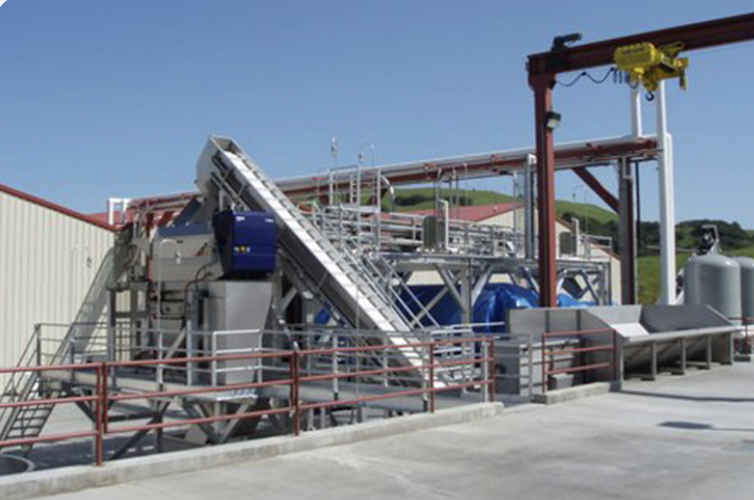
Before designing or upgrading a crush pad, it’s essential to understand the flow of operations. Grapes typically move from vineyard bins to receiving areas, then through destemmers and presses, and finally into fermentation tanks. Every step must be seamless to avoid bottlenecks that can slow down production.
When planning your crush pad layout, consider:
- Equipment Placement: Position destemmers, presses, and conveyors to minimize travel distance. Efficient placement reduces handling and potential grape damage.
- Accessibility: Forklifts, carts, and workers should have clear pathways. Crowded spaces slow down operations and increase the risk of accidents.
- Drainage and Sanitation: Crush pads can get messy quickly. Proper drainage, non-slip surfaces, and easy-to-clean materials help maintain a hygienic workspace.
Custom Solutions for Your Winery
No two wineries are identical, and Ogletree understands that. Custom crush pad designs allow you to maximize space while accommodating your unique production goals. From small boutique wineries to large commercial operations, tailored layouts optimize grape flow and increase throughput.
For example, an Ogletree client upgraded from a makeshift crush pad to a custom aluminum and stainless-steel layout. The new design included elevated platforms for improved visibility, strategically placed conveyors, and an integrated drainage system. The result? Faster harvest processing, less labor fatigue, and better overall grape quality.
Safety First
Harvest season is a high-pressure environment, and safety cannot be overlooked. Crush pads often involve moving heavy equipment, elevated platforms, and slippery surfaces. Investing in durable materials, non-slip flooring, and well-designed railings prevents accidents. Safety isn’t just about compliance—it protects your team and prevents costly interruptions during peak production.
Maximizing Efficiency with Technology
Modern crush pads incorporate technology to further streamline operations. Conveyors, automated destemmers, and smart bin lifts reduce manual labor and speed up grape movement. Some systems even include sensors to monitor throughput and detect blockages early, preventing downtime. Ogletree’s team can integrate these technologies into your crush pad, creating a fully optimized environment that balances efficiency and grape integrity.
ROI of a Well-Designed Crush Pad
An efficiently designed crush pad pays for itself over time. Benefits include:
- Reduced Labor Costs: Less manual handling means fewer workers needed to manage the same volume of grapes.
- Improved Wine Quality: Gentle grape handling and faster processing protect flavor and aroma compounds.
- Faster Harvest: Streamlined operations allow wineries to process grapes more quickly, crucial when dealing with perishable fruit.
Final Thoughts
Your crush pad is more than just a workspace—it’s the foundation for a successful vintage. By investing in a layout that maximizes efficiency, prioritizes safety, and incorporates modern technology, wineries can streamline harvest operations, protect grape quality, and empower their teams to perform at their best.
Ogletree’s custom crush pad designs combine industry expertise, practical solutions, and attention to detail to create crush pads tailored to your winery’s unique needs. Whether you’re planning a new facility or upgrading an existing one, a well-thought-out crush pad ensures a smoother, safer, and more productive harvest season.