
.jpg)
You spent time, money, and energy building a brand that people recognize. It looks good. It sounds right. People are finally starting to get it. So why are you letting it fall apart?
Your brand is a reputation, not just a logo. Inconsistent fonts, weird colors, off-brand photos, and tone-deaf captions are the start of a slow slide into brand chaos.
Here’s how brands get muddled:
- No rules, just vibes: You hand your logo to a sign maker or a friend who “knows Photoshop” and hope for the best. Without a brand standard, they’re guessing. And that guess might be Comic Sans.
- Template traps: Canva and AI tools are great. While these programs open a new set of opportunities it is important to use them in a way that honors your brand identity. When using pre-made templates take the time to change the fonts and colors to the ones that match your brand and use your original photos when possible, to preserve brand recognition. If you're using pre-made templates without updating fonts, colors, and imagery to match your brand, congratulations—you just became generic.
- Death by a thousand tweaks: Adding a new font here, changing a color there, updating a label “just this once.” It all adds up. You’re too close to notice, but your audience isn’t. They can feel when something’s off.
Everyone has a different aesthetic and having strong brand standards ensures that your brand look is consistent regardless of who is working on it.
The Fix: A Brand Standard
What are ‘brand standards’? A brand standards document provides a ‘how-to’ to implement your brand consistently and uniformly in design and communications. Sometimes called a ‘brand usage guide’, the document becomes a tool for you to share with those who are going to bring your brand to life after it has been created.
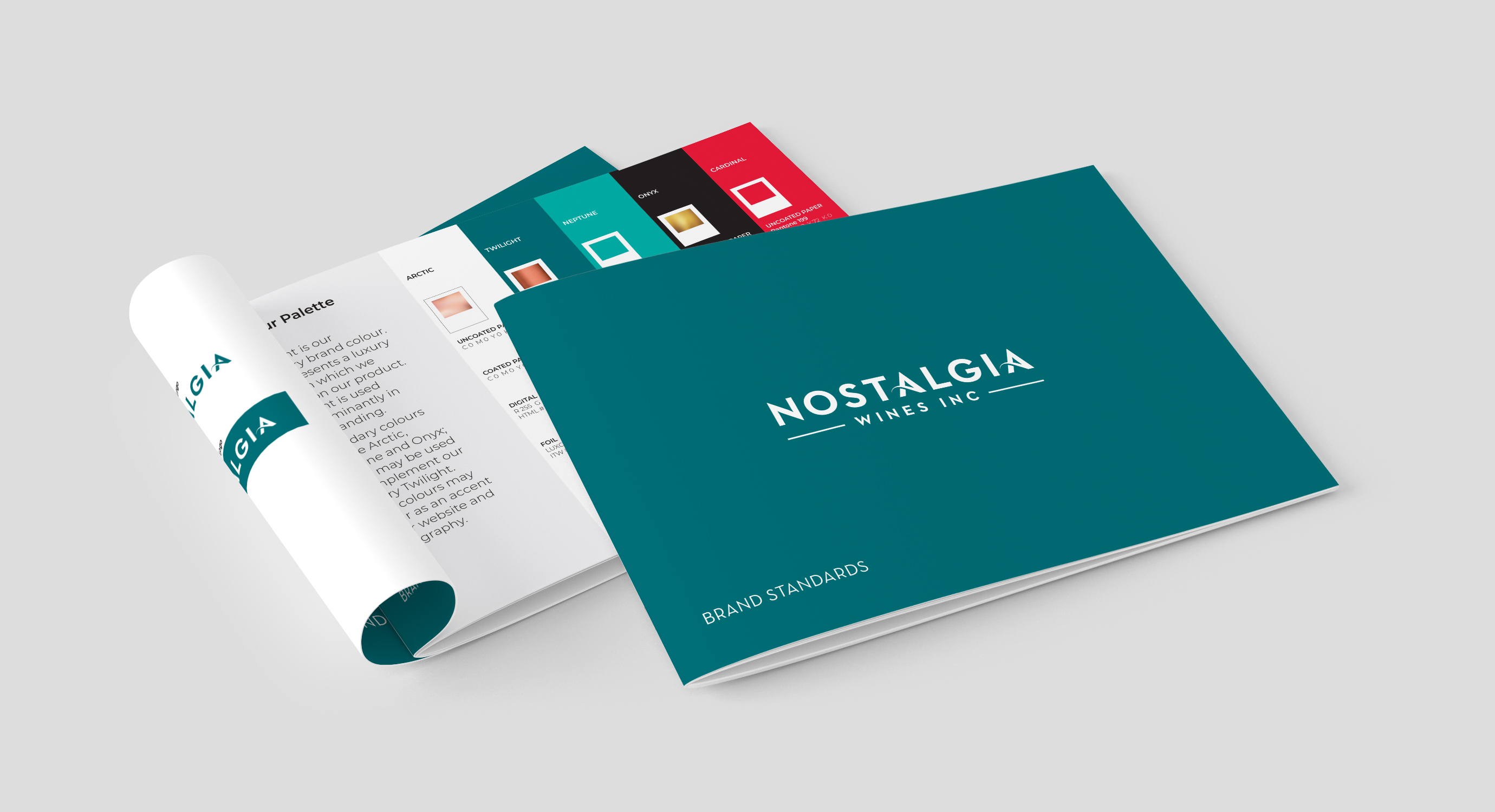
It’s the “how-to” guide for using your logo, colors, fonts, and voice—so your brand always shows up looking sharp and sounding like itself. Whether it's a one-sheet or a 40-page book, it keeps everyone (including your future self) on the same page.
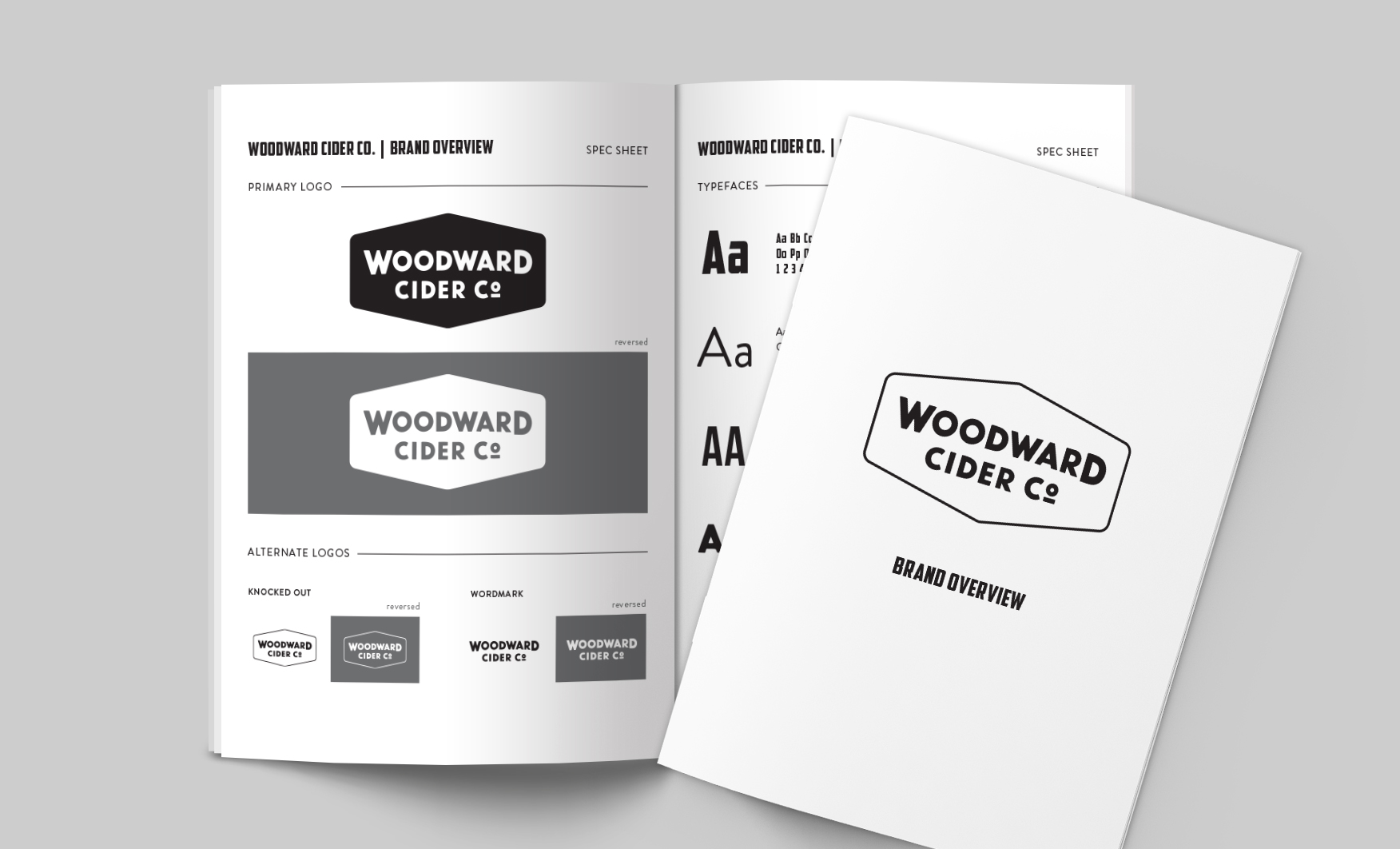
The basics of a brand guide covers the brand’s visual identity, the logo, color palette and typography. This can be expanded to include a photography guide and sample design layouts.
At its simplest, a brand guide covers:
- Your logo (and how not to stretch it)
- Colors (with the right codes, not just “blue-ish”)
- Fonts (consistency is sexier than creativity here)
- Visual guidelines (like photography style and sample layouts)
- Voice and tone (what your brand says and how it says it)
Want to go deeper? A more comprehensive brand package can be developed to include the corporate mission statement, brand promise and personality. These can set the tone for your brand’s editorial voice, including examples of the appropriate tone of voice and language to use when talking about your brand. These help anyone writing, designing, or promoting your brand to nail it every time.
At Town Hall Brands, we don’t just create brands—we protect them. As a full-service agency, our company has a design team that creates brands, logos and packaging from scratch. However, our design team is also responsible for taking a brand we didn’t create and making promotional materials from it. This includes items like a restaurant promotion or an ad that needs to fit within an existing brand.
With or without a standards guide, we’ve seen what happens when there are no guardrails. Spoiler: it’s not pretty.
Bottom Line
If you’ve gone through the effort of building a brand, do yourself a favor: protect it. Create a brand standard. Use it. Share it. Enforce it. Your brand is only as strong as its weakest execution.
Don’t f*ck it up.