Sustainability in winemaking goes far beyond vineyards, irrigation, and lightweight glass. Increasingly, wineries are looking deeper into their production cycle—and discovering that one of the most impactful places to make change is in the cellar itself: the oak barrel.
Each new wine barrel represents decades of forest growth. Most oaks used for cooperage take between 80 and 120 years to mature before they’re harvested, and each barrel requires multiple trees’ worth of wood. When those barrels are used only once or twice before being retired, the environmental cost is steep.
Reusing or recoopering existing barrels extends the life of that oak, maximizing its carbon value and minimizing waste. This practice reduces demand for new trees, cuts down on shipping emissions associated with importing new oak, and prevents thousands of barrels from being discarded prematurely each year. In short, extending barrel life is one of the most practical forms of sustainability available to modern wineries.
The Reuse and Recooper Difference
Not all barrels age out at the same pace. While some are ready for retirement after two or three vintages, many still have years of structural integrity left. These barrels can be thoroughly inspected, rehydrated, and returned to service for additional fills without compromising quality. Others can be recoopered—disassembled, reworked, and given fresh toasts and heads—bringing new life and character back to seasoned oak.
Recoopered barrels are especially valuable for winemakers seeking to fine-tune oak influence without the expense or carbon footprint of new imports. They offer a renewed flavor contribution, a tighter seal, and a dramatically smaller environmental impact.
Measuring What Matters
Forward-thinking wineries are starting to include barrel reuse rates in their sustainability reports, right alongside energy, water, and packaging data. It’s an easy metric to track, yet one that directly reflects a winery’s environmental stewardship. Every reused or recoopered barrel saves an estimated 60–80% of the carbon impact compared to producing a new one.
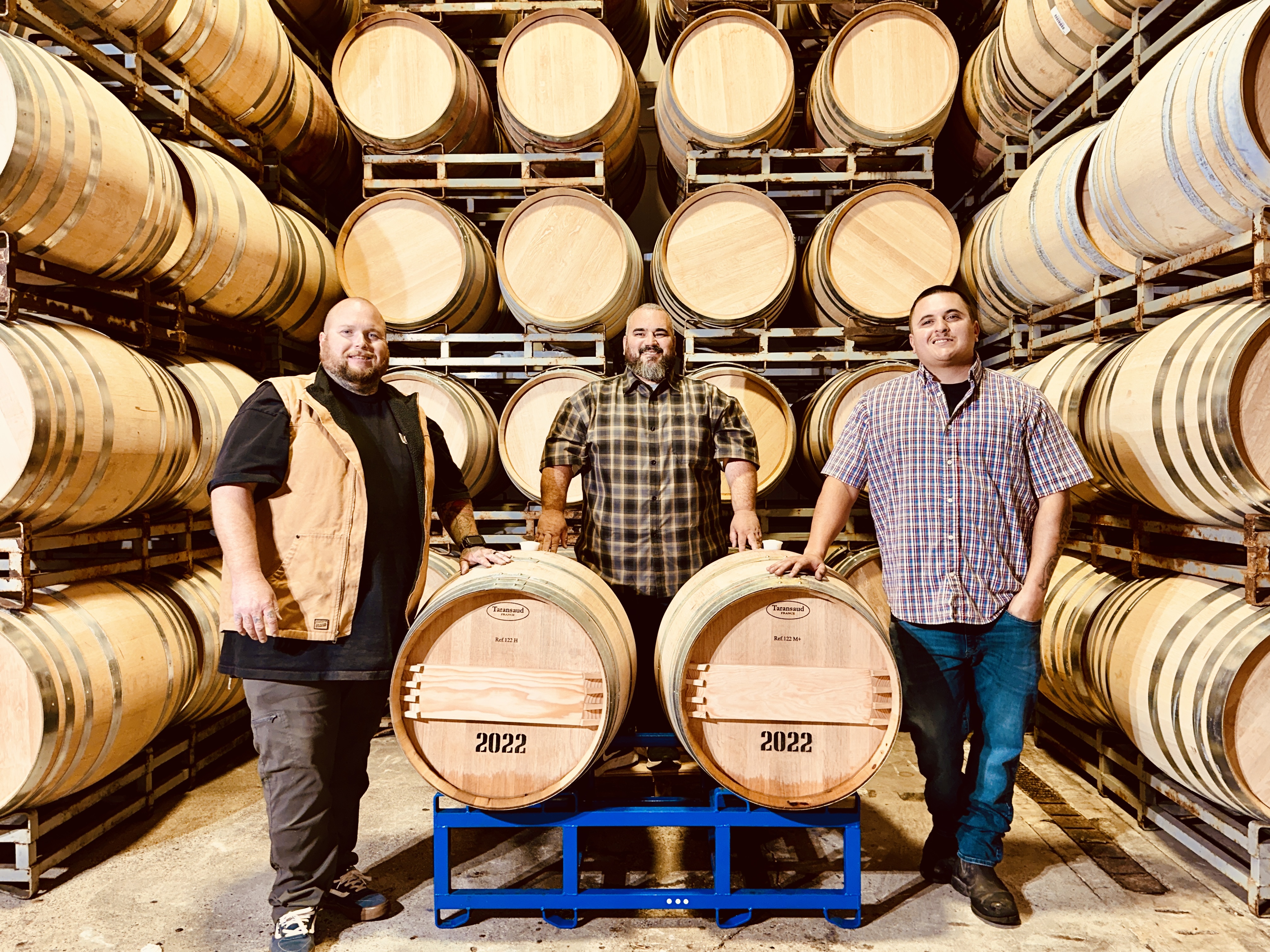
At Quality Wine Barrels, this mindset has guided operations for more than two decades. Every barrel is carefully inspected for structure, aroma, and leakage before it’s approved for resale or recoopering. By keeping thousands of barrels in circulation each year, QWB helps wineries maintain quality while reducing both costs and their ecological footprint.
Smart, Sustainable Sourcing
As sustainability reporting and certification standards evolve, more wineries are realizing that their barrel choices matter as much as their vineyard practices. Choosing reused or recoopered barrels from trusted domestic suppliers supports responsible forestry, lowers emissions, and provides the same reliable performance winemakers expect from new oak.
Extending the life of oak through reuse and recoopering isn’t just an environmental choice—it’s an operational advantage. It’s a simple, measurable way to advance sustainability while keeping quality and craftsmanship front and center.
If you’d like to talk through a new barrel strategy of reuse and recooperage, the QWB team is always happy to help you set up a practical evaluation plan.
Give me a call or email anytime.
805-481-4737
sales@qualitybarrels.com
— Lucas Brewer