
.jpg)
Logos are a visual symbol used to represent your brand, often a relatively simple graphic but don’t underestimate its importance. We are sharing our best practices for logo usage to preserve this important piece of brand recognition.
LOGO FILE TYPES
There are multiple file types used for logos, each with their own benefits and ideal uses. Selecting the file type that best matches the application will ensure your logo is looking its best.
At Town Hall Brands we work with logos in three formats: JPEG, PNG and Vector
JPEG is the image file extension that you may be most familiar with as it is commonly used for photographs. The benefits of this file type are compressed files that load quickly with web applications. The drawback when using a JPEG logo is the solid background, when placed over a photo or colorful background a JPEG logo will have a white background preventing the logo from integrating with the larger design.
When to use: website and digital formats where small or compressed files sizes are needed.
PNG is ideal for logos as they can have transparent backgrounds, this allows your logo to be placed into a design or over a photo without a background or border around the logo.
When to use: websites, social media icons, small scale print jobs
Vector unlike the previous two formats is a category rather than a file extension. A vector file is comprised of mathematical points rather than pixels, this allows vector files to be scaled indefinitely without any loss of quality. Types of vector files can include EPS, SVG and Ai (Adobe Illustrator).
When to use: printing, branded products and large-scale applications such as signage
LOGO RULES AND GUIDELINES
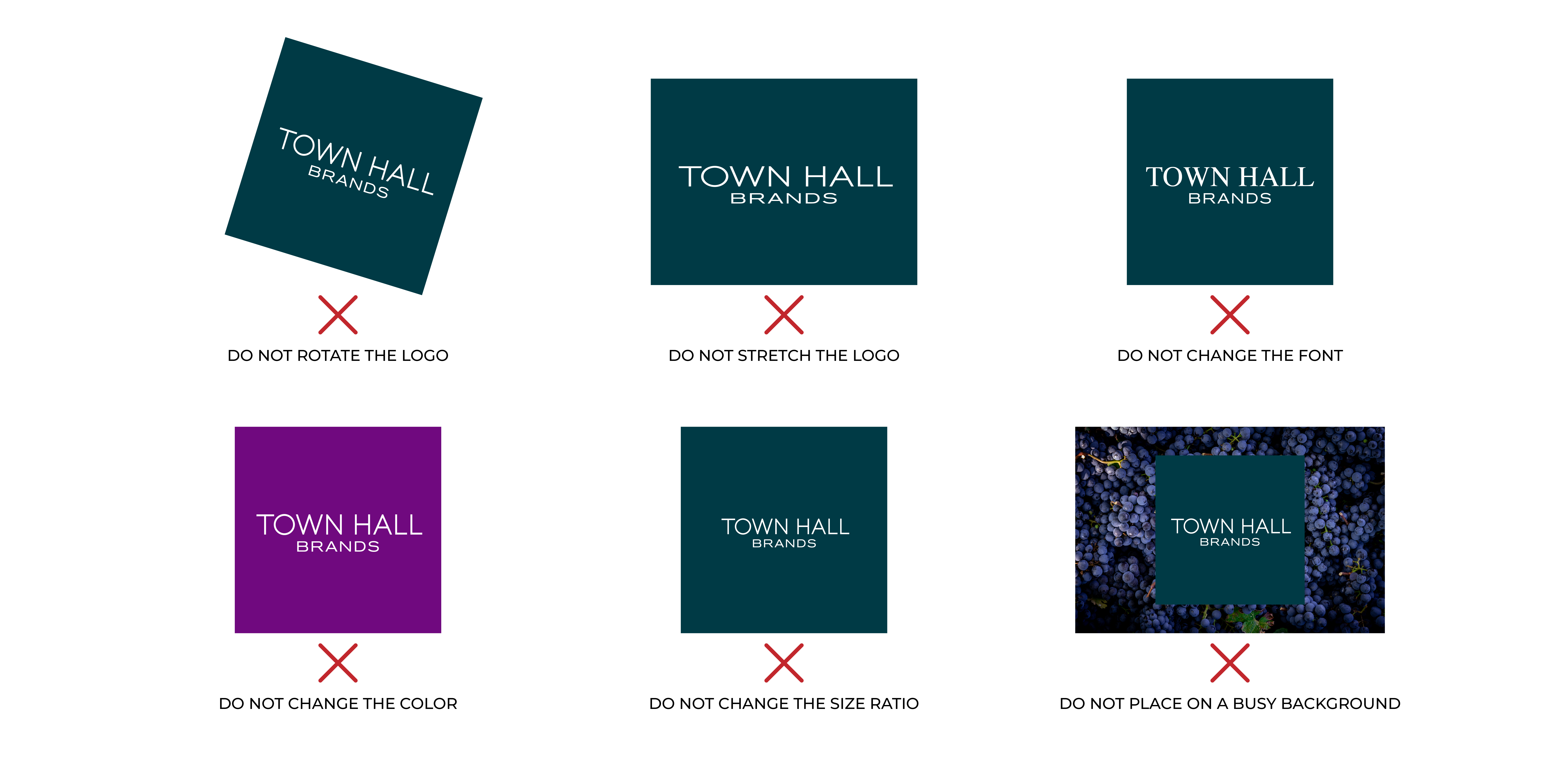
Consistency is key when it comes to logos as this is how consumers will identify your brand. Limit the number of logo variations and avoid making alterations to keep your logo easily recognizable. See our logo dos and don’ts:
DO
- Have full color and black and white versions of your logo for different purposes
- Use the full color version of your logo whenever possible
- Use the best file type for each logo application
- Include a safe space around your logo so it stands out and doesn’t get lost among other elements in a design
DON'T
- Rotate the logo
- Stretch the logo
- Change the font in the logo
- Change the color of the logo
- Change the scale of certain elements
- Place the logo on a busy background
- Make the logo so small that details are lost or the text is no longer legible
When sharing your logo with third parties ensure that you provide high quality files that are compatible with how they will be using your logo and share your logo rules.
Your logo is a valuable piece of your brand, don’t overlook the importance of logo usage in putting your best foot forward.
Have logo questions or need help designing your logo, email info@townhallbrands.com