When people talk about barrels, it’s usually the glamorous ones that get the attention—new French oak, custom toasts, those first vintages where the oak impact is bold and unmistakable.
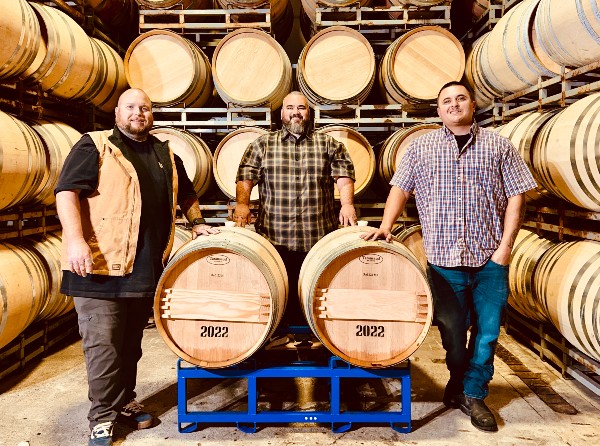
But if you walk into most working cellars, you’ll notice something: the barrels stacked three high in the back aren’t all brand-new French oak.
A lot of them are neutral.
And they’re doing some of the most important work in the room.
We’ve seen plenty of cellars where neutral barrels outnumber new oak five to one. Nobody makes a big deal about it—it’s just how the work gets done.
More Than “Just Neutral”
Once a barrel has given up most of its extractable oak character, it often gets labeled as “neutral.” The implication is that it’s somehow less useful. But neutral oak plays a role that’s just as important as the flashier new barrels.
In short: neutral doesn’t mean useless—it means versatile:
- Blending tools that let winemakers balance lots without over-oaking the final wine.
- Fermentation: Gentle oxygen exchange helps wines evolve without heavy-handed oak flavors.
- Storage: Stable, trustworthy, and always ready when tank space is tight.
The Budget Safety Net
Let’s face it—this market is tight. Wineries everywhere are stretching dollars, looking for savings without cutting corners. Neutral oak makes that possible.
It lets winemakers put resources where oak impact really matters, while still keeping the rest of the program on track. It’s a quiet kind of flexibility—one that doesn’t get talked about much, but without it, the numbers wouldn’t add up.
Steady and Reliable- Risk reduction
“We all know what it feels like when tank space runs short… neutral barrels are what save the day”
There’s also comfort in knowing what you’re working with. Neutral barrels have already been through a few vintages, and when they’ve been properly cleaned and checked, they’re predictable.
If you’ve ever been short on tank space mid-harvest, you know the relief of rolling in a row of neutral barrels and knowing they’ll get you through. No drama, no surprises—just dependable oak doing its job.
Neutral as Part of the Story
And for the winemaker, that story isn’t just marketing—it reflects the reality of running a cellar efficiently and responsibly.
Consumers may not ask specifically about neutral oak, but they do care about sustainability, value, and resourcefulness.
A winery that uses neutral barrels as part of its strategy can tell a story that resonates: conserving oak forests, cutting waste, and making smart, thoughtful choices vintage after vintage.
For winemakers, it’s not about spinning a narrative. It’s about the reality of running a cellar responsibly. But the fact that the story resonates outside the cellar is a nice bonus.
The Takeaway
Neutral oak may not carry the same mystique as a freshly toasted French barrel, but it’s every bit as vital. It’s the quiet backbone that supports fermentation, storage, and blending decisions vintage after vintage.
In an industry facing tighter margins and rising costs, neutral barrels are more than a convenience— They make the math work.
A new French oak barrel often runs $1,100 or more, while a neutral barrel might cost a fraction of that—sometimes under $100.
Multiply that across dozens or hundreds of barrels, and the savings can easily climb into the tens of thousands.
Sometimes the most valuable barrels in the cellar aren’t the ones making headlines. And maybe that’s the point.
Neutral oak doesn’t need the spotlight. It just needs to keep doing what it’s always done: the work.
We love to talk barrels, and create long-lasting relationships with our customers.
Please call or email us!
Luke Brewer and the team
(805) 481-4737