
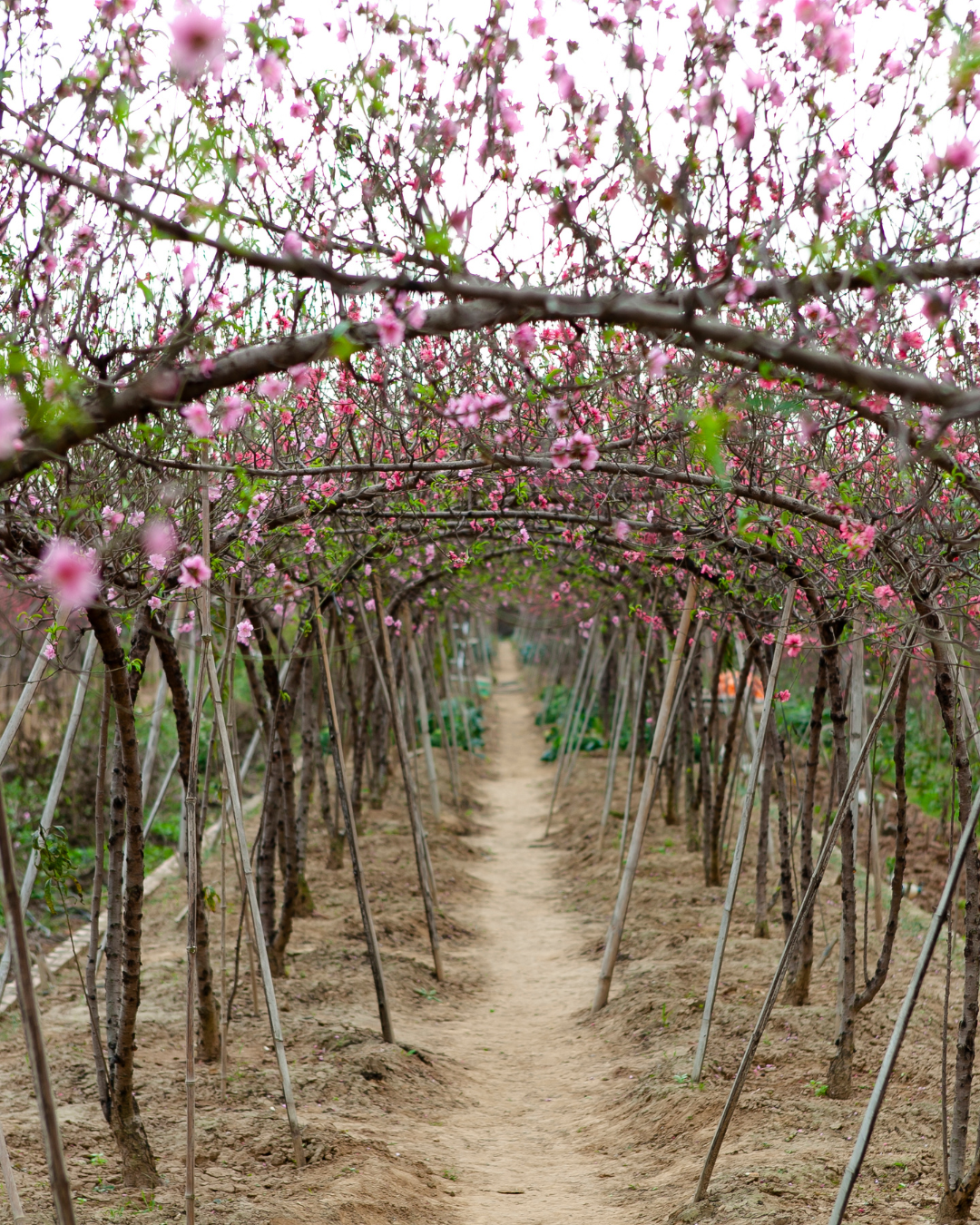
 Bloom signals more than color in the field. It marks the transition into one of the most critical irrigation periods of the year.
As crops move from dormancy into active growth, water demand begins to shift quickly. Root systems wake up. Canopies expand. Evapotranspiration increases. What worked during winter or early pre-season conditions will not carry you through bloom and fruit set.
This is the moment to recalibrate.
Start with a System Check
Before peak demand hits, take time to evaluate your irrigation infrastructure:
Inspect valves, filters, and pressure regulators
Confirm flow meter accuracy
Review pump performance under load
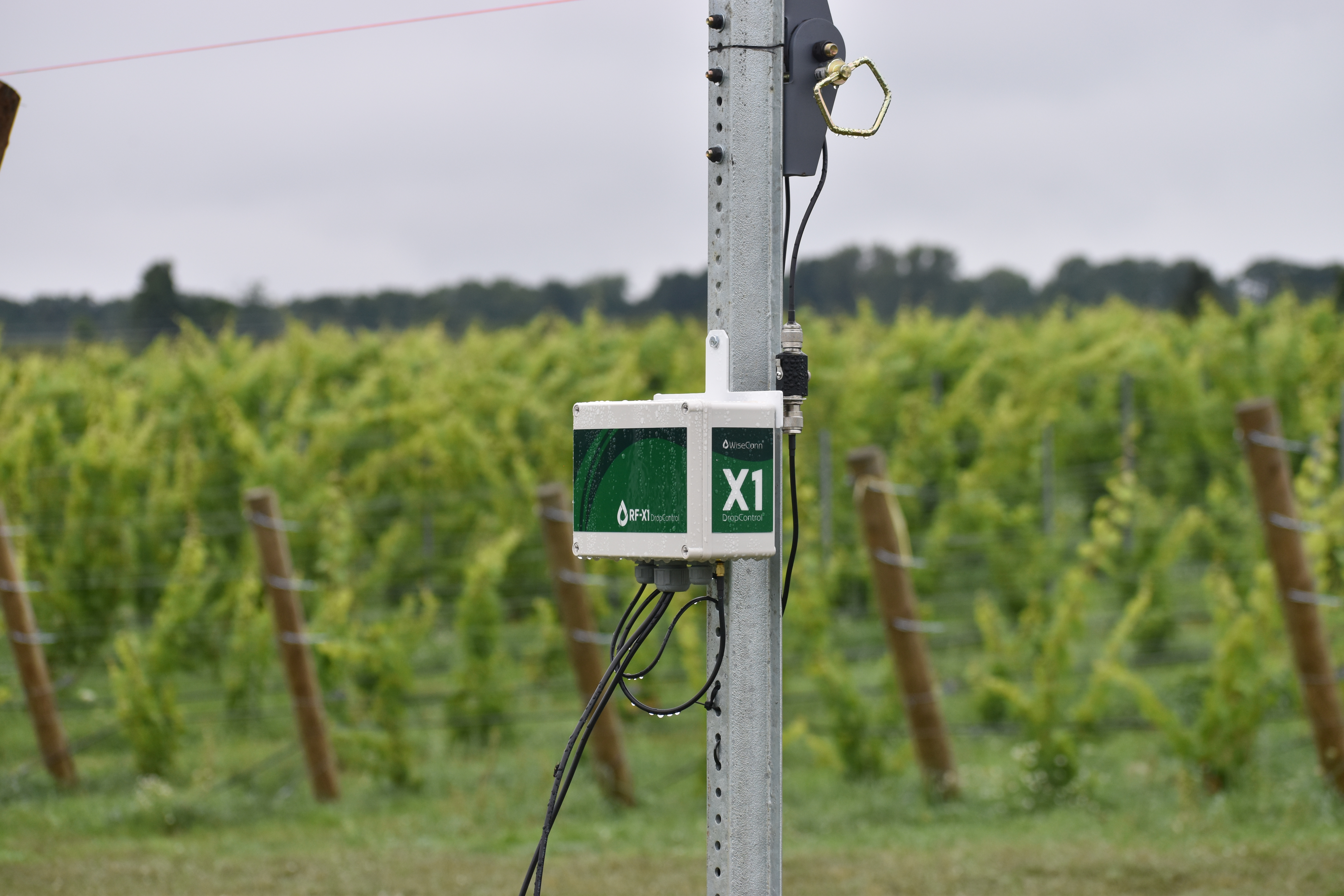
Test soil moisture sensors and telemetry connectivity
Verify that automation schedules match current crop stage
Small inconsistencies in early season can become major inefficiencies during full production.
Match Irrigation to Crop Physiology
During bloom, consistency matters. Over-irrigation can reduce oxygen in the root zone and impact nutrient uptake. Under-irrigation can stress the plant at a stage when energy is directed toward flowering and fruit set.
Instead of irrigating by calendar alone, use field data to guide timing and duration. Soil moisture trends, pressure data, and real-time flow feedback provide clarity when environmental conditions fluctuate.
Bloom is dynamic. Irrigation should be as well.
Think Ahead to Peak Demand
The decisions made during bloom influence performance later in the season. Establishing strong root development and uniform moisture distribution now supports crop load, fruit sizing, and overall plant health.
Consider:
Are you building deep, resilient root systems?
Are irrigation sets allowing proper infiltration?
Are you monitoring variability across blocks?
Preparing early allows you to respond, not react, when temperatures rise.
Data Builds Confidence
Entering irrigation season with visibility into your system changes the way decisions are made. Instead of guessing when to start or stop a set, you rely on measurable feedback. Instead of discovering issues after yield impact, you catch them early.
The upcoming season is not just about turning water on. It is about applying it with intention.
Bloom is the first chapter. The foundation you build now shapes everything that follows.