



March 1, 2026
International Year of GlassMarch 1, 2026
Creating a Sustainable Ecosystem from Vine to VendorWineries continue to increase their efforts to reduce their carbon footprint. From harvesting grapes grown in more sustainably focused ways, to water conservation, and fostering healthier soils, there are many things that can be done in the vineyard to make a positive impact on the local ecosystem and wildlife habitat.
Beyond environmentally conscious agricultural practices, it is important that wineries look to vendors that operate with similar sustainability views. One impactful consideration is which organization you turn to for glass packaging. If you are looking to step up your efforts even further, there is a reason to choose O-I as that partner. Since 2017, the organization’s multi-pronged approach to sustainability has resulted in a nearly 20% reduction in greenhouse (GHG) emissions.
Taking a more granular look at O-I, there are other factors that make the organization a leader in the sustainable packaging space. Here are some points to consider when it comes to strengthening a sustainable vision for your brand.
Dive into O-I’s sustainability report.

Lighter bottles. Lighter footprint.
O-I’s lighter-weight glass bottles, which comprise one-third of their wine bottle portfolio, are supporting sustainable initiatives by offering a lower carbon footprint. “The lightweight portfolio is gaining considerable momentum, and we’re receiving a lot of positive feedback,” says Jon French, O-I Commercial Director, Wine. “Many of our customers have expressed that, if they haven’t already started moving into lightweight offerings, they are strongly considering the transition.”
One organization influencing the lightweight trend is the Sustainable Wine Roundtable (SWRT), which brings together retailers and wine industry leaders, from wineries to packaging producers, to create global standards for wine sustainability. O-I joined SWRT in March, becoming the first glassmaker among over 120 members. SWRT is championing bottles of 420 grams or less and has pledged to pursue joint trials with the glass industry to produce even lower-weight bottles of around 350 grams. O-I’s lightweight portfolio supports customers interested in getting on board with those initiatives.
“Some wine customers were initially hesitant to transition to lighter-weight bottles for fear that they would lose some of their brand equity,” says French. “One reason is that as an industry we have trained the consumer to think that premium wines should come in heavier bottles. We have addressed this concern in our design by accentuating the shoulders and adding a more substantial punt, so they still get all the premium equity from the bottle. As a result, we are starting to see momentum as wineries are pleasantly surprised to find these options are available in a lighter-weight package.”
Location, location, location.
Sustainability initiatives often target material ingredients and manufacturing practices, leaving transportation an overlooked part of the puzzle. Transportation can make a significant impact. According to O-I calculations, GHG emissions from transportation can be reduced by 69% when transporting from an O-I West Coast plant to Napa as opposed to transporting from China to Napa.* Purchasing glass from a local supplier reduces the miles that glass must be transported, lowering carbon emissions.
O-I has a major West Coast footprint, with plants in Kalama (Washington) Portland, (Oregon), and Tracy and Los Angeles (California). These plants are strategically located to service West Coast wine producers, helping them achieve their sustainability goals through limiting transport emissions.
Read more about sustainable wine packaging.
Move forward with O-I
Embrace sustainability without compromising your brand’s growth. Partner with O-I to see how you can improve the future of your brand, and of the planet. Reducing your carbon footprint is easy with O-I’s locally produced lightweight bottles.
Discover the partnership possibilities.
*Sources: World Resources Institute standards, and O-I internal calculations. *Local = From Kalama / Tracy. Calculations are based on a standard 750ml bottle weighing five hundred grams. Production numbers for China are based on an example Chinese plant running on natural gas in 2020. Transportation numbers for ocean transport are based on nautical miles per 100,000-ton ship, averaging around 19,900nm. Transportation on land assumes a standard seventeen -ton truck traveling from the point of production or port to Napa Valley.
March 1, 2026
Better Manufacturers Offer Benefits Beyond the BottleKeeping pace in today’s market requires wineries to juggle more considerations than ever. And while there are advantages to being a jack of all trades, navigating these other factors can distract from the winery’s main focus: making wine. By partnering with the right manufacturer, wineries can devote more energy to crafting their wine without ignoring other key elements required to launch a successful product.
As an industry-leading glass manufacturer, O-I offers wineries more than just beautiful bottles. Partners gain access to an in-house design team, superior sustainability initiatives, and over a century of market experience.
In-house design, out-of-the-box results
O-I’s team of designers have the branding skills and production experience to give your wine a stellar visual identity while considering the design limitations imposed by the glass manufacturing process. The exercise is easy on wineries, thanks to the award-winning design team’s ability to leverage their cross-functional expertise when bringing your packaging ideas to life.

Lower emissions with little effort
An increased number of today’s consumers are making purchase decisions based on a brand’s sustainability, and the wine market is no exception. To keep up, wineries are looking for ways to reduce their carbon footprint. O-I knows that this process can be overwhelming, which is why they’ve made it simple for wineries to achieve their sustainability goals without having to reinvent the wheel. By offering locally produced glass, lighter-weight designs, and leveraging local cullet supply, O-I is the ideal partner to help wineries achieve their sustainability goals.
Innovation through experience
As with the wine industry, O-I has spent a great deal of time and attention perfecting their processes. With a century plus in the industry, O-I is well versed in the challenges that arise when bottling and branding wine. While other manufacturers may avoid these restraints— O-I meets them head-on with innovative solutions. It’s in their DNA.
O-I’s story is consistently marked with innovation. In 1903, O-I revolutionized the packaging industry by inventing the first automatic bottle-making machine. Since then, the company has pioneered ambitious manufacturing processes, emphasized market intelligence to gain an edge, and championed production practices that continually raise the bar for the industry. Wineries can feel confident planning for their future with a manufacturer that values the past to pioneer positive change.
March 1, 2026
Reducing your carbon footprint and staying true to local production. Is it really possible? Click here to read more.3 Ways You Can Reduce Your Winery’s Carbon Footprint

A brands journey to sustainability is never complete as it works to stand out and challenge expectations of the norm. As the years progress, companies of
March 1, 2026
Newsweek has named O-I Glass to its “America’s Most Responsible Companies 2023” list. The list spotlights 500 leaders in sustainability among the U.S.’s largest public corporations across a dozen industries.O-I Glass Named Among 'America?s Most Responsible Companies 2023' | OI

As O-I innovates how glass packaging is made and sold, Newsweek names the glass producer among America's Most Responsible Companies.
March 1, 2026
Local Glass, Global Impact: Improving Wine’s Carbon Footprint The wine industry is a tight-knit community where new ideas and solutions travel by word of mouth to bring transformation to the industry. And when difficulties arise, such as shifting consumer demographics and rising operational costs, wineries and wine growers lean on each other for support.
The response from wineries has led to a focus on premiumization, automation, and building stronger relationships with younger consumers.
Climate change has also increased the frequency of conditions like drought, wildfires and untimely frosts, resulting in more dramatic changes from vintage to vintage. Higher pressure from media, government and younger consumers, pushed wineries to reduce their environmental impact, leading to new solar plants, a transition to organic, biodynamic and regenerative agriculture and technology to measure everything from water usage to carbon sequestration.
Wineries Foster Localism
 Wineries are also looking for other ways to increase sustainability, such as buying locally to reduce carbon emissions since transportation accounts for 90% of greenhouse gas emissions[1]. This approach also contributes to the local economy, an essential factor in many wine regions.
"I work with clients in the Pacific Northwest,” said Kellie Woodall, an Account Manager at O-I Glass. “I find that their focus on localism and supporting one another has increased even more since COVID. Sustainability is more than just the environment, it includes localism and community."
Woodall has a close relationship with Pioneer Packaging, a local O-I glass distributor located in the Pacific Northwest. Pioneer Packaging provides O-I wine bottles to Lange Winery Estate and Vineyards in the Willamette Valley — a winery that values this supportive and collaborative community. Jesse Lange, Lange Winery Estate and Vineyard’s winemaker/winegrower, defines sustainability as "the responsibility to leave a place better than you found it” and making it “less about you and more about your children and next generations.” He adds: “And if we’re able to sustain, support and even grow our domestic glass manufacturing here in the United States, I think that’s a major plus for all beverages that are bottled in glass.”

That perspective should resonate with the broader wine community that includes so many family-owned and multi-generational wineries.
“What's happening in the Pacific Northwest is happening in Napa, Sonoma and the Central Coast regions,” adds Jon French, O-I’s Wine Category Marketing Director. “It’s a shared sensibility across all regions.”
Focus on Sustainability
 This viewpoint also strikes a chord within O-I Glass, which established four plants strategically located along the West Coast, from Kalama, WA, to Portland, OR, to Tracy, CA, down to Los Angeles. These plants are dedicated to producing high-quality glass packaging for the West Coast, and customers like distributor Pioneer Packaging, couldn’t agree more with the benefits of their locations. “As a company, we like glass packaging,” said Mike Steel, President/CEO of Pioneer Packaging. “It’s sustainable, it’s recyclable. Fortunately, we have a partner in O-I who understands the growth in the Northwest and those plants are producing glass with 70% or more recycled glass.”
Like their ecologically-minded winery customers, O-I has set sustainability goals for increasing recycled content, decreasing energy and water usage, greenhouse gas emissions and waste, as well as enhancing the equally vital community aspects of sustainability. They offer a comprehensive portfolio that spans lightweight options, including the weights needed for those who have international consumers, all the way to heavier options for Claret, Burgundy and sparkling wines, and both small and large size formats.

“Our objective at O-I is to meet the diverse needs and preferences of our customers by delivering a high quality, locally produced product,” says French, “and we have the capacity to support them. As the wine industry puts more focus on sustainability, we believe they will see the inherent environmental benefits of buying local glass and how this will benefit them in their goal of reducing their carbon footprint.”
Local account managers like Woodall and her team work side by side with customers to make sure they meet the full scope of their requirements. That includes helping a customer with unique specifications identify the perfect solution, even calling in O-I Glass’ packaging designers or engineers to develop a proprietary bottle.
"Most wineries face the challenge of balancing sustainability and cost," notes French. "As a local supplier belonging to the wider wine community, O-I aims to help customers optimize their glass packaging selections with a range of designs to meet their environmental and financial requirements. We are all searching for the best solution to protect our environment, grow our business and satisfy our customers".
Wineries can visit o-i.com to learn more about how O-I brings local glass packaging capabilities and support to their brands.
[1]World Resources Institute standards, and O-I internal calculations. Local = From Kalama / Tracy. Calculations are based on a standard 750ml bottle weighing 500g. Production numbers for China are standardized based on an example Chinese plant running on natural gas in 2020. Transportation numbers for ocean transport are based on nautical miles per 100,000 tonne ship, averaging around 19,900nm. Transportation on land assumes a standard 17 tonne truck traveling from point of production or port to Napa Valley.
March 1, 2026
3 Ways You Can Reduce Your Winery’s Carbon FootprintA brand’s journey to sustainability is never complete as it works to stand out and challenge expectations of the norm. As the years progress, companies of all sizes are aiming to do just that, with a focus on sustainability for better health, improved community, and a brighter future.
“Pro-environmental actions, such as recycling, have great potential for the industry as a whole to be more sustainable,” notes Jon French, O-I’s Wine Category Sales & Marketing Director.
The wine industry has made progress in reducing greenhouse gas (GHG) emissions, but pressures continue to rise for businesses to take more action founded in sustainable behavior. Wineries of all sizes continue to view every decision with a sustainable lens. Let’s take a closer look at the ways your winery can reduce its carbon footprint.
Choose Local
Of all steps in the supply chain, transportation accounts for 90% of greenhouse gas emissions.[1] O-I, based in Ohio, has 17 manufacturing facilities. Four of these locations – Portland, OR, Kalama, WA, Tracy, CA and Los Angeles, CA – are strategically placed to support West Coast wineries with local glass packaging. About 75% of the bottles produced in the Tracy, CA plant are used locally in Napa and Sonoma counties.
By reducing packaging transportation and purchasing locally, wineries are not only minimizing the distance bottles travel from their origin, but they’re also decreasing their carbon footprint.
Glass shipped in from other countries, though they are excellent trading partners, creates a detriment to the sustainable efforts of West Coast wineries. “The carbon footprint of bringing Chinese glass into the country to bottle our wines in and ship them all over the world is pretty significant,” says Jesse Lange, Winemaker and Winegrower at Lange Estate Winery & Vineyard in Dundee, Oregon. “If we’re able to sustain, support and even grow domestic glass manufacturing here in the United States, I think that’s a major plus for all beverages that are bottled in glass – wine included.”
Choose to Recycle Your Packaging
An important ingredient to the manufacturing of glass is recycled glass, also known as cullet. O-I recognizes the potential of recycled glass. Globally, our glass products contained an average of 38% cullet by tons packed in 2022, and our goal is to reach 50% by 2030. With only a 10% increase in cullet use, the energy used by a plant decreases 2-3%.[2] When wineries practice recycling efforts and communicate the benefits to their customers and community, the carbon footprint continues to reduce in size.
“Our goal for our West Coast plants,” says French, “is to provide the wine country with highly recycled glass as we continue to innovate for greater efficiency.”
O-I’s Glass-to-Glass recycling facility in Washington makes it easier to return empty glass containers back to O-I. Recycling efforts in the Pacific Northwest will continue to expand in regions, like California, where there is more focus on recycling.
Recycling just a ton of glass conserves hundreds of pounds of sand, soda ash and limestone and eliminates 333 pounds of carbon dioxide (CO2)[3]. The infinite recyclability of glass creates a closed-loop system that generates no additional waste, once again, reducing the carbon footprint.
Choose the Right Weight
The wonderful part about glass packaging is that it can come in many shapes and sizes, but also weights. O-I’s complete product portfolio offers a robust selection, from more smaller sizes, such as 375ml, to lighter weight options in 750ml and 1.5L sizes.
The weight of glass packaging has begun to attract the attention of retailers around the globe. These businesses are prioritizing more sustainable packaging, with weight being a primary factor of consideration. Currently, a small percentage of retailers are using weight as part of their standard requirements for brands they choose to partner with. This trend toward lightweighting brand packaging is expected to continue moving forward.

“O-I continues to innovate and provide high-quality, premium-looking products – offering versions in standard and lighter weights,” says French. “Currently, we have eight lightweight offerings, and we plan to expand that to twelve by early 2025.”
Lighter weight packaging affects truck load transportation and the manufacturing process, decreasing greenhouse gas emissions. Choosing the right weight of packaging for your product is just another way to reduce your carbon footprint.
What’s Your Next Step?
Interested in learning how to further your sustainability goals? Visit o-i.com to view our sustainability report, see examples of sustainability in action or connect. Look for the O-I booth 214 at the Unified Wine & Grape Symposium in Sacramento January 24-25.

[1]World Resources Institute standards, and O-I internal calculations. Local = From Kalama / Tracy. Calculations are based on a standard 750ml bottle weighing 500g. Production numbers for China are standardized based on an example Chinese plant running on natural gas in 2020. Transportation numbers for ocean transport are based on nautical miles per 100,000 tonne ship, averaging around 19,900nm. Transportation on land assumes a standard 17 tonne truck traveling from point of production or port to Napa Valley.
[3]EPA
January 22, 2026
For beverage brands, that shift demands rethinking. Not only in product formulation, but across category strategy, format, and also … packaging. At O-I, we see glass packaging offering a powerful edge as expectations rise.Dry January Isn’t Just a Moment: How Non-Alcoholic & Low-Alcohol Beverage Brands Win with Elevated Experiences | O-I

Dry January, alongside the broader sober-curious and low-/zero-proof movement, reflects a deeper shift in how consumers think – which demands beverage brands think differently, too.
October 13, 2025
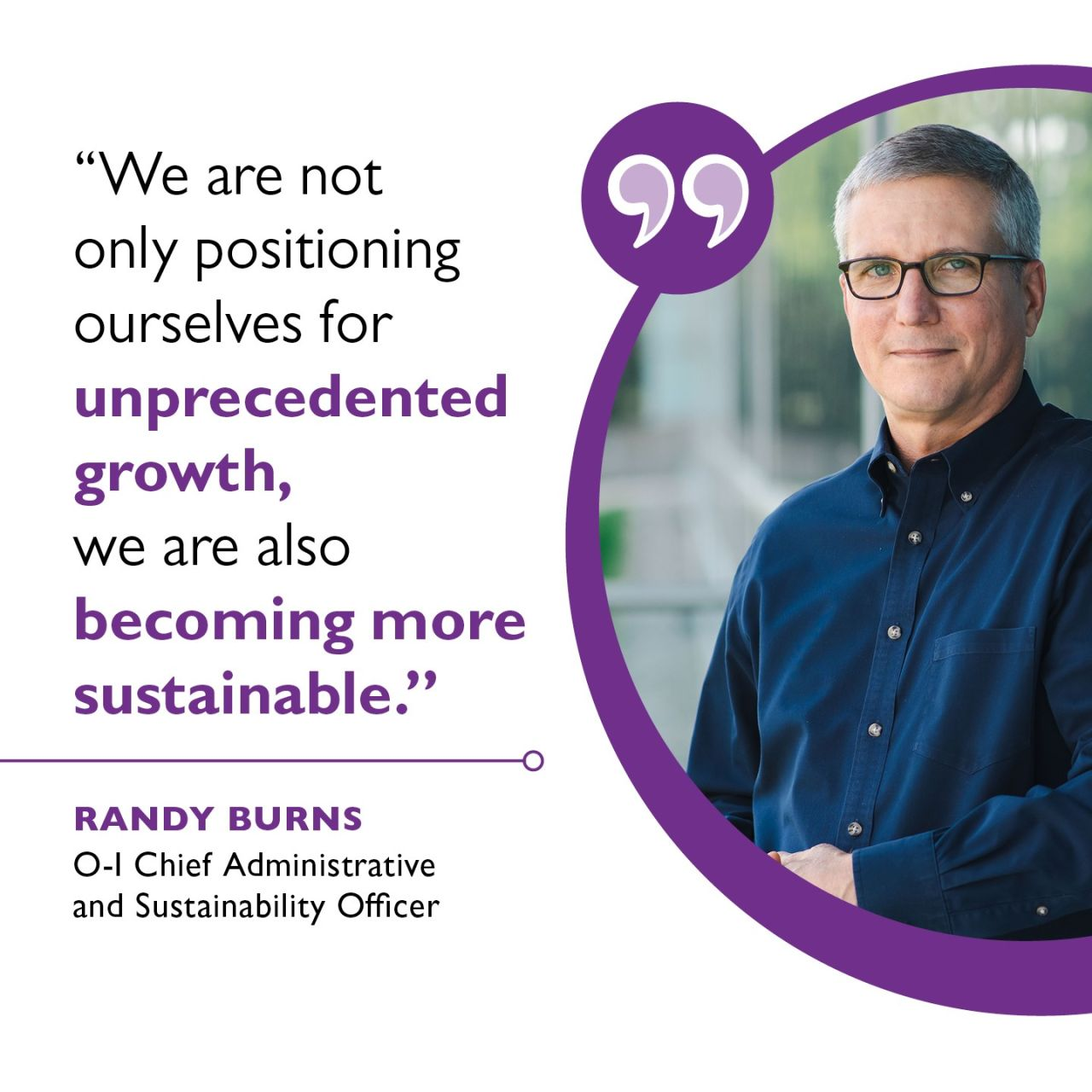
More Value, Less Impact - Our Path to Sustainable PackagingAs we transform into a highly competitive packaging provider, every step we take to optimize our network, drive efficiency, and innovate across our operations is also making us more sustainable.
It’s about delivering more value while creating less impact.
See more in a new article published in Glass International’s September issue. Link in the comments.
August 26, 2025
Glass Packaging That Turns Heads Before the Cork Is Popped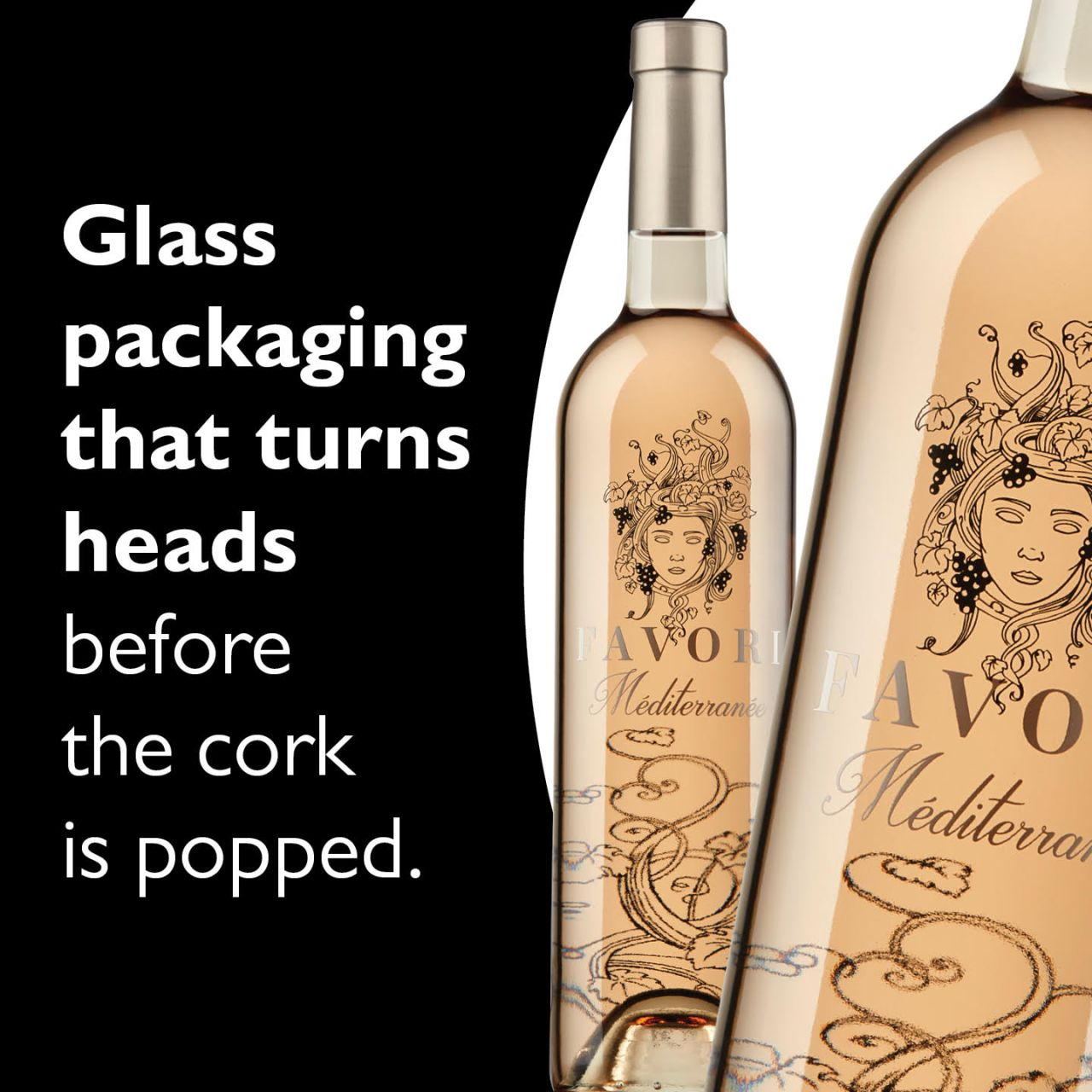 Designed to be savored long before the first sip.
Favori Méditerranée’s glass packaging is clean, contemporary, and yes…tableworthy.
The crystal-clear flint glass showcases the wine’s natural color while a clever double-sided label design creates a 360-degree brand moment.
This is how premium wine packaging can stand out on the shelf and during your next dinner party.
See how glass elevates every detail in our Design Book: https://www.o-i.com/glass-packaging-innovation/o-i-design-book-brand-building-glass-packaging-design/
July 23, 2025
O-I Hits New Glass Recycling Milestones in U.S.What a difference a few years can make! In 2020, O-I launched our first community glass recycling program in Perrysburg, Ohio, home to our Global Headquarters. Since then, our efforts have expanded and we now operate more than 20 glass recycling programs throughout the United States. These initiatives have sparked the enthusiasm and passion of communities and residents for glass recycling, leading to rapid growth in many of our programs.
This growth couldn’t be more timely, as O-I recently announced a bold new target: achieving an average of 60% recycled content in our packaging globally by 2030. Our community programs are a crucial part of our strategy to reach this ambitious goal.
These creative and effective community recycling ecosystems not only increase the availability of recycled glass (cullet) for manufacturing but also keep glass out of the landfills. With the support of our dedicated partners across the value chain, we are transforming the landscape of glass recycling in the U.S, one glass bottle at a time.
Recycling Glass Bottles for Good
Glass4Good™ is one of O-I’s most unique and successful glass recycling initiatives. By incentivizing glass recycling through quarterly donations to local charitable organizations based on the weight of recycled glass, we maximize the positive impact of each glass bottle.
The initiative allows O-I to give back to the communities where our employees live and work, while fostering our commitment to keeping glass out of the landfills. Residents can make a meaningful difference not only for the environment, but also in their communities simply by recycling glass.
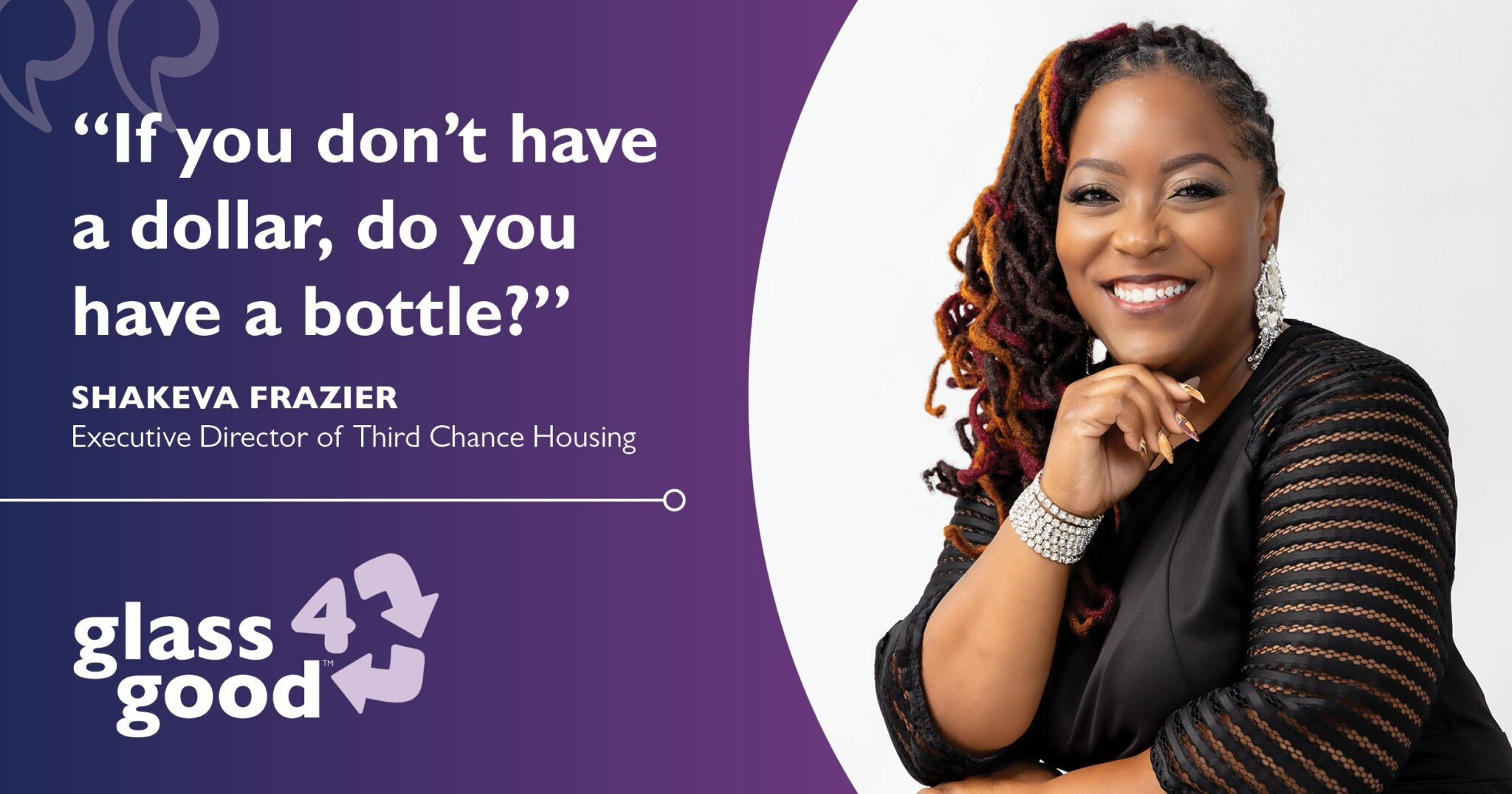
In Danville, Virginia, for example, Glass4Good™ supports Third Chance Housing. Executive Director Shakeva Frazier summed it up perfectly when she asked, “If you don’t have a dollar, do you have a bottle?” That spirit—making small, everyday actions meaningful—is at the heart of Glass4Good™.
Currently, O-I has five active Glass4Good™ programs, each supporting one of our plant communities. Through this initiative, we’ve seen remarkable growth in glass collections, with a 47% increase in the first quarter of 2025 compared to the same period last year. We achieved this growth by focusing on what works: education, outreach, and employee leadership.
With the help of our dedicated community partners, O-I has expanded recycling education to help more people understand the importance of glass recycling. We’ve created more opportunities for communities and residents to participate, and O-I employees stepped up to lead local initiatives and events that bring our mission to life.
Glass4Good™ has flourished because our people and our partners share our enthusiasm for glass recycling and social impact. Together, we can make a meaningful difference. To date, Glass4Good™ has recycled over 1,500 metric tons of glass, saving more than 1,740 tons of raw materials.
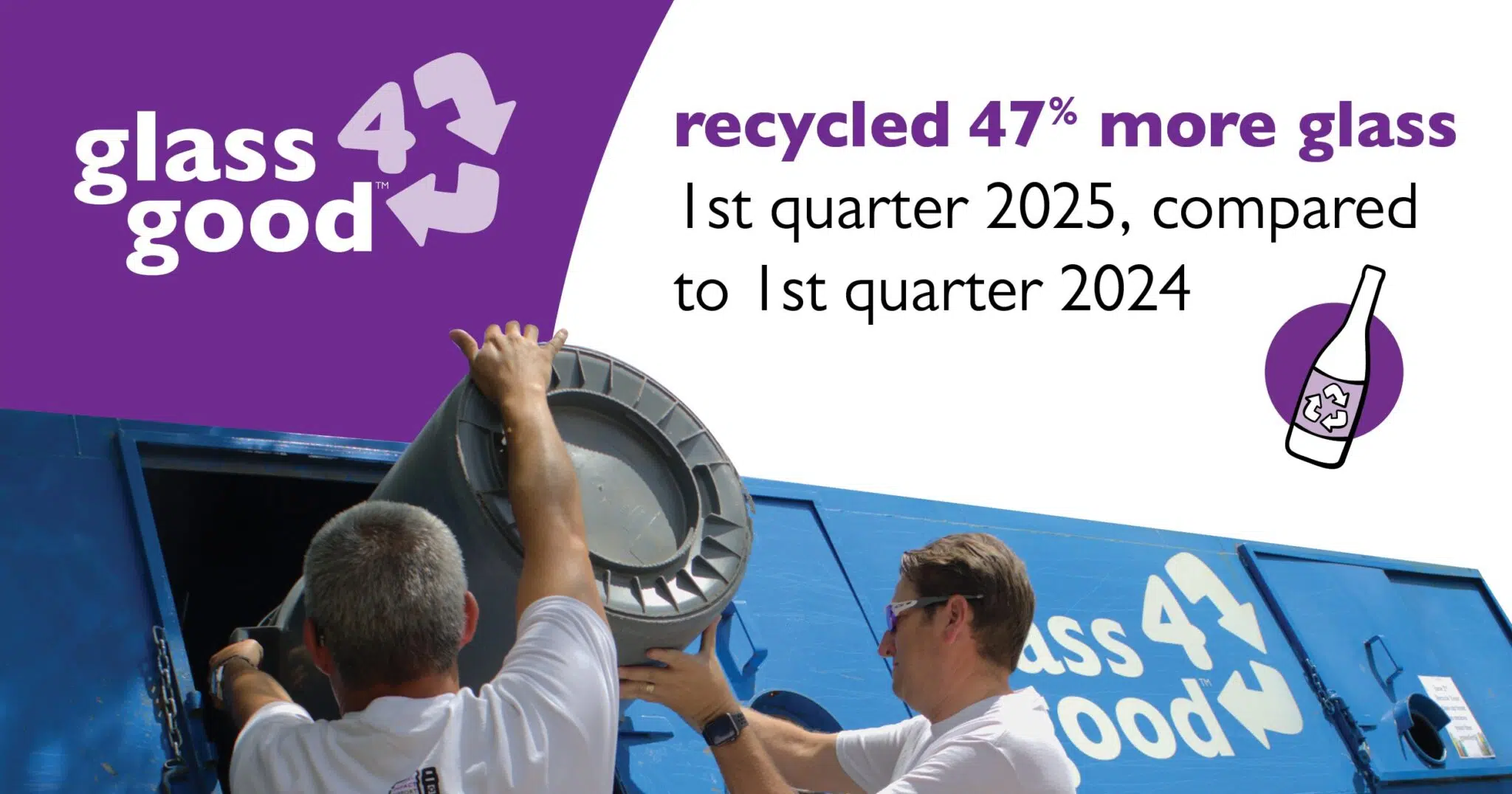 Glass4Good has seen a remarkable growth in glass collections, with a 47% increase in the first quarter of 2025 compared to the same period last year. (O-I Glass)
Building Local Glass Recycling Programs
We’ve learned that the most successful recycling programs are built locally. Each community has unique infrastructure, needs, and opportunities—and we tailor our approach accordingly.
Across the US, we’ve identified key areas and developed glass recycling “clusters.” These clusters are made up of groups of communities strategically located near glass processors and O-I facilities, ensuring the long-term sustainability of our programs.
These initiatives are made possible by O-I’s robust network of partners. We’ve collaborated with communities, customers, non-profits, and other entities to develop effective glass recycling solutions.
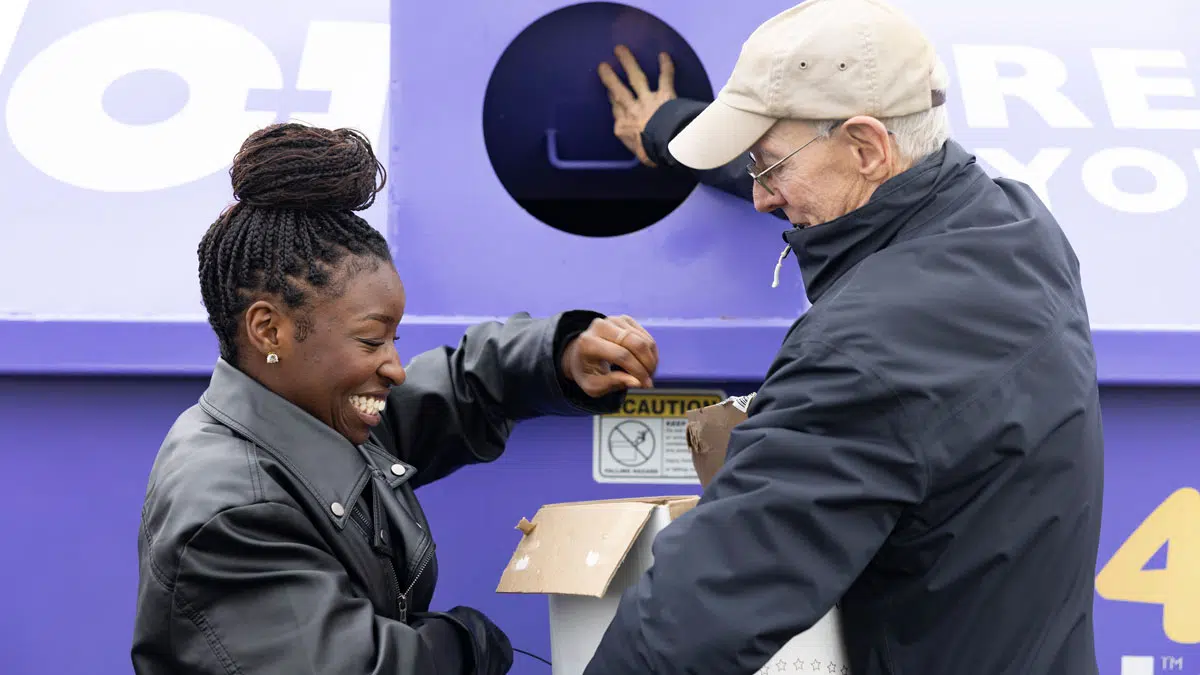 Carlyle Coppins with WNKY and Tom Flynn, United Way of Southern Kentucky Board member, recycle glass bottles at the Glass4Good launch in November. (Source: United Way of Southern Kentucky)
With their help, O-I currently supports 21 community recycling programs in the U.S., with four dozen glass collection sites in operation. In 2025 alone, our programs have recycled more than 400 metric tons of glass, equivalent to removing 30 passenger vehicles from the road in terms of greenhouse gas emissions. This material is transformed into new glass packaging at our manufacturing facilities and returns to the shelves as new glass bottles, sometimes in as little as 30 days.
O-I’s Aggressive Sustainability Goals
O-I is committed to achieving an average of 60% recycled content in our packaging by the end of this decade. Each of our community recycling programs brings us closer to reaching this ambitious goal. When O-I uses more recycled glass, we:
- Reduce energy consumption
- Extract and transport fewer raw materials
- Lower greenhouse gas emissions
- Keep glass waste out of landfills
Our updated goals will also positively impact our customers. By aligning our ambitions with those of our customers, we demonstrate our commitment to supporting their sustainability objectives. This is sustainability in action.
Every bottle counts, every partnership matters, and every action brings us closer to building a truly circular glass economy. And it all starts with one bottle.
June 25, 2025
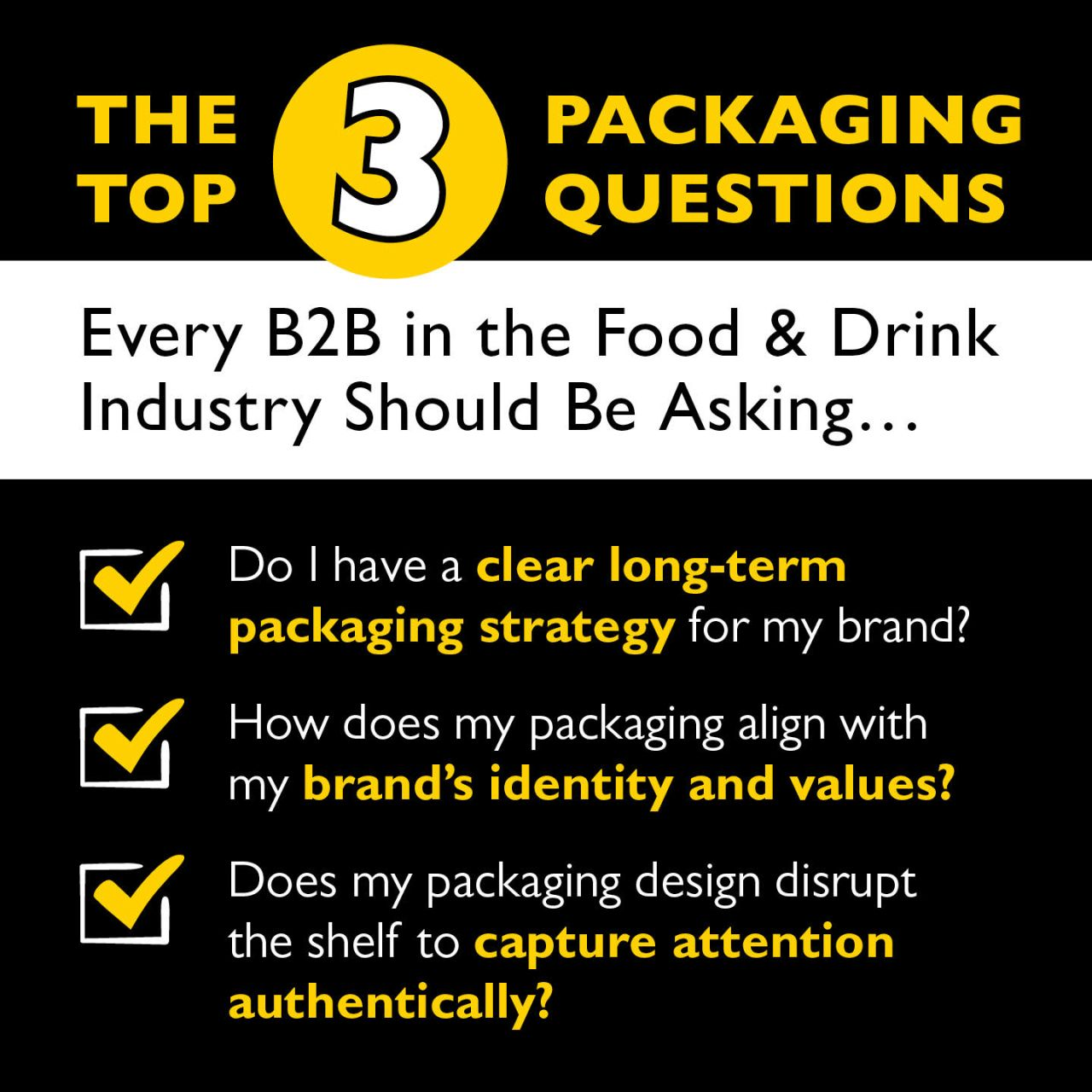
Top 3 Packaging QuestionsAre you a B2B in the food and drink industry and asking these important questions?
Unleash your brand's potential through the transformative power of glass. O-I can show you how. O-I can show you how.
May 21, 2025
A Guide to Winning at the Shelf Your packaging isn’t just design for design’s sake; you’re telling your brand story.
When done right, packaging speaks to emotions, bypassing logic to connect with buyers on a deeper level. When consumers feel good about a product, they’re more likely to embrace its value.
What emotions does your packaging evoke?
Read more about how you can make emotional connections with consumers through packaging: https://www.o-i.com/whitepaper-winning-at-the-shelf-intro/
January 17, 2025
O-I Setting the Standard for Excellence in Wine Bottling Step into Booth #716 and discover the innovation behind O-I’s 100+ years of expertise in the wine bottle packaging industry. Our commitment is evident in our new lightweight 400-gram bottle options, designed to meet industry challenges head-on. The premium presence of glass ensures your brand stands out with unmatched quality and elegance. Engage with our team, explore our diverse offerings, and learn how O-I continues to set the standard for excellence in wine bottling. Don’t miss this opportunity to experience firsthand the craftsmanship and passion that define O-I.
O-I Glass (O-I)
Unified Symposium Booth: 716
O-I is the leading glass packaging manufacturer for local and global food and beverage brands. We believe glass packaging helps brands stand out, creates connections with consumers, doesn’t interfere with the contents and is 100% recyclable. O-I not only offers a variety of wine bottle selections, but we also have dedicated research and design teams ready to work with you to create a unique package that aligns with your brand’s story. We offer full package solutions from creation to execution and production to promotion. Our teams are ready to help you choose glass for your next brand package so consumers can experience your expertly crafted beverages. Contact us today to learn more.
September 5, 2024
Your winery could be more sustainable if you did these two thingsDon't let weight hold you down.
O-I's selection of lighter weight glass bottles for wine continues to grow, adding to its already impressive array of packaging designs across the company's portfolio. Everyone knows glass is the perfect packaging solution to maintain the high quality and taste of your wine, but you don't have to settle for just an average bottle design. Glass alone is all-natural and completely sustainable, but lighter weight glass packaging takes it even further.
View O-I's e-catalog to see the complete wine glass packaging portfolio.

Use, Recycle and Repeat
Did you know that using more recycled glass in production reduces the carbon footprint? Glass supports a circular economy by being infinitely and 100% recyclable, making it the friendliest, most sustainable packaging option available.
O-I's target for recycled glass in our products (50% by 2030) just proves that we take recycling and its impact on a circular economy seriously. Because for every 10% of recycled glass used, carbon emissions are reduced by 5%.
Recycling glass only adds to the positive eco-friendly efforts brands can make. Choosing glass is just the first step. The second is choosing to recycle.
Learn more about the impacts of recycled glass at o-i.com.

August 15, 2024
The Best Kind of Waste is Zero WasteSustainability is more than a buzzword, and we are constantly striving to eliminate waste from our processes and products. O-I continues to progress in our ZERO WASTE efforts.
Learn more in our 2024 Sustainability Report: https://ow.ly/GjGQ50SI5sH
We invite you to join us in support of a sustainable future that creates value for all through glass packaging. 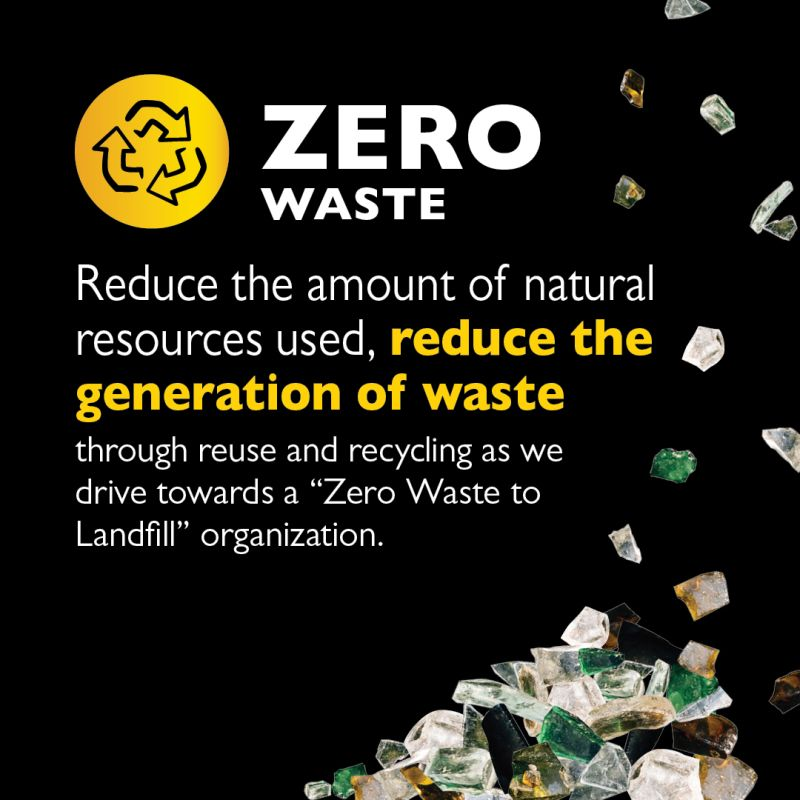
July 10, 2024
From Backyard to Bottle: How Wineries Are Stepping Up SustainablyConsumers are growing increasingly conscious of environmental impacts affecting our planet, and they are looking to brands to take steps to address them. Wineries are doing their part to answer the challenge with regenerative farming, precision agriculture technology, and green energy — which includes the implementation of sustainable packaging.
From bottle design to sourcing, many wineries have already implemented changes to their packaging to enhance their sustainability efforts. The use of glass itself offers a positive environmental impact because it is 100% recyclable and can continue to be recycled repeatedly without a loss in quality. A move to a locally sourced supplier who leverages recycled glass in new bottle production is making an even bigger impact.

“One way we’re transforming glass manufacturing is by trying to increase our recycled content to 50%. It's important to understand that glass packaging has only four simple ingredients: limestone, soda ash, silica sand and recycled glass, which we call cullet. Cullet melts at a lower temperature, so when we increase the level of cullet that goes into our batch, the furnaces require less energy, and this results in fewer emissions. You can see why keeping glass in the manufacturing stream and out of the landfill is so important,” said Randy Burns, Chief Sustainability & Corporate Affairs Officer at O-I Glass.
Purchasing glass from a local supplier reduces the miles that glass has to be transported, which lowers carbon emissions. O-I’s West Coast footprint, with plants in Kalama (Washington), Portland (Oregon), and Tracy and Los Angeles (California) is perfectly suited to service the local West Coast wine producers.

The combination of local and recycled glass is a powerful example of how the circular economy works by reducing raw material usage and recapturing waste to manufacture new materials and products. To enhance the circular economy, O-I Glass partnered in a joint venture called Glass to Glass to establish a recycling cullet processing facility in Oregon.

“We call that circularity ‘From Backyard to Bottle,’ said Jon French, Commercial Director of Wine at O-I Glass. “We have four strategically located glass plants on the West Coast to accommodate local production of glass that has a high-cullet content. Wineries from Seattle to Los Angeles are direct beneficiaries of local glass deliveries that will assist them in reducing their carbon footprint.”
The issue that is making the move to higher recycled content more difficult for some glass manufacturers is simple — it’s accessibility. “Recycling is a complex topic, and the picture varies dramatically. Some communities have strong existing support, but others do not,” notes Randy Burns.
That strong existing support is evident in Oregon. As O-I Glass Sales Manager Martha Halper points out, the Glass to Glass initiative makes it an extremely well-supported market. “Glass to Glass receives all the glass recycled in the state of Oregon. Since Oregon is the most successful state in the country for recycling, it is a substantial amount. The recycling facility is within 15 minutes of our Portland plant and about 45 minutes from our Kalama plant, both producing wine bottles for the local market. This proximity allows both of our plants to use very high rates of cullet to produce glass. If we can’t use it all for nearby Oregon and Washington wineries, it goes to our California plants in Tracy and Los Angeles.”
As O-I has demonstrated, the importance of continuing to keep glass in the manufacturing stream will only grow. The recently released 2024 Sustainability Report proves O-I's dedication for a brighter future in preserving our planet, communities and people — one bottle at a time.
July 3, 2024
Join Us on the Journey of Sustainability: O-I's 2024 Report is Here!Sustainability is a journey, and through it all, the path is paved by innovation. O-I is one of the leaders in food and beverage glass packaging, and no one understands scalable glass packaging innovation like we do.
✅ Glass melting efficiencies
✅ Value chain improvements for positive impact
✅ Innovative tech exploration into alternative fuels
And we're just getting started. Watch a message from our Chief Sustainability and Corporate Affairs Officer, Randy Burns, as he talks about why making the glass manufacturing process more sustainable matters to us.
Download our updated 2024 Sustainability Report on our website at https://ow.ly/J7SW50Srlwj to see how we’re progressing on our journey.
We are confident that glass is the ideal sustainable packaging material. So join us on our sustainability journey by choosing a packaging that's not only good for your carefully-crafted wine, but good for the planet as well.
#sustainabilityreport #innovation #glasspackaging #circulareconomy #chooseglass
June 14, 2024
Brand-Building Glass Packaging: Wine Customer Awarded for Impactful DesignCongratulations to our French wine customer, Vignerons des Terres Secrètes, for winning the "Best Design & Packaging" award in the wine category this year by The Drinks Business, a world-leading beverage trade publication, for their limited-edition Saint-Véran Révélis cuvée.
Vignerons des Terres Secrètes wanted a bottle worthy of the dedicated work in their vineyard and cellar. They found their solution with O-I's Design Services, specifically O-I EXPRESSIONS SIGNATURE. This allowed Vignerons des Terres Secrètes to best express the unique character of this wine with the power of impactful packaging design.
Learn more about the benefits of packaging design at https://www.o-i.com/innovation/glass-bottle-design/.

May 22, 2024
Does Taste Matter? Then Glass WinsNo matter who you are or what type of wine you produce, wine deserves to be in packaging that won’t impact the taste. Pass on those hints of floral, oak and fruit flavors to consumers as you intended.
Take pride in your carefully crafted wines, and choose the friendliest packaging on earth, locally supplied to reduce greenhouse gas emissions even further. Need we say more?
Click here to see why glass is the most sustainable product to package in and why glass wins when taste matters.