


March 1, 2026
A New Generation of Ultra Premium Natural Cork!
The French Evolution. Fleurs de Lafitte. A New Generation of Ultra Premium Cork.
March 1, 2026
Elevating Cork Quality: How Lafitte’s Vocus Analyzer Sets a New StandardLafitte's Vocus Cork Analyzer ensures every stopper meets the highest sensory standards. This high-throughput system analyzes over 30,000 corks per day, detecting trace-level TCA below sensory thresholds in just 2 seconds per stopper.
With customizable sorting, each cork is classified based on defined TCA concentration levels, guaranteeing only the finest stoppers move forward. This cutting-edge technology surpasses traditional testing methods in sensitivity, accuracy, and efficiency.
Get in touch with us to discover how your winery can make the most of our technology.

October 22, 2025
3 Reasons Why Natural Cork Stoppers Are Worth the Investment
Natural cork stoppers are often viewed as a pricier alternative to other closures - such as aluminum or plastic stoppers - and even other cork closures, like microagglomerate and colmated cork stoppers.
However, the fact that it represents a bigger investment doesn’t mean choosing natural cork stoppers doesn’t pay off. There are plenty of reasons to pick natural cork stoppers in detriment to synthetic alternatives. Let’s look at some of them.
Natural cork is associated with high-quality wine
A study conducted in Italy confirmed that wine drinkers experience a higher cognitive and emotional response to smelling, tasting, and even listening to a wine sealed with a cork stopper than they do with a wine sealed with a screw cap.
In fact, on a global level, cork is associated with high-quality wine, which makes it the preferred sealant for many consumers all around the world. This becomes especially interesting when you consider that consumers in high-income countries increasingly prefer superior-quality wines. 
The data speaks for itself:
- 85% of Italian wine appreciators consider natural cork the best closure to ensure the qualities of the wine.
- 93% of U.S. consumers associate natural cork closures with high quality wine.
- 84% of Chinese consumers prefer to buy wines sealed with a natural cork closure
- 84% of French consumers agree that natural cork is synonymous with quality
- 80% of Brazilian consumers believe that noble wines should be sealed with cork stoppers and are willing to pay more for a bottle of wine sealed with a natural cork closure
- 86% of Spanish consumers agree that natural cork closures preserve the quality of the wine more effectively than alternative closures
Consumers are willing to pay more for cork-sealed wines
According to the same Italian study previously mentioned, sealing a wine with a natural cork stopper also increases the perceived value of the wine.
Participants of the inquiry estimated that the cost of the wine sealed with natural cork was €7.69 - a 16% climb from the wine sealed with a screw cap. They were also willing to pay €7.78 per bottle, €1.21 more than for the wine with a screw cap.
A study conducted in Brazil revealed that consumers are willing to pay up to 5 euros more for a wine closed with a natural cork stopper.
Natural cork is the most sustainable packaging option
Finally, consumer demand for sustainable packaging has been on the rise. Consumers are 57% less likely to buy a product when they consider the packaging harmful to the environment, with 44% of consumers declaring that they "won't buy" products in packaging that is harmful to the environment.
Indeed, the value placed on environmentally friendly production is increasing across business segments, especially for new consumers - and natural cork beats the competition in that aspect as well.
Cork oak trees are natural retainers of CO2, and the harvesting of cork actually contributes to this: a stripped cork oak absorbs, on average, five times more CO2 during its regeneration than a regular cork oak. Furthermore, these trees prevent soil degradation, regulate the hydrological cycle, combat desertification, and contribute to biodiversity. Cork is a natural material that is renewable, recyclable, and biodegradable.
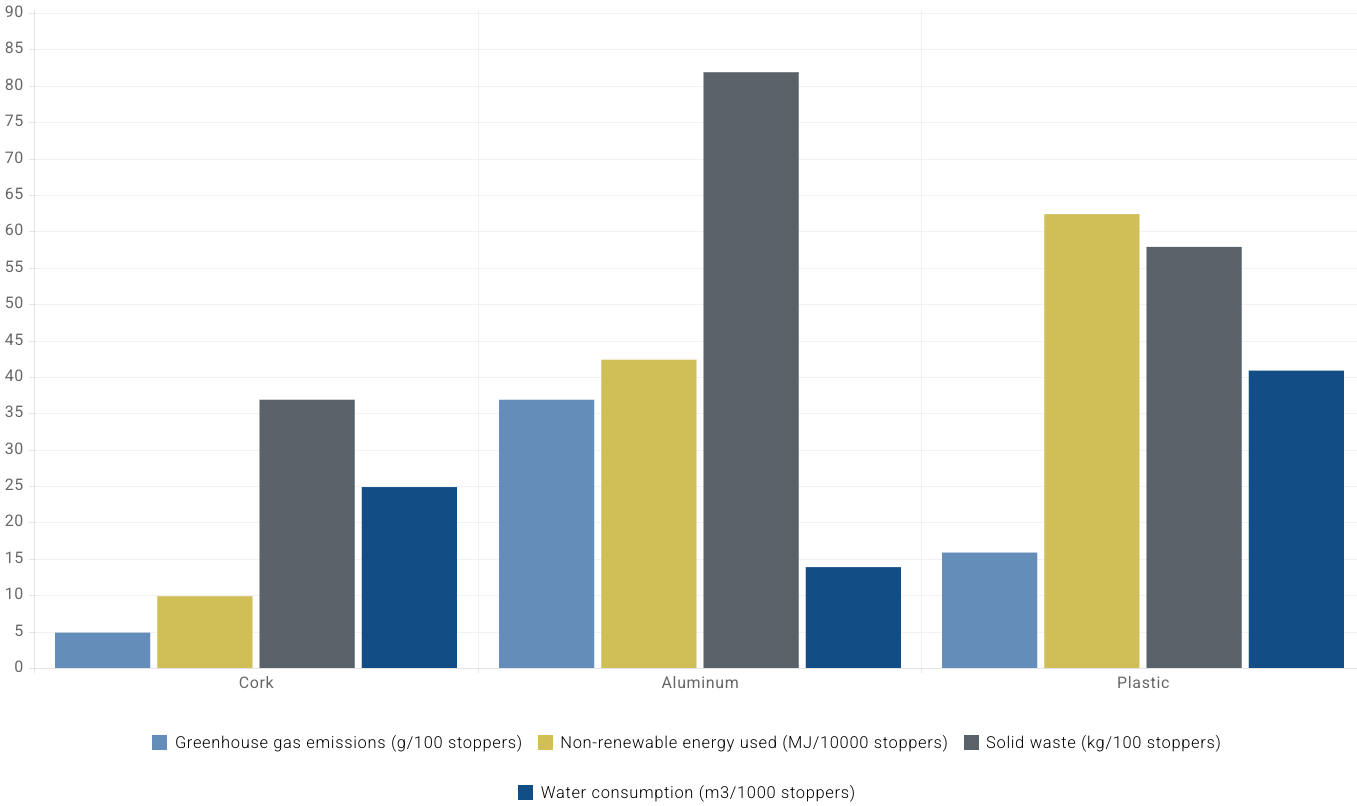
In comparison to aluminum and plastic stoppers, the production of cork stoppers uses 75% less non-renewable energy, produces 25 times fewer greenhouse gases and half the solid waste.
In conclusion
While natural cork stoppers - especially those of a higher cosmetic grade - represent a more significant investment than their more processed counterparts, the ROI (return on investment) is worth the plunge. Not only is this true because of the price consumers are willing to pay, but also because of the effect it has on the product’s perceived quality.
July 30, 2025
Cork, Plastic or Aluminum? Which Material Makes the Best Wine Stopper?
Choosing the right closure for wine bottles is a crucial decision for winemakers, as it directly impacts the quality, aging potential, and environmental footprint of the wine. In recent years, alternative closure materials, such as aluminum and plastic, have emerged alongside traditional cork stoppers. In this article, we will compare cork, aluminum, and plastic as materials for wine closures, examining their sealing ability, production resource use, environmental impact, and other relevant aspects. By understanding the characteristics of each material, we can make informed decisions that balance tradition, innovation, and sustainability in the wine industry.
Sealing Ability
Cork
Cork production is a sustainable process that relies on the careful harvesting of cork oak bark, a process that supports the health and longevity of cork oak forests, which act as valuable ecosystems.
Harvesting cork does not require cutting down trees, as the bark regenerates naturally. Furthermore, cork production has a relatively low energy consumption and carbon footprint, making it an environmentally friendly option.
Aluminum
Aluminum production requires significant amounts of energy and raw materials. The extraction of bauxite, the primary source of aluminum, involves extensive mining processes that can have detrimental environmental impacts.
Moreover, the energy-intensive smelting process contributes to greenhouse gas emissions. While aluminum is recyclable, the production phase is resource-intensive compared to cork.
Plastic
The production of plastic closures, particularly those made from petroleum-based materials, relies heavily on fossil fuel extraction and refining. This process contributes to carbon emissions and environmental pollution.
Additionally, plastic closures are not biodegradable and can persist in the environment for hundreds of years. However, some plastic closures are made from recycled materials or bio-based plastics, which can reduce their environmental impact to some extent.
Environmental Impact
Cork
Cork stoppers have a positive environmental impact due to their sustainable production and ability to preserve cork oak forests. These forests play a crucial role in combating desertification, supporting biodiversity, and providing livelihoods for local communities. Choosing cork closures encourages the preservation of these valuable ecosystems and contributes to the sustainability of the wine industry.
Aluminum
Aluminum closures have a higher environmental impact compared to cork due to their energy-intensive production process and reliance on non-renewable resources. While aluminum is recyclable, the recycling process also requires significant energy inputs. Additionally, the extraction of bauxite can result in habitat destruction, soil erosion, and water pollution.
Plastic
Plastic closures, especially those made from petroleum-based materials, have a detrimental environmental impact. The production and disposal of plastic closures contribute to pollution, resource depletion, and marine plastic waste. However, some plastic closures made from recycled or bio-based materials can offer a reduced environmental impact compared to traditional plastics.
Other Relevant Aspects
Cork
Cork stoppers hold cultural significance and tradition within the wine industry. The ritual of uncorking a bottle sealed with cork carries a sense of elegance, history, and connection to winemaking heritage. Additionally, the natural texture of cork provides a tactile experience and enhances the overall wine-drinking ritual.
Aluminum
Aluminum closures, particularly screw caps, are favored for their convenience and ease of use. They eliminate the need for corkscrews and ensure consistent and reliable sealing, allowing for easy resealing after partial consumption. The ability to reseal bottles with aluminum closures helps preserve wine freshness and reduces the risk of spoilage.
Plastic
Plastic closures offer consistency and ease of use, similar to aluminum closures. Synthetic corks are popular for their compatibility with traditional corking machinery and lower risk of cork taint. They also provide an alternative for consumers who prefer a closure that is easier to remove than traditional corks.
In Conclusion
Choosing the right closure material for wine bottles involves weighing various factors, including sealing ability, production resource use, environmental impact, and cultural significance. While cork, aluminum, and plastic each have their merits and drawbacks, cork stoppers stand out as the most sustainable option, combining excellent sealing ability, renewable resource use, and a positive environmental impact. However, alternative closures like aluminum and plastic can offer convenience and consistency, depending on specific requirements.
Ultimately, the choice of closure material should align with the winemaker's philosophy, the wine's characteristics, and the desired balance between tradition, innovation, and sustainability. By making informed decisions, the wine industry can continue to evolve while minimizing its environmental footprint and preserving the timeless art of winemaking.
March 21, 2025
Preserving the Montado: A Commitment to Biodiversity and CulturePreserving the Montado: A Commitment to Biodiversity and Culture
 On this International Day of Forests, we celebrate the Montado, one of the world's most precious and biodiverse ecosystems. This unique landscape, found in southern Portugal and other Mediterranean regions, showcases a harmonious blend of nature and human ingenuity.
The Montado is an agro-silvo-pastoral system that has thrived for centuries. Protected by some of the world’s oldest laws—dating back to the 7th century and refined in the early 13th century—its cork oaks and holm oaks are cherished cultural and natural treasures. These trees not only support local livelihoods but also provide critical environmental benefits.
Beyond its rich cultural significance, the Montado plays a vital role in carbon sequestration, water regulation, and biodiversity conservation. Its tree cover helps absorb COâ‚‚ from the atmosphere, mitigating climate change, while its unique ecosystem maintains soil health, prevents desertification, and supports a wide range of plant and animal species, including endangered wildlife like the Iberian lynx and imperial eagle.
At the heart of the Montado is the cork oak, a tree that regenerates its bark every 9 to 12 years. This natural cycle makes cork harvesting a renewable, sustainable practice, ensuring the landscape remains intact for future generations. Choosing cork supports this delicate balance, maintaining the health of the ecosystem while providing economic stability to local communities.
December 18, 2024
The Benefits of Choosing Cork Stoppers to Seal Wine
When it comes to sealing wine bottles, one material has stood the test of time and emerged as the preferred choice of winemakers and enthusiasts alike – cork. Derived from the bark of cork oak trees, cork stoppers have been used for centuries, and their natural properties make them the perfect choice for preserving and aging wine.
Preserving Wine Quality
Cork stoppers are celebrated for their ability to preserve the quality and integrity of wine over time. Their unique structure provides a near-impermeable barrier to oxygen, preventing excessive oxidation and allowing wine to mature gracefully. Unlike synthetic alternatives, such as screw caps or plastic stoppers, cork allows a controlled amount of oxygen to interact with the wine, enabling it to evolve and develop complex flavors and aromas.
Furthermore, cork's elasticity allows it to form a tight seal within the neck of the bottle, protecting the wine from external influences such as light and temperature fluctuations. This seal acts as a shield, safeguarding the wine's delicate balance and ensuring its true expression when uncorked. By maintaining a proper seal, cork stoppers contribute to the longevity of wine, allowing it to age harmoniously and unlock its full potential.
Environmental Sustainability
Cork stoppers offer a significant advantage over alternative closures in terms of environmental sustainability. The production of cork is a natural and renewable process that promotes the preservation of cork oak forests. These forests, primarily found in Portugal, Spain, and other Mediterranean countries, serve as vital ecosystems, supporting biodiversity and acting as a natural barrier against desertification.
Harvesting cork does not require cutting down trees; instead, the bark is carefully stripped every nine to twelve years. This process, known as "debarking," stimulates the tree's growth and extends its lifespan, as cork oak trees can live for over two centuries. By choosing cork stoppers, wine producers contribute to the preservation of these forests, ensuring their continued environmental and economic benefits.
Tradition and Cultural Significance
Cork stoppers hold deep-rooted traditions and cultural significance within the wine industry. Throughout history, cork has been associated with the art of winemaking, representing craftsmanship, heritage, and elegance. Uncorking a bottle sealed with a cork stopper is a ritual in itself, creating an anticipation and connection between the wine, the winemaker, and the consumer.
The distinctive "pop" sound, the gentle release of the cork, and the subsequent pouring of the wine into a glass – these moments create an experience that embodies the essence of wine culture. By choosing cork stoppers, wine enthusiasts honor the traditions and rituals that have been passed down through generations, preserving a timeless connection to the world of wine.
Tactile and Sensory Experience
Beyond tradition and environmental considerations, cork stoppers offer a unique tactile and sensory experience for wine lovers. The natural, porous texture of cork provides an excellent grip, allowing for easy and controlled removal from the bottle. This tactile aspect enhances the overall enjoyment of the wine-drinking experience, adding a satisfying element to the ritual of uncorking.
Additionally, the interaction between the cork and the wine contributes to the development of tertiary aromas, adding complexity and depth to the wine as it ages. By choosing cork stoppers, wine enthusiasts can indulge in the sensory journey that accompanies the evolution of wine, engaging multiple senses and enhancing the overall pleasure of consumption.
Lastly, the resounding ‘pop’ heard when a bottle of wine is opened is considered by many wine lovers to be one of the most enjoyable aspects of the drinking experience - and one that can only be produced by a cork stopper.
Cork stoppers are more than mere closures for wine bottles
They embody centuries of tradition, environmental stewardship, and an unwavering commitment to preserving wine quality. From their role in maintaining the integrity and aging potential of wine to their positive environmental impact, cork stoppers offer a host of benefits that are unparalleled by alternative closures.
When selecting cork stoppers, winemakers and enthusiasts not only ensure the preservation of the wine but also contribute to the preservation of cork oak forests and the sustainability of our planet. Moreover, cork stoppers foster a deeper connection to wine culture, adding an element of elegance and tradition to the wine-drinking experience.
In a world where innovation and modernity often reign supreme, cork stoppers remind us of the beauty and significance of nature's perfect seal. So, the next time you uncork a bottle of wine, savor the moment, appreciate the humble cork stopper, and raise your glass to a timeless tradition that continues to shape the world of wine.
https://www.lafittecork.com/us/news/the-benefits-of-using-cork-stoppers-to-seal-wine
November 18, 2024
Cork, Plastic or Aluminum? Which Material Makes the Best Wine Stopper?Choosing the right closure for wine bottles is a crucial decision for winemakers, as it directly impacts the quality, aging potential, and environmental footprint of the wine. In recent years, alternative closure materials, such as aluminum and plastic, have emerged alongside traditional cork stoppers. In this article, we will compare cork, aluminum, and plastic as materials for wine closures, examining their sealing ability, production resource use, environmental impact, and other relevant aspects. By understanding the characteristics of each material, we can make informed decisions that balance tradition, innovation, and sustainability in the wine industry.
Cork
Cork stoppers are known for their exceptional sealing ability, ensuring a reliable closure for wine bottles. Cork's elasticity allows it to conform to the bottle's neck, forming a tight seal that prevents oxygen from entering the bottle while enabling controlled oxygen exchange for wine aging. This characteristic is crucial for preserving wine quality and promoting the development of complex flavors and aromas over time.
Aluminum
Aluminum closures, commonly used in the form of screw caps, provide an effective seal against oxygen. These closures offer a reliable barrier and eliminate the risk of cork taint, a fault caused by a chemical compound called TCA. However, aluminum closures may not allow the same level of controlled oxygen exchange as cork, which can limit the wine's aging potential.
Plastic
Plastic closures, including synthetic corks and plastic screw caps, offer a consistent and tight seal. While they effectively prevent oxygen ingress and eliminate the risk of cork taint, their impermeability to oxygen can hinder the wine's development during aging, potentially limiting its complexity and character.
October 14, 2024
Rigorous Testing: Ensuring Quality in Wine Cork ClosuresAt Lafitte Cork, we understand that exceptional wine deserves exceptional closures, and that's why our commitment to quality control is second to none. Our rigorous testing process begins long before the corks reach your bottle. Every single cork undergoes a series of stringent evaluations in our state-of-the-art, in-house laboratory to ensure it meets the highest standards.
One of the critical tests we perform is capillarity testing, which examines how well our corks prevent liquid penetration. This is crucial for maintaining the wine’s integrity, as it ensures that the cork remains a reliable barrier against external contaminants while allowing the wine to age gracefully.
By choosing Lafitte Cork, you are not just selecting a closure; you are choosing a commitment to excellence, backed by decades of experience and a relentless pursuit of perfection.
Learn more about our quality commitment: https://lnkd.in/d_Bi7dCp

July 10, 2024
Lafitte Cork Presents: The New NP Plus Natural Cork Stopper!We're excited to introduce the NP Plus Natural Cork Stopper, a groundbreaking advancement that harmonizes nature and innovation. Our latest stopper offers unparalleled benefits:
- Improved Protection: Superior resistance for exceptional bottle protection.
- Enhanced Homogeneity: Consistent performance with remarkable uniformity.
- Aesthetic Appeal: Visually pleasing with a refined NP Plus finish.
- Increased Impermeability: Perfectly seals each bottle with enhanced impermeability.
At Lafitte Cork, we blend tradition with cutting-edge technology to deliver the highest-quality cork products. Experience the Lafitte Cork difference with NP Plus today!

January 17, 2024
25% OFF Dipping Wax from Lafitte
Save on Dipping Wax from Lafitte!

Lafitte Cork & Capsule is proud to offer our popular dipping wax at 25% off during the 2024 Trade Show Season until April 30th.
Available in soft and firm textures with a wide range of stock colors to choose from.
Lafitte can also create custom colors across the entire spectrum.
“Hundreds of customers are already using this product throughout Europe and the feedback has been amazing!”
Take advantage of this limited offer, and contact Lafitte today!
800-343-CORK or email: sales@lafitte-usa.com

August 7, 2023
Team Lafitte is Headed for Las Vegas!Stop by our booth to discuss bar top closures, stock or custom capsules and dipping wax. See you all in Sin City!

July 5, 2023
Introducing Dipping Wax from Lafitte
Lafitte Cork Capsule just announced this month the immediate availability of a new line of dipping wax. The product is available in firm and soft textures and a wide range of stock colors. Lafitte can also create custom colors across the entire spectrum.
“This is a natural evolution for a company as diverse as Lafitte Group,” said Claire Renneville, Manager of the Capsule Division at Lafitte Cork & Capsule. “For generations we have specialized in high quality closures and capsules but today we check another box for our customers in North America by adding a complete range of colors in soft and firm dipping wax.”
Positive Customer Impact
Hundreds of customers are already using this product around Europe and the feedback
has been nothing short of amazing.
“As a French owned American based company, we purposely launched this product in the month of July to celebrate American Independence and Bastille days.” said Rob Stasko, Vice President of Sales for Lafitte Cork & Capsule.
Celebrate American Independence & Bastille Days
with this special offer on dipping wax!

October 25, 2022
MaxClean Evolution: Advanced Cork Sterilization from LafitteYou can’t solve a problem on the same level that it was created. You have to rise above it to the next level. -Albert Einstein
With the introduction of MaxClean EvolutionTM, Lafitte Cork Portugal has done just that. Natural cork closures from Lafitte undergo four levels of cork sterilization culminating with MaxClean EvolutionTM. The results are truly next level!
Click here to discover more innovations from Lafitte Group.

March 1, 2021
UntitledMarch 1, 2021
UntitledMarch 1, 2021
UntitledFebruary 5, 2021
Introducing Artis by Lafitte
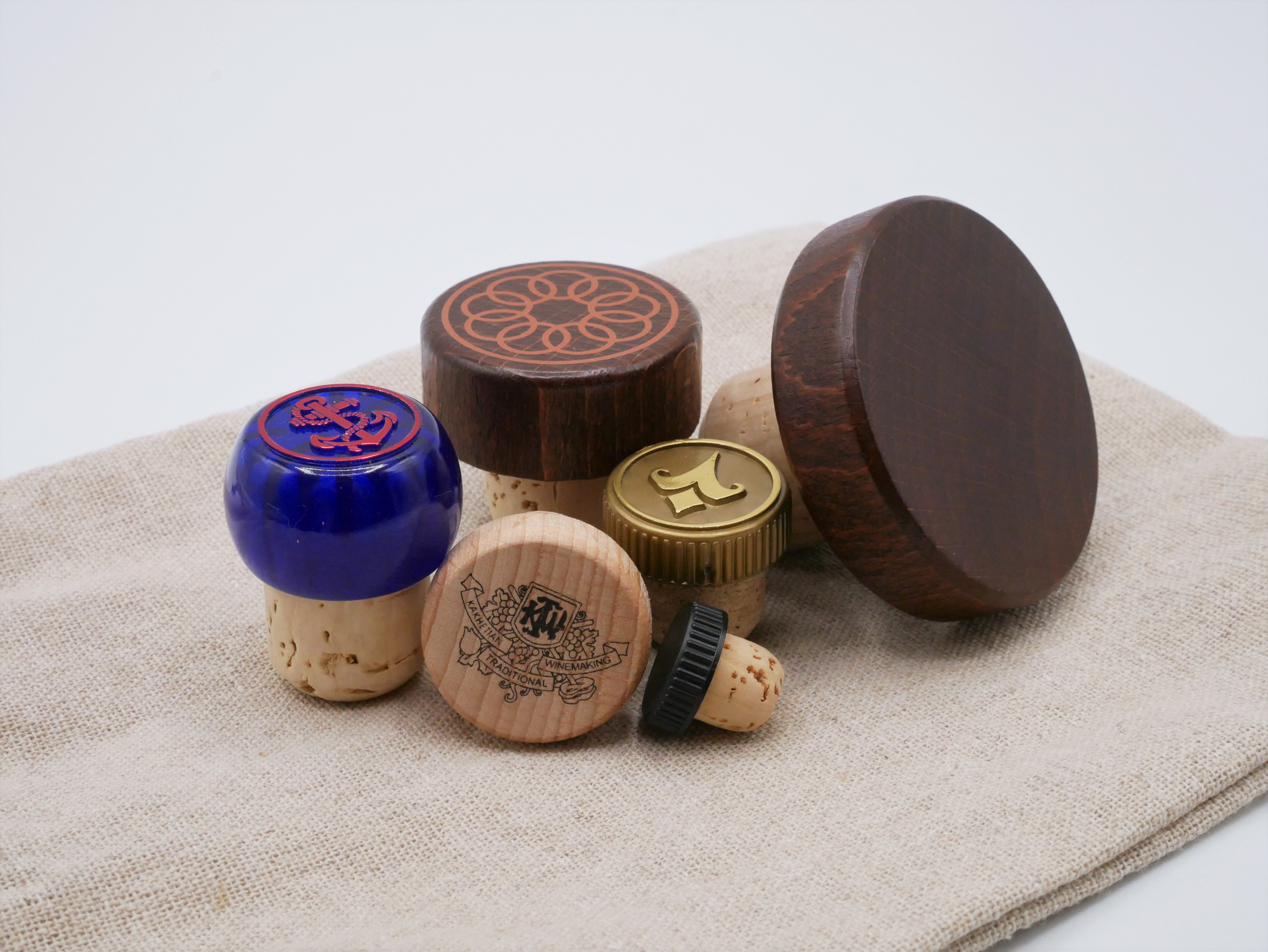
With the introduction of Artis by Lafitte, the Lafitte Group is setting new standards for premium, high performance bar top closures! Geared specifically toward luxury spirits, high-end oil and vinegar, Lafitte employs the technical expertise and ingenuity accumulated over 100 years in business to guarantee the perfect closure for your brand!
Artis by Lafitte is the best way to express the creative vision behind your high-end spirits, olive oil or vinegar. No doubt you have worked tirelessly to put forth an amazing product and we can help with the finishing touches.
From high density plastic to FSC certified natural wood, and everything in between, Lafitte uses the highest quality raw materials to create an eye-catching bar top closure. The top can be customized in a variety of different ways including laser branding, emboss, deboss, engraving or hot stamp. To complete your custom bar top we offer shanks made from high quality natural cork or micro agglomerated cork.
And don't forget, Lafitte offers a complete line of stock and custom capsules to pair with your new bar top. Our professional staff is standing by eager to help you design the perfect bar top closure!
Visit our website for more information or call today to speak with a customer service representative!
https://www.lafitte-usa.com/bar-tops
(800) 343-CORK
February 1, 2021
PVC CapsuleLafitte offers one of the highest quality, shrinkable PVC capsules on the market. Featuring increased color capabilities, heat shrink capsules can be color matched to your label and can be produced with a variety of finishes. We offer a wide range of sizes and styles to match your bottling requirements.
February 1, 2021
The ELECTVS System: Quality Corks from Forest to Table...The quest begins in the forest and continues through the meticulous process of hand selecting only the finest ultra premium natural corks.
The ELECTVS System is the final measure of quality assurance which delivers the perfect cork to pair with your perfect wine.
ELECTVS is the latest achievement from the Lafitte Group provides a scientific method of single cork analysis backed by our 100% guarantee.
Demanding Quality Standards
Few companies are as focused and driven as Lafitte. A commitment to innovation and quality paired with a generational family approach to business. Our demanding quality standards are measured at each phase of production using advanced testing and measurement techniques. Pictured above, the ELECTVS System provides a scientific method of single cork analysis to ensure the highest level of quality in our ultra premium corks.
Quality Overview
Wine corks originate from the bark of the cork oak tree. Like wine making, cork production is a meticulous art form. Many vital measures are involved in the transformation of cork oak bark into high quality wine cork stoppers. Lafitte is continually striving to improve the quality of the wine cork production using the latest available research.
Lafitte Cork and Capsule has earned the trust of wineries throughout the industry that demand high standards of quality. We take pride in ensuring the highest quality goods and services and we guarantee the integrity of the product during storage, handling, and shipping to your winery.
Current research demonstrates that natural corks provide unmatched excellence for wine closure, and that consumers enjoy the sophistication and ceremonial appeal of the wine experience that natural cork preserves. Lafitte believes that cork is wine’s discreet guardian.
Quality Regulations
Our high quality production is organized according to the International Code of Cork Stopper Manufacturing SYSTCODE published by the European Cork Confederation and we are one of the founding members of the Cork Quality Council (CQC) in California, and members of CTCOR and C.E. Liège in Europe.
Our Lafitte Portugal production facility is ISO9002 certified and all material used in manufacturing and treatment is FDA approved.
Our Integral Quality Control Lab is committed to using the latest technical advancements to ensure the improvement of the production process.
Independent solid phase micro-extraction (SPME) testing is performed by CEVAQOE in Portugal and ETS labs in California to ensure you receive the best possible quality.
Product and Quality Innovations
Lafitte is continually evolving with the development of new technology, product options, and quality control measures. Our understanding and control of TCA in natural cork has greatly improved through a commitment to research and development of new sensory-based quality control methods. With over 50 years of industrial experience, Lafitte’s eager attention to new and evolving industry standards ensures our continual improvement in producing the highest quality cork products suitable for all wines.
To maximize the neutrality of our cork products, Lafitte Portugal utilizes a state of the art processing system, coupled with sensory analysis including independent GCMS analysis for TCA screening.
In conjunction with our sensory analysis of all lots of raw cork, an external laboratory screens for TCA through SPME, gas chromatography, and mass spec analysis to help us maximize the neutrality of all our products.
Our Napa facility operates the first ozone infused moisture room in California. This innovative ozone generator helps to eliminate microbiological growth on treated corks without byproducts or residual contaminants.
Lafitte produces capsules, using the highest quality material currently available, at two facilities in France. We use the latest technology for capsule production and our technical teams work closely with customers, glass manufacturers, and equipment suppliers to meet the most exacting demands of the ever-changing wine industry.
