

March 1, 2026
The Right Influencers for Your Winery (Hint: It’s Not Who You Think)
Most wineries get influencer marketing wrong.
They partner with wine influencers, people whose entire brand is sipping wine on camera, swirling glasses, and rattling off tasting notes. The problem? They’re talking to people who already love wine. That’s not where growth happens.
The younger generation of drinkers isn’t seeking out wine content. But they are following influencers who shape their choices about food, travel, design, and experiences. The smart wineries, the ones who will win the next decade, aren’t just looking for people who talk about wine. They’re finding the ones who shape how young consumers live.
This is how you reach them.
Who Actually Sells Wine?
Think about the last time you tried a new restaurant, a new recipe, a new brand. Did you discover it because someone told you to? Or because you saw someone you trust experience it?
That’s the difference between marketing and influence.
For wineries, the best influencer partnerships come from outside the wine world:
- Chef Influencers – They create the meals that need wine. Their followers already trust their recommendations.
- Travel & Adventure Influencers – People who make destinations desirable can make your winery a must-visit.
- Design & Entertaining Influencers – Wine isn’t just a drink; it’s part of a lifestyle. The right aesthetic can make your bottle the one to have on the table.
- Wellness & Sustainability Voices – The younger generation cares about how things are made. Organic? Low-intervention? Sustainable? This is a selling point, if you tell the story well.
The goal isn’t to find influencers who drink wine. It’s to find influencers whose followers are the right audience for your wine.
Forget the Follower Count. Focus on the Intersection.
A massive following doesn’t mean an influencer can sell. The sweet spot is the intersection of their message, their audience, and your brand.
Ask yourself:
- Does their audience trust them enough to take action?
- Do they talk about experiences that naturally include wine?
- Are their values aligned with your winery’s?
The best collaborations feel inevitable, as if the influencer was already a fan of your wine before the partnership ever existed.
Or… Be the Influencer Yourself
The smartest move for many wineries isn’t paying influencers, it’s becoming one.
People don’t just want wine; they want the story behind it. They want to see how it’s made, who’s making it, why it matters. They want the process.
That’s where you come in.
If your winemaker, vineyard team, or tasting room staff isn’t showing up on Instagram, TikTok, and YouTube, you’re missing an opportunity that’s more valuable than any influencer partnership.
Pull back the curtain. Show the harvest. Show the mistakes. Show the beauty of a winemaker tasting from the barrel or a vineyard team working in the fog at sunrise.
Authenticity wins every time.
Check out maximizing your winery’s digital presence for a head start.
Wineries Need to Adapt to Younger Buyers, Not the Other Way Around
The shift is happening. The wine industry isn’t running out of drinkers. It’s just failing to engage the next generation on their terms.
Influencers, real influencers, not just people who drink wine online, can help wineries meet their future customers where they already are. But the key isn’t just doing influencer marketing. It’s doing it right.
Skip the obvious choices. Find the voices that matter. Or better yet, become the voice yourself.
Key Takeaways
- Wine influencers? They can be valuable, but they aren't your only option. The best partnerships come from outside the wine world.
- The right influencer isn’t the one with the most followers, it’s the one whose audience trusts them.
- Instead of paying influencers, consider becoming one yourself. Your winemaker, your vineyard, and your process is the real story.
- The wineries that thrive in the next decade will be the ones that stop waiting for young consumers to come to them, and start meeting them where they already are.
Final Thoughts
The wine industry doesn’t have a demand problem. It has a relevance problem.
The future of wine marketing isn’t shouting louder at the same people. It’s making wine a natural, effortless part of the lifestyle young consumers already embrace. Influencers—when chosen wisely, can bridge that gap.
But only if you choose wisely. Only if you think differently.
Need help navigating the influencer landscape? Highway 29 Creative can help. Let’s connect your winery with the audience that’s already waiting for you.
March 1, 2026
Segmentation Strategies for Wine Clubs: One List Doesn’t Fit AllEvery member of your club is not exactly the same. So why are you treating them that way?
The typical winery sends identical emails to every member of their club, from the first-time joiner who discovered you last weekend to the loyal patron who's been with you for a decade. The result? Generic messaging that resonates with no one.
Segmentation, the practice of dividing your audience into meaningful groups based on shared characteristics, isn't just marketing jargon. For wineries, it's the difference between treating members like transaction numbers versus building relationships that keep them enrolled for years.
In this guide, we'll explore practical segmentation strategies that don't require a data science degree—just your existing CRM tools and a willingness to see your members as individuals rather than a homogenous list.
The Problem with "One Size Fits All Wine Club Communications
The allure of the single-list approach is obvious: it's fast, it's simple, and it requires minimal planning. Draft one email, hit send, and move on to the hundred other tasks competing for your attention.
But this efficiency comes at a steep cost:
When you send the casual wine drinker the same in-depth winemaking content as your oenophile members, you're not speaking anyone's language.
When you alert all members to an event in Napa when half live across the country, you're training them to ignore your messages.
When you promote your Pinot Noir release to members who exclusively order your Chardonnay, you're missing an opportunity to speak to their actual preferences.
The data on segmentation is unambiguous:
Segmented email campaigns generate 30-50% higher open rates than non-segmented campaigns
Personalized emails deliver 6x higher transaction rates
77% of ROI comes from segmented, targeted, and triggered campaigns
Every email that fails to connect is more than a missed sales opportunity—it's actively training members to ignore your communications.
Beyond Basic Segmentation: Strategic Dividing Lines for Wine Clubs
Most wineries understand basic demographic segmentation (age, gender, location). But truly effective wine club segmentation goes deeper into behavioral and preference-based divisions:
1. Tenure Based Segmentation: The Membership Lifestyle
A first-year member has fundamentally different needs than a five-year veteran. Segment by:
New Members (0-6 months): Focus on education, onboarding, and reinforcement of their decision to join
Established Members (7-24 months): This is your highest churn risk period, emphasize exclusive benefits and community
Veteran Members (25+ months): These are your potential advocates—offer referral incentives and VIP treatment
A kitchen appliance company discovered that sending different welcome series emails based solely on membership tenure increased their first-year retention by 23%. The same principle applies to your wine club.
2. Purchase Behavior Segmentation: Beyond Club Shipments
Your members' non-club purchases tell you more about their preferences than anything else:
Club-Only Members: Never purchase beyond obligatory shipments
Club-Plus Buyers: Make additional purchases 1-3 times annually
High-Frequency Purchasers: Buy 4+ times per year outside club shipments
Each group requires different incentives. Club-Only members need compelling reasons to explore beyond their shipments. High-Frequency Purchasers should receive early access to limited releases and higher-tier treatment.
3. Preference-Based Segmentation: Speaking Their Wine Language
This is perhaps the most powerful segmentation approach, yet most wineries leave it untapped:
Varietal Preferences: Track purchases to identify Cabernet loyalists versus Chardonnay enthusiasts
Price Sensitivity: Some members consistently select your premium offerings while others stick to entry-level wines
Style Preferences: Bold and tannic versus light and fruit-forward
When REI segments their communications based on activity preferences (hiking vs. cycling vs. camping), they see a 40% increase in click-through rates. For wineries, the equivalent is tailoring messages based on wine preferences.
4. Engagement-Based Segmentation: The Digital Behavior Divide
Not all opens and clicks are created equal:
Highly Engaged: Opens 75%+ of emails, regularly clicks
Moderately Engaged: Opens 30-75% of emails, occasional clicks
Disengaged: Opens fewer than 30% of emails, rarely clicks
Your approach should vary dramatically across these segments. Highly engaged members can receive more frequent communications with deeper content. Disengaged members need re-engagement campaigns with high-value, low-commitment offers.
What Trader Joe's Understands About Segmentation That Most Wineries Don't
Grocery chain Trader Joe's famously adjusts product assortment by neighborhood rather than applying a one-size-fits-all approach across all stores. Their Chicago stores stock different items than their Santa Monica locations, based on purchase data and local preferences.
The parallel for wineries is clear: The club shipments and offers that resonate in Texas might fall flat in New York. The content that engages a new member won't necessarily interest a veteran collector.
Like Trader Joe's, the most successful wine clubs are creating personalized experiences based on member data rather than generic programs that ignore individual differences.
Implementing Wine Club Segmentation (Without Hiring a Data Scientist)
Modern CRM systems make segmentation accessible to wineries of all sizes:
Commerce7:
- Custom Tags: Create tags for preferences and behaviors
- Customer Segments: Build dynamic lists based on purchase patterns
- API Integrations: Connect to email platforms for automated segmentation
WineDirect:
- Smart Lists: Filter contacts based on over 30 different criteria
- Custom Fields: Track preference data through tasting room interactions
- Automations: Trigger different messages based on segment membership
Klaviyo:
- List Segmentation: Create dynamic segments based on behavior
- Flow Branches: Send different sequences based on engagement
- Predictive Analytics: Automatically identify at-risk members
The key is determining which data points matter most for your business, then systematically capturing and leveraging them.
Learn more about choosing the right CRM platform for your winery's needs
Five Segmented Campaign Examples That Drive Results
Campaign 1: The 90-Day New Member Nurture
For members who joined in the last three months, create a specialized onboarding sequence:
- Email 1: Welcome + introduction to club benefits
- Email 2: "Meet your winemaker" content
- Email 3: How to get the most from your membership
- Email 4: Early access to member-only events
Campaign 2: The Red Wine Enthusiast Offer
For members who've purchased 75%+ red wines:
- Limited-access vertical tasting of your flagship red
- Special pricing on library red wines
- Advance notice on limited-production red releases
- Red wine-focused food pairing content
Campaign 3: The Local Member Experience
For members within driving distance:
- Last-minute openings for winery events
- Pickup party invitations
- Casual "stop by" opportunities with the winemaker
- Local wine dinners and partner restaurant promotions
Campaign 4: The Re-Engagement Campaign
For previously active members who haven't engaged in 90+ days:
- "We miss you" message with personalized recommendation
- Survey to better understand their preferences
- Special offer based on previous purchase history
- Exclusive access to limited availability wine
Campaign 5: The High-Value Member Recognition
For your top 10% of spenders:
- Early access to limited releases before other club members
- Complimentary reserve tastings when they visit
- Personal call from your hospitality manager
- Special acknowledgment with anniversary shipments
Discover how to implement these campaigns using our email marketing roadmap.
Common Segmentation Pitfalls (And How to Avoid Them)
Pitfall 1: Over-Segmentation
When segments become too narrow, you're creating excessive work without meaningful differentiation. Start with 3-5 major segments before creating more nuanced divisions.
Pitfall 2: Static Segments
Member behavior and preferences evolve. Ensure your segments update automatically based on recent activity rather than remaining fixed.
Pitfall 3: Data Silos
When your POS system, wine club software, and email platform don't communicate, segmentation breaks down. Prioritize integration between your critical systems.
Pitfall 4: Segment Without Purpose
Each segment should have a clear, differentiated communication strategy. If you're sending the same content to different segments, you're missing the point.
Pitfall 5: Ignoring Results
Different segments will respond differently to your communications. Track performance by segment and continually refine your approach based on data.
The Truth About Wine Club Segmentation
The uncomfortable reality is that most wineries know segmentation works, but resist implementing it because it seems complex or time-consuming. They continue sending the same content to everyone, wondering why engagement rates remain low and attrition rates stay high.
The wineries seeing the strongest club performance have moved beyond this mindset. They understand that an hour spent defining strategic segments will save dozens of hours in reduced churn and member service issues later.
The question isn't whether you have time to implement segmentation. It's whether you can afford not to in an increasingly competitive direct-to-consumer landscape. The wineries that invest in strategic segmentation today will build stronger, more profitable clubs tomorrow. The only question is whether you'll be one of them.
February 11, 2026
Navigating the New Wine Landscape: 2026 US Market Trends for Wine BrandsAfter 30 years of moving up and to the right, the American wine industry hit a wall.
Not a temporary slowdown or a soft patch. A structural shift that requires a fundamentally different marketing playbook. 2025 was the reality check. 2026 is the year wineries either adapt or watch their customer base age out beneath them.
The data is now unambiguous: wine sales dropped approximately 6% in 2024, marking the steepest decline in decades according to SipSource industry data. More troubling than the headline number is what's driving it. This isn't a recession blip or a bad vintage. It's a fundamental realignment of who drinks wine, how they buy it, and what they expect from the brands they choose.
Here are the five trends reshaping the US wine market and what they mean for your brand's survival.
The Demographic Disruption
The wine industry built its growth on one generation: Baby Boomers. That generation is now aging out.
The Wine Market Council's 2025 U.S. Consumer Benchmark Segmentation Survey tells a stark story: Millennials now represent 31% of wine drinkers, surpassing Baby Boomers at 26%, down sharply from 32% just two years ago. Gen Z's share jumped from 9% to 14%, despite only half the cohort being legal drinking age. Meanwhile, the US lost nine million wine drinkers since 2023, dropping from 85 million to 76 million adults who consume wine at least every few months.
Silicon Valley Bank's 2025 State of the Wine Industry Report frames it bluntly: the market is rotating out of 60+ consumers who index higher for wine and making way for consumers who index lower for wine versus other alcohol categories.
This is not a marketing problem you can advertise your way out of. It's a customer acquisition crisis.
Younger consumers approach wine fundamentally differently than Boomers did. They drink less frequently. They have lower baseline preference for wine versus spirits, beer, and RTDs. And over 40% now say they choose wine to make occasions feel special, a dramatic shift from the relaxation-at-home positioning that worked for decades.
What this means for your marketing: You cannot rely on habit or loyalty. You must create compelling reasons to choose wine for specific occasions. Developing messaging that resonates with younger consumers requires understanding that they value experiences over possessions and authenticity over prestige.
The Price Positioning Squeeze
The comfortable $12-15 bottle is becoming a no-man's-land.
EU tariffs at 15% are pushing former $9.99 imports to $11.99-$12.99 territory. The Italian wine trade group Unione Italiana Vini projects the markup from winery to shelf jumping from 123% to 186% with new tariffs. A €5 bottle that once retailed at $11.50 could now hit $15.
Simultaneously, sub-$7 wines have become a pure scale game dominated by Trader Joe's, Costco, and mega-brands. Wines priced at $40 or less saw a significant 15% decline in DTC shipment volume in 2024 according to the Sovos ShipCompliant DTC Wine Shipping Report.
The middle is getting squeezed from both ends.
Think about what Netflix did to mid-tier cable packages or what Airbnb did to mid-range hotels. The value proposition of "decent quality at moderate price" collapsed when consumers gained access to both premium experiences and budget alternatives. Wine is following the same pattern.
Your strategic positioning choices are now binary:
- Go Premium: Justify $30+ pricing with story, quality, and experience that cannot be commoditized
- Own Value: Compete on distribution, volume, and operational efficiency with a sub-$15 strategy
- Create Niche: Find an underserved occasion or demographic and dominate it completely
There is a rapidly diminishing middle path for brands without differentiation. The $12 bottle that's "pretty good" will lose to the $8 bottle that's "good enough" and the $35 bottle that's "worth the experience."

DTC: Your Most Important Channel Just Got Harder
The pandemic created an illusion. Wine DTC boomed 27% by volume in 2020, and the industry assumed this was the new normal.
It wasn't (for any industry).
WineBusiness Analytics reports total DTC shipment values plunged 19% in 2025 compared to the prior year. The Sovos ShipCompliant 2025 DTC Wine Shipping Report shows five consecutive years of negative volume growth. Wine clubs, once the industry's silver bullet, now require sophisticated retention strategies just to maintain members.
But here's what the pessimistic headlines miss: wineries with proportionally more DTC revenue are outperforming wholesale-focused producers. According to the 2025 Direct-to-Consumer Wine Report, roughly 40% of premium producers with higher DTC sales are still seeing growth. Meanwhile, 35% of wholesale-focused brands experienced a 5.6% revenue decline.
The lesson isn't that DTC is dying. It's that DTC requires operational excellence, not just marketing spend.
Smaller wineries are outmaneuvering larger ones in wine club growth, likely because their intimate service model feels more authentic to younger consumers. Gratsi, a boxed wine brand, grew 76% in total DTC revenue year-over-year by building digital community rather than relying on tasting room traffic.
What your DTC strategy needs now:
Your website is your storefront. Design, UX, and storytelling matter more than ever. Email and SMS lists are gold because they represent a direct relationship you control. Mobile checkout optimization is non-negotiable since over half of holiday purchases happened on mobile in 2025. Understanding digital advertising benchmarks and tracking true ROI separates growing DTC programs from declining ones.
Sustainability: The Table Stakes You Cannot Ignore
Here is where younger consumer preferences meet long-term business survival.
The global organic wine market is valued at $11.8 billion in 2025 and projected to reach $32.2 billion by 2034, growing at an 11.8% CAGR according to Research and Markets. A Wine Market Council study found 75% of US wine consumers are more likely to purchase wine produced sustainably. Approximately 60% of Millennial and Gen Z consumers are willing to pay a premium for eco-friendly products.
Climate change is forcing adaptation regardless of marketing benefit. But here is the critical distinction: sustainability cannot be a marketing tactic. It must be brand DNA.
Patagonia built a billion-dollar outdoor apparel company by making environmental responsibility foundational to every business decision, not by adding green messaging to existing products. Their customers trust them because the commitment runs deep.
Younger wine consumers will detect greenwashing instantly. They grew up with corporate sustainability claims and developed sophisticated BS detectors.
What consumers want to see:
Not just claims, but proof and certification. Behind-the-scenes content showing actual vineyard practices. Carbon-neutral operations and lighter-weight bottles that demonstrate genuine commitment. Detailed production practices and sourcing transparency that can be verified.
The brands winning here, like Antinori weaving sustainability into their centuries-old narrative, are showing rather than telling. Authenticity in storytelling means your sustainability message must match your actual operations.
Actionable Takeaways for 2026
1. Audit your customer demographics today. What percentage of your wine club and mailing list is over 60? If it's above 40%, you have a ticking clock. Start occasion-based marketing campaigns targeting the 30-45 age group now.
2. Pick your price lane and commit. The middle market is collapsing. Either invest in the brand story and experience that justifies premium pricing, or build the operational efficiency to compete on value. Half-measures will struggle.
3. Treat your website as your primary revenue channel. Mobile optimization, streamlined checkout, and clear storytelling are not nice-to-haves. They are the baseline for DTC survival. Cross-industry marketing ideas can help you rethink what's possible online.
4. Make sustainability real or stay silent. Performative environmentalism will backfire with younger consumers. Either embed it genuinely into operations or focus your marketing elsewhere. There is no middle ground.
5. Build your email and SMS lists aggressively. In a world of algorithmic uncertainty and rising ad costs, owned audiences are your only reliable asset. Every tasting room visit, every event, every website interaction should capture contact information.
The wine industry spent 30 years riding favorable demographics and cultural trends. That tailwind is now a headwind. The brands that thrive in 2026 will be the ones that stopped waiting for conditions to improve and started building for the market that exists.
Sources: Wine Market Council 2025 U.S. Wine Consumer Benchmark Segmentation Survey; Silicon Valley Bank State of the US Wine Industry Report 2025; Sovos ShipCompliant DTC Wine Shipping Report 2025; WineBusiness Analytics 2025; NBC News/SipSource industry data January 2025; Wine Spectator tariff reporting August 2025; Unione Italiana Vini projections; Research and Markets Organic Wine Market Report 2025.
January 20, 2026
The Archetype Advantage: Using Brand Archetypes to Build a Loyal Wine ClubThe wineries with the most loyal wine clubs aren't the ones with the best discounts. They're the ones with the strongest emotional identity.
This will sound counterintuitive to anyone who's ever tried to stem club churn by sweetening the deal with free shipping or an extra bottle. But the data tells a different story. Companies with strong emotional connections to customers outperform competitors' sales growth by 85%. Not 8.5%. Eighty-five percent.
The question isn't whether emotional connection matters. It's how you build one.
Enter brand archetypes: a framework rooted in Jungian psychology that helps wineries create the kind of deep, identity-based loyalty that discounts can never buy. When wineries align their story, experience, and messaging with a core archetype, wine club loyalty stops being a battle against churn and becomes a natural expression of who they are.
What Are Brand Archetypes? (And Why They Work in the Wine Industry)
Brand archetypes are 12 universal psychological identities that humans recognize instinctively across cultures. The Hero. The Caregiver. The Explorer. The Sage. You know these characters because you've encountered them in every story you've ever heard, from ancient myths to last night's Netflix queue.
Carl Jung argued these patterns are hardwired into our collective unconscious. Whether or not you buy the full psychological theory, the practical application is undeniable: archetypes create instant recognition.
Here's why that matters for wineries:
- They shortcut decision-making. When a customer encounters a brand that clearly embodies an archetype they resonate with, the mental work of figuring out "is this for me?" disappears. Research shows that 95% of purchasing decisions are made subconsciously, driven by emotion rather than rational analysis. Archetypes speak directly to that subconscious layer.
- They create memory and emotional attachment. A brand that embodies "The Explorer" archetype doesn't just sell wine; it represents adventure, freedom, and the thrill of discovery. These associations stick. Research in neuroscience shows that emotional responses leave stronger memory imprints than rational thoughts.
- They help customers understand "who you are" instantly. In a tasting room, you have minutes to communicate what makes your winery different. An archetype does that work before you've poured the first taste.
The wine industry has a natural advantage here. Wineries already sell emotion, story, and ritual. Archetypes don't create something new; they amplify what's already there.
The Problem: Most Wine Brands Don't Know Who They Are
Walk into ten different tasting rooms and you'll hear variations of the same story: family heritage, passion for the land, commitment to quality. These aren't bad things. They're just not differentiating things.
Most wineries default to what I call "romantic vineyard" storytelling. Beautiful sunsets. Generations of tradition. Handcrafted with care. It's pleasant, forgettable, and sounds exactly like every competitor.
The consequences show up in the numbers. Silicon Valley Bank's latest research shows wine clubs are experiencing member attrition rates between 28-36% annually. The median tenure for wine club members is just 11-15 months, meaning half of new members leave within their first year and a half.
Why? Because without a clear archetype, wineries can struggle to create a consistent, resonant brand experience. Their messaging drifts. Their tasting room experience feels generic. Their email communications read like every other winery's.
Members don't churn because they found better wine. They churn because they never formed an emotional connection in the first place. For a deeper dive into why this happens and how to fix it, see our analysis of wine club retention strategies.
How to Identify Your Winery's Core Archetype
Your archetype isn't something you invent. It's something you discover. The goal is to surface the identity that already exists in your winery's DNA and then amplify it consistently.
Start with these questions:
- What emotions do people consistently associate with your brand? Not what you want them to feel. What they actually feel. Listen to how customers describe their experience. Read your reviews. Pay attention to the words that keep appearing.
- What type of guest is most drawn to you? Your best customers are telling you something about who you are. The adventurous couple seeking off-the-beaten-path discoveries suggests an Explorer archetype. The sophisticated collector looking for rare finds suggests a Sage or Ruler archetype. The warm family celebrating milestones together suggests a Caregiver or Everyman archetype.
- What narrative naturally emerges from your wine, place, and people? Is your story about rebellion against convention (The Outlaw)? About creating moments of beauty and indulgence (The Lover)? About the pursuit of something extraordinary (The Hero)? The authentic answer is usually hiding in plain sight.
Tools that help: customer surveys asking open-ended questions about the emotional experience, tasting room staff debriefs about which stories resonate most, and structured brand workshops that force you to make choices rather than trying to be everything.
Harley-Davidson didn't become the definitive Outlaw brand by accident. They studied their most passionate customers, understood what made them different, and leaned all the way in. The result: customers who don't just buy motorcycles but get the logo tattooed on their bodies. That's not transactional loyalty. That's identity.
For guidance on surfacing your winery's unique positioning, see our piece on developing a compelling winery brand story.
Why This Works: The Psychology Behind Loyalty
Humans seek identity alignment. We gravitate toward brands that reflect who we are or who we want to become. Archetypes provide that mirror.
This explains why emotional loyalty behaves so differently from transactional loyalty. A customer who stays because of your 20% discount will leave for someone else's 25% discount. A customer who stays because your brand represents something meaningful to their identity will forgive the occasional shipping delay, pay full price without flinching, and tell their friends.
The research backs this up. Brands that master archetype-based marketing have seen up to a 40% increase in customer engagement and retention. Wineries that redesigned their clubs around member experience rather than operational convenience saw retention improvements of 18-24% in the first year after implementation, with no additional product discounting (SVB Report, p.68).
Archetypes also simplify marketing decisions. When you know you're The Explorer, you know that your email subject lines should evoke discovery, your tasting room should feel like an adventure, and your wine club shipments should include surprises. Every decision becomes easier because you have a filter. Does this feel like The Explorer? Then do it. Does it feel generic? Cut it.
Peloton built a billion-dollar brand not by selling exercise equipment but by embodying The Hero archetype. Every instructor, every class, every communication reinforces the message: you're capable of more than you think. Their customers don't just work out; they become part of a tribe defined by ambition and achievement. Wine clubs can create the same sense of belonging when they commit to an archetype with the same clarity.
The Future of Wine Clubs Is Emotional, Not Transactional
Let’s talk about the elephant in the room, which is that discounts don't create loyalty. They create price sensitivity.
Every time you compete on perks, you train your members to evaluate you based on perks. And someone will always offer more perks. The race to the bottom has no finish line, and no bottom.
Identity is different. When members feel that your winery represents something they believe in, something that reflects their own values and aspirations, they don't comparison shop. They belong.
The wineries winning the retention game in 2026 and beyond are the ones who understand this distinction. They're not asking "what else can we offer?" They're asking "who are we, and who are the people who need to find us?"
A Yotpo study found that 37% of consumers consider themselves loyal after five or more purchases from the same company. But that loyalty isn't built by those five purchases. It's built by the emotional connection that made those five purchases feel meaningful rather than merely transactional.
This matters now more than ever. Wine clubs have become the most important DTC channel, accounting for 39% of all direct-to-consumer sales. The wineries that treat club membership as an identity rather than a subscription will capture a disproportionate share of that revenue.
Your members don't want another discount. They want to belong to something worth belonging to. Archetypes are how you build it.
Ready to discover your winery's core archetype? Highway 29 Creative offers archetype assessment workshops designed specifically for wineries, helping you uncover the psychological identity that will transform your wine club from a transaction into a relationship. Contact us to build a club experience rooted in powerful, psychology-backed brand strategy.
December 2, 2025
Cultivating a Timeless Wine Brand in Changing Times: This Thursday at the WIN Expo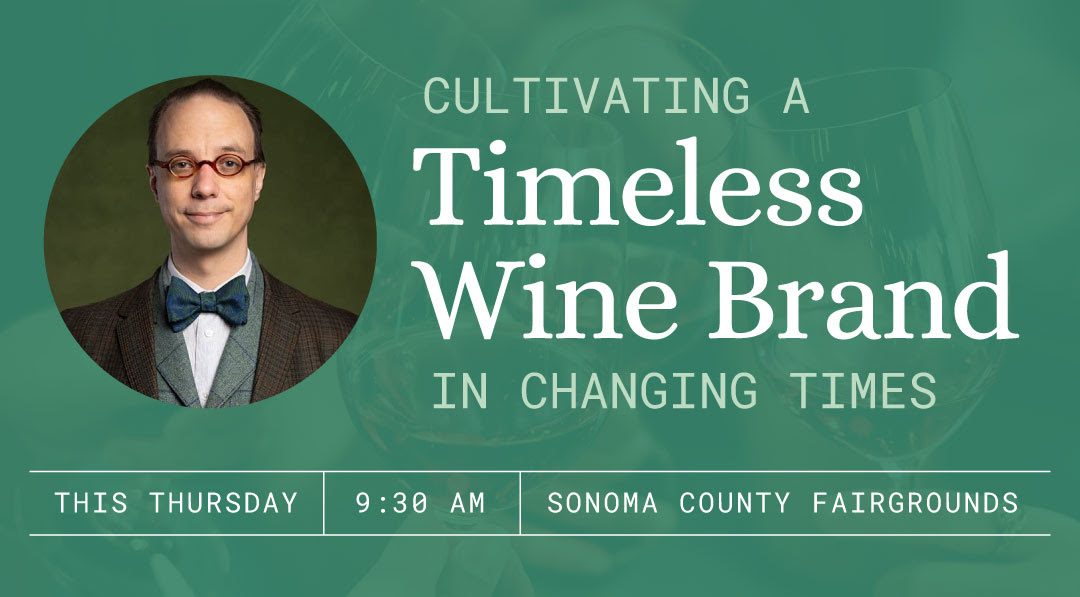
WIN Expo is Thursday (December 4, Santa Rosa).
Adam Bird presents "Cultivating a Timeless Wine Brand In Changing Times" in the Sales & Marketing track.
If you haven't registered: This session is for winery owners and marketing directors who understand that fixing brand infrastructure solves dozens of downstream tactical problems. The framework applies immediately. The audience self-selects.
Several producers you know are already attending, the ones who treat brand work as a strategic infrastructure rather than aesthetic preference.
December 4, 9am-4pm. Sonoma County Fairgrounds. 12 workshops, 300+ exhibitors, end-of-year deals.

Highway 29 Creative
Wine marketing that connects.
November 13, 2025
From Harvest to Holidays: Turning Fall Winery Events into Year-Round Customer LoyaltyThe Post-Harvest Drop-Off
Fall brings a flurry of activity to wine country. Tasting rooms fill with eager visitors, social media buzzes with harvest photos, and the energy is palpable. Then November arrives, and for many wineries, engagement plummets.
According to Silicon Valley Bank's 2024 Direct-to-Consumer Wine Survey, the average winery converts less than 15% of harvest event attendees into repeat customers by year-end. This represents an enormous missed opportunity. The wineries that thrive year-round don't view harvest as a seasonal peak but as the starting point of a strategic customer journey.
Harvest Is Your Customer Acquisition Funnel
Stop thinking of harvest events as isolated experiences and start viewing them as the top of your sales funnel.
Smart consumer brands recognize that seasonal events provide a prime opportunity to collect valuable customer data while creating memorable brand experiences. These touchpoints become the first step in an ongoing relationship, not just a one-time engagement.
For wineries, harvest events offer the same opportunity if approached strategically:
- Digital Entry Points: Replace paper sign-ins with digital registration that feeds directly into your CRM
- Experience Mapping: Track which activities attendees participate in to understand their interests
- Purchase Tracking: Note which wines they sample, purchase, or inquire about
- Relationship Building: Capture relationship data (birthday, anniversary) for future personalization
Your harvest festival isn't just a party. It's your most valuable customer acquisition channel of the year.
The Right Data Makes All the Difference
The quality of information you collect during harvest events directly determines your ability to convert attendees into loyal customers.
What to Capture Beyond Basic Contact Info
- Wine Preferences: Tag visitors based on the wines they showed interest in
- Event Participation: Note which activities they engaged with (vineyard tour, blending seminar, etc.) if your CRM can be customized for this data
- Purchase Behavior: Track what they bought and at what price point
- Club Interest: Identify who showed interest in membership, even if they didn't join
- Geographic Information: Capture location data to personalize shipping offers
Smart Collection Methods That Don't Disrupt Experience
- QR Check-In: Create event-specific QR codes that lead to short registration forms
- Photo Sharing Stations: Create Instagram-worthy spots that encourage tagging and following
- Post-Event Surveys: Send same-day follow-ups with incentives for completion
Guests don’t like having to do tasks, or having any barriers between themselves and the experience they’re expecting. The most effective data collection happens when it feels like a natural part of the event experience rather than a separate administrative task.
Learn more about creating personalized customer experiences with smart data collection
Segmentation: Your Secret Weapon for Holiday Conversion
The days immediately following your harvest event are critical. This is when you transform undifferentiated visitors into segmented prospects who receive targeted communications.
Three Essential Post-Harvest Segments
- First-Time Visitors
Focus: Brand introduction, winery story, entry-level wines
Next Step: Join mailing list for holiday offers
Timeline: First contact within 24 hours of visit - Wine Club Prospects
Focus: Club benefits, member testimonials, exclusive access
Next Step: Trial shipment or holiday club gift
Timeline: Three-part sequence over 10 days - Event Purchasers
Focus: Similar wines to their purchase, gift options, reorder incentives
Next Step: Holiday pre-order with loyalty discount
Timeline: Thank you within 24 hours, offer within 7 days
Each segment should receive different messaging, offers, and cadence. The spray-and-pray approach of sending identical follow-ups to all harvest attendees guarantees mediocre results.
Discover advanced segmentation strategies for your wine business
Content Bridge: From Harvest Stories to Holiday Sales
The content you create during harvest contains everything you need for compelling holiday campaigns. The key is repurposing it with intentional timing and framing.
The Three-Phase Content Approach
Phase 1: Harvest Reflection (October)
- Transform harvest footage into behind-the-scenes stories
- Feature harvest participants enjoying your wines
- Position current releases as "fresh from harvest to your table"
Phase 2: Thanksgiving Connection (November)
- Show harvest team "family meals" to connect with Thanksgiving themes
- Create pairing guides linking harvest flavors to holiday dishes
- Feature winemaker gratitude messages that transition to holiday spirit
Phase 3: Gift Positioning (December)
- Reframe harvest experiences as gift experiences
- Show harvest visitors giving your wines as gifts
- Connect harvest quality to gift worthiness
Outdoor retailer Patagonia brilliantly bridges their fall content featuring customers using their products into holiday gift guides, showing the same items as perfect presents. Your winery can create the same seamless transition from harvest experience to holiday gifting.
The Automation Flows That Keep Customers Engaged
Manual follow-up with every harvest attendee simply isn't feasible. The most successful wineries implement thoughtful automation that feels personal without requiring a proportional increase in staff hours. Rather than focusing on generic blasts to your entire list, consider how your automation strategy can reflect the natural progression of customer relationships. The goal isn't just efficiency—it's relationship continuity that bridges seasonal gaps.
Personalization doesn't require complex technology. Simply acknowledging which specific event someone attended transforms generic messaging into a conversation that feels remarkably personal. View your harvest automation not as a separate system but as an integrated component of your year-round communication strategy, designed to seamlessly transition seasonal enthusiasm into holiday purchasing and beyond.
Meal kit company HelloFresh has mastered this approach with their automated "from cooking class to subscriber" journey. The initial in-person experience is just the entry point to a carefully crafted digital relationship.
Explore why email marketing is crucial for customer retention and sales growth
Case Study: A Russian River Valley Success Story
A boutique winery client in the Russian River Valley demonstrated the power of harvest-to-holiday continuity through strategic content sequencing:
The Approach: Rather than pushing for immediate sales during harvest, they created a content series highlighting their unique appellation and seasonal vineyard processes. This storytelling-driven approach focused on engagement, not transactions.
Strategic Segmentation: The winery carefully tracked engagement metrics across their harvest content. Subscribers who showed high interaction levels with harvest emails (multiple opens, link clicks, video views) were identified as prime prospects for holiday offerings.
The Bridge Strategy: These highly engaged harvest enthusiasts received early, exclusive access to limited holiday wine offerings, with clear communication that they were getting privileged access. When the general announcement went out to the broader list, it specifically noted that quantities were already limited due to the pre-sale.
The Results: Not only did this approach drive significant sales from the engaged segment, but it created genuine urgency for the general list through authentic scarcity. The winery established a clear connection between harvest interest and holiday purchasing while reinforcing the value of subscriber engagement.
The key insight: They viewed harvest content not as a seasonal endpoint but as a deliberate qualifying step that identified their most valuable holiday prospects.
The Fall Opportunity You Can't Afford to Miss
While most wineries view harvest as the culmination of their agricultural year, the smartest producers recognize it as the beginning of their marketing year.
The enthusiastic visitor who stomped grapes at your harvest festival isn't just a one-time guest. They're your most qualified prospect for holiday sales, wine club membership, and long-term loyalty.
But this opportunity has an expiration date. Wait too long to follow up, and the emotional connection fades. Implement these strategies immediately after your harvest events, and you'll build momentum that carries you through the holidays and beyond.
The question isn't whether you can afford to implement a harvest-to-holidays strategy. It's whether you can afford not to.
October 8, 2025
Millennial-Focused Wine Marketing: Connecting with Gen Z & Gen Y ConsumersYour Current Marketing Won't Work for Younger Wine Drinkers
The generational shift in wine consumption is happening faster than most wineries are prepared to handle.
According to Wine Intelligence's US Wine Consumer Trends 2025 report, millennials will surpass baby boomers as the largest wine-consuming demographic by value this year. Meanwhile, the oldest members of Gen Z (born 1997-2012) are now turning 28 and developing their own distinctive wine preferences.
The problem? Most wineries continue marketing as if their primary audience is still over 55. The messaging, channels, and tactics that worked for boomers actively repel younger buyers.
Let's examine what actually works when marketing to these crucial demographics.
 What Younger Wine Consumers Actually Want
Millennial Wine Drinkers (Ages 29-44)
Millennials approach wine fundamentally differently than their parents:
What They Value:
- Transparency about production methods and ingredients
- Sustainable and ethical business practices
- Stories over technical specifications
- Unique, shareable experiences
Purchase Behavior:
- 62% research wines online before purchasing (Wine Intelligence, 2024)
- 47% have purchased wine through social media (Nielsen, 2024)
- More likely to join wine clubs with flexible options and clear value
Lululemon didn't become a billion-dollar brand by simply selling yoga pants; they created community and lifestyle associations. Similarly, the wineries succeeding with millennials aren't just selling bottles—they're selling belonging, values, and identity.
Gen Z Wine Drinkers (Ages 21-28)
The newest legal drinkers bring even more disruption:
What They Value:
- Social and environmental responsibility as non-negotiable
- Visual aesthetics and "Instagrammable" experiences
- Flavor experimentation and category blending
- Peer validation through social sharing
Purchase Behavior:
- 54% prefer lower-alcohol wine options when available
- 76% discover new wines through social media influencers
- Less brand loyal, more likely to explore widely
Beauty brand Glossier built a cult following by turning customers into marketers. The wine brands capturing Gen Z are similarly creating products and experiences specifically designed to be shared on platforms like TikTok and Instagram.
 Digital Touchpoints That Actually Convert
Channels Worth Your Investment
Not all digital channels deliver equal results for wine brands. Based on conversion data from multiple DTC wine clients, these channels provide the strongest ROI:
- Best for: Visual storytelling, behind-the-scenes content, lifestyle integration
- Content that works: Vineyard beauty shots, winemaker profiles, serving suggestions
- Advertising approach: Target interest groups around food, travel, and sustainability
TikTok
- Best for: Reaching 21-28 year olds, creating viral moments, demystifying wine
- Content that works: Educational wine hacks, personality-driven content, trend participation
- Advertising approach: Focus on shorter videos (<15 seconds) with clear hooks
Email & SMS
- Best for: Converting interest to purchase, maintaining relationships between visits
- Content that works: Personalized recommendations, time-sensitive offers, event invitations
- Approach: Segment by purchase behavior and preference, not just age
YouTube
- Best for: In-depth education, searchable wine content, building thought leadership
- Content that works: Wine pairing guides, virtual tastings, vineyard tours
- Advertising approach: Pre-roll ads targeting cooking and entertaining content
The outdoor brand REI excels at meeting customers across multiple touchpoints with consistent messaging. Your winery should similarly ensure that your Instagram aesthetic, email tone, and website experience feel cohesive rather than disconnected.
Learn how mobile optimization can dramatically improve your digital wine marketing
Five Messaging Strategies That Resonate
1. Show, Don't Tell, Your Sustainability Story
Younger wine consumers are skeptical of vague environmental claims.
What works:
- Specific practices ("We reduced water usage by 40% through dry farming")
- Visual evidence (composting systems, cover crops, solar installations)
- Third-party certifications with explanations of their meaning
What fails:
- Generic claims ("We care about the environment")
- Sustainability as a footnote rather than core value
- Highlighting only end results without showing the process
2. Create Accessible Wine Education
Millennials and Gen Z want to learn about wine without the pretension.
What works:
- Bite-sized, shareable wine facts
- Visual guides to tasting notes and pairings
- Comparison content ("If you like X, try Y")
- Humor that pokes fun at wine stereotypes
What fails:
- Technical jargon without explanation
- Assumption of prior knowledge
- Content that makes novices feel inadequate
3. Emphasize Experience Over Product
The youngest wine drinkers value what they can do with wine over what they own.
What works:
- Showcasing how your wine enhances gatherings
- Spotlighting tasting room experiences
- User-generated content of consumers enjoying your wine
- Positioning wine as part of memorable moments
What fails:
- Focus solely on awards and accolades
- Technical production details without emotional hooks
- Product-only photography without human elements
4. Leverage Authentic Personalities
Personal connections drive purchasing decisions for younger consumers.
What works:
- Winemaker Q&As showing genuine personality
- Day-in-the-life content from the vineyard
- Values-driven storytelling about why you make wine
- Employee spotlights showing company culture
What fails:
- Corporate voice and stock photography
- Faceless brand communication
- Inconsistent tone across channels
5. Harness Social Proof Strategically
Recommendations drive discovery for both millennials and Gen Z.
What works:
- Micro-influencer partnerships with authentic wine enthusiasts
- Customer reviews and testimonials prominently featured
- User-generated content galleries on product pages
- Community building around shared interests
What fails:
- Celebrity endorsements without genuine connection
- Hiding negative reviews instead of addressing them
- Missing opportunities to thank and engage with advocates
Discover how to build stronger relationships with your customers through personalized marketing
Three Acquisition Tactics Worth Testing
1. First-Purchase Incentives With Delayed Gratification
Tactic: Offer small immediate discount (10-15%) on the first purchase with a larger reward (25%) on the second purchase within 60 days
Why it works: Creates two positive touchpoints instead of one, establishes a purchase pattern
Meal kit brand HelloFresh uses this exact approach, offering a modest initial discount but saving the largest incentives for the second and third orders. This drives not just acquisition but also retention.
2. Friend-Based Referrals
Tactic: Reward both referrer and new customer with complementary benefits (free shipping + 10% off)
Why it works: Leverages trusted peer recommendations, which convert at 5x the rate of traditional advertising for millennial consumers
Venmo built its entire user base through friend referrals with minimal traditional marketing. Your winery can similarly grow through strategic incentivization of natural word-of-mouth.
3. Limited-Run Collaborations
Tactic: Partner with complementary brands (local food artisans, artists, musicians) on special releases
Why it works: Creates urgency, expands audience through partner's followers, generates social media conversation
Streetwear brand Supreme built its entire business model around limited drops and unexpected collaborations. While you don't need to create artificial scarcity, special collaborative releases can drive significant interest from younger buyers.
Measuring What Matters
Focus on these key performance indicators when evaluating the success of your younger consumer marketing:
Acquisition Metrics:
- Channel-specific traffic (where are younger visitors coming from?)
- First-time purchase conversion rate
- Customer acquisition cost by age segment
Engagement Metrics:
- Content engagement by format and platform
- Email open and click rates by age segment
- SMS response rates and conversions
Retention Metrics:
- Second purchase rate within 90 days
- Wine club conversion rate
- Referral program participation
Direct-to-consumer fitness brand Peloton attributes much of its success to obsessive measurement of these metrics, allowing them to double down on high-performing acquisition channels while quickly abandoning underperforming tactics.
Your 60-Day Millennial Marketing Jumpstart
Don't try to overhaul everything at once. Start with these prioritized steps:
Days 1-15: Assessment
- Audit your Instagram and TikTok presence
- Analyze website traffic by age demographic
- Survey recent millennial/Gen Z customers
- Review competitors successfully targeting younger consumers
Days 16-30: Content Foundation
- Create winemaker profile content
- Develop short-form educational videos
- Update product descriptions to emphasize experience
- Build segmented email templates for different age groups
Days 31-45: Channel Activation
- Launch targeted Instagram campaign
- Test TikTok organic content approaches
- Optimize website for mobile experience
Days 46-60: Measurement & Optimization
- Analyze initial campaign results
- Adjust messaging based on engagement
- Scale successful channel tactics
- Develop ongoing content calendar targeting younger segments
The wineries that thrive in the next decade won't be those with the most prestigious history or the highest scores. They'll be the ones who successfully connect with younger wine drinkers on their own terms, through their preferred channels, with authentic messaging that resonates with their values.
The question isn't whether your winery should focus on millennial and Gen Z consumers, it's whether you'll do it now, on your terms, or be forced to play catch-up later.
August 28, 2025
From Tasting Room to Text Message: Why SMS Marketing Is the New PourYour Customers Check Texts Faster Than Emails, So Why Are You Still Only Relying on Inboxes?
The typical American checks their phone 96 times a day, that's once every 10 minutes.
While your carefully crafted email campaign sits unopened among dozens of others, text messages get read within minutes. The numbers don't lie: SMS messages have a 98% open rate compared to email's paltry 20-30%. Even more telling, 90% of text messages are read within the first three minutes of delivery.
For wineries competing for attention in crowded digital spaces, this isn't just a nice-to-have channel, it's the most direct line to your customer's attention.
Why SMS Works Specifically for Wine Brands
Wine isn't software or fashion, it's experiential, emotional, and often enjoyed in specific moments. This unique position makes SMS particularly effective for wineries in ways other industries can't match.
First, wine consumers are increasingly mobile-first. When planning weekend tasting room visits, researching bottles, or browsing club memberships, they're doing it on phones, not desktops.
Second, wine purchase decisions often happen in transitional moments, while traveling to wine country, discussing dinner plans, or reading a recommendation from a friend. SMS reaches people precisely in these decision windows.
Third, direct-to-consumer wine sales require both speed and intimacy. A text message delivers both: immediate notification with a personal touch that feels like a recommendation from a friend rather than a mass marketing message.
The immediacy of SMS makes it the perfect complement to the sensory experience of wine itself—direct, personal, and consumed in the moment.
When Wineries Should Use SMS (And When They Shouldn't)
Text messaging isn't appropriate for every wine marketing scenario. The key is understanding where it creates the most value without becoming intrusive.
High-Value SMS Opportunities:
- Reservation Confirmations & Reminders: Texts sent 24 hours before a tasting room reservation reduce no-shows by up to 40%.
- Limited Releases & Allocations: When your library release has only 50 cases available, SMS ensures your announcement isn't buried in an inbox.
- Shipping Updates: "Your fall shipment was delivered today" is information members actually want immediately.
- Event Invitations: Harvest parties, pickup weekends, and winemaker dinners benefit from the urgency SMS creates.
- Abandoned Cart Recovery: Text messages sent within 60 minutes of cart abandonment show recovery rates 3-5x higher than email.
When to Skip SMS:
- General Brand Awareness: Save these messages for email and social media.
- Educational Content: Longer-form content belongs in blogs or emails.
- Regular Promotions: Unless truly limited or time-sensitive, these risk creating SMS fatigue (and it is very hard to recover from this).
The rule of thumb: If the message is time-sensitive, limited, or requires immediate action, SMS is good. If it's informational or general marketing, stick with email.
The Anatomy of High-Converting Wine SMS Flows
The most effective SMS strategies don't rely on isolated text messages but rather on carefully constructed sequences that guide customers through specific journeys. Here are three real-world flows that drive measurable results:
Flow 1: Post-Tasting Follow-Up Sequence
When a visitor leaves your tasting room having opted into SMS, this flow keeps the relationship warm:
- Day of Visit (4 hours after departure): "Thanks for visiting [Winery] today! Here's a link to purchase the [Specific Wine] you enjoyed: [link]. Reply with questions!"
- Day 3: "Still thinking about that [Wine]? Enjoy free shipping on 2+ bottles until Friday with code VISITED."
- Day 10 (If No Purchase): "Hi [Name]! Our winemaker just released tasting notes for the [Wine] you tried. Take a look: [Link]"
- Day 14: "Last chance for your visitor-exclusive offer! Your free shipping code VISITED expires tonight."
Flow 2: Wine Club Retention Sequence
For existing wine club members, this sequence helps prevent cancellations by creating engagement between shipments:
- Mid-Cycle Check-In: "Hi [Name]! How did you enjoy the [Specific Wine] from your spring shipment? Reply with your thoughts, and our winemaker might feature your feedback!"
- Early Access Notification: "Club members only: You have 48-hour early access to our new [Wine] release before it's announced. [Link]"
- Pre-Shipment Alert: "Your fall wine club shipment is being prepared! Any changes needed? Reply YES and we'll contact you."
- Loyalty Milestone: "Happy 1-year club anniversary, [Name]! We've added a complimentary bottle to your next shipment to celebrate."
Flow 3: Abandoned Cart Recovery
When someone adds wine to their cart but leaves without purchasing:
- 1 Hour After Abandonment: "Your cart at [Winery] is waiting! That [Wine] is one of our favorites too. Complete your purchase: [Link]"
- 24 Hours Later (If Still No Purchase): "[Name], only 24 bottles of [Wine] remain. We've saved yours for now: [Link]"
- 48 Hours Later (Final Attempt): "Final notice: We've added free shipping to your cart. Complete your purchase within 2 hours: [Link]"
Discover how to leverage CRM data to make these SMS flows even more personalized and effective
SMS Compliance: Don't Pour Yourself Legal Trouble
The regulatory landscape for SMS marketing is strict, and violations can be costly. Here's what wineries need to know:
- Explicit Opt-In Required: Unlike email, where pre-checked boxes might work, SMS requires clear, affirmative consent. Never add phone numbers from your POS system without specific text marketing consent.
- Identification in Every Message: Each text must clearly identify your winery.
- Easy Opt-Out Instructions: Every message should include how to unsubscribe (typically "Reply STOP").
- Quiet Hours Compliance: No messages before 8am or after 9pm in the recipient's time zone.
- Alcohol-Specific Regulations: Include age verification in your opt-in process and first message.
The penalties for non-compliance can range from $500 to $1,500 per text message. One rogue campaign to an unauthorized list could easily generate six-figure liabilities.
Where and How to Collect SMS Opt-Ins
The best SMS list is one built intentionally through transparent opt-ins. Here are the highest-converting opt-in opportunities:
- Tasting Room Checkout: "Text YES to 55555 to receive a complimentary shipping code on your next order."
- Wine Club Signup: Add a clear checkbox for SMS updates during the enrollment process.
- QR Codes on Tasting Menus: "Scan to receive tasting notes and special offers."
- Website Pop-ups: Offer an immediate discount for SMS subscription.
- Event Registration: Include an SMS opt-in during event signup.
The most effective approach combines an immediate value proposition with transparency about message frequency. For example: "Get early access to limited releases (max 2 msgs/month) by texting JOIN to 55555."
Choosing the Right SMS Platform for Your Winery
The SMS platform landscape has evolved dramatically, with several options now offering wine-specific features:
Postscript: Integrates seamlessly with Shopify, making it ideal for wineries using Shopify for e-commerce. Its segmentation capabilities allow for highly targeted campaigns based on purchase history.
Klaviyo SMS: For wineries already using Klaviyo for email, their SMS addition provides unified customer journeys across both channels. Strong analytics and automatic suppression across channels prevent over-messaging.
Attentive: The enterprise choice with the most robust compliance features and sophisticated triggering options. Best for larger wineries with 10,000+ contacts.
When selecting a platform, prioritize:
- Integration with your existing e-commerce platform (WineDirect, Commerce7, etc.)
- Compliance management features
- Automation capabilities
- Two-way conversation management
Measuring Success: Beyond Open Rates
The metrics that matter for wine SMS marketing go beyond simple open rates:
- Click-Through Rate (CTR): Benchmark: 15-25% (compared to 2-5% for email)
- Conversion Rate: Benchmark: 8-12% for promotional offers
- List Growth Rate: Healthy growth: 3-5% month-over-month
- Unsubscribe Rate: Warning threshold: Above 3% per campaign
The most sophisticated wineries are now measuring SMS influence on lifetime value. Early data suggests that club members who engage via both email and SMS have higher annual spend than email-only members.
Getting Started: Your First 30 Days of Winery SMS Marketing
Don't try to build Rome in a day. Here's a measured approach to launching SMS marketing for your winery:
Week 1: Setup & Compliance
- Select your SMS platform
- Develop compliant opt-in language
- Create initial opt-in incentive
Week 2: List Building
- Implement opt-in opportunities at checkout
- Add SMS signup to your website
- Train tasting room staff on opt-in collection
Week 3: First Campaign
- Send welcome message to initial subscribers
- Create your first limited offer
- Test different sending times
Week 4: Analyze & Optimize
- Review performance metrics
- Adjust message timing based on response rates
- Plan your first automated flow
For most wineries, a realistic goal is 500 subscribers and one automated flow within the first 30 days.
The Future of Wine SMS Marketing: What's Next
The SMS marketing landscape is evolving rapidly, with several emerging trends particularly relevant to wineries:
MMS (Multimedia Messaging): Images of new releases, vineyards, and harvest are driving 20-30% higher engagement than text-only messages.
Conversational Commerce: Two-way texting that allows customers to ask questions about wines before purchasing shows conversion rates up to 3x higher than one-way broadcasts.
SMS-Triggered Experiences: Location-based texts that activate when members arrive at the winery, offering personalized tasting experiences.
AI-Driven Response Systems: Automated but natural-sounding replies to common questions about shipping, wine details, or club benefits.
The wineries seeing the greatest success are those treating SMS not just as another broadcast channel but as a conversation starter—a digital extension of the intimate, personalized experience that makes wine country special.
The Truth About SMS Marketing
Many wineries resist SMS marketing because it feels intrusive or they fear it will cheapen their brand. The data tells a different story.
In blind studies, luxury wine consumers rated text message communications from premium wineries as "more personal" and "more exclusive" than identical information delivered via email. The intimacy of the medium, when used respectfully, actually enhances premium positioning rather than diminishing it.
The real risk isn't in adopting SMS too quickly, it's in waiting too long. Early adopters are already building valuable, engaged audiences that later entrants will struggle to match.
Text messaging isn't replacing your beautiful emails or award-winning tasting room. It's amplifying them, ensuring that the experiences you've carefully crafted reach your customers in moments when they're ready to engage.
The question isn't whether SMS belongs in your marketing mix. It's how quickly you can implement it before your competitors do.
August 5, 2025
Wine Club Fatigue Is Real: How to Reignite Member Engagement in 2025Are Your Wine Club Members Ghosting You? Here's Why
Your wine club members are breaking up with you, but they're not telling you why. They're just... disappearing.
The numbers are stark: Silicon Valley Bank's latest research (which we are going to reference a lot in this blog) shows wine clubs are experiencing member attrition rates between 28-36% annually, with luxury segment clubs performing only marginally better at 23-29% (SVB Direct-to-Consumer Wine Report, 2025). That's not a leak, it's a flood. And while many wineries frantically chase new sign-ups to replace the departed, few address why members leave in the first place.
Wine club fatigue isn't a mysterious phenomenon. It's a predictable human response to predictable winery behavior.
The Warning Signs You're Already Losing Them
Before members cancel, they disengage. They're sending signals you might be missing:
- Email open rates drop below your average
- Shipment modifications increase (downgrades, skips)
- Social media engagement with your brand disappears
- The once-reliable referrals dry up completely
When members stop consuming what you're sending, physically or digitally, it's not because they suddenly hate wine. It's because you've stopped being relevant to their lives.
Why Members Leave (And It's Not Just the Wine)
The truth might sting: most wine clubs aren't designed for long-term engagement. They're designed for initial conversion.
According to SVB's research, the average wine club tenure is now just 30 months, down from 36 months in 2022. Even more concerning, members who join during promotional periods (like harvest festivals) show 42% higher early cancellation rates than those who join during regular tasting room visits (SVB Direct-to-Consumer Wine Report, 2025, p.62).
Four patterns trigger most cancellations:
- Generic experiences masquerading as "membership"
When everyone gets the same bottles, same emails, and same perks regardless of their preferences or history, you're not running a club, you're running a subscription box. - Predictable becomes forgettable
The fifth shipment of Cabernet to someone who's shown interest in exploring whites doesn't just miss the mark, it signals you don't know them at all. - Silent treatment between shipments
When the only communication is transaction-based (your shipment is coming, your card was charged), members feel like walking wallets.
Value perception erodes
SVB's research reveals a startling trend: 48% of cancellations now cite "better deals elsewhere" as their primary reason for leaving, up from 31% in 2022 (p.65). When direct-to-consumer promotions offer similar or better deals than membership, the "exclusive" club feels like an expensive commitment with diminishing returns.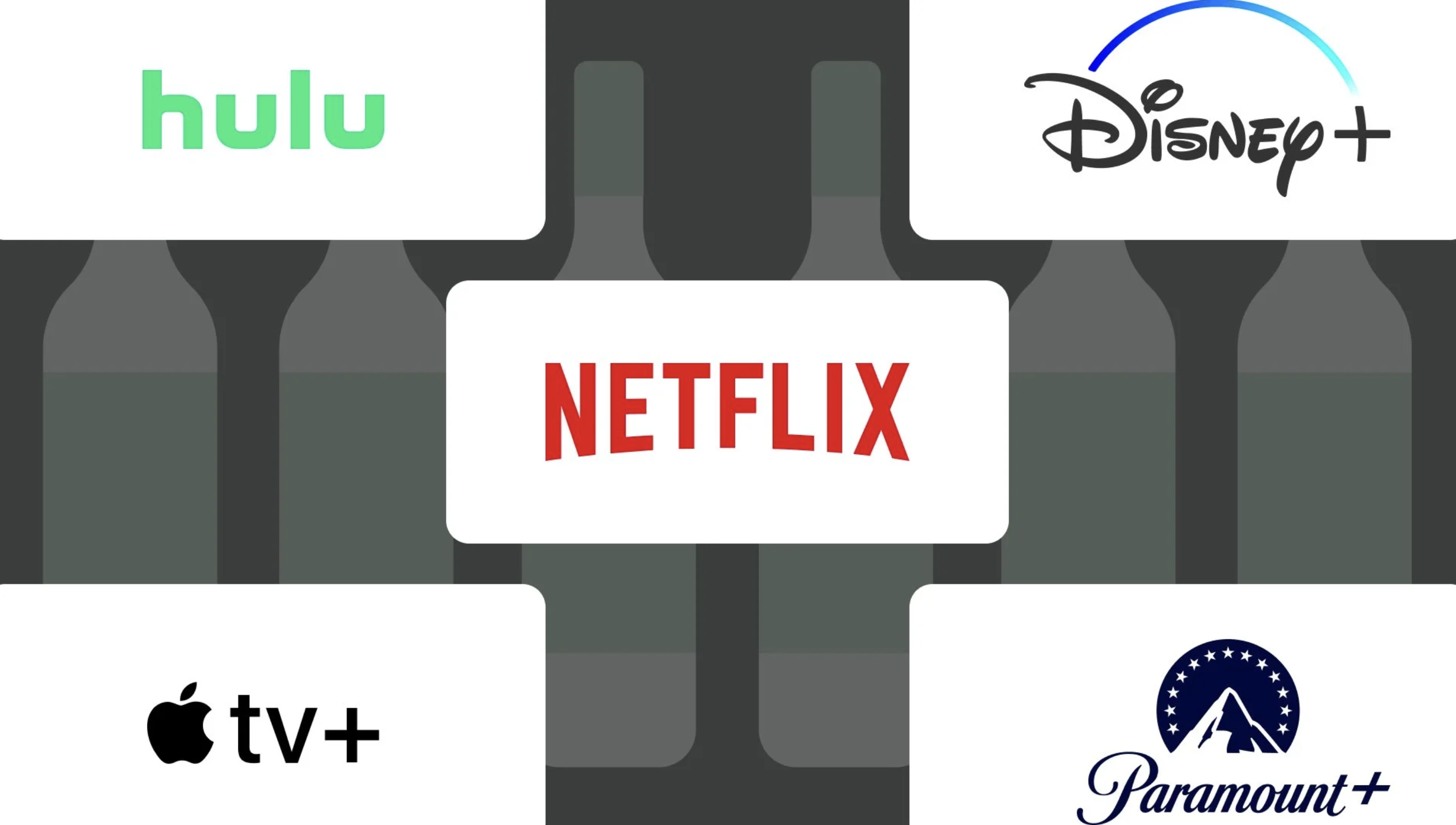
What Streaming Services Know About Retention That Most Wineries Don't
Streaming platforms don't assume you want to watch the same show forever. Instead, they track what you actually watch, analyze how your preferences evolve, and continually adjust recommendations.
When you finish one series, they don't keep pushing more of the same, they suggest something different but aligned with your emerging tastes.
For wineries, the parallel is clear: Your Cabernet lovers might become curious about your limited-production Tempranillo. Your white wine enthusiasts might be ready to explore your rosé program. But you'll never know unless you're tracking behavior and responding to changing preferences.
SVB's research supports this approach. Wineries that implemented preference-based club options saw 18% higher retention rates than traditional vintage-based clubs (p.63). Streaming services retain subscribers not by offering the same content repeatedly, but by continuously adapting to evolving preferences. Your wine club should operate on the same principle.
Segmentation: The Foundation of Any Retention Strategy
Sending the same communication to every club member is like addressing a stadium with a megaphone and hoping individuals feel personally spoken to.
Start by creating meaningful segments based on:
- Tenure-based segments
- Newcomers (0-6 months)
- Established members (7-24 months)
- Veterans (25+ months)
- Engagement-based segments
- Highly engaged (opens emails, attends events)
- Moderately engaged (occasional interaction)
- At-risk (minimal engagement in last 90 days)
- Purchase pattern segments
- Variety explorers (purchase across categories)
- Category loyalists (stick to one wine type)
- Premium buyers (consistently choose higher-priced options)
SVB's research indicates that wineries using at least three distinct segmentation strategies in their club communications saw renewal rates 16% higher than those using no segmentation (p.67). Once segmented, you can create targeted communications that actually resonate rather than broadcasting generic messages that interest no one.
The Win-Back Campaign That Works
When subscribers leave fitness app ClassPass, they don't receive a generic "we miss you" message. Instead, they receive a personalized offer based on their exact usage patterns. Heavy users get different incentives than occasional users.
Your win-back campaign should follow similar principles:
Flow 1: "We Notice You" Email Sequence for Disengaged Members
- Day 1: "We've selected something special for you" (highlighting a bottle aligned with previous purchases)
- Day 4: Personalized offer (based on their purchase history)
- Day 7: "Last chance before we release your allocation" (creating scarcity)
Flow 2: Lapsed Member Text Message Re-engagement
- Message 1: "Your [specific wine they previously purchased] allocation is being held. Respond YES to claim."
- Message 2 (if yes): "Perfect timing! We've saved you [personalized offer]."
- Message 3: Confirmation and next steps
SVB's data shows that targeted win-back campaigns have a 23-28% success rate compared to just 8-12% for generic reactivation offers (p.66). The key difference between these campaigns and most wine club win-back attempts? They're specific to the member's actual behavior, not generic pleas for attention.
Beyond the Bottle: Creating Value That Transcends Product
REI doesn't just sell outdoor gear, they sell expertise, community, and identity. Their membership program offers education, events, and insider access that makes product purchases feel like just one aspect of the relationship.
Your wine club should create similar non-product value:
- Knowledge currency: Winemaker video notes specific to that shipment's bottles
- Access currency: Virtual tastings with vineyard managers (make your members feel special!)
- Status currency: Member-recognition programs visible to other customers
- Community currency: Facilitated connections between members with similar preferences
SVB's research confirms this approach: wine clubs offering at least three non-product benefits showed 22% higher retention rates than product-only clubs (p.64). The bottle gets them in; the experience keeps them enrolled.
Automation: Making the Personal Scalable
The objection I hear most often: "We don't have time to personalize communications for hundreds or thousands of members."
This is where strategic automation creates leverage:
- Post-shipment satisfaction triggers: Set up automated emails 7-10 days after delivery asking for feedback, then route responses to different follow-ups based on sentiment.
- Milestone recognition: Automatically track membership anniversaries, birthdays, and purchase milestones, triggering appropriate recognition.
- Behavioral response flows: When a member shows interest in specific content (clicks on vineyard updates vs. winemaking details), tag their profile and adjust future communications.
These automations can be built in platforms like Commerce7, Klaviyo, or even Mailchimp, creating personalized experiences without requiring manual intervention for each member.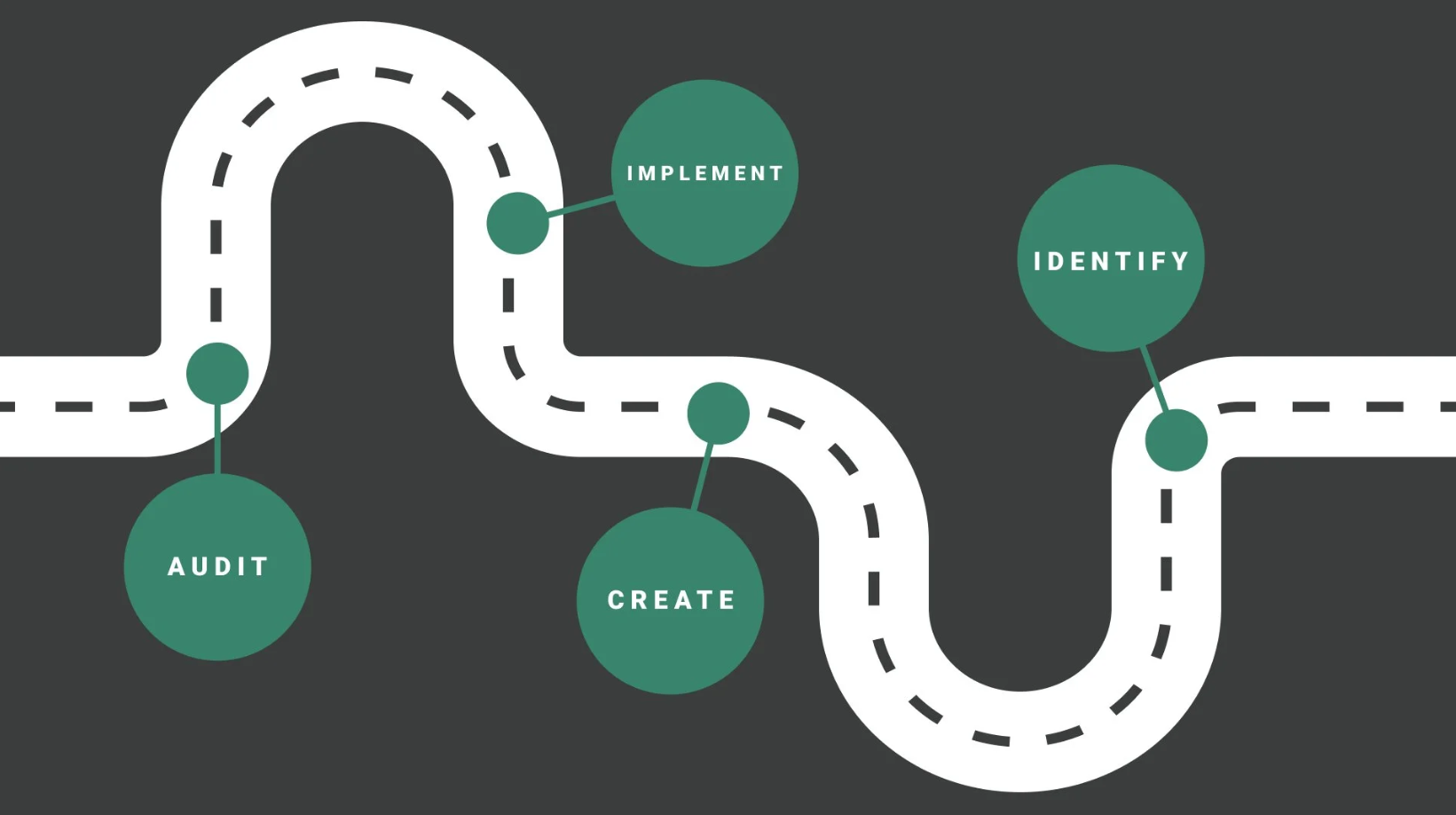
The Implementation Roadmap: What to Do Today
Don't try to overhaul everything at once. Start with these priority actions:
- Audit your current segmentation: How many distinct membership experiences do you currently offer? If the answer is "one," that's your first problem to solve.
- Implement post-shipment feedback automation: Set up a simple flow that asks for member feedback after each shipment, then actually use that data.
- Create one high-value, non-product membership benefit: What exclusive access, information, or experience can you offer that members can't get elsewhere?
- Identify your 50 most at-risk members: Look for declining engagement patterns, then create a personalized outreach plan.
Check out this blog to learn more about how to use email marketing for better customer retention and prevent members from leaving your wine club
The Hard Truth About Wine Club Retention
The uncomfortable reality is that most wine clubs are designed for the winery's convenience, not the member's evolving relationship with wine. Shipment schedules, wine selections, and communication cadences typically prioritize operational efficiency over member experience.
This approach has flaws. The operational aspects of your club should serve the experience you want to create, not define it.
SVB's research backs this up: wineries that redesigned their clubs around member experience rather than operational convenience saw retention improvements of 18-24% in the first year after implementation (p.68). Even more telling, these improvements came with no additional product discounting, proving that experience, not just price, drives loyalty.
The question isn't whether you can afford to personalize your wine club experience. It's whether you can afford not to.
Some additional resources:
- Learn how to transform visitors into loyal wine club members with effective retargeting strategies
- Take your wine club beyond a simple mailing list with our CRM implementation guide
Need help implementing these strategies?
Book a free 30-minute consultation to discuss how we can help you reduce churn and strengthen your wine club.
August 5, 2025
Wine Branding for the Next Generation: What Works, What Doesn't
The wine industry is facing a demand reset.
For decades, wineries could count on an audience to buy based on tradition, prestige, and a deep love for the nuances of terroir. But that audience is aging out. The next generation of wine drinkers—Millennials and Gen Z—aren’t just looking for a great bottle. They’re looking for experiences, identity, and values.
This isn’t a small shift. It’s a fundamental change in how and why people buy wine. The wineries that adapt will thrive. The ones that don’t? They’ll be wondering why their sales keep slipping.
Let’s break down what matters to these younger consumers—and how wineries can shift their branding to meet them where they are.
Millennials Buy Experiences, Not Just Wine
Millennials (born 1981–1996) grew up in a world where owning things became less important than experiencing things. Travel, concerts, pop-ups, exclusive tastings, and curated events—these are the things they spend money on.
For them, wine isn’t just a bottle—it’s part of a bigger moment. They don’t just want to own great wine; they want to experience it in ways that feel unique, social, and share-worthy.
How to Brand for Millennials:
- Make Membership an Experience, Not a Transaction: Don’t just sell a wine club. Sell the lifestyle of being a member—special tastings, insider content, private events, and exclusive perks that make them feel part of something bigger.
- Show, Don’t Tell: A list of tasting notes won’t cut it. Use photography and video to immerse them in vineyard life, the winemaking process, and the human stories behind the bottle.
- Tap Into Social Proof: Millennials trust other people more than marketing. User-generated content, influencer collaborations, and reviews drive purchasing decisions.
If your brand is still marketing wine the way it did 20 years ago—relying on scores, critics, and exclusivity for the sake of exclusivity—you’re missing them.
Gen Z is Redefining Consumption Itself
Gen Z (born 1997–2012) is different. They’re the first fully digital-native generation, and they’re rewriting the rules of how brands engage. They don’t just consume—they participate.
Unlike Millennials, who want experiences, Gen Z wants experiences with meaning. They expect brands to stand for something, whether it’s sustainability, social good, or authenticity. They’re skeptical of traditional advertising and gravitate toward brands that feel real, transparent, and values-driven.
How to Brand for Gen Z:
- Showcase Sustainability: Organic farming, minimal intervention, eco-friendly packaging—Gen Z pays attention to these details. If sustainability is part of your winery’s ethos, talk about it often and transparently.
- Make Your Brand Interactive: They don’t want to just drink your wine; they want to be part of the conversation. Engaging TikTok videos, Instagram Q&As, and winemaker takeovers make them feel like insiders.
- Authenticity Wins: Gen Z can smell corporate speak a mile away. Brands that try too hard to be “cool” fail. Keep it real. Show the real people behind the wine, the real process, the real moments—not polished perfection.
For Gen Z, it’s not about “What’s in the bottle?” It’s about “What does this brand represent, and do I align with that?”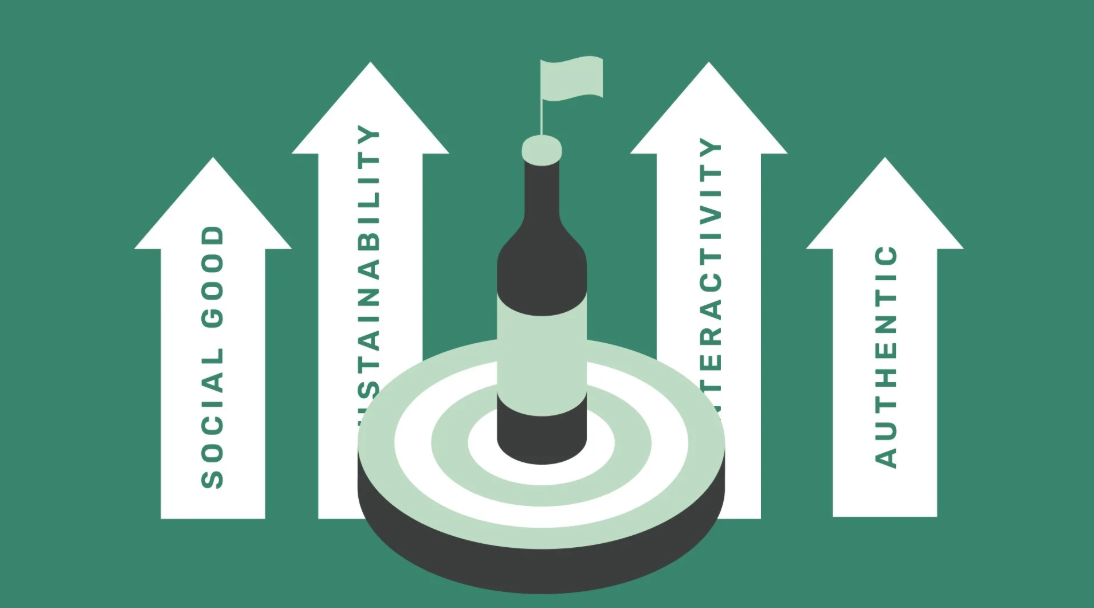
Where Wineries Go Wrong
- Talking About Themselves Too Much: “We’ve been making wine since 1895.” That’s great. But younger buyers care more about how your brand fits into their life than about your past.
- Ignoring Mobile and Social-First Marketing: Millennials and Gen Z don’t read wine magazines. They don’t really browse desktop websites. They find brands through social, search, and word-of-mouth online.
- Thinking “Luxury” Means Unapproachable: Younger buyers will pay for premium wines—but they want the experience to feel welcoming, not pretentious.
The wineries that embrace approachability, experiences, and values-driven branding will win over these generations. The ones that cling to outdated marketing will struggle.
Key Takeaways
- Millennials buy experiences. Make your wine club, events, and content something they can engage with—not just subscribe to.
- Gen Z buys meaning. If your brand has a mission (sustainability, social impact, craftsmanship), amplify it.
- Social proof and authenticity are everything. Glossy perfection is out; real, unfiltered content is in.
- Mobile-first is mandatory. If your website, checkout, and marketing aren’t seamless on mobile, you’re invisible to younger buyers.
Final Thoughts
The wine industry is in transition. The old ways of marketing—relying on critics, prestige, and exclusivity—are fading. The future belongs to wineries that understand what younger buyers actually want: connection, values, and experiences that go beyond the bottle.
This isn’t a minor shift. It’s a complete reset in how wineries need to engage with their audience.
The good news? The brands that get it right will build loyal, engaged, next-generation wine drinkers—the kind who stick around for decades. Find out more on reaching the next-generations.
The question is: Is your winery ready?
May 22, 2025
Winery Websites That Work: How to Build a Commerce7 Site That Sells
A winery website should do more than exist. It should work.
It should sell wine, build relationships, and turn casual browsers into loyal wine club members. And if you're using Commerce7, you already have the right tool—now it’s about using it right.
Because let’s be honest: most winery websites don’t work as hard as they could. They bury the wine club, make checkout frustrating, or worse—focus on tasting notes when they should be telling a story.
Let’s fix that.
Your Website Isn’t a Brochure. It’s Your Best Salesperson.
Too many wineries treat their website like a digital pamphlet. Some pretty pictures, a little history, and a list of wines. But that’s not what sells.
What sells is a clear, emotional, story-driven experience that makes a visitor think, this is my winery.
Your customers—especially Millennials and Gen Z—aren’t buying based on scores. They’re buying based on connection. The winery that feels like them wins their loyalty. Your site needs to capture who you are, why you do what you do, and why they should want to be part of it.
Commerce7 Tool to Use: Custom Content Blocks to embed video, showcase your team, and bring your story to life.
Make Your Wine Club the Star of the Show
The wine club is where the magic happens. It’s the difference between a one-time purchase and a customer for life. But most winery websites bury the sign-up page in a dropdown menu and hope people will find it.
Hope is not a strategy.
How to Sell More Wine Club Memberships:
Feature it front and center—on the homepage, in the navigation, and in product pages.
Sell the experience, not the logistics. Instead of “4 bottles per shipment,” say “Exclusive wines, early access, and VIP perks.”
Use social proof—testimonials, member stories, and behind-the-scenes content.
Commerce7 Tool to Use: Dynamic Club Pages that highlight benefits, make sign-ups seamless, and personalize member experiences.
Use the CRM to Market Smarter, Not Louder
Commerce7 isn’t just an eCommerce platform, it’s a CRM that learns your customers. It tracks what they buy, when they buy, and what they love. And when you use that data? Your marketing stops feeling like marketing and starts feeling like a conversation.
Personalization That Works:
Send the right emails to the right people. A customer who only buys Syrah doesn’t need an email about Chardonnay.
Offer smart product recommendations: “If you loved this, you’ll love that.”
Automate re-engagement. Someone hasn’t purchased in six months? Commerce7 can remind them, gently.
Commerce7 Tool to Use: Smart Segments to target buyers based on real preferences, not guesses.
Mobile First. Always.
More than 60% of online wine sales happen on mobile. If your site doesn’t work perfectly on a phone, you’re losing sales. Simple as that.
Checkout should be frictionless, saved payment methods, autofill, and no unnecessary steps.
Navigation should be thumb-friendly, easy to tap, easy to explore.
Load time should be fast, because no one waits for a slow site.
Commerce7 Tool to Use: Mobile-Optimized Templates that make sure your site looks and works great on any device.
Stop Listing. Start Selling.
Most winery product pages look the same: bottle image, tasting notes, price. That’s not selling, that’s listing.
A product page should make people imagine drinking the wine before they even hit “add to cart.”
How to Write Better Product Pages:
Show, don’t tell. Use images of the wine in context, dinner table, a sunset, a toast.
Make descriptions about the experience, not just the flavors. “A bold, elegant Cab built for long dinners and deep conversations” is better than “Notes of blackberry and oak.”
Offer pairings, bundles, and exclusive add-ons to increase cart size.
Commerce7 Tool to Use: Product Bundles & Add-Ons to create curated collections that feel special and sell more wine.
Use Data to Keep Getting Better
Commerce7 tells you what’s working and what’s not. The smartest wineries don’t just guess, they track, test, and adjust.
Are visitors clicking on the wine club page but not signing up? Improve the copy.
Are they abandoning carts? Simplify the checkout process.
Are some wines selling out faster than others? Highlight them more.
If you’re not checking your numbers, you’re leaving money on the table.
Commerce7 Tool to Use: Analytics & Integrations to track conversions, cart behavior, and customer trends.
Final Thoughts
Your website should be your hardest-working salesperson. Commerce7 gives you the tools to build a site that isn’t just functional, it’s magnetic. It sells, it engages, and it turns visitors into lifelong customers.
So tell your story. Make your wine club impossible to ignore. Use data to market smarter. And never stop refining.
If you need help turning your Commerce7 website into a revenue-driving machine, Highway 29 Creative is here to help. Let’s make your winery website the one that works. Let's talk.
May 22, 2025
Grow Your Wine Club with Email Marketing That Works
Here’s the thing about email: it’s not just another marketing channel. It’s the channel. Unlike social media or paid ads, where you’re renting space and fighting for attention, your email list is yours. You own it. You control it. And when done right, it’s the most reliable way to turn curious visitors into loyal wine club members.
But to make email marketing work, you need one thing first: a strong, healthy, growing subscriber list. And that’s where your website comes in.
Let’s talk about how to build a subscriber list that works as hard as you do, turning casual visitors into wine buyers and wine buyers into wine club members.
Why Email is Non-Negotiable
Every ad you run, every social media post you make, it’s rented attention. Platforms change. Algorithms shift. Costs go up. But your email list? That’s yours forever.
And it’s not just any list. These are people who’ve already raised their hands and said, I’m interested. They’ve invited you into their inbox—a personal, private space—because they want to hear from you. That’s powerful.
Here’s why email is essential for wine clubs:
It’s Personal: You’re speaking directly to people who care about your winery.
It Converts: Emails have higher conversion rates than social media or ads.
It’s Recurring Revenue: A strong email strategy feeds your wine club, the backbone of sustainable winery growth.
Start with Your Website
Your website isn’t just a storefront, it’s a subscriber machine. Or at least, it should be. Every page on your site is an opportunity to ask for an email address, and if you’re not making it easy (and enticing), you’re leaving money—and members—on the table.
How to Collect Emails on Your Website:
Pop-Ups That Add Value: A pop-up that says “Join our newsletter” won’t cut it. Instead, offer something tangible:
“Get 10% off your first order when you subscribe.”
“Be the first to know about limited releases and events.”
Embed Sign-Up Forms Everywhere: Your homepage, blog, product pages—anywhere someone might be ready to learn more or buy.
Landing Pages for Specific Offers: Create dedicated pages for lead magnets, like a free wine pairing guide or access to an exclusive virtual tasting.
The Power of Permission
Here’s what’s remarkable about email: it’s permission-based. When someone gives you their email address, they’re saying, I trust you. Your job is to honor that trust by sending emails that are relevant, engaging, and worth opening.
How to Build Trust from the Start:
Welcome Them Properly: As soon as someone subscribes, send a welcome email. Tell them what to expect, share your story, and make them feel like they’ve joined something special.
Deliver Value Immediately: If you offered a discount or guide in exchange for their email, make sure they get it right away.
Grow Your List Beyond Your Website
Your website is the foundation, but it’s not the only place to collect emails. To really grow your list, meet your audience wherever they are.
Tasting Room: When someone visits your tasting room, make it easy for them to sign up. Use a tablet or QR code, and highlight the benefits of joining your list (exclusive offers, updates, wine club perks).
Events: Whether it’s a local wine festival or a private dinner at your estate, make email sign-ups part of the experience. Offer a small incentive for signing up, like a discount or access to event photos.
Social Media: Use your social platforms to drive traffic to your email sign-up forms. Share links in your bio or stories and remind followers why they should join.
Turn Subscribers into Wine Club Members
Your email list isn’t just a collection of addresses. It’s the gateway to your wine club.
Here’s how to use email to drive memberships:
Tell the Wine Club Story: Use your emails to showcase the benefits of your wine club—exclusive wines, free shipping, special events. Make it clear why it’s worth joining.
Share Member Perks: Highlight what members are enjoying (e.g., “Wine club members just got first access to our new Pinot Noir!”).
Create Urgency: Limited-time offers or seasonal promotions can nudge subscribers toward signing up.
Think Bigger: Build a List That Lasts
The size of your email list matters, but the quality matters even more. A list of engaged subscribers who open your emails, click your links, and trust your recommendations is far more valuable than a big list that doesn’t care.
How to Build an Engaged List:
Regularly clean your list by removing inactive subscribers.
Send emails people want to open, valuable content, exclusive offers, and behind-the-scenes stories.
Test subject lines, send times, and content to see what works best.
Key Takeaways
Email is your most powerful marketing tool because you own the list.
Your website is the foundation of your subscriber strategy. Make it easy and enticing to sign up.
Build trust by delivering value immediately and communicating consistently.
Use your email list to drive wine club memberships, the backbone of recurring revenue.
Focus on quality over quantity, an engaged list is your most valuable asset.
Final Thoughts
Email marketing isn’t flashy. It doesn’t trend. But it works.
Your email list is the foundation of your marketing, your wine club, and your long-term success. By using your website strategically, you can grow a list that isn’t just big, but engaged, filled with people who love your winery and want to hear from you. Make sure to check out how to grow your email list on and offline.
Ready to turn your website into a subscriber magnet? At Highway 29 Creative, we can help you build the tools, strategies, and campaigns that make email marketing your winery’s secret weapon. Let’s get started.
May 22, 2025
Wine Bottle Photography Tips: How to Create Images That Sell
Wine Bottle Photography Tips: How to Create Images That Sell
A great wine photo doesn’t just show a bottle. It tells a story. It paints a picture of a moment your customers want to live. It’s not about the glass, the foil, or even the label; it’s about the experience you’re selling.
Because wine isn’t just a product; it’s a lifestyle. And your photos? They’re the invitation.
Let’s talk about how to create wine bottle images that stop the scroll, spark emotion, and make people think, That bottle belongs in my life.
Start With the Story
Before you pick up the camera, ask yourself: What do I want this photo to say?
Is your wine bold and elegant? Fun and approachable? Does it evoke the charm of a vineyard sunset or the intimacy of a cozy dinner at home? The story comes first because it’s what your customers connect to.
Your photo isn’t just a picture of a bottle but a promise. A glimpse into the world you’re inviting them to be part of.
The Bottle Is Just the Beginning
A bottle against a white background? That’s fine for a product page, but it won’t sell the experience.
Here’s how to elevate it:
Set the Scene: A rosé on a sunlit picnic blanket. A bold red surrounded by candles and laughter. Give your customers a setting they can see themselves in.
Add People: People bring energy. Show your winemaker pouring a glass, friends clinking glasses, or someone savoring a sip on your estate patio.
Use Your Estate: If your winery has a beautiful vineyard, tasting room, or view, don’t just show the wine—show the place it comes from. Let your terroir shine through.

Light, Angles, and the Technical Stuff
Photography is an art, but it’s also a craft. And while the emotional connection matters most, the technical details make it all come together.
Lighting Is Your Best Friend: Natural light is warm, inviting, and real. Morning light or golden hour works wonders. Avoid harsh midday sun unless you’re going for drama.
The Label Matters: Your label is your brand. Make sure it’s clear, crisp, and perfectly lit. It’s the one part of the bottle that should always take center stage.
Play with Angles: Straight-on shots are clean and classic, but experiment with perspectives. A slight tilt or an overhead view can add intrigue and draw the eye.
Show More Than the Bottle
The most compelling wine photos go beyond the product. They capture the experience, the mood, and the details that make your winery special.
Lifestyle Shots: Your wine being poured, shared, or toasted. It’s about the moment.
Estate Photos: Highlight the vineyard rows, the tasting room, or the cellar. Show them where the magic happens.
Details That Speak: A cork being pulled, wine swirling in a glass, the texture of a vineyard at dusk. These are the quiet moments that bring depth to your story.
Why This Works
Because people don’t just buy wine. They buy connection, celebration, and the chance to say, “This is who I am.”
Your photos are a way to say to them: This wine is made for you. For the life you’re building, the experiences you’re chasing, the moments you want to share.
That’s what sells.
Key Takeaways
Start with the story you want to tell—it’s about more than the bottle.
Use scenes, people, and your estate to create emotional, relatable images.
Nail the technical details: light, label clarity, and angles matter.
Think bigger than the product—your wine is part of a lifestyle.
Final Thoughts
Your wine deserves better than a generic photo. It deserves a story.
When your customers see your bottle, they should see more than wine. They should see a moment waiting to happen, an experience they can’t resist, and a brand they want to be part of.
And if that feels like a big leap, we’re here to help. At Highway 29 Creative, we specialize in photography that doesn’t just look great, it connects, inspires, and sells. Let’s tell your winery’s story, one picture at a time. Contact Highway 29 Creative if you want to explore transformative photography for your winery.
Contact Highway 29 Creative
April 23, 2025
Top Winery Website Mistakes That Are Costing You New Members
Your website is one of your most powerful tools for attracting and retaining wine club members, but here’s the hard truth: too many winery websites are falling short. In a world where mobile usage dominates and younger audiences demand seamless digital experiences, the days of treating your website as a static brochure are over.
If your website isn’t driving wine club sign-ups or engaging visitors, it’s time to confront the mistakes that might be holding you back. Let’s poke a few holes in outdated assumptions and help you build a site that works as hard as you do.
Mistake 1: Treating Your Website Like a Digital Brochure
One of the most common misconceptions we encounter is the idea that your website’s main job is to showcase your wines. Sure, it should do that—but a great winery website is a sales and marketing machine, not just a pretty page with some pictures and tasting notes.
If your website doesn’t have clear calls to action (CTAs), easy navigation, or features like online wine club sign-ups, you’re losing potential members. Every page of your site should guide visitors toward the next step: buying wine, booking a visit, or joining your club.
Fix It:
- Include CTAs like “Join Our Wine Club,” “Shop Our Wines,” or “Book a Tasting” prominently on every key page.
- Optimize your navigation to make it simple for visitors to explore and act.
Mistake 2: Ignoring Mobile Users

Here’s a wake-up call: over 60% of website traffic now comes from mobile devices. If your site isn’t mobile-friendly, you’re alienating a majority of your potential customers. Mobile users won’t tolerate clunky navigation, slow load times, or hard-to-read text.
If your site looks great on desktop but is a mess on a smartphone, you’re effectively closing your doors to a massive audience—especially Millennials and Gen Z, who live on their phones.
Fix It:
- Use a responsive design that adapts seamlessly to any screen size.
- Test your site on multiple devices to ensure it’s easy to navigate, fast to load, and visually appealing on mobile.
- Prioritize a smooth mobile checkout process, especially for wine sales and club sign-ups.
Mistake 3: Focusing on You, Not Your Audience
Your winery’s story is important—but your audience doesn’t visit your website to read a novel about you. They’re looking for how you can improve their life, whether through an unforgettable tasting experience, an exclusive wine club, or wines that elevate their dinner parties.
If your site is all about your winery’s history and none of it speaks to your audience’s needs, you’re missing the mark.
Fix It:
- Reframe your content to show what’s in it for your visitors. For example, instead of “Our Family’s Legacy,” focus on “What Makes Our Wines Perfect for Your Table.”
- Use language that speaks directly to your audience’s desires, like “Sip award-winning wines made sustainably” or “Join a wine club that’s personalized for you.”
Mistake 4: Slow Load Times
If your website takes more than a few seconds to load, visitors will leave—no matter how good your wine is. A slow website frustrates users and signals to search engines that your site isn’t worth ranking highly.
Fix It:
- Compress images to reduce file sizes without sacrificing quality.
- Minimize unnecessary scripts or plugins that bog down your site.
- Use tools like Google PageSpeed Insights to identify and resolve performance issues.
Mistake 5: Skimping on Visuals
A grainy photo of your tasting room or a blurry shot of your wine bottles isn’t cutting it anymore. High-quality visuals are essential for capturing attention and building trust. Your website should showcase the beauty of your vineyard, the craftsmanship of your wines, and the joy of the wine lifestyle.
Fix It:
- Invest in professional photography that highlights your vineyard, wines, and experiences.
- Use vibrant, high-resolution images that load quickly on all devices.
- Incorporate lifestyle shots that help visitors imagine themselves enjoying your wines.
Mistake 6: Making It Hard to Join Your Wine Club
If visitors have to dig through your site to find wine club information or the sign-up process is complicated, you’re losing potential members. Your wine club should be a centerpiece of your website, with clear benefits and an easy enrollment process.
Fix It:
- Feature wine club CTAs prominently on your homepage, product pages, and footer.
- Simplify the sign-up process to minimize steps and confusion.
- Highlight exclusive perks like free shipping, early access to releases, or special events to make joining irresistible.
Mistake 7: Letting Your Website Stagnate
Your website isn’t a “set it and forget it” project. A site that feels outdated or inactive signals to visitors that your business might not be thriving. Regular updates keep your content fresh and engaging while also boosting your SEO.
Fix It:
- Update your website seasonally with new offers, events, or releases.
- Add a blog or news section to showcase fresh content, like recipes, winemaker updates, or behind-the-scenes stories.
- Regularly review analytics to identify pages that need updates or optimization.
Mistake 8: Ignoring SEO
Even the most beautiful website won’t help you if no one can find it. Search engine optimization (SEO) ensures your site ranks highly on Google, bringing in new visitors and potential members.
Fix It:
- Research and include relevant keywords like “best winery in [your region]” or “wine club benefits.”
- Optimize meta descriptions and alt text for images.
- Create content that answers common questions, like “What makes a wine club worth joining?”
Key Takeaways
- Treat your website as a sales and marketing machine, not just a digital brochure.
- Prioritize mobile-friendly design to capture today’s smartphone-savvy audience.
- Reframe your messaging to focus on your audience’s needs and desires.
- Invest in fast load times, high-quality visuals, and easy navigation to keep visitors engaged.
- Highlight your wine club prominently, with a simple sign-up process and clear benefits.
Final Thoughts
Your website should be more than just a place to park your winery’s information—it should be your most effective tool for attracting and converting visitors into loyal wine club members. By addressing these common mistakes and creating a site that reflects today’s digital expectations, you’ll set your winery up for lasting success.
Need help transforming your website into a member-generating machine? Highway 29 Creative specializes in winery websites that attract, engage, and convert. Let’s build a website that works as hard as you do!
Contact Highway 29 Creative
April 23, 2025
Seasonal Wine Club Promotions: How to Plan Your Campaigns Using Your Website
Seasonality isn’t just about weather; it’s about mindset. Your customers’ buying habits shift with the seasons, and the wineries that understand how to tap into those rhythms are the ones that thrive. From cozy winter nights to sun-soaked summer afternoons, each season offers unique opportunities to connect with your audience, tell your story, and drive wine club sign-ups.
But here’s the truth: seasonal promotions don’t work if they’re slapped together at the last minute. A well-planned campaign, anchored by your website and supported by social media and paid media, can turn slow months into sales booms and casual visitors into loyal club members.
The Seasons Are Already Telling a Story
Each season comes with its own energy, its own needs, and its own story. Your job is to align your campaigns with those rhythms, tapping into the emotions and experiences your customers are already craving.
Winter: Comfort, warmth, and togetherness. Think bold reds, virtual tastings by the fire, and gift-worthy bundles.
Spring: Renewal and fresh starts. Highlight crisp whites, spring recipes, and vineyard tours.
Summer: Adventure and connection. Celebrate rosé, outdoor picnics, and sunshine-filled tastings.
Fall: Gratitude and harvest. Focus on seasonal favorites, food pairings, and behind-the-scenes harvest stories.
Your website should mirror these shifts, inviting visitors to feel the season before they even browse your wines.
Use Your Website as the Campaign Hub
Your website isn’t just a digital storefront; it’s the centerpiece of your seasonal campaign. Here’s how to make it work:
1. Seasonal Landing Pages
Create a dedicated landing page for each promotion. Whether it’s “Summer Rosé Bundles” or “Harvest Wine Club Perks,” these pages should highlight your seasonal offers, showcase stunning visuals, and include a clear call-to-action (CTA).
2. Update Your Homepage
Your homepage is prime real estate. During a campaign, make sure it reflects the season and guides visitors to your promotions. Feature banners, sliders, or hero images that align with your seasonal theme.
3. Make It Easy to Act
Every page tied to your campaign should have a clear next step: “Join the Wine Club,” “Shop the Summer Collection,” or “Book a Tasting.” Don’t make visitors guess what to do—they won’t.
Social Media: The Amplifier
Your website is the hub, but social media is where the buzz begins. This is where you bring your seasonal campaign to life with visuals, stories, and connections that make people want to learn more.
Tell Stories: Use Instagram Reels or Stories to show behind-the-scenes moments—harvest prep, winemaker tips, or your team enjoying a glass of wine.
Go Visual: Seasonal imagery is non-negotiable. Rosé-filled glasses in the sun, cozy reds by the fireplace—these are the moments that get shared.
Drive Traffic: Every post should point back to your website’s campaign page. “Shop now,” “Learn more,” or “Join today” links should be easy to find.
Paid Media: The Traffic Driver
If your campaign is well-planned, paid media can amplify its reach exponentially. It’s not about spending more—it’s about targeting smarter.
Segmented Ads: Use data to target specific audiences. Promote your rosé bundles to younger wine lovers or exclusive reds to loyal club members.
Seasonal Keywords: In Google Ads, focus on phrases like “summer wine deals” or “holiday wine gifts” to match what people are searching for.
Retargeting: Show ads to people who’ve visited your site but didn’t purchase. A gentle reminder can often seal the deal.
Timing Is Everything
Seasonal campaigns thrive on urgency. Limited-time offers, countdowns, or exclusive early-bird deals create the kind of excitement that gets people to act.
Build Anticipation: Start teasing your campaign a few weeks before it launches. Use email and social media to hint at what’s coming.
Create Deadlines: “Ends Sunday,” “Only 50 bundles left,” or “Sign up before July 1” gives people a reason to act now.
Follow Up: If someone doesn’t act, remind them. A well-timed email or social post can reignite interest.
Build Momentum for Your Wine Club
Every seasonal campaign is a chance to grow your wine club. The key is weaving club sign-ups into the narrative of your promotion.
Highlight Exclusivity: “Wine club members get early access to our Fall Favorites.”
Bundle Benefits: Offer a free bottle or discount on the first shipment for new members who join during the promotion.
Celebrate Your Club: Use your seasonal campaigns to show what club members are already enjoying, special releases, events, or perks.
You Can Do This
Seasonal campaigns aren’t about perfection. They’re about intention. It’s about using the seasons as a natural framework to connect with your audience, tell your story, and invite them into something more meaningful—your wine club, your experiences, your brand.
Start small. Build a landing page. Post a seasonal story. Run one ad. With each campaign, you’ll learn what works and grow more confident in how to sell your wine in a way that feels authentic.
Key Takeaways
Plan campaigns that align with the seasons’ energy and your customers’ desires.
Use your website as the hub of your campaign, with seasonal landing pages and clear CTAs.
Leverage social media for storytelling and paid media for targeted traffic.
Create urgency with limited-time offers and deadlines.
Always tie your campaigns back to growing your wine club.
Final Thoughts
Seasonal campaigns are your chance to connect with customers when they’re most ready to buy. Done right, they turn the ebb and flow of the year into a steady stream of engagement, sales, and sign-ups.
Need help crafting campaigns that make your winery unforgettable? Highway 29 Creative is here to help. Let’s turn the seasons into your secret weapon for growth.
Contact Highway 29 Creative.
April 23, 2025
From Vine to Vision: Planning a Winery Photo Shoot That Tells Your Story
A photoshoot isn’t just about pretty pictures—it’s about crafting a visual story that stops people in their tracks and says, This is who we are. For wineries, this is even more important. Your brand isn’t just about your wine; it’s about the experience, the values, the magic of your vineyard, and the people behind every bottle.
But how do you translate something as intangible as a feeling into photos that sell? It starts with understanding your brand—truly understanding it—and building visuals that capture its essence. Let’s walk through how to plan a winery photo shoot that doesn’t just look good but feels true to your story.
Start with Your Brand, Not Your Bottles
It’s tempting to jump straight into logistics—what shots you need, when the lighting is best—but resist that urge. Your shoot starts with your brand. Without clarity on what makes your winery special, your photos will look generic, and generic doesn’t sell wine or build loyalty.
Ask Yourself:
- What makes your winery unique? Is it your commitment to sustainability? Your focus on artisanal craftsmanship? The warm, welcoming vibe of your tasting room?
- Who is your audience? Are you speaking to Millennials looking for adventure, families seeking comfort, or seasoned wine lovers who value tradition?
- What feelings do you want your photos to evoke? Think about words like “authentic,” “vibrant,” “luxurious,” or “playful.” These emotions will guide everything from color choices to composition.
Write these answers down. They’re your North Star for the entire shoot.
Translate Your Brand Into Visuals
This is where the magic happens—where your brand transforms from abstract ideas into compelling images.
1. Your Vineyard Is a Canvas, Not Just a Backdrop
Every row of vines, every sun-drenched corner of your property, is a chance to tell a story. If sustainability is central to your brand, highlight your team in the vineyard during harvest. If your winery is all about romance, capture the glow of golden hour over your tasting room.
2. People Make It Real
Your wine doesn’t exist in a vacuum—it’s meant to be shared. Include your team, your winemaker, and even your customers in the shoot. Action shots—pouring wine, clinking glasses, tending the vines—make your brand feel alive and relatable.
3. Showcase the Details That Set You Apart
Is your wine club about exclusivity? Shoot the limited-edition labels. Is your tasting room cozy and inviting? Highlight its textures—the wood grain of a table, the swirl of wine in a glass. These are the cues that help customers picture themselves there.
4. Think Beyond Bottles
Yes, you need product shots, but they’re just the start. Lifestyle photography—like a family picnic with your wine or a romantic dinner setting—gives context and emotion to your brand.

Plan the Logistics with Your Brand in Mind
Now that you know what story you’re telling, it’s time to plan the details. A great photo shoot doesn’t happen by accident—it’s a mix of preparation and creativity.
1. Build a Shot List
Your shot list is your roadmap. Include a mix of:
- Hero shots of your vineyard, tasting room, and people.
- Product photos for your website, eCommerce store, and social media.
- Lifestyle images that capture the feeling of enjoying your wine.
Pro Tip: Refer back to your brand notes as you build this list. Does every shot align with the emotions and story you’re trying to convey?
2. Schedule for the Light
Light changes everything. Golden hour (the hour after sunrise or before sunset) is perfect for warm, glowing shots. Overcast days can give soft, even lighting that works well for details and people.
3. Prep the Space
Before the shoot, tidy up. Remove distractions—cluttered countertops, unsightly cords, or anything that doesn’t belong in the story you’re telling. Think of your vineyard, tasting room, or cellar as a stage.
4. Plan Wardrobe and Props
What your team wears matters. If your brand is rustic and approachable, don’t dress everyone in formal black. If it’s high-end and elegant, make sure the props—like glasses and tables—match that tone.
Bring It All Together
Your photo shoot isn’t just about the photos—it’s about the result: images that draw people in, build trust, and drive action.
- Post your lifestyle shots on Instagram to connect emotionally.
- Use your product photos on your website to make buying easy.
- Share behind-the-scenes images in email campaigns to show authenticity.
And don’t be afraid to repurpose. A single great shot of your vineyard can live on your homepage, in your newsletter, and as part of a tasting room invite.
If It Feels Overwhelming, We’re Here to Help
You don’t have to do this alone. At Highway 29 Creative, our photo and video team specializes in capturing wineries just like yours—transforming your brand’s story into visuals that resonate. Whether you need a full shoot or help refining your ideas, we’re here to make it happen.
Key Takeaways
- Start with your brand—know who you are and what makes you unique before planning your shoot.
- Translate your brand into visuals by focusing on the feelings, people, and details that set you apart.
- Plan logistics like light, shot lists, and props with your brand’s story in mind.
- Use your photos strategically across your website, social media, and email to engage and convert.
Final Thoughts
Planning a photo shoot is more than just a to-do list. It’s an opportunity to tell the world who you are, why your winery matters, and why your customers should care. Done right, your photos become more than images—they become connection points between your brand and the people who love it.
Ready to bring your story to life? Let’s work together to create visuals that stop the scroll and sell the story of your winery. Highway 29 Creative is here to help. Reach out today.
Contact Highway 29 Creative