


March 1, 2026
Lamothe-Abiet OenoboisMarch 1, 2026
VIEW OUR WEBINAR: From Grape to Ageing – Optimize Your Wine's Aromas This HarvestMarch 1, 2026
Bucher Vaslin North America Now Exclusive Representative for Sutter Presses in North AmericaBucher Vaslin North America continues to reinforce its wine press business as an exclusive representative for Sutter presses throughout North America. Bucher Vaslin North America will provide sales, spare parts and service for Sutter presses through its excellent network of dealers, who also represent the full line of Bucher Vaslin equipment. 
“We are excited to be able to extend our press offerings to include Sutter wine presses from 25 HL to 90 HL for our customers who prefer the open cage press style,” says Mea Leeman, Director of Sales and Marketing for Bucher Vaslin North America.
The Sutter pneumatic grape press has worldwide sales and recognition thanks to its performances, technology and high quality of the musts obtained. Each press excels at the pressing process, with a large surface of draining and an easy cleaning of the Sutter slotted-cage press.
Bucher Vaslin North America is a subsidiary of Bucher Vaslin SA and Bucher Industries, who acquired the Sutter wine press operations from the Swiss–based Filtrox Group in 2011. The Sutter line of presses is now fully integrated and manufactured by Bucher Vaslin SA in Chalonnes–sur-Loire, France, who also produce the Bucher, Delta and Flavy equipment brands.
For more information, please click here.
March 1, 2026
YEAST NUTRITION TO OPTIMIZE AROMATIC EXPRESSIONManaging yeast nutrition is essential for the overall health of yeast, success of primary fermentation and direct wine style. Without proper nutrition introduced at the correct stages, yeast can become stressed, produce off-flavors and fail to finish fermentation. As yeast metabolize nutrients, it also produces aromas. Optimization of aromatic profile canbe done with an adapted and selected nutrition for the yeast.
Discover OptiEsters and OptiThiols, nutrients developped by Lamothe-Abiet from understanding of the impact of yeast autolysate components on wine yeast during alcoholic fermentation.
- OptiEsters is a balanced selection of amino acids and ergosterols to promote the production of ester and acetates aromas. To be use at the first 1/3 of fermentation, to boost aromatic production of the yeast.
- OptiThiols, amino acids based nutrients, rich in -SH peptides. The presence of GSh and cysteine increase the production of aromatic thiolic compounds, reinforce the antioxidant protection and resistance of the wine and elongate wine shelf life.
More information on our website: www.bvnorthamerica.com/lamothe.
Dont miss our technical webinar on yeast nutrition, tuesday 25th, at 9AM. REGISTER HERE
March 1, 2026
Yeast Nutrition Best Practices for a Healthy Fermentation
A smooth, complete fermentation doesn’t happen by chance, it starts with balanced yeast nutrition. When yeast has access to the right nutrients at the right time, you avoid sluggish or stuck fermentations, reduce the risk of Hâ‚‚S and VA, and unlock the full aromatic potential of your grapes.
Why Yeast Nutrition Matters?
- Nitrogen is the main driver of yeast growth and fermentation activity. Saccharomyces can assimilate only ammonium ions (DAP), amino acids (organic nitrogen), and small peptides (organic nitrogen).
- Amino acids are strategic: they are taken up early, stored, and used gradually. Some of them also act as aroma precursors (thiols, esters, acetates).
- Vitamins & minerals (thiamine, Mg, Zn) act as cofactors in enzymatic reactions and have a role in cell growth, fermentation activity, and nitrogen metabolism.
- Sterols & long-chain fatty acids are essential for membrane structure, stress resistance, and survival.
Click here for all fermentation tips & guides
Keys to Successful Fermentation:
1. Start Strong: Boost Yeast Health from Day One with Oenostim
OENOSTIM® provides sterols, ergosterols, vitamins, and minerals that strengthen yeast membranes, improve alcohol tolerance, and support complete, efficient fermentation. By promoting a shorter lag phase and healthy yeast activity, it reduces contamination risks and ensures a smooth fermentation from day one.
 2. Fuel Fermentation: The Power of Organic Nitrogen
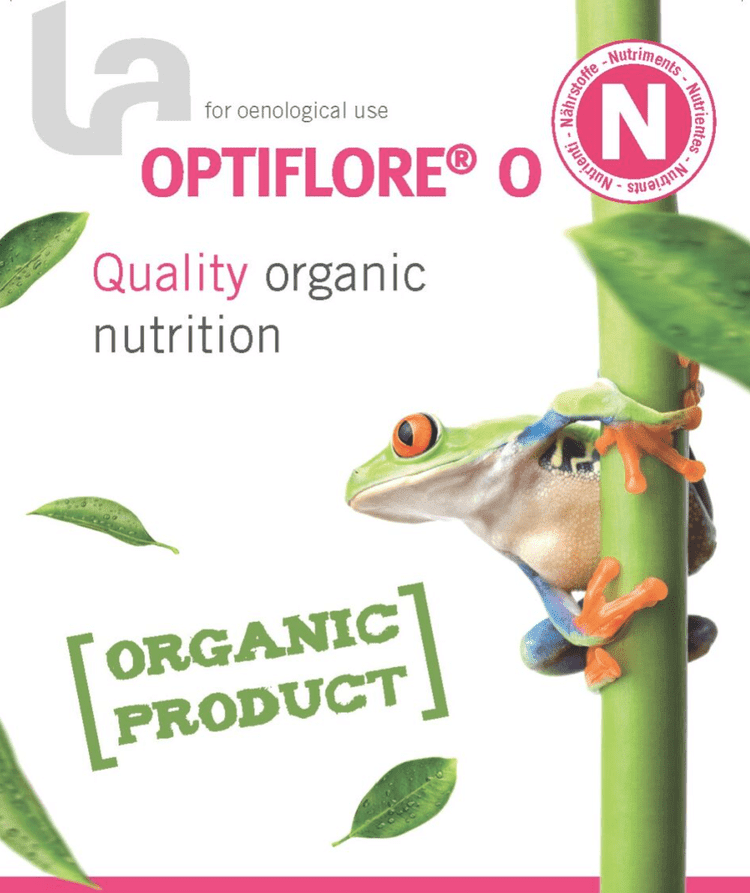
OPTIFLORE® O is a 100% organic nutrient (organic nitrogen is 2–4 times more effective than DAP). Derived from inactivated yeasts, it is rich in easily assimilable amino acids, vitamins, minerals, and micronutrients favoring cell multiplication. OPTIFLORE O supports regular and complete alcoholic fermentation, helps limit heat spikes, and is utilized by yeasts as needed. The use of OPTIFLORE O results in wines with enhanced aromatic profiles and reduced levels of undesirable compounds such as volatile acidity (VA) and hydrogen sulfide (Hâ‚‚S).
3. Overcome Low YAN: OPTIFERM for Extreme Deficiencies
In severe nitrogen deficiencies, pure organic nitrogen may not suffice to elevate YAN to adequate levels for proper fermentation. OPTIFERM® is recommended in such cases, as it is a complex nutrient comprising inactivated yeast, amino acids, sterols, long-chain unsaturated fatty acids, and inorganic ammonium salts (DAP).
 4. Rescue & Protect: Late-Stage Nutrition and Detox
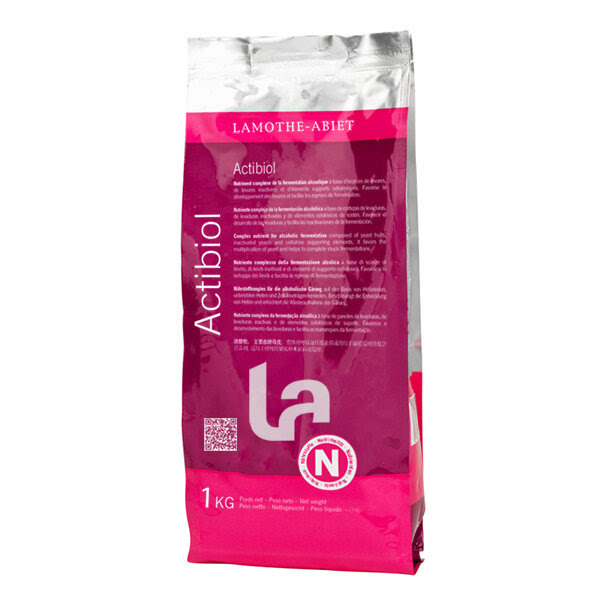
ACTIBIOL® supports yeast health in sluggish or stuck fermentations by providing growth (vitamins, amino acids, peptides) and survival factors (sterols, fatty acids). Its yeast hulls bind inhibitory compounds, detoxifying the must and ensuring fermentation completion. Ideal for restarting or rescuing challenging ferments.
Special Tips for Challenging Fermentations:
- Low YAN (<100 mg/L): Use a mix of organic + inorganic nitrogen (OptiFerm); pure organic may be insufficient.
- High YAN (>250 mg/L): Monitor excessive biomass; add Optiflore O at â…“ fermentation to support yeast.
- Damaged fruit (Botrytis, mildew…): Early supplementation with higher doses of OenoStim and Optiflore O compensates for amino acid and vitamin deficiencies.
- Clarified juice (low turbidity): Add sterols and fatty acids via OenoStim to replace losses.
- Sluggish fermentation: Detoxify with Actibiol before restarting.
- Boost aromas: Use specialty nutrients like OPTITHIOLS (thiol precursors + antioxidant protection) or OPTIESTERS (ester precursors for fruity/floral notes).
Find all our technical resources online including winemaking guidelines, webinars, and more HERE.
We have equipment in stock, please contact your sales rep for pricing, or demo. We also sell certified BV used equipment, view HERE.
Shop everything you need in winemaking products, laboratory equipment, and spare parts on our website HERE.
March 1, 2026
Webinar - Tips and Tools for Rosé WinemakingRosé wines are defined by their color, elegance and freshness. The production of Rosé is delicate and requires controlled and technical winemaking. Independently of the wine style and process used, some steps in rosé wine production are critical. This webinar will focus on management of color, aromas and mouthfeel.
- Importance of harvest decisions
- Pressing regime for fast and qualitative release of juices
- Fining: time to act on phenolic compounds that trap aromas.
- Fermentation: yeast choice and specific nutrition for rose
- Oxygen management from harvest to bottle
With 140 years of expertise, Lamothe-Abiet is one of the first oenological products brand developed in France. We offer a wide range of winemaking and cider making products and are now available in North America.
Date: July 18, 2019
Time: 9.00 AM (PST)
Registration: here
Speaker: Eglantine Chauffour, Product Manager Lamothe-Abiet & Winemaking Solutions, Bucher Vaslin North America
For more information, contact Eglantine Chauffour.
March 1, 2026
Let’s Talk Rosé WinemakingRosé wines are defined by their color, elegance and freshness. The production of Rosé is delicate and requires controlled and technical winemaking. Independently of the wine style and process used, some steps in rosé wine production are critical. This webinar will focus on the keys steps to manage color, aromas and mouthfeel.
- Pressing: management of color and mouthfeel
- Juice Fining: essential step to achieve oxidative stability.
- Fermentation: Focus on aromatic production
- Oxygen management from harvest to bottle
When: April 20th, 9 AM
Register: https://us02web.zoom.us/webinar/register/WN_fwnSGaO4S1am6scEkzU4HA
March 1, 2026
Optithiols: Let’s See the Results…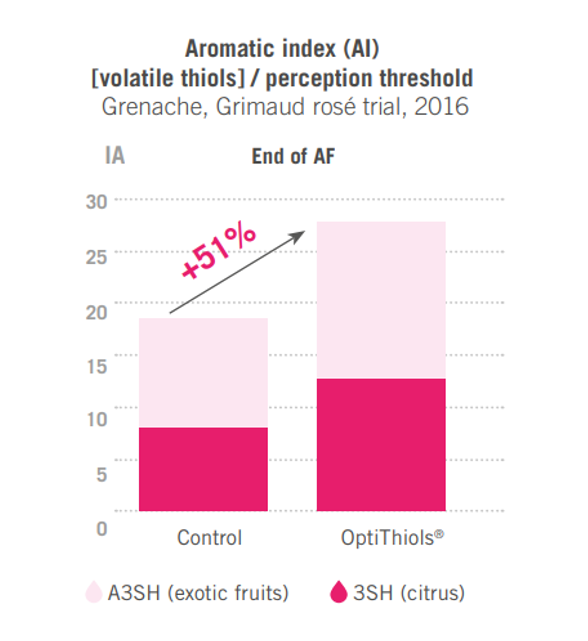 OPTITHIOLS: yeast derivates rich in Glutathione and cysteine derivates for anti-oxidant protection and thiols production.
- Increases anti-oxidant wine potential
- Increases thiolic compounds production by yeast
- Generates a very significant increase in aromas (30 - 120%)
Recommendations:
- Add before or at inoculation
- 15-30 g/hL
“We have been using OptiThiols on our rose to protect juices from oxidation and increase the production of thiols. It is a very reliable product and has become an essential step for our rose production. We saw an impressive impact on aromatic expression and an improvement in the quality of our wine. OptiThiols has been a great addition to our winemaking process!”
-Matthieu Finot, Winemaker at King Family Vineyards
“We aimed to produce a fresh, mineral, thiolic Grenache Blanc, and using OptiThiols made a great difference. We were able to boost the varietal expression of our wine and preserve its freshness over time. OptiThiols has been a true gamechanger to our aromatic whites.”
- Justin Knight, Winemaker at Danza Del Sol
FEATURED LAMOTHE-ABIET PRODUCT
OptiThiols, composed of specific inactivated yeasts rich in cysteine derivates and glutathione, strongly elevates thiol production and preservation. OptiThiols® enriches the must in Glutathione, thus increasing anti-oxidant wine potential and cysteine derivates, used as precursors by the yeast during the alcoholic fermentation to synthesize thiols.
This double role of antioxidant and aroma revelation helps to increase the wine’s aromatic potential, leading to significantly greater quantities of thiols (4MMP, 3MH, A3MH) measured at the end of the alcoholic fermentation.
March 1, 2026
Meet Lea Gresillon: Bucher Vaslin North America’s Sales Manager in Central Coast, California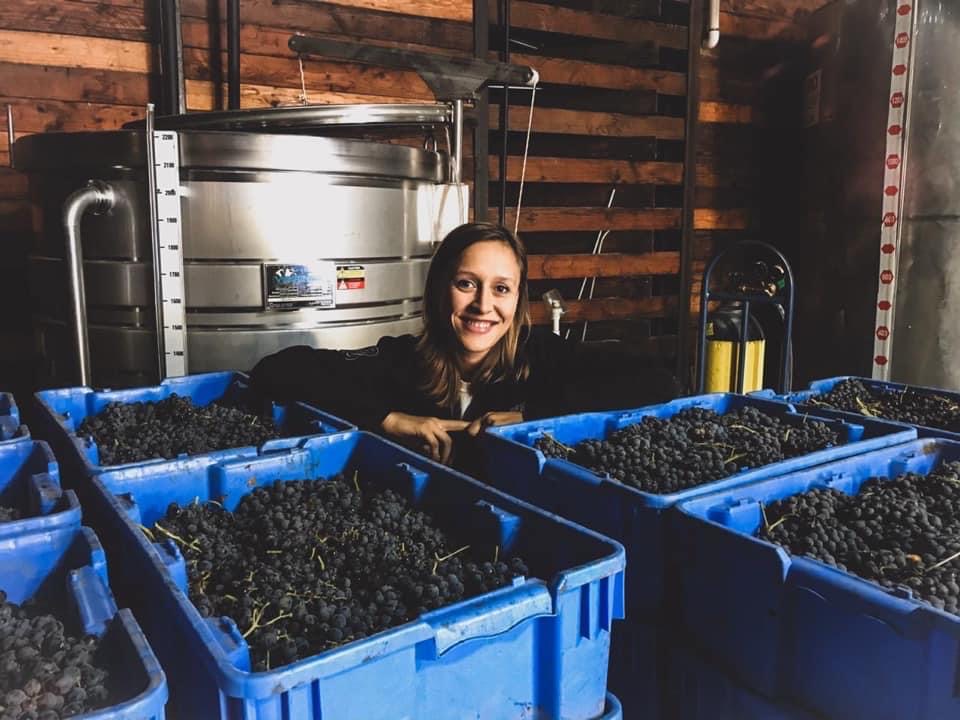 After two years representing Bucher Vaslin North America (B.V.N.A.) in Mexico, Lea Gresillon moved to San Luis Obispo in June 2022.
With a viticulturist grandfather from Loire who has always taught her that everything begins with the land, Lea was bound to focus her interest and her career on Agronomy and the Food Industry.
After graduating with an International Master of Winemaking and Viticulture, Lea worked as a cellar hand, lab enologist, assistant winemaker, and consultant at Château Smith Haut Lafitte (Bordeaux), Santo Tomas (Baja California), Bodega Lurton (Baja California), and Bruma Vinicola (Baja California). After four harvests in Mexico, Lea decided to join Bucher Vaslin North America (B.V.N.A.) in 2021 to focus on developing and supporting the brands represented by B.V.N.A. in the expanding Mexican wine market.
We couldn’t be more excited to bring Lea’s expertise to B.V.N.A.’s growing presence in the Central Coast! Lea is a great technical resource and is available go work side by side with you to optimize your winemaking process. Feel free to contact her at Lea.gresillon@buchervaslin.com or at +1 (805) 835-6403.
About Bucher Vaslin North America:
Bucher Vaslin North America (B.V.N.A.) is a leading supplier for the wine industry in North America. We offer winemaking equipment, products, service, and expertise for the full process of wine production. Our mission is to aid the wine industry with our knowledge and provide the tools necessary to successfully produce quality wine.
March 1, 2026
Registration Open for Bucher Vaslin North America’s Webinar - Wine Phenolic Structure and Color StabilityWe invite all winemakers in North America to join us Thursday, August 4 th , at 9AM (PST) to discuss winemaking tools and practices to protect your wine’s phenolic compounds and improve wine structure and color stability.
Phenolic compounds are an essential parameter in the management of wine quality; they are responsible for color, mouthfeel, texture, stability, longevity, and aroma. Phenolic compounds are naturally present in various forms depending upon grape varieties, maturation conditions, the winemaking process, and wine ageing conditions.
In this webinar, Eglantine Chauffour will cover the chemistry of color stability, the purpose of sacrificial tannins, optimizing phenolic extraction, proactive color stabilization, and improving wine ageing potential. Register for free here.
About Bucher Vaslin North America:
Bucher Vaslin North America (B.V.N.A.) is a leading supplier for the wine industry in North America. We offer winemaking equipment, products, service, and expertise for the full process of production. Our mission is to aid the wine industry with our knowledge and provide the tools necessary to successfully produce wine.
March 1, 2026
Meet Sébastien Marquet: Bucher Vaslin North America’s New Sales Manager in the Pacific Northwest!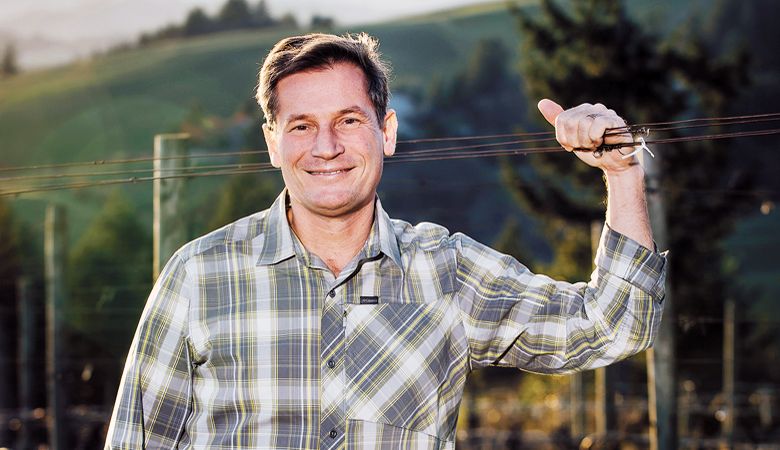 Sebastien Marquet grew up in Burgundy, France where some of his best memories were spent working alongside his grandfather in the vineyard. Sebastien was greatly inspired by his grandfather’s way of life, which led him to pursue winemaking at an early age.
At fourteen years old Sebastien attended Lycée Viticole et Oenologue de Beaune in Burgundy where he received his degree in Oenologie & Viticulture. He, then, pursued his certificate in the Wine and Spirits trade at CFPPA Macon Davaye to learn about the sales and marketing side of the wine industry. Through the 90’s, Sebastien worked as a winemaker in Burgundy and later moved to Southern France to explore growing different varieties.
With a new love for the sea and sailing, Sebastien went to Martinique where he researched and adapted new grape varieties, grafting techniques and trellis systems, and produced the first wine in the Caribbean. After eight years in the Caribbean, Sebastien was ready for his next adventure in Napa, California.
In California, Sebastien spent the following years working as a winemaker and consultant winemaker in Sonoma and Napa and opened his own consulting firm, Wine Consulting Firm, in 2011. In 2018, Sebastien ventured into sales since he found it natural to recommend products and equipment while consulting. During this time, Sebastien worked in Virginia and in California, and ultimately found a home in Oregon where he is reminded of his hometown in Burgundy.
It is important to Sebastien to recommend the best machinery and products to his clients which led him to Bucher Vaslin North America. With Sebastien’s diverse background as a winemaker and consultant, he can help our customers find the perfect solution for their needs. We are extremely excited to have Sebastien on our team as Sales Manager of the Pacific Northwest where we are continuing to grow. Feel free to contact him at seb.marquet@buchervaslin.com or at +1 (503) 457-3602 for any winemaking advise.
About Bucher Vaslin North America:
Bucher Vaslin North America (B.V.N.A.) is a leading supplier for the wine industry in North America. We offer winemaking equipment, products, service, and expertise for the full process of wine production. Our mission is to aid the wine industry with our knowledge and provide the tools necessary to successfully produce quality wine.
March 1, 2026
Let’s Talk Rosé!Rosé wines are defined by their color and their simplicity, elegance, and freshness. The production of rosés is delicate and requires controlled winemaking from harvest through bottling. Pre-fermentation steps are crucial to build wine potential as well as the control of oxidations all along the process such as limiting transfer, using inert gas, using anti-oxidant and anti-oxidasic agents while working with the appropriate equipment.
WATCH OUR WEBINAR ON ROSE WINEMAKING
BEST FOR ROSE WINEMAKING
Excellence TXL- Yeast for balanced rosé
Excellence® TXL produces round wines with great aromatic finesse. It expresses varietal aromas such as thiols and terpenes and produces esters, contributing to floral notes. Excellence® TXL liberates a lot of mannoproteins, thus improving mouthfeel and wine complexity. MORE INFO
OptiThiols - Inactivated yeasts naturally rich in reducing compounds
OptiThiols® is a formulation of inactivated yeasts rich in cystein derivates and glutathione, thus helping to slow down oxidative phenomena and boosting thiolic compounds production during fermentation. MORE INFO
OptiEsters - Inactivated yeasts naturally rich in amino acids and ergosterols
The specific formulation of OptiEster® ensures the availability of the precursors of higher alcohol acetates and fatty acid ethyl esters. OptiEsters increase aromatic intensity, freshness and boost expression of stone fruits and floral notes. MORE INFO
ROSE WINEMAKING RESOURCES
We have various rose winemaking resources available online including high pH rosé, low SO2 rosé, rosé saignee, and more!
March 1, 2026
Alternatives to SO2 to Protect Wine Post-Fermentation – Winemaker’s ToolkitThe harvest hustle is over, and fermentations are finished. Winemakers are now starting to think about maintaining and preserving their wines’ quality throughout the ageing and bottling process.
Over the past few years, everything from wildfires to the COVID-19 pandemic to heat waves and cold snaps have disrupted their standard practices. Many winemakers are bottling earlier to quickly rebuild inventory consumed by unexpected sales growth during the pandemic and the growing consumer demand for younger, fresher wines.
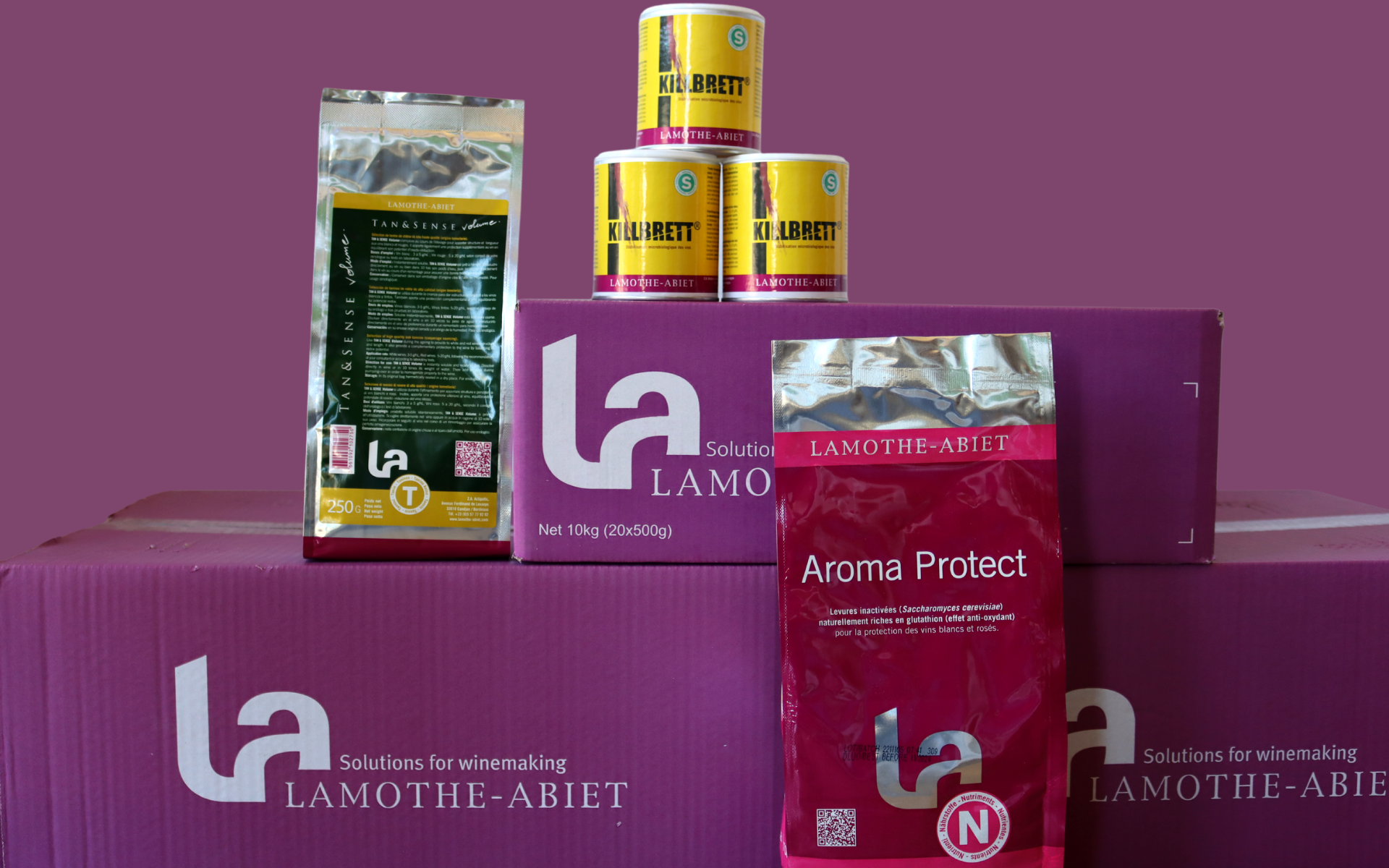
Three essential products to add to their toolkits are Aroma Protect, KillBrett, and Tan&Sense Volume by Lamothe-Abiet, which protect against oxidation and microbial contamination. They are all vegan, allergen-free, and natural, alternatives to SO2, increasingly important to the sought-after Millennials generation.
1. Building natural wine resistance to oxidation
Aroma Protect is a yeast derivates, rich in glutathione. This wine additive focuses on building wine resistance to oxidation and prevents premature ageing (browning, loss of structure, balance, freshness, and off-tastes).
“The main thing winemakers do after fermentation is to add sulfur to wine,” says Eglantine Chauffour, Director of Oenology and Marketing at Bucher Vaslin North America (B.V.N.A.) and Product Manager of Lamothe Abiet. ““We have natural, vegan, allergen-free and efficient alternatives to SO2 available to winemakers, such as Aroma Protect”.
Chauffour recommends adding Aroma Protect to the wine, toward the end of fermentation. Rich in reducing compounds, it releases glutathione (GSH) in the wine, a natural antioxidant compounds, present in grapes and usually consumed during the pre-fermentation and fermentation stages. Adding Aroma Protect allows a release of GSH in the wine which reduces wine redox potential, significantly slowing oxidation and protecting aromas and freshness.
2. Protecting wine from microbial contamination
Microorganisms play an essential role in winemaking. However, foreign microbes can gain a foothold after fermentation and introduce unintended aromas and flavors that range from mousiness to the barnyard smell of Brettanomyces, the vinegary taste of acetic acid, or the stinging scent of ethyl acetate.
“Many winemakers use sulfur to avoid this type of development, but it has many flaws and and doesn’t work in all conditions,” says Chauffour, “so we have KillBrett, a pure chitosan and wide spectrum anti-microbial agent which they can use with or instead of sulfur to control microbial populations. We extract the active molecule chitosan from Aspergillus Niger, a fungus, which is natural, vegan, and allergen-free. It’s amazing to see how nature can provide us solutions; we don’t need to invent new molecules but look around us as nature balances itself.”
Chitosan is a fining agent that binds with microbes, penetrating their cell membranes and making them leak, leading to their death. When the wine is racked, the remnants are left behind in the lees.
Chauffour recommends a preventative approach of adding the KillBrett post-fermentation instead of waiting until contamination develops. “This gentler, more holistic method has less impact on the wine and lowers the cost for the producer. Once winemakers try it, they always stay with it” she notes.
Read our 2021 Microbial Stability article here.
3. Protect wine from oxidation during transfer
The third product Chauffour suggests for post-fermentation is Tan&Sense Volume, an untoasted French oak tannin that protects from oxidation whenever winemakers transfer juice between containers. Where Aroma Protect builds long-lasting protection from oxidation, Tan&Sense Volume delivers immediate protection for a specific step in the post-fermentation process. Adding a small dosage of 0.5-1 g/hL before moving the wine will protect the wine from oxidation that could happen during the transfer.
If you have questions, you can reach out to Eglantine Chauffour at eglantine.chauffour@buchervaslin.com.
March 1, 2026
What’s Happening Post-Harvest?We are arriving toward the end of harvest season… and can finally start to think about resting, preparing the wine for ageing, and also bottling for some wineries! Although the most hectic time of the year is over, challenges can still arise which is why we listed below some resources for post-harvest. We are here to help you throughout any time of the year.
STILL SOME SUGARS?
The conditions toward the end of harvest are usually not at their best… To prevent stuck fermentations and finish clean and safe the fermentation of the press fractions, we have developed a successful, simple and quick approach: an inoculation of the press fractions with 30 g/hL of L.A BAYANUS, simply rehydrated with 30 g/hL of OENOSTIM.
- Dilute in 20 times its weight of chlorine free warm water (104°F) 30 g/hL of OENOSTIM.
- Add 30 g/hL of L.A BAYANUS
- Wait 20 minutes.
- Double volume with wine to inoculate. Wait 40 minutes.
- Repeat. Double volume with wine to inoculate. Wait 40 minutes.
- Add to tank or barrel
March 1, 2026
Join Bucher Vaslin for Our Upcoming Technical Webinars!Í Í ÍWebinars are back! We have been working on helpful, technical topics for you! Join us for our upcoming webinars below.
Let’s Talk Destemmers - 12/06/2022 - 9 AM (PST)
Please join the Bucher Vaslin North America team for our Winemaker Roundtable on Destemming. We will focus on the innovative technic of using inertia to destem with the Delta Oscillys. The panel of winemakers have worked with many varieties including Merlot, Cabernet Franc, Cabernet Sauvignon, Malbec and Pinot Noir and will share their experience of working with the Delta Oscillys destemmer. MORE INFO ON DELTA OSCILLYS
Speakers:
· Stacy Hornemann, Winemaker at Stonestreet, CA
· Landon Donley, Winemaker at Trinchero Napa Valley, CA
· Kiley Evans, Winemaker at 2 Hawks Vineyards and Winery, OR.
· Moderator: Sarah Donley, Sales Manager - Napa Valley at Bucher Vaslin North America.
Control Microbes in Wines with Alternatives to SO2. 12/13/2022 - 9 AM (PST)
Ensuring microbial stability is fundamental for preserving wine quality and avoiding economic losses from spoilage. Capable of developing at any time during the winemaking process, spoilage microbes are opportunist organisms which are difficult to control and eliminate. Recent developments offer winemakers new tools to prevent and eliminate undesirable microorganisms while limiting SO2.
Lamothe-Abiet developed KILLBRETT®, a pure chitosan selective fining agent that reduce the population of spoilage microorganisms such as Brettanomyces, Lactobacillus, Oenococcus, Pediococcus and Acetobacter. It can be used as preventive and curative during wine ageing.
Speakers: Eglantine Chauffour, Oenology Director at B.V.N.A.
Fining Agents: Vegan, Allergen Free Options. 01/24/2023 - 9 AM (PST)
Fining is an essential step in winemaking, helping wine stabilization, and improving wine profile. In this webinar, we will focus on vegan, allergen-free fining agents available in winemaking, their applications and when to use them:
· Options to achieve protein stability
· Fining for microbial stability
· Removing unstable phenolic compound to achieve oxidative stability and color stability.
· Wine profile improvement
Speakers: Eglantine Chauffour, Oenology Director at B.V.N.A.
ALL WINEMAKING WEBINARS AVAILABLE ONLINE
We have many technical winemaking webinars of 30-40 minutes on various topics. Feel free to watch them anytime. Feel free to contact us for any questions.
March 1, 2026
New Webinar - Let’s Talk Bubbles! - 03/07/2023
As the sparkling wine market continues to grow, the consumer demand for quality has followed this trend. Whether traditional, ancestral, charmat or 'pet-nat' method is used for the prise de mousse, the first steps of the winemaking process play a critical role in the pursuit of high-quality bubbles.
This technical webinar will focus on the key challenges and solutions for quality sparkling wine production.
- Different methods of sparkling winemaking
- The importance of base wine in sparkling wines
- The essential steps to prepare for prise de mousse
- How to improve the mousse capacity?
- Final adjustments at tirage and disgorging
March 1, 2026
Join Us for Our Upcoming Webinar to Discuss Mastering Malolactic Fermentation ÍMastering MaloLactic Fermentation - 05/16/2023 - 9 AM (PST)
Malolactic fermentation (MLF) is too often neglected. Let's refresh our knowledge, understand best practices and winemaking options, and learn how to respond to extreme conditions.
Join Bucher Vaslin North America and our special guest, Galdric Nogues, Technical Director of Lamothe-Abiet, for a 40-minute webinar focused on mastering malolactic fermentation. Participants will come away with a better understanding of the parameters impacting MLF, and how to manage it, with best practices and tools for different conditions. The following topics will be covered:
- Malolactic fermentation strategies: spontaneous or inoculated?
- The selection process of MLF bacteria
- Co-inoculation: a great tool for successful MLF
- Best practices for extreme conditions
- 10 minutes of questions & answers
March 1, 2026
Rosé Resources: Everything You Need to Know!Rosé wines are distinguished by their distinctive color and characterized by simplicity, elegance, and freshness. The delicate production process of rosés necessitates precise winemaking techniques from harvest to bottling. Pre-fermentation steps play a critical role in developing the wine's potential, and careful control of oxidations throughout the process is essential. This includes measures like limiting transfers, employing inert gas, using antioxidant and anti-oxidasic agents, and utilizing appropriate equipment.
March 1, 2026
New Webinar: Rosé Winemaking - Essential Techniques and StrategiesWEBINAR INVITATION:
Rosé Winemaking: Essential Techniques and Strategies
Rosé wines are defined by their color, elegance and freshness. The production of Rosé is delicate and requires controlled and technical winemaking. Regardless of the chosen style or method, specific stages in rosé production are crucial.
This webinar will explore essential topics like:
- Strategic harvest decisions
- Efficient pressing techniques for optimal juice extraction
- Fining to address phenolic compounds affecting aroma retention, yeast selection, and specialized nutrition for fermentation
- The meticulous management of oxygen levels from harvest to bottling.
When: Tuesday, May 14, 2024