

March 1, 2026
Will Your Wineries Outdoor Spaces Attract Positive Attention This Spring?Now is the time to think about how you'll use your outdoor tasting & seating areas for spring, summer, and fall. Beautiful landscape draws in customers and temps them to linger long enough to become potential buyers and long time fans.
Your landscape says a lot about your business and is an instrumental part of the “customer experience”. Award winning Allen Land Design provides consultation, design, & implementation for many large and small scale wine industry properties.


For more information call (707) 526-3177.
March 1, 2026
Sustainable Land Design for Your Winery Healthy and vibrant landscapes inspire healthy and vibrant lifestyles. Allen Land Design’s philosophy of enhancing the lives of present and future generations through our work is grounded in the concepts of sustainability.
To us sustainability starts with appreciation and respect for the earth and extends to the particular land we are entrusted to design, build and maintain. Beyond that caring we have an extensive base of knowledge that contributes to each project. While appearance, cost, function and maintenance are always of concern, sustainable practices are overlaid with an intention toward conservation of resources, and careful stewardship of soil, water and life in your environment.
We strive to incorporate methods that build healthy-living soils, cleanse and conserve water, and sustain natural resources:
- Storm water management features
- Climate-appropriate plant palettes, including wildlife habitat plants and edible landscapes
- Landscape designs to enhance passive solar heating and cooling
- Recycled and sustainable material choices
- Green building techniques and landscape coordination on LEED and GreenPoint-rated projects
- Green living roofs and living walls
- Efficient irrigation systems
- Organic and bio-dynamic soil and plant-system management
March 1, 2026
Transforms Your Outdoor Winery Space into the Environment of Your Imagination
Your memorable landscape begins with inspired original design. That design results through collaboration between you, our designers, and the artisans who build the landscape from our in-depth plans. Allen Land Design transforms your outdoor space into the environment of your imagination.
Landscapes reflect and enhance our lives. Great gardens stimulate all the senses, yet are functional and intriguing. Our designers consider mass, scale, line, shape, rhythm, texture, contrast and color. Our knowledge and expertise in design is applied to residential and commercial landscapes.

Allen Land Design integrates comprehensive analysis, classic design principles and innovation. Our well-developed and detailed designs avoid unnecessary costs and anticipate potential problems before breaking ground. We apply a thorough understanding of local climate, natural resources and characteristics specific to the region. Our commitment to you is to contribute creative and well-conceived solutions that will stand the test of time.
For more information call (707) 526-3177.
Visit Allen Land Design
March 1, 2026
Will Your Winery Outdoor Spaces Attract Positive Attention This Spring?
Now is the time to think about how you'll use your outdoor tasting & seating areas for spring, summer, and fall. Beautiful landscape draws in customers and temps them to linger long enough to become potential buyers and long time fans.
Your landscape says a lot about your business and is an instrumental part of the “customer experience”. Award winning Allen Land Design provides consultation, design, & implementation for many large and small scale wine industry properties.

December 16, 2025
Creating Harmonious Landscapes: The Power of Design and Balance
A truly great landscape isn’t just a collection of plants and features—it’s a carefully crafted space where every element works together to create a sense of harmony. At Allen Land Design, we believe landscape design is an art form that blends creativity with function. Achieving balance in a landscape means thoughtfully considering how natural elements and human design interact to form a cohesive, welcoming environment.
One of the foundational principles of a harmonious landscape is balance through scale and proportion. Large trees can anchor a space and create strong focal points, while mid-sized shrubs and groundcovers soften transitions and add depth. When elements are sized appropriately and placed with intention, the landscape develops a natural rhythm that guides the eye and allows the space to feel both dynamic and comfortable.
Unity is another essential component of balance. This is achieved by creating visual connections throughout the landscape—whether through a consistent plant palette, repeated materials, or recurring architectural features like pathways, walls, or seating areas. These subtle repetitions help the landscape feel intentional and cohesive rather than fragmented.
Flow also plays a critical role in how a landscape is experienced. Paths and walkways should naturally invite movement, encouraging exploration while clearly defining how the space is meant to be used. Curved pathways can create a sense of discovery, while more structured layouts offer clarity and order. Thoughtful circulation ensures the landscape feels intuitive and engaging.
Texture and contrast further enhance balance by adding interest without overwhelming the design. Mixing fine and coarse foliage, incorporating hardscape elements alongside soft plantings, and balancing open spaces with layered plant beds all contribute to a visually rich yet grounded environment. These contrasts help define areas of focus while maintaining overall harmony.
At Allen Land Design, we also consider long-term sustainability and functionality as part of balanced design. Selecting plants suited to the climate, soil, and intended use of the space ensures the landscape will thrive over time with manageable maintenance. A well-balanced landscape is one that continues to evolve gracefully, growing more beautiful and functional with each passing season.
Ultimately, a harmonious landscape feels effortless—inviting, purposeful, and connected to its surroundings. Through thoughtful design, careful planning, and an appreciation for both form and function, Allen Land Design creates outdoor spaces that feel as good as they look and stand the test of time.
October 9, 2025
Designing for Drought: Sustainable Landscaping in the Age of Water Scarcity
In California, water scarcity is an ever-growing concern, and as droughts become more frequent, it’s vital that our landscapes adapt. At Allen Land Design, we’re passionate about creating outdoor spaces that not only look beautiful but are also resilient and sustainable. When designing landscapes for wine country or any drought-prone region, the goal is to choose plants, materials, and techniques that conserve water while enhancing the beauty and functionality of the space.
Xeriscaping—the practice of using drought-tolerant plants and water-efficient design—is the cornerstone of sustainable landscaping. Plants like lavender, succulents, and ornamental grasses are perfect for the dry conditions of Sonoma County, adding texture, color, and movement without relying on excessive water. One of our favorites, the California native sage, is not only stunning with its silvery leaves but is also a magnet for pollinators, helping support local wildlife.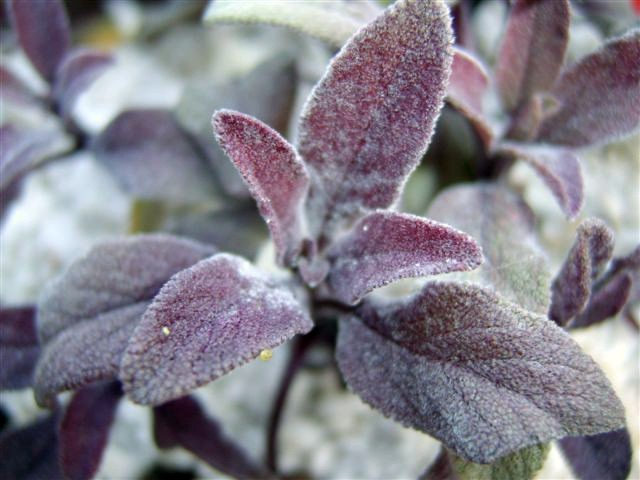
Beyond plant selection, hardscaping plays a key role in water conservation. Permeable pavers, gravel paths, and decomposed granite allow rainwater to infiltrate the soil, reducing runoff and allowing water to reach the roots of plants where it’s needed most. Incorporating rainwater harvesting systems or installing low-flow irrigation systems like drip lines ensures that water is used efficiently throughout the landscape, keeping plants healthy while minimizing waste.
In addition to selecting the right plants and materials, designing a landscape with microclimates in mind is essential for maximizing water efficiency. Creating shaded areas using trees or strategically placed trellises can help reduce water evaporation in sensitive plantings. And grouping plants with similar water needs together—known as hydrozoning—ensures that water is used efficiently and effectively, reducing unnecessary waste.
By embracing these sustainable landscaping practices, you’re not just creating a beautiful, low-maintenance landscape—you’re also contributing to the long-term health of the environment. Water is one of our most precious resources, and with thoughtful design, we can all play a role in conserving it.
Are You Ready to Transform Your Space with Drought-Tolerant Design?
May 20, 2025
The Beauty of Sonoma County's Native Plants: A Guide to Regional Flora
Sonoma County is home to a remarkable array of native plants, each contributing to the rich tapestry of our local ecosystems. These plants are not only beautiful but also play a critical role in sustaining the health of our environment. From the rugged coastal ranges to the sun-soaked valleys of wine country, Sonoma’s native plants have evolved to thrive in our Mediterranean climate—making them ideal for sustainable and low-maintenance landscaping.
Native plants are uniquely adapted to the soil, rainfall, and temperature of their home region. This means they require less water, fewer chemical inputs, and minimal maintenance compared to non-native species. In landscaping, that translates to less work for property owners and more harmony with the environment.
Seven Native Plants Ideal for Sonoma County Landscapes
1. California Poppy (Eschscholzia californica)
Hearty as they are iconic, our state flower thrives in full sun and well-drained soil. Its bright orange blooms are an easy way to bring seasonal color to gardens and vineyard edges. Poppies reseed naturally and pair well with grasses for a wild, meadow-inspired look.
2. Douglas Iris (Iris douglasiana)
A graceful native iris ideal for borders or partially shaded areas. Its violet flowers bloom in early spring and pair well with grasses or other perennials.
3. Manzanita (Arctostaphylos spp.)
Known for its smooth red bark and twisting branches, manzanita offers year-round interest. Some low-growing varieties like Arctostaphylos uva-ursi are ideal as groundcovers, while taller forms can be used as focal points or privacy screens.
4. California Lilac (Ceanothus)
A versatile evergreen shrub that explodes in vivid blue or purple blooms in spring. Ceanothus varieties range from low ground covers to tall hedges, making them perfect for everything from erosion control to privacy screening. Bonus: they attract pollinators and fix nitrogen in the soil.
5. Yarrow (Achillea millefolium)
Yarrow is a hardy perennial with feathery foliage and flat-topped flower clusters that attract butterflies and bees. It tolerates dry conditions and comes in various colors, though native white yarrow is best for ecological integrity.
6. California Fescue (Festuca californica)
This bunchgrass adds texture and movement to landscapes. It thrives in dappled shade and works well under native oaks or in low-water garden beds. Its bluish-green foliage provides year-round structure 7. California Buckwheat (Eriogonum fasciculatum)
A drought-tolerant shrub that blooms with small pink or white flowers, California buckwheat is beloved by pollinators. It’s an excellent slope stabilizer and great for erosion control in vineyard-adjacent plantings.
Native plants also create habitat for wildlife. They provide food and shelter for native birds, butterflies, and pollinators—key species that support local agriculture and vineyards. By incorporating native flora, landscapes become part of a broader ecological network, helping preserve the health and diversity of our region.
For wineries and homeowners alike, choosing native plants isn’t just about aesthetics—it’s a meaningful way to deepen your connection to the land. Whether you’re creating a pollinator corridor, reducing water use, or simply seeking a low-maintenance, high-impact design, Sonoma County’s native plants offer a naturally elegant solution.
Curious about which native plants would thrive in your unique space—or how to design a landscape that’s both beautiful and sustainable? Contact Allen Land Design to schedule a consultation. Our team specializes in creating custom landscapes that reflect the natural beauty of Sonoma County while conserving water, supporting pollinators, and reducing long-term maintenance.
Let’s bring your vision to life!
February 3, 2025
Olives in Wine Country: Beauty, Resilience, and Sustainability
In Sonoma County Wine Country, olive trees are more than just a stunning addition—they symbolize resilience, sustainability, and timeless beauty. Thriving in our climate, these drought-tolerant trees require little water once established, making them an ideal choice for landscapes focused on conservation and longevity.
At Allen Land Design, we see olive trees as more than just a striking feature; they’re an embodiment of our commitment to sustainability and respect for the land. These trees are deeply connected to the soil, their strong roots preventing erosion and helping to preserve the integrity of the land. Their shimmering silver-green leaves and gnarled, weathered bark not only evoke a sense of serenity but also provide shade, privacy, and year-round beauty. Whether planted as a solitary statement piece or as part of a larger grove, olives enhance your landscape while nurturing the environment.
For wineries and private estates, olive trees offer a unique opportunity to produce your own premium olive oil, enriching your property with a connection to the land’s agricultural roots. Their low-maintenance nature, combined with their ecological benefits, makes them a smart, sustainable choice that thrives in the changing climate.
At Allen Land Design, we approach every project with an understanding of the land’s unique characteristics and a commitment to long-term stewardship. With over 30 years of experience, owners Jeff and Anne-Marie Allen bring a wealth of knowledge to every design. We don’t just plant trees—we create landscapes that will endure, thrive, and reflect the natural beauty of Sonoma County.
Let Allen Land Design guide you in transforming your landscape into a place of sustainable beauty.
October 28, 2024
Sustainable Landscaping with Allen Land Design
Healthy and Vibrant Landscapes Inspire Healthy and Vibrant Lifestyles.
Allen Land Design’s philosophy of enhancing the lives of present and future generations through our work is grounded in the concepts of sustainability.
 We strive to incorporate methods that build healthy-living soils, cleanse and conserve water, and sustain natural resources:
Storm-water management features
Climate-appropriate plant palettes, including wildlife habitat plants and edible landscapes
Landscape designs to enhance passive solar heating and cooling
Recycled and sustainable material choices
Green building techniques and landscape coordination on LEED and GreenPoint-rated projects
Green living roofs and living walls
Efficient irrigation systems
Organic and bio-dynamic soil and plant-system management
To us, sustainability starts with appreciation and respect for the earth and extends to the particular land we are entrusted to design, build and maintain. Beyond that caring, we have an extensive base of knowledge that contributes to each project. While appearance, cost, function and maintenance are always of concern, sustainable practices are overlaid with an intention toward conservation of resources, and careful stewardship of soil, water and life in your environment.
Ready to Open the Door to a More Sustainable Landscape ?
January 17, 2023
Landscape Design and Build in 2023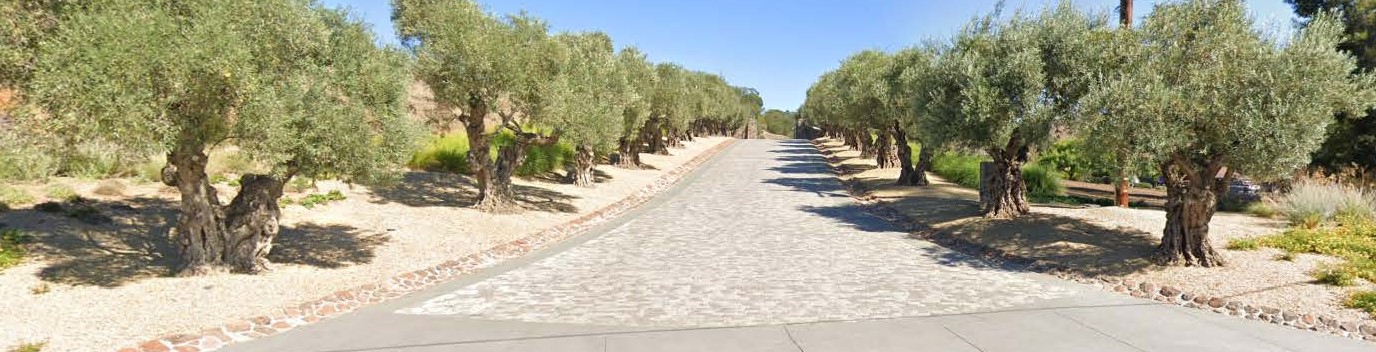
Chalk Hill By Allen Land Design
Wine lovers will be searching for their next taste sensation as well as looking to refresh their palate with favored collections.
A new design and build landscape project incorporating sustainability and green industry standards, will check off all priorities.
There is no better time for planning and creating spaces to encourage the public to visit your outside areas while wine tasting.
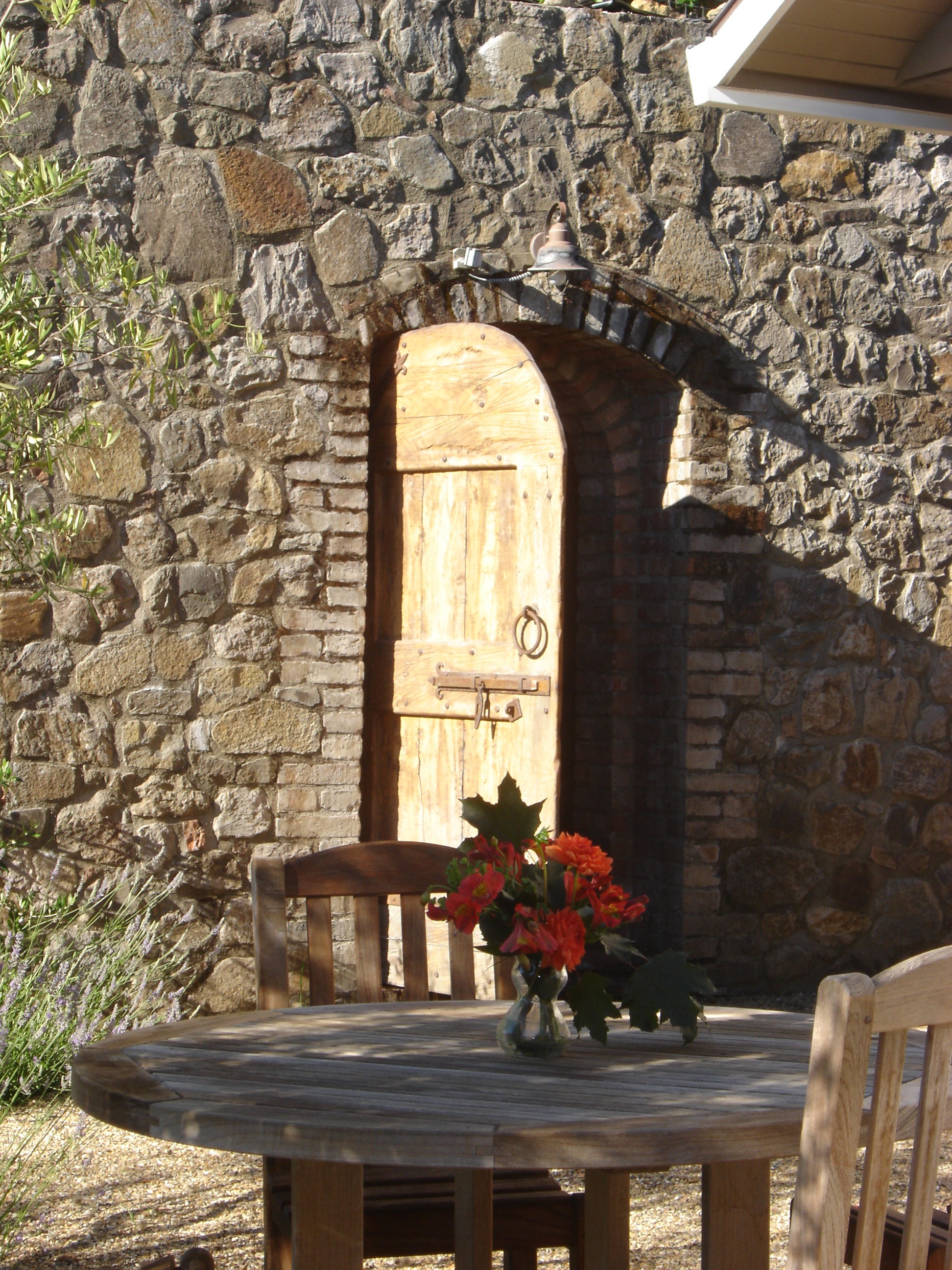 By Allen Land Design
Set the stage for them by invoking curiosity and a sense of adventure. Create outdoor spaces that are grand and refreshing. Consider seating arrangements for a feel of boutique and intimacy.
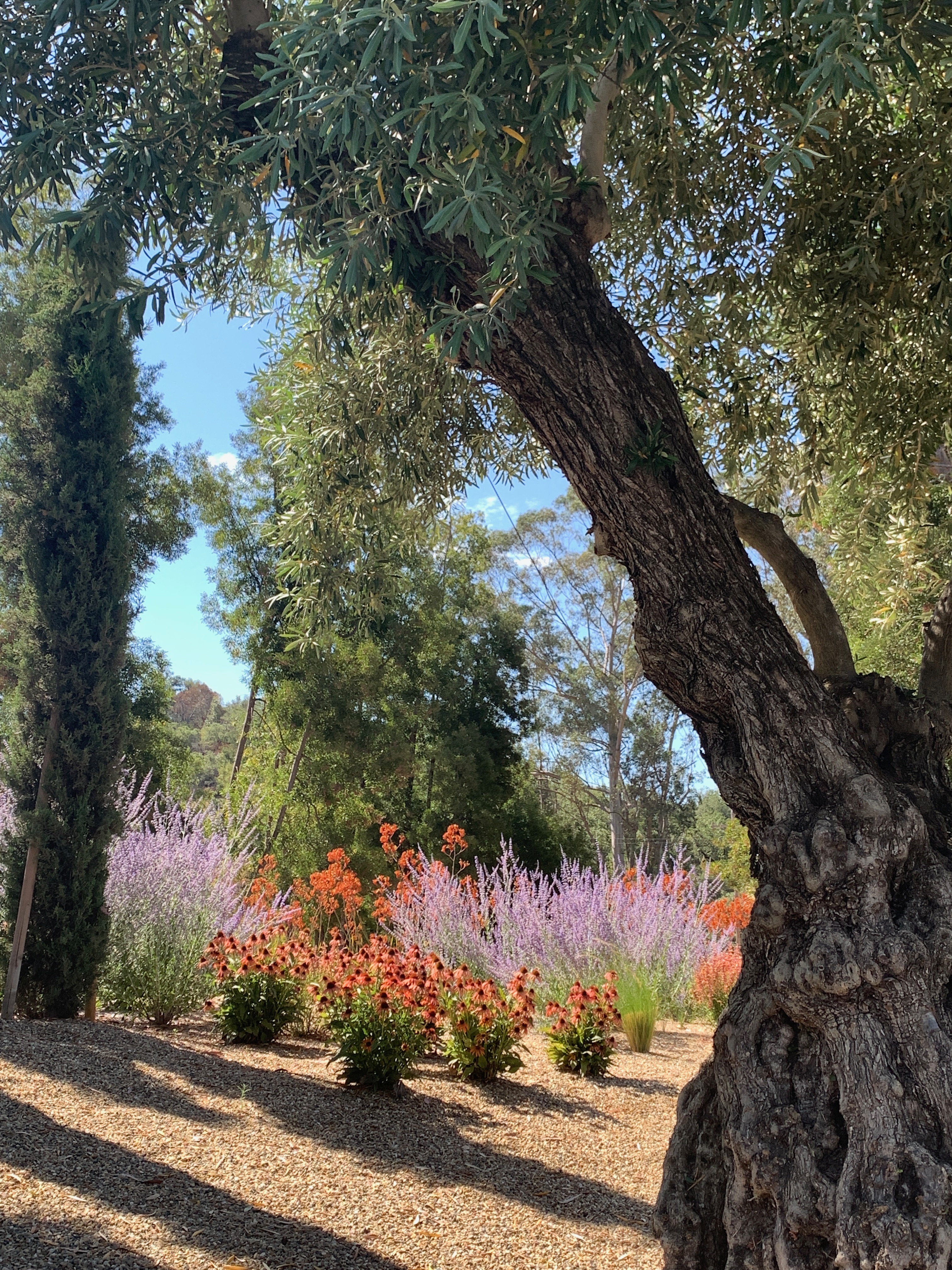
By Allen Land Design
Pick a spot and grow a cut flower garden.
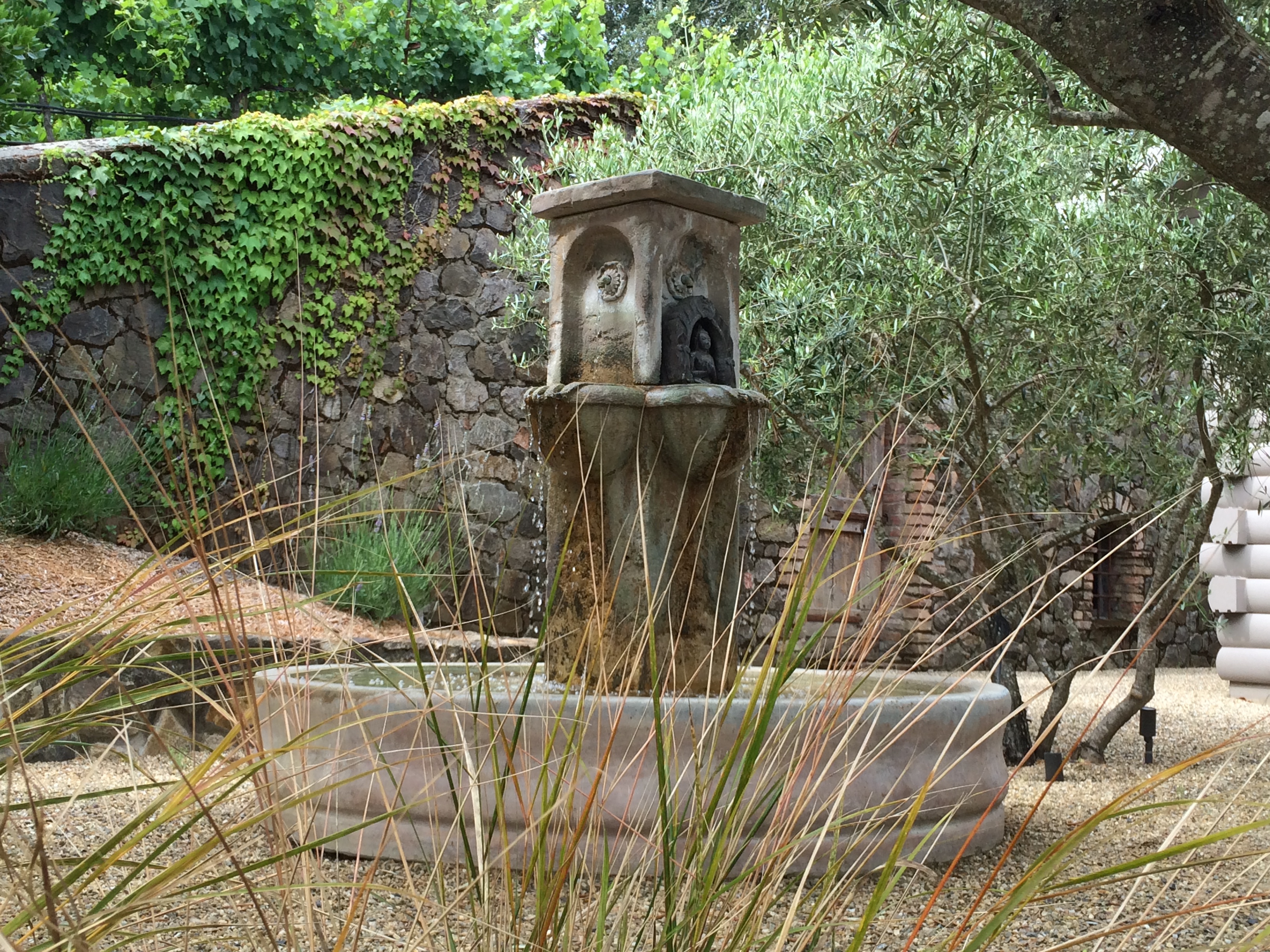 By Allen Land Design
Mediterranean style or a cottage garden theme will captivate visiting tasters and leave a lasting impression.
November 17, 2022
How to Have Lush Environments While Still Maintaining a Fire Protective Barrier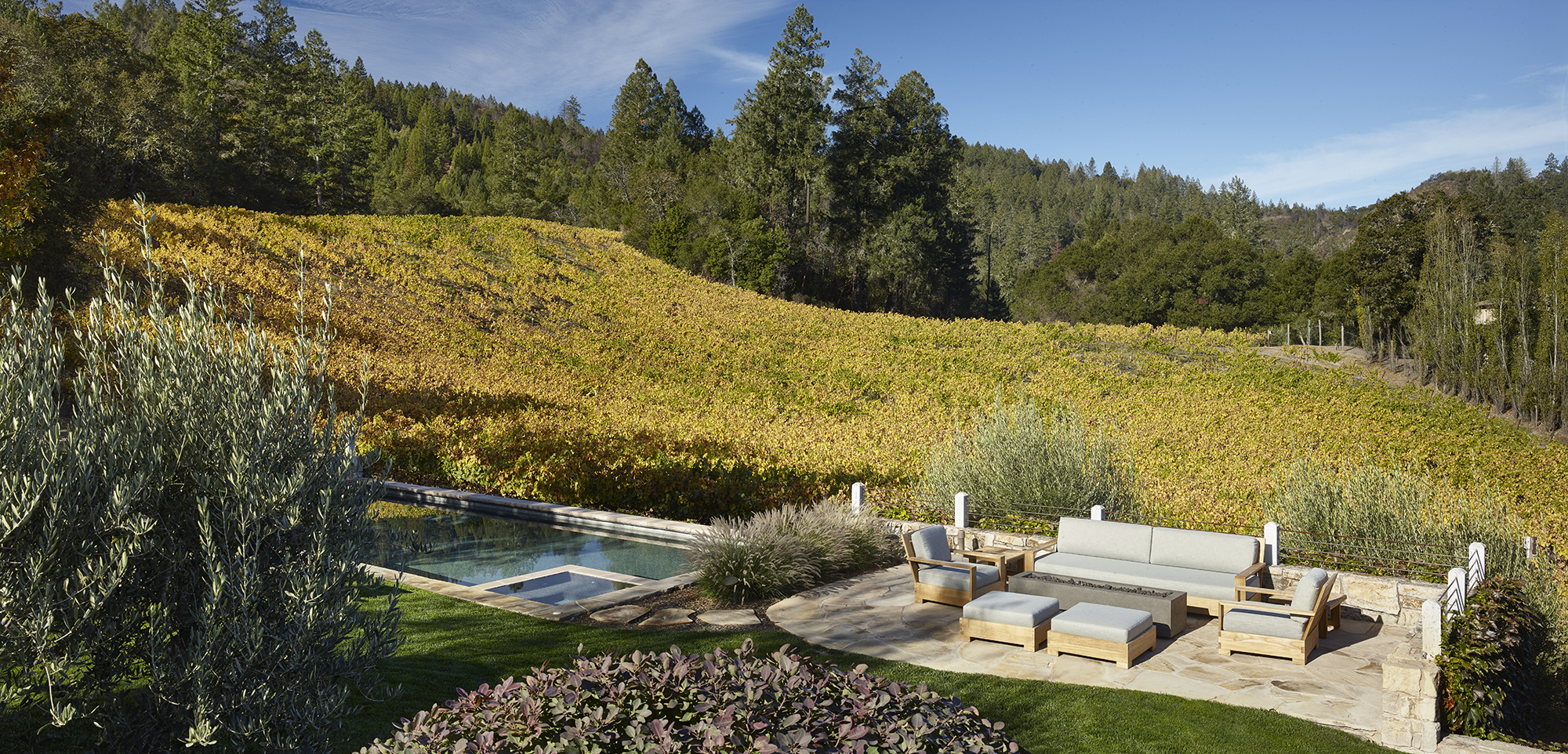
Allen Land Design has been and continues to be proactive in their design approach to enhance lush environments while still maintaining a fire protective barrier.
Pools are possible now if the strategy and design include climate and fire protections.
Incorporating gravels, asphalt barriers and coatings that allow water to easily drain back into the ground is recommended and, with the right design, brings drama and interest to the landscape.
Removing trees like eucalyptus and plants that are less drought tolerant and may fuel a fire is crucial while introducing drought tolerant and fire resistant plants and trees such as Olive trees, Kangaroo Paws and Succulents. Again, it’s all in the design.
Visit our site at www.allenlanddesign.com
September 16, 2021
8 Top Water Saving TipsCheck your irrigation system for overspray and adjust it accordingly.
Cover pools and spas when not in use.
Use drip irrigation or low volume ray heads and a timer.
Scrutinize your watering schedule. Plants and perennials need deep and frequent watering while multiple start times for turf can reduce run-off and waste.
Maintain healthy soil by adding compost and increase water retention by using an organic mulch.
Mow your lawn to 3" - the ideal height for grass, and take the time to aerate as this will also reduce run-off.
Consider losing your lawn and replacing it with drought-tolerant plants or an edible landscape.
Collect and use rainwater and greywater in your garden.
https://www.allenlanddesign.com/blog-articles/top-8-water-saving
May 4, 2021
Reducing Potable Water in the LandscapeAs Northern California finds itself in the midst of yet another drought, reducing the amount of water we're using in our gardens is becoming less of a personal choice and more of a socially and environmentally responsible mandate that we must become part of.
Not only will you see personal benefits to taking steps to cut back on your water use, but you'll also be helping to steward this shared and precious resource, ensuring that our region will remain verdant and sustainable for future generations.
More immediately, by reducing your water consumption you'll be complying with any water restrictions and you'll also see a reduction in your water bill. You can also earn LEED points when you take steps to reduce water use. Undertake several energy and resource saving measures and your home or building can achieve LEED certification.
To address the issue of water overuse in your landscape, we recommend considering one or more of the following:
Audit or adjust existing irrigation systems
Reduce or replace turf areas
Use plants that require low water
Professional hydrozone design
Water-efficient irrigation equipment for new and retrofit projects
Organic sheet mulch systems for fertility and water retention
Water catchment is another area to address when evaluating your current and potential water efficiency. Cisterns to harvest rainwater can be above or below ground and often double as a decorative garden feature.
When designing your garden, use permeable surfaces, both as attractive features and as a way to slow and sink water for later use by deep-rooted plants, to reduce run-off to over-burdened storm drain systems and to filter potentially polluted water.
Finally, implement a system to recycle your gray water for use in the garden. Legislation is currently being worked on that will make it easier and simpler for homeowners to collect and re-use their grey water, so in the very near future "throwing away the bath water" could become a completely archaic expression.
January 20, 2021
ALD becomes an HGTV Portfolio Designer
Allen Land Design now featured as one of HGTV's Portfolio Designer companies!
To view: Click Here
ALD portfolio submissions are listed under designers: Jeff Allen, Sierra Hart and Anne-Marie Allen.
Let Allen Land Design work their magic on your outdoor space!
January 20, 2021
What We've Been Up ToHere are just a few of the many projects Allen Land Design has been working on. To learn more visit us at http://www.allenlanddesign.com/ .


