


March 1, 2026
Copper Peak LogisticsMarch 1, 2026
We Were Right: Millennials are Changing the Wine Market!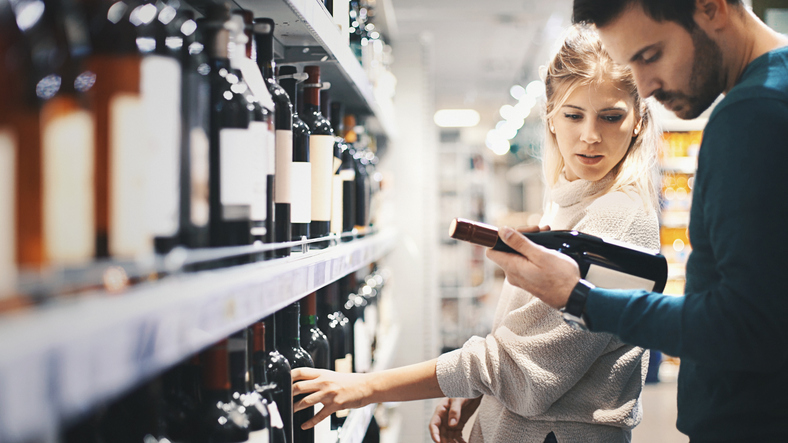
In 2015, we published some materials that predicted, in part, that Millennials were a growing segment in the wine market—and that with their entry into the market would come a change in consumer behavior toward brands and the wine experience.
After listening to the Silicon Valley Bank 2017 Wine Report (SVB report for short), I was relieved to hear that we were, by and large, right…. But who’s gloating?
The ways in which Millennials are changing the market are sometimes subtle, so it is easy to miss some of the trends. It might be worthwhile, then, highlighting what is happening…and what forward-thinking wineries are doing about this demographic shift.
The Growing Millennial Market
Looking across generations, Baby Boomers are still the largest segment of U.S. wine consumers, making up 41% of the total market. But their share is declining: Just four years ago, they were 44% of the market. By contrast, both the Millennials and Gen-Xers grew in terms of share of the DTC market. We predicted that their market share would grow over the years and see no reason why this trend would reverse in 2017.
Brand Loyalty
At the 2015 Direct to Consumer, Wine Symposium, we hosted a user group panel on the very subject of Millennials in the market and followed that up with our whitepaper. “Socially, Mobile, Millennials: Farming for the Future User Group.” There we quoted Susan DeMatei, owner of WineGlass Marketing, on brand loyalty across generations:
“We observed that while Baby Boomers would stay attached to a brand once they were familiar with them; [they were] high loyalty (I’m a ‘Chevy’ guy, I’m a ‘GMC’ guy, etc). On the other hand, Millennials have grown up with technology, cable TV, etc. They were born with more choices in everything. ‘They have A.D.D.’ so they are always on the hunt for the next ‘thing’, always.”
These claims were borne out in the SVB report, which noted that “Per capita consumption faces crosscurrents, with retiring wine-loyal baby boomers being replaced by less affluent millennials who seem to be ambivalent about their alcoholic beverage of choice.” This seems to match what we’ve heard elsewhere in the industry, too.
Restaurant Consumption
The SVB report also noted that restaurant consumption of wine was down in 2016. While there are many factors contributing to this, Millennial behavior is part of the story. To quote the SVB report:
“Our frugal millennial consumers don’t want to pay restaurant wine markups. They know they can buy a bottle of wine at the store for less, so in the restaurant, they are more likely to satisfy their consumption needs by starting with a beer or cocktail and having a glass of wine with dinner. More baby boomers are retiring and living on fixed incomes, and that influences their restaurant beverage choices, as well.”
Another sign of the impact from Millennials: Red varietals and blends above $25 were the only growth category for restaurant channels, growing at 1%. These tend to be favored by Millennials, so this growth might be a further indication of Millennials’ rising market power.
Millennials are Experimenting
Another aspect of Millennials that we picked up on was that they experiment. “Millennials are willing to try new things (growlers, wines on tap, etc.). Think of different and new ways of doing things,” says DeMatei.
It appears that Millennials are also demonstrating a willingness to substitute (Craft beer and spirits for wine, for example). They are price conscious and quality conscious more than brand loyal or product loyal.
Remarking on Millennials’ entry into the wine market, the SVB report notes that “millennials are no different [from Baby Boomer or gen-Xers], but they have the added advantage in their formative years of the digital age, which allows them wider selection, better pricing information and greater ease of purchase.” In other words, they are both accustomed to choices and expect good deals. No wonder they experiment.
But this isn’t indicative of an “I’ll try anything” attitude. Patrick Sullivan, a DTC general management executive, told us in 2015 that “Millennials are ‘fantastic testers’ and they will find all flaws in the entire chain (from e-com to receiving of product), so be prepared to address their concerns.” Their experimenting really is testing to see how they can get the best experience for the best price. And as the SVB report notes, “Perfect digital price information in the hands of a thrifty consumer is a nightmare for marketers.”
Some Final Thoughts
The Millennials’ influence on the marketing is small but growing. Baby Boomers still dominate, and so go-to-market tactics still have to work for them. Smart wineries, however, are making changes in anticipation of the growing Millennial market.
What kinds of changes? Here are a few we’re seeing:
More DTC sales channels, and improved experiences surrounding them
- More investment in technology
- Moves to provide a seamless experience between the tasting room and DTC sales
- Better attention paid to packing and packaging
- More concern with “the final mile” of delivery
- Marketing that is crafted around authentic stories
- Much more social media engagement
- Better content curation and sales history tools
If you would like to explore some of these options for your winery—for example, packing ideas, DTC sales, or “the final mile”—contact us. We specialize in craftsmanship fulfillment for the wine industry, and we would love to start a discussion.
March 1, 2026
Keeping Summer Deliveries Cool: Food and Wine Shipping OptionsThough summer is still months away, companies may well be into their planning for summer shipping. Summer deliveries are a unique challenge for the food and beverage industry, particularly when it comes to wine shipments. The heat can easily spoil an entire truckload of goods if you do not plan appropriately. Otherwise, you’ll be postponing shipments of those tasting room and wine club orders…and who wants to wait four months for their order?
So what options currently exist for summer deliveries? And what are the pros and cons of each? Here is a quick look at the most common alternatives.
Ice Pack Shippers
Ice pack shipping has been the traditional way of maintaining a package’s temperature during transit. There are a variety of ice pack choices available depending on your product’s temperature needs.
Ice Pack Shippers: the Pros
- Helps maintain a consistently cool area around the product
- Can be used from any shipping location
- Ice packs can stay with the product up through “the last mile”
Ice Pack Shippers: the Cons
- New shipping boxes needed
- The Ice packs can be costly in and of themselves
- Increases the bulk of packages, which can increase the cost of transportation based on DIM weight. See our upcoming Blog Post on this topic.
Warehousing Inventory in Multiple Locations
A second option lets you reach distant customers via ground shipping more quickly by warehousing some stock in a second, more central location. For example, Copper Peak offers warehousing and shipping from our centrally located St. Louis facility. This also means that your products spend fewer continuous trips in potentially hot trucks.
We discuss the option of multiple facilities at greater length in this post. With considering warehousing in multiple locations for summer deliveries, keep in mind the following:
Multiple Locations: the Pros
- Decrease shipping time without paying for air freight
- Faster delivery to market while improving the customers’ experience
- Use of ice packs shippers can be added for additional protection/ peace of mind
Multiple Locations: the Cons
- More lead time needed for sending products, packaging, and marketing collateral to the additional location(s) unless you are sourcing products close to that location
- Production forecasting for kit builds and order processing will be needed for all locations
- Inventory management and movement will need consistent attention.
FedEx Cold Chain
Your third option is with FedEx Cold Chain service from California. Packages are picked up by FedEx Supply Chain Transportation and delivered to their consolidation point and mixed with other FedEx Cold Chain clients. Packages are arranged by recipient zip code location and are placed on FedEx Supply Chain temperature-controlled line haul trucks to be delivered to any of six different FedEx hub locations around the country. Cold chain can be used in conjunction with FedEx Delivery Manager or the FedEx, “Hold at Location” (HAL) services.
FedEx Cold Chain: the Pros
- Closely monitored temperature-controlled line haul vehicles
- Live tracking through FedEx.com
- Packages deliver via the FedEx Express Delivery Network, typically by 10:30am, to beat the summer heat
FedEx Cold Chain: the Cons
- More expensive than ground service (though a little less than the typical FedEx 2Day air service)
- Follows a once weekly pickup/ delivery schedule.
- Reroutes, redirects, address changes will delay shipments and keep packages from delivering in a timely manner
Zone Skipping
A fourth option to consider is zone skipping. This is where a shipper consolidates many individual packages, holding them until the number of items reaches a full truckload. Those items are then sent together from one zone (location) to another. For example, Shipping from Napa Valley/ Sonoma Valley might be in UPS/FedEx Zone 2, while New York is in Zone 8. Shipping directly from Zone 2 to Zone 8 via consolidated truckload would be zone skipping. From New York, the shipments would be inserted into the UPS/FedEx network and ship from that locations zone to the delivery recipient zone. This will change a zone 8 shipment to a Zone 2 or Zone 3 shipment. The idea is to eliminate small package movements one at a time and insert a consolidated move of many packages across the country for a potential savings. Copper Peak calls this the Zone 78 program.
Zone Skipping: the Pros
- Orders can be processed for each hub location drop in batches for bulk load onto pallets
- Great for pre-kitted club shipments
- Reduces Zone 7 or Zone 8 moves from California to Zones 2 or Zone 3 from an eastern hub facility
Zone Skipping: the Cons
- There is no tracking visibility until a package is scanned at the forward hub location
- Zone skip packages often take up more space and require additional pallets/trucking to move the same amount of volume than case goods
- No ability to add ice packs at forward hub locations
Weather Holds
As a last ditch effort, you can always put orders on hold during the hottest times of the year. Your customers won’t likely be happy with the delay, but better to have an order arrive late and safe than have it arrive spoiled. Still, we find that the above options are worth the investment in terms of customer experience. It is money well spent.
March 1, 2026
Winery Do-It-Yourself Fulfillment vs. Outsourcing: Things to Consider in DIY Evaluation Outsourcing non-core business activities has quickly become a mainstay in the business world as companies of all sizes strive to find ways of cutting back internal operating costs without hindering service and quality to customers. When examining wine direct to consumer (DTC) order fulfillment services, an overwhelming majority of wineries choose to outsource to a third party logistics (3PL) provider. Those wineries not embracing the practice are typically married to some simple motivations, characterized by the following:
- We can do it cheaper ourselves.
- I don’t want to lose control.
- I have special needs that can’t be addressed by outside providers.
These perceptions are certainly common, but can be properly addressed by taking an unbiased and objective approach to considering outsourcing. Added to the mix are the multitude of intangibles a 3PL provider can bring, which adds up to a compelling argument in favor of working with a 3PL. Let’s look closer at these areas.
Comparing Costs
Completing a true apple to apple benchmark comparison of your internal cost as compared to outsourcing is the key starting point. It is important to ensure effective financial analyses using true total costs for warehousing, order fulfillment processing, returns processing, freight, administration, and other functions. These costs should be evaluated on a per order and per unit processed basis. To arrive at these numbers, we suggest using actual, fully loaded, direct and indirect costs including labor (recruiting, benefits, payroll taxes, vacation/overtime pay), warehouse space (prorated rent or mortgage expense, utilities, equipment, real estate taxes, insurance), actual freight (including fuel surcharge, trailing accessorial surcharges), software and IT support (including data manipulation, data entry, communications, equipment), and packaging materials. You may find that your internal costs are far higher than you think.
Control & Visibility
You don’t have to lose control when using a reputable 3PL, in fact it should be just the other way. 3PL’s are driven to adopt best practices in IT systems, warehouse processing, and customer service. Wineries can take advantage of these investments to provide real time visibility into on hand inventory, orders, compliance, reporting, and complete customer detail and history to deliver transparency and peace of mind. If you don’t find these services readily available in your review of 3PL capabilities, you need to keep looking.
Special Circumstances
We hear many reasons why someone feels they can’t outsource. Sometimes they are right, but more times than not they haven’t asked the right question of the right party. Good 3PL’s are in the business of providing value added services. Consider them the “we fix it” people whose job it is to find solutions to simple and/or complex problems. Perhaps they can find a way to solve your inventory availability and local transfer problem, or can integrate your club system with the fulfillment and compliance solutions they already support. Put the burden on them to find a solution tailored to your needs.
Once you have completed these assessments, consider these factors as well:
- Scalability – One of the considerable advantages to using a 3PL for DTC shipping is the ability to scale up when needed, then go away until needed again. The term “scale” of course goes beyond pick and pack order processing capacity. Spikes in order processing create a trail of associated complexities like returns, redirects, address corrections, and the like…activities that fall under the umbrella of customer service and need to be attended to promptly, thoroughly and professionally for the benefit of the overall customer experience.
- Volume Aggregators – One of the financial advantages of using a 3PL for DTC shipping is the ability to take advantage of the provider’s discounts on freight and packaging. As an aggregator of volume, 3PL providers have negotiated aggressive freight rates and packaging costs that create savings that can be passed on to its winery clients. They are typically conducting these negotiations with much greater frequency than are wineries on their own, and therefore should have the best value proposition.
- Gain Their Expertise – Good 3PL’s are experts at what they do so you should be gaining access to all of their experience and wisdom. They will know the best, most efficient and cheapest way to store and ship your products. If you have more than just wine to take care of, find a 3PL that can handle products beyond just alcohol.
- Less Is More – Outsourcing by design is meant to remove headaches, bottlenecks, and allow your internal staff to focus on their core competencies. Your staff is your most valuable asset, so why not have them focused on activities that can move the business forward.
Copper Peak Logistics (CPL) provides flexible 3PL services to the wine industry. We can assist in completing the analysis of in house cost as compared to outsourcing and can provide general logistics consulting advice. We routinely look for out of the box solutions for winery clients, and enjoy sharing our expertise and success stories. A concept pioneered by CPL is Wine Club Mobile Processing, not unlike mobile bottling lines, which is “DIY with help”. In cases where a winery can’t take advantage of a traditional outsourcing arrangement, CPL can provide all the necessary processing equipment, labor, and software systems to complete wine club pack out on the winery premises, where the winery benefits from the integrated technology, volumetric discounts, and the overall reduction in moving parts. Contact us today for more information.
March 1, 2026
Copper Peak Logistics is Growing & Hiring for an Account ManagerCOPPER PEAK LOGISTICS, Napa Valley’s premiere direct to consumer wine fulfillment and logistics company, is looking for an ACCOUNT MANAGER (AM) to join our growing team. This position reports to the Director of Client Services and will be based in our American Canyon headquarters. We are looking for a high energy, team oriented person that posses a strong desire and work ethic to be the best in the business. The ideal candidate will have wine industry experience and a demonstrated track record of providing superior client services and account management, along with flawless communication skills, a sense of urgency, and a consultative approach to drive value added thinking that helps Clients grow their brands.
Along with your résumé, please include a cover letter explaining your experience as it relates to this position and industry, and your compensation and benefit expectations. We WILL NOT review any resumes without ALL of the requested information.
OVERVIEW
The Account Manager (AM) will be responsible for managing and performing the support activities and tasks of designated Client fulfillment and distribution accounts, including daily oversight of order flows, inventory management, resolve sensitive Client issues thoroughly and timely, and assist in various company initiatives, such as the roll out of new products or solutions. In addition, the AM must be able to understand Client business objectives such that they can ultimately ensure that Clients are satisfied with the overall services provided by CPL.
ESSENTIAL RESPONSIBILITIES
• Develop a comprehensive working knowledge and understanding of all systems, processes, and methodologies utilized by CPL to provide services to Client accounts.
• Become proficient in the CopperLink, INFOplus, and Ship Complaint software systems used to support Client accounts.
• Provide daily oversight of direct to consumer (DTC) orders flowing from various web services portals, data bridges, and entered directly into CopperLink to ensure they are received by CPL for processing.
• Provide inventory management oversight, including consultation regarding transfers, receiving, low stocks, backorders, and storage.
• Coordinate shipping requirements with CPL Operation staff, and ensure Client expectations are internally communicated in a timely and accurate manner, and where conflicts may arise, assist in working with Clients to schedule workload.
• Support on-going reporting needs and respond to ad hoc Client reporting requests.
• Provide secondary back up support all CPL accounts as directed.
• Establish and maintain a complete understanding of direct to consumer wine shipping laws and regulations to ensure our Clients are compliant with current state and federal legislation.
• Conduct periodic account reviews to build Client relationships and insight.
• Conduct new account implementations and Client training on CopperLink.
• Assist in support for new business development by participating in sales calls, sales presentations, industry conferences, and demonstrations of software solutions.
• Develop a basic understanding of CPL pricing strategies and contractual requirements.
MINIMUM REQUIREMENTS
• 3-5 years client service experience in logistics directly related to customer service/client services order management and fulfillment.
• Strong knowledge of and passion for fine wines, previous experience in the wine industry preferred.
• Support our Clients through informative and clear communication, complete follow through and proactive problem solving.
• Must multi-task, be quick to respond, and demonstrate a high level of competency in the subject matter.
• Solid communication and interpersonal skills. Must have strong command of the English language both oral and written.
• Operate office equipment including computers and be proficient in Microsoft Word, Excel, as well as experience with UPS, FedEx, and GSO tracking and shipping management.
• Establish and maintain effective professional working relationships with all Clients and internal CPL employees.
• Be able to multitask, promote teamwork, and be willing to work in the trenches, when necessary, and help in any area.
• Four year degree in related field is preferred.
ENVIRONMENTAL CONDITIONS
The majority of the time will be spent in an office environment with the possibility of assisting in the warehouse when needed. The warehouse environment is temperature controlled to be below 65 degrees. Working in the warehouse will require extended periods of standing and the possibility of lifting up to 50 lbs.
For consideration please sent application to Terri Grace
March 1, 2026
Marketing Wine to Generation X: Why Do It, And Why DTC is the Way to Go For years now we’ve heard about the need for wineries to get on board marketing to Millennials. (We admit that we may have had something to do with that.) While that’s not a bad idea, there’s a lot of data suggesting that now is the time to focus on the generation between Millennials and Baby Boomers: Generation X.
This generation has been largely ignored by marketers across many industries, mostly because it is relatively smaller, has less buying power than the Boomers, and (in the case of wine) showed an early preference for cocktails and craft beer.
But we’ve come to think that ignoring them would be a huge mistake for wineries. In fact, Generation X might be the key to building a robust DTC channel, if you get the experienceright.
Generation X Has Changed…And Loves Wine
The average Gen Xer is now in their late 40s or early 50s. As a group, they earn roughly 31% of total US income, with annual incomes now surpassing that of Baby Boomers and the national average. Even though it’s a smaller group than the other generations, they had a relatively easier time building wealth and establishing themselves, and they are now at an age where they are spending that wealth on the finer things.
When it comes to wine specifically, Silicon Valley Bank’s State of the Wine Industry 2018 report predicted that Generation X’s wine purchases will surpass those of Baby Boomers by 2021—both in terms of volume and in terms of dollars. It turns out that Generation X’s tastes have indeed shifted toward wine… and they do love the premium stuff.
So let’s assume that a winery wants to pursue this market more strategically. What would be the key to unlocking it?
Reaching Generation X through DTC
When it comes to marketing to Generation X, most wineries already have the tools they need—or can get them easily. Straddling the older and younger generations, Gen Xers respond to a mix of old school service-and-a-smile and today’s digital tools.
Let’s take the digital angle first. Generation X is online and on social media just as much, or more, than any Millennial:
- Gen Xers spend almost 32 hours a week toggling between all media, compared to about 27 hours for Millennials and about 20 hours for the 50-and-older set. This includes seven hours each week (on average) on social media.
- 56% of people in Generation X prefer to shop online. When they do, they tend to rely on review sites (like Yelp) for reviews and information.
- 7 in 10 Gen Xers will likely purchase something from a brand they follow on social media. Slightly more than half will follow a brand on social media before making a purchase.
In other words, Generation X is no stranger to digital platforms. They like to discover and follow brands online, shop online, and leave reviews online for others.
But this penchant for online shopping is not just mercenary. People in Generation X do tend to be extremely loyal to brands, and they appreciate honesty and transparency in their business interactions. They also appreciate having a good purchase experience.
This suggests a few things:
- A functional eCommerce store could be a gold mine, if it makes the purchase experience easy and pleasant. (See our interview with Andrew Kamphuis for some tools to do just that.)
- Wine clubs and loyalty programs are a good idea with this cohort. Their brand loyalty means longer times in the club, and less attrition.
- Although they spend a lot of time on digital, Gen Xers do respond to direct mail too—all the more reason to use wine deliveries as another marketing channel. For example, you can include with every package a wine catalog, a discount coupon, or some other promotion for your winery.
- Experience is a big deal, so you should pay some attention to the unpacking experiencearound your wine shipments.
- In order to do any or all of the above, you’ll have to spend some serious time thinking about your DTC channel. You will also want to choose your DTC wine shipping partner carefully, making sure they can help create the delivery experience that will matter greatly to this generation.
If you liked this information, you should check out our latest eBook, “Where is Wine Shipping and Fulfillment Going? The Trends You Need to Catch to Grow Your DTC Wine Sales Channel.”
March 1, 2026
Copper Peak Logistics Names Meghan Letters as Account Manager Napa, CA – July 1st, 2014 – Copper Peak Logistics (www.copperpeaklogistics.com), the trusted name in winery direct to consumer fulfillment, logistics and brand building services, announced today the addition of Meghan Letters to the Client Services department in Napa. Meghan will be joining the team as an Account Manager reporting to Merilee Anderson, Director of Client Services. Her responsibilities will include client support, account development, and preserving the hands on service CPL is known to deliver to its customers. Letters comes to CPL from West Coast Wine Partners in Sonoma, where she helped rebrand the wine clubs for Valley of the Moon and Lake Sonoma wineries and she previously represented Oregon's Montinore Estate as Regional Sales Manager.
“We are very pleased to have Meghan join the CPL team” said Milton Cornwell, General Manager of CPL. “Meghan has held a variety of positions in the wine and craft beverage industry, most of which have been focused on direct to consumer sales, building brand awareness, as well as developing relationships and marketing activities for the wholesale and direct channels. As such, she is comfortable with ecommerce platforms, CRM applications, logistics, and social media marketing. We feel her skills and experiences blend perfectly with the foundation CPL has built in delivering industry leading solutions through best in class technology, operations and customer service.”
"CPL has the reputation, not only as a trusted partner for the wine industry, but as a savvy team of true logistics professionals," Letters added. "Their focus on building brands through progressive technology and creative logistic solutions is exciting and I look forward to working at their high standard of customer service. I have always admired their client centric approach and am honored to be joining the team."
Letters joins the Napa team this week and will begin assisting current winery clients in their direct to consumer fulfillment needs immediately.
For more information, contact Milton Cornwell, General Manger of Copper Peak Logistics at (314) 692-9555 or mcornwell@copperpeaklogistics.com.
About Copper Peak Logistics:
CPL is an experienced third party logistics provider serving the American wine industry. CPL delivers a compelling suite of marketing, fulfillment, print, software and value added supply chain solutions for winery clients to grow their business in the direct sales channel and beyond. The combination of CPL’s services, people, and geographic footprint has created a compelling point of differentiation and helped build an impressive client base. CPL is a privately owned company and a member of the Materialogic Supply Chain Alliance, a strategic partnership of supply chain industry providers whose members collaborate to provide total solutions for their clients. For more information visit www.copperpeaklogistics.com and/or www.materialogic.com.
March 1, 2026
Copper Peak Logistics Names George Ross as Business Development Associate Napa, CA – December 1st, 2014 – Copper Peak Logistics (www.copperpeaklogistics.com), the trusted name in winery direct to consumer fulfillment, logistics and brand building services, announced today the addition of George Ross to the Sales and Marketing department in Napa. George will be joining the team as a Business Development Associate reporting to Dave Dobrow, Vice President of Business Development and Marketing. His responsibilities will include sales, account development, and various marketing initiatives. Ross comes to CPL from Bacchus Fulfillment (a division of Wine Shipping), where over a period of nine years he advanced to an Account Manager role, and was previously the Warehouse Manager at Napa Valley Packaging.
“We are really excited to have someone like George join the CPL team” said Milton Cornwell, General Manager of CPL. “George has accumulated a tremendous amount of experience in the wine industry, most of which has been focused on direct to consumer sales, building brand awareness, as well as developing relationships with existing clients and new prospects. As such, he is comfortable with our organization and we feel his skills and experiences will blend perfectly with the current and future sales and marketing directives of CPL.”
“I am excited and honored to be joining the CPL team,” Ross added. “CPL really promotes a family atmosphere where each individual’s efforts boost the company’s success, as well as making each person feel empowered and valued. This dynamic naturally extends to all of our customers, making them more than clients, but partners. I look forward to both contributing and benefitting from this great company, and all of the people involved.”
For more information, contact Milton Cornwell, General Manger of Copper Peak Logistics at (314) 692-9555 or mcornwell@copperpeaklogistics.com.
About Copper Peak Logistics:
CPL is an experienced third party logistics provider serving the American wine industry. CPL delivers a compelling suite of marketing, fulfillment, print, software and value added supply chain solutions for winery clients to grow their business in the direct sales channel and beyond. The combination of CPL’s services, people, and geographic footprint has created a compelling point of differentiation and helped build an impressive client base. CPL is a privately owned company and a member of the Materialogic Supply Chain Alliance, a strategic partnership of supply chain industry providers whose members collaborate to provide total solutions for their clients. For more information visit www.copperpeaklogistics.com and/orwww.materialogic.com.
March 1, 2026
Socially, Mobile, Millennials: Farming for the Future User GroupOne of the highlights of the 2015 Direct to Consumer Wine Symposium agenda was the user group focused on Millennial marketing. Over 100 industry professionals attended the discussion and learned how shifting demographics in the “Direct to Consumer” wine sales channel will have a major impact on current and future marketing activities.
In short, retiring Baby Boomers are shifting their spending habits and will be taking over $400B in eCommerce spending with them. Generation X and Millennials are the present and future of “Direct to Consumer” eCommerce, with an expectation that this group will spend over $600B annually. Building brand loyalty to Millennials is more challenging than doing so with their parents/boomers. The traditional approach to marketing is no longer captivating to a generation that is used to everything happening at the speed of wifi. Social media, mobile applications, value added services, and most importantly, telling the brand story are all front runners to engaging this group.
THE PANEL
The Socially, Mobile, Millennials: Farming for the Future session, hosted by Copper Peak Logistics, brought together four wine-industry and marketing experts who gave a look into the next generation of wine consumers. Their knowledge and expertise in this field oered insight and actionable takeaways to help the attendees build brand loyalty with Millennials, suggestions on how to capture the growth of the DTC market among Millennials using social mobility, and tips on how to create added value without turning to discounts.

THE FREE ADVICE
Their expert advice and responses to questions posed by both audience members and moderator, Dave Dobrow, are chronicled here.
March 1, 2026
Wine Industry Financial Symposium, WIN Expo, and the Future of Wine Two wine industry conferences happened these past few months—the Wine Industry Financial Symposium, and WIN Expo. Presentations at these conferences, along with some well-researched industry reports, paint a challenging picture for wineries going into 2019.
“A 31% Increase In Number Of California Wineries Makes Financial Success That Much Harder”
That was the headline of a Forbes article earlier this month highlighting the Wine Industry Financial Symposium, along with Rabobank’s November 2018 Wine Quarterly. The article makes clear that increasing competition is putting more pressure on wineries, with 58% of large wineries and 40% of small wineries seeing “…brand proliferation as a drag on revenue and profitability.”
In short, wineries are going to be competing fiercely and trying hard to differentiate themselves. All the more reason to go back to the 5 (now 7) Marketing Fundamentals for Smaller Wineries.
Tasting Rooms Face Tough Times
Another theme that came out of these conferences is the tough position tasting rooms are in as a channel for wine sales, especially given that competition.
It’s a fact that the top two distributors now handle the majority of all U.S. wine sold, and they have nearly 2000 wines in their portfolio. It’s hard to stand out in your field with competition like that.
This is why more and more wineries are turning to DTC, a channel which has been growing steadily for more than a year. One of the ways to successfully build this channel, though, if for wineries to draw people into their tasting rooms first.
And there’s where the challenges start. For one thing, overall visits to wineries have dropped. The wildfires surely had a large hand in this. But there also is a small but growing backlash in Napa and Sonoma against wine tourism. (Napa, for example, is going to tighten code enforcement against wineries that exceed a certain number of visitors in a day.) Consumer behavior is playing a role, too: People are spending more time in tasting rooms but visiting fewer per day, reducing the total number flowing through a tasting room on a given day. And there are looming fears of a recession, too.
We will mention that both Tammy Boatright and Sandra Hess took part in a great panel at WIN Expo. They and others shared their research showing the distinction between tasting rooms and wine clubs that performed beyond the average, and those that didn’t, because of their level of commitment to staff training. We suspect that wineries investing in more training will find themselves edging out the competition in 2019.
“We’ve All Become Amazoned.”
That’s how Laura Larson, the founder of Virtual Vines DTC Consulting Services, put it. Customer expectations are changing, and wineries have to keep up.
Of course, wine shipping is wildly different than shipping the typical product that Amazon sells. It’s really important to keep those differences in mind, especially when shipping wine DTC.
Still, if we know what those expectations are, we can work to manage them. For example, customers want easy access to their purchase history, personalized recommendations, engaged staff (in the tasting room), and better communication via email (for wine shipments). Wineries that learn how to incorporate digital tools into their purchasing experience will build better experiences for the customer, and ultimately stand out from the competition. (We note that many of these features were mentioned by Andrew Kamphuis in our recent interview with him on this blog.)
We predict that more and more wineries are looking to create “white glove service” for their tasting rooms, their online sales channels, and their final-mile deliveries. That seemed to be a common theme underneath much of what was being said at these two conferences, and it will continue to be a guiding vision for wineries in 2019.
For some great examples of white glove service, see our white paper “White Glove Service: Nine Case Studies That Reveal the Keys to Building True Customer-Oriented Organizations.”
And if you want to discuss how to make that work for your winery, especially when it comes to wine shipping and logistics, please reach out to us!
The Copper Peak Team
March 1, 2026
5 Marketing Fundamentals for Smaller WineriesWith major retailers like Costco buying up private label brands and hard liquor becoming more and more trendy, smaller privately-owned wineries have more competition than ever. We’ve witnessed many smaller wineries languish even though they had a great product, just because they couldn’t build that loyal fan base.
But over the years we’ve seen some true and tried things that work. And while it may seem beyond your budget to invest in expensive marketing-- we get that-- the truth is, it’s also out of your budget not to invest in it.
Fortunately, building your business doesn’t have to break the bank. So let’s go back to basics: here are some simple ideas you can implement that will grow your customer base while giving you the most bang-for-your-buck.
- Tasting Kits. A true wine fan might only know you by a single label or vintage. Why not give them the opportunity to try a wider range of product? Selling affordable tasting kits is a great way to allow potentially loyal customers to try your stock with less risk. It’s a classic cross-selling move.
- Wine Tours. By banding with other local wineries and shops, especially if you are off the beaten path, you can help each other build business. Sure, it may seem counter-productive to send business to your competition, but wine lovers want to experience different kinds of wine. Developing a wine tour can be a novelty for an urban wine lover.
- Special Offers with Shipment. Including special offers with each shipment also encourages your customers to keep coming back. This could be something as simple as a coupon code that offers discount on a special item, or on the next shipment. As offers gets used, you’ll also start amassing useful data-- for example, you can see which products make good “introductory” products, encouraging further purchases. And remember, there is nothing better than offering “shipping included in the price of your order” as a means of getting new on-line shopping customers to try your brands.
- Customer Loyalty Programs. It costs more to gain a new customer than it does to keep one. And your current customers will spend, on average, 67% more than new ones will. No wonder customer loyalty programs are so hot. These programs reward customers for frequent and repeat purchases, often with special gifts or points. But the real payoff is that they are great for gathering important demographic information about your customers, which in turn allows you to tweak your marketing messages and strategies. Another twist is to include a free gift in each club shipments you make – your loyal customers will remember the thoughtfulness of your efforts.
- Tell your story: Be sure to take pictures and videos of your harvest at harvest time, and post them in social media channels. This will make your customers feel more connected to your wine and your business. When customers feel connected to your business, they are more likely to trust it. And that’s really the key to developing customer loyalty. And remember, this plays right into what the coveted millennial target market is looking for.
What is great about each of these programs is that you can track their effectiveness with metrics, which are which is a key part of an intelligent marketing plan. The more data you have, the more you can see what’s working, and what’s not, so you can spend your marketing dollars more wisely.
These ideas are just the tip of the iceberg, of course. Keep in mind that with a little creativity and a marketing plan, your small winery can bring in bring in big business.
At Copper Peak Logistics, our focus is on helping wineries meet the growing demands of shipping. Give us a call at 707.265.0100 or check out our website at http://copperpeaklogistics.com.
March 1, 2026
The #1 Cause of Surprises in Wine Logistics Most wineries don’t bother with RFPs when looking for a logistics partner. That’s OK: A good referral to a company experienced in your vertical, or well established in your geographic area, is often a preferable way to find a 3PL partner– and it takes less time and effort.
Still, there are times when an RFP is needed. And the worst thing that can happen is when you go through the RFP process in all its grueling detail, only to have the service not be what you expected, or to have hidden fees eat away at your bottom line.
When costs far exceed what a winery originally contracted with their 3PL, we’ve found that the #1 culprit was an inadequate or misleading RFPs. So, if you are thinking about sending out an RFP to 3PLs, you’ll want to know best practices for getting the service you need–with no “surprises.”
If this is your situation, you might want to download this white paper published by The Global Supply Chain Institute over at the University of Tennessee Haslam College of Business. (There’s also a very nice overview of this paper over at our sister company blog at Materialogic.) It’s a great overview of best practices for selecting and managing a 3PL; general enough that someone new to RFPs can understand it, but detailed enough that even an RFP veteran fill find useful information.
We understand that, of all the activities that go into a running a successful wine or food business, mastering the art of the RFP is probably low on your list of priorities. But not being up on best practices can cause headaches down the road. If you’d like a fair assessment of whether an RFP process is right for you, or if you want a partner to walk through the logistics process and skip the RFP altogether, give us a call.
Copper Peak Logistics provides craftsmanship fulfillment for speciality products, specifically wine, food, and nutraceuticals. Our white glove service is deeply rooted in customer relationships– starting from the very beginning.
March 1, 2026
So, You Want to Be in the Wine Business?
You’ve decided to enter the wine space and you’re looking into logistics. You might be considering a 3PL to handle your DTC shipping details. As a winery, an importer/retailer, or as a marketing agent, you will need to become educated as you do your diligence to find the right fulfillment partner.
To help with this process, Copper Peak Logistics has put together five important considerations you will need to research before you begin contacting 3PLs in order to make your engagement more productive.
Consideration #1: What license type you have dictates which states you can ship to.
Before you contact a 3PL, be clear about what license type you have and set your expectations accordingly:
A Type 02 Winery can ship to as many as 43 states, provided the winery has permits in those states. This license is typically reserved for wine growers.
A Type 17/20 Retailer can ship to as many as 16 states, provided the retailer has permits to ship into those states. Holders of this license are typically considered retailers under state direct-to-consumer shipping statutes.
A Type 85 Online Retailer can ship to 14 states provided the online retailer has permits to ship to those states. Type 85 enables the licensee to make direct sales of wine to consumers via the internet, direct mail or phone (from a location not open to the public) without the requirement to also hold a wholesaler license.
Out of the 50 states, three—Mississippi, Utah, and Kentucky—specifically prohibit the direct shipment of alcoholic beverages to consumers. Some counties within states do as well.
Consideration #2: Compliance is extremely important.
In the wine space, legal compliance is as important as it is complex. A wine retailer basically has three options for handling compliance issues: designate an employee to handle them, choose an independent consultant to handle them, or select a SaaS product such as ShipCompliant to manage your compliance needs. (In some cases a winery may use multiple solutions simultaneously.)
As of this writing, ShipCompliant is the industry standard for accessing up-to-date state regulations and tax rates for direct shipments to consumers, as well as tracking shipments to ensure compliance. It also handles tax filing, label registration, and much more. To get an idea of what it costs to get a permit in the state you would like to ship to, use ShipCompliant’s handy ROI calculator.
Whatever option you choose, you must have a system in place to ensure proper compliance and keep your business running without legal entanglements.
Consideration #3: Importers face a number of restrictions.
Federal law states that, for an importer to ship Direct-To-Consumer (DTC), they must meet two requirements: 1) the importer needs to have a Federal Basic Permit to import wine, and 2) they must comply with all state and local laws for the states to which they want to ship. For example, many states (Louisiana, Nebraska, New Hampshire, Nevada, North Dakota, Oregon, Virginia, Wyoming, West Virginia) require a direct shipping permit, a license fee and/or application fee, sales and excise taxes, and reporting.
Most states will restrict the types of businesses that can properly receive a permit for DTC sales. For example, a state might require that only properly registered wineries actively practicing winemaking can receive a permit. And, even if an importer has a winemaking operation, states may limit it to wines produced in the United States.
Marketing agents, for their part, act as an agent of sale on behalf of a winery. This usually means a company that is advertising the winery’s products on their platform and then facilitating the sale. The actual sale, however, is between the winery and the consumer. It is up to those parties to determine what states the winery can legally ship to and what restrictions are in place.
Contact information, including websites for the alcohol beverage control board in each state, can be found on the Wine Institute website.
Consideration #4: Not all eCommerce platforms are equally equipped for selling wine and spirits.
eCommerce sites for the wine space differ slightly from typical eCommerce platforms like Magento, Shopify, and WooCommerce. Those platforms do not integrate readily with software solutions like Shipcompliant and others used by fulfillment centers. So, before you engage with a 3PL, make sure that you’ve taken the appropriate steps to ensure your eCommerce platform is suited to the wine space and either is or can be made compatible with standard software solutions.
For example, both Magento and WooCommerce have plug-ins that help with integration (Magento’s plug-in is through a company called Vonnda, while WooCommerce has a plug-in through a company called h2 media). Shopify does not currently have a plug-in, but there is one in development.
eCommerce platforms and sites specialized for the wine industry include eCellar, VineSpring, Vin65, Cultivate, Captina, 750, eWinery, and many more. These are all compatible with ShipCompliant out-of-the-box. You might want to look into some of these solutions if you plan on conducting online sales in the wine space.
(For a list of all platforms compatible with ShipCompliant, see https://www.shipcompliant.com/current-partners/).
Consideration #5: Will you need warehousing, fulfillment, or both?
Warehousing and fulfillment are often seen as two separate sides of the same coin. You can engage a partner for handling one, the other, or both. There are business models that make sense with each choice.
Typically a fulfillment center is not a bonded facility. The fulfillment center would only want enough tax paid inventory on hand to fill a certain amount of orders. For example, they might only want a 30 or 60 day supply of the SKUs you are selling. Once that inventory is depleted, the winery will pay any taxes to the government and then the product will move from the bonded storage facility to a fulfillment operation.
For that reason, many wineries will use a bonded/long-term storage warehouse facility to store the majority of their goods until it is time to sell the product. Since importers pay their tax at time of import and retailers pay tax at the time of purchase from a winery or importer, the inventory is technically tax paid. The inventory can go directly to a fulfillment center when needed or else stay in a long-term storage facility.
There are only a few companies that offer bonded/long-term storage of goods, and even fewer of those can offer DTC fulfillment in addition to the storage. They are two different business models. You will need to carefully consider your needs and search for partners that can fulfill those needs, keeping in mind there are usually additional costs associated with moving wine into and out of storage.
The Final Word: Considerations for a Wine Business
Making and selling wine can be a fulfilling line of work, as well as a tremendous business opportunity, but it cannot be taken lightly. Before you craft a business model around DTC sales, consider several issues with regard to licensing, compliance, technology, warehousing, and fulfillment.
If you feel you have these areas covered, and you are ready to speak with a representative from a 3PL, we suggest you download our Wine Fulfillment Pre-Engagement Checklist. This will help you organize your questions and make the engagement process more productive.
*** Please note that Copper Peak Logistics is neither a compliance expert nor a legal expert, nor are our employees lawyers. Therefore, the material in this post is for informational purposes only and not for the purpose of providing legal advice. Please check with an appropriate legal or compliance expert if that is your need.
March 1, 2026
4 Tips for Sending Wine Media Samples
Tasting rooms and wine clubs are not the only way to spread the “good news” about a winery’s outstanding product quality (and thereby boost Direct-To-Consumer (DTC) sales). Getting your wine in front of reviewers, writers, and other influencers, as well as into wine competitions, can be an important part of the marketing and outreach program for any winery.
To do that, your winery will need to send media samples to these reviewers, influencers and competition holders. At first glance shipping Media Samples might seem exactly the same as any other wine shipment—but there are some complications. Even when sending samples, you will want to make sure you are in compliance and that your samples are not delayed because of shipping issues. Some things to consider include:
Wine Media Samples Are Not Licensee to Licensee
Contrary to popular belief, sample shipments are not typically licensee to licensee shipments. Most writers, bloggers, influencers, and reviewers are not licensed by any federal or state agencies as a grower, producer, manufacturer, warehouse, retailer, winery, or importer/exporter.This means there might be restrictions in shipping to them, as well as taxes that must be paid.
Treat Media Samples as Direct-To-Consumer
There are no current federal or state rulings in regard to sending sample shipments. Industry best practice is to treat media sample shipments as if it is a Direct-To-Consumer (DTC) shipment. Since wine may not be given away, taxes must still be paid and reported as a DTC shipment. Typically, the winery or its marketing department would be listed and reported as the purchaser for a media samples shipment being received by a writer, blogger, or similar reviewer.
Know Their Name and Notification Needs
Not all bloggers, reviewers, or influencers freely accept samples without prior authorization. Before you ship, identify the end recipient and verify whether he or she needs to be notified in advance. This keeps the package from being rejected once reaching its destination—plus, it’s an excuse to start a conversation and build rapport.
Even Media Samples Need the Right Paperwork
Some shipments may require specific forms to be sent with the packages. These may require additional information such as appellation, vineyard designation, alcohol content, winemaker, and so on. Organizations like Wine Enthusiast and Wine & Spirits, for example, require these types of forms. Again, best practice is to contact the organization or people you want to send samples and ask what information they require.
Wine Media Samples are a great way to get your wine and your brand out into the wider world. Just keep in mind that they are wine shipments, and so all of the caution and common sense that goes into DTC orders applies to wine Media Samples as well.
Merilee Anderson
Vice President of Client Services
Copper Peak Logistics specializes in shipping wine, including Direct-To-Consumer (DTC) shipping. If you would like to find out more about what is involved in shipping Media Samples, contact us. We would be happy to help.
*** Please note that Copper Peak Logistics is neither a compliance expert nor a legal expert, nor are our employees lawyers. Therefore, the material in this post is for informational purposes only and not for the purpose of providing legal advice. Please check with an appropriate legal or compliance expert if that is your need.
March 1, 2026
Subscription Services a Hot Topic at ShipCompliant Direct 2016
Last month, we had the pleasure of conducting a user group panel at the ShipCompliant Direct 2016 event, of which we were also a proud sponsor. That panel included industry experts weighing in on a topic that everyone is exploring these days:
Subscription Services.
The idea of a subscription service is not new in the wine space; wineries have been running wine clubs for decades. What is interesting, though, is how other industries have gotten into the game—and what the wine industry can learn from successful models. (For a more complete review of this topic, take a look at our white paper, “From Wine Club Subscription to Wine Club Experience”, available for download.)
The panel included some knowledgeable experts in this space, including:
Evy Chu, Ecommerce Manager., Blue Apron
Sam Straka, Product Manager., ShipCompliant
Laila Subaie, Wine Club Manager., Miner Family Winery
Ariel Myers, VP of Sales, Recurly, Inc.
We’ve made available our slides from the panel here for those who couldn’t make it. And we will also have a forthcoming in depth report with detailed information from the panel.
To give you a taste, we discussed:
- How curation and personalization WOWs customers--and why they are needed for any wine club or subscription service.
- What customer relationship management is, and why it is critical to success.
- Why “pricing to perform” is a critical factor in increasing value to your existing customers and reducing churn.
- How millennials are driving the wine market more and more.
If you would like to be put on a list to receive our white papers & blogs, contact us, or find more content on topics like this, just click here. Thanks for reading!
March 1, 2026
Gear Up for Corporate Gift Season
Yes, even with the summer heat bearing down on us, it’s time to start thinking about corporate gifts for the holidays—Especially if you are in a wine or food business.
We suggest that companies start planning now, since there are several opportunities and pitfalls that come with holiday shipping. For example, there’s:
- The seasonal spike in demand. Demand for wine and food products rises substantially around the holidays, and this added demand puts additional strain on storage and shipping operations. You will need to make sure you have the inventory on-hand to handle the spike, as well as the capacity to move it. If you are using a 3PL, they should be getting ready for that spike now—and you should be communicating with them to make sure everything is in order.
- The possibilities in kitting. Done right, kitting can be a tremendous marketing tactic that creates excitement (and incremental sales opportunities) with customers. Kits have become more and more popular over the last decade and are now common gifts for both business partners and family and friends. And by far the most common kits involve alcohol, food items, and/or beauty items. To get the most out of kitting, start planning now so that your shipping operations or 3PL can find the most efficient means for storing, packing, and shipping those kits.
- Getting some head space with branding. Companies love to send clients and prospects gifts with their logo emblazoned on it. Imagine if you could offer your corporate customers a holiday gift of food or wine with their name and logo on the label. Those customers would surely pay a premium for a gift that gets their company some top-of-mind awareness.
- Coupons, discounts, and specials. The holidays are a great time to showcase what’s new in the coming year. If you plan on shipping to customers directly, consider adding a catalog or promo with each order to encourage the recipient to try more; even better, include a coupon or offer as well. These take a little planning, but easily pay off in repeat business.
With a little foresight and planning, your company can be an ideal destination for companies looking to give corporate gifts. But, to fully take advantage of the holiday season, you will need to start planning now. We would love to help answer any questions or advice you're seeking! Contact us, we're help you get your planning squared away!
March 1, 2026
Subscription Services: Wine Industry Leaders Share Their InsightsSubscription services, in the form of wine clubs, are a hot topic today. This past summer, Copper Peak Logistics conducted a user group panel at ShipCompliant DIRECT 2016 (of which we are also a sponsor).
Now, our readers can get the fully distilled content from that panel in our most recent white paper, “The Cutting Edge of Wine Subscription Models: How the industry is driving engagement with technology, personalization, and more.”
Here are a few key quotes you’ll find there...
- On Technology: “Just getting to know our customers better is really what we’re excited about with all this new technology…[modern tools can] continue the care from the tasting room all the way back to the home.”
- On Personalization: “Personalization is critical; we’re in an age now where everyone wants to feel connected to the brand they are consuming. Whatever that is, you want to feel a bond to it.”
- On Content: “We’re testing to see what content resonates the most; for example, how to taste, what foods or wines pair with which meals, what the backgrounds of the wines are, and so on. We try to understand what’s generating the most value for customers.”
- On Churn: “The issue of churn is very near and dear to our hearts. It’s the number 1 source of leakage in any subscription-based monetization model, regardless of what your subscription is.”
- On Partnerships: “We were doing in-house fulfillment for a long time. We’ve found a wonderful fulfillment partner that is able to help us achieve what our goals are and because those customers are generally the customers spending a significant amount of money, more than an average wine-club member would spend in each shipment, so having a really good fulfillment partner in place has really helped us.”
Of course, the full list of trends, tips, and advice can be found only in our white paper. We are providing this so that both wineries new to this market, and those searching to improve what they already have, can find ways to gain customers, fight club attrition, and bring their wines to the world. Who better to get advice from than the industry experts?
Copper Peak Logistics provides craftsmanship fulfillment for speciality products, specifically wine, food, and nutraceuticals. We’ve helped many wineries and merchants of all sizes find peace of mind in their wine club and subscription services fulfillment. Let us help you, we're happy to answer any questions you may have. Don't hesitate to contact us.
March 1, 2026
Are Wine Subscription Services Today’s Flash Sales? The Evolution of Two Models
In our previous post, we took a look at the history of flash sales and how they became a fixture in the DTC wine industry. Although this sales model has fared better with wine than with many other products, it does appear that the culture at large does not have the enthusiasm for flash sales that it once did.
Inevitably, any sales model will go through a cycle of high expectations and high popularity, followed by a “bursting of the bubble” and a leveling off. (For comparison, see the GartnerHype Cycle for new technologies—it predicts much the same sort of thing.) Although completely natural, such “renormalizing” makes wineries gun-shy about innovations that come down the road. That attitude persists even though data shows that flash sales have either held steady or grown over the years.
That attitude has begun to cast its shadow over subscription services as well. Subscription services have become increasingly popular, and many new companies are doing innovative things with them. But just as models for subscription services are being perfected, some wineries and wine sellers are voicing their skepticism. Indeed, a few have even wondered out loud whether subscription services are “the new flash sales.”
It would be beneficial, then, to compare and contrast the flash sales model with the modern subscription/wine club model. Although they share some similarities, each was born out of a different economic time, with marketing and sales goals. Thus there are some stark differences, and those differences can mean that their fates will differ. More importantly, both are unique solutions that wineries can adopt, depending on their needs and business situation.
The Evolution of Flash Sales and Subscriptions
The idea behind flash sales was simple: Provide deep discounts for a limited time, usually 24 hours, as a way to build excitement (and website visits) while off-loading excess inventory. The model really began to take off in 2007 and 2008, at the start of the recession. Sellers suddenly found themselves with excess stock, and consumers, for their part, needed to tighten their belts. Flash sales were an easy way to move slow-moving items, and customers felt like they were getting a real deal.
The idea of short-lived sales at steep discounts was not an invention of this century, of course. What made flash sales new and different was the extremely short duration of the sale—which marketers played up—together with the power of the web to deliver sales announcements and finalize transactions.
In a similar way, subscription services have also been around in some form or another for a long time. The fruit-of-the-month (or steak-of-the-month, or cheese-of-the-month…) idea has been around since at least 1910(!), and “wine clubs” have been around for a long time too. So the basic idea has a long pedigree.
What has changed these days is the approach that many companies are taking to subscription services. Heavy market research has gone into what makes subscription services successful, and the services themselves are morphed to accommodate current tastes and trends. For example:
- Subscription services can now be molded to consumers’ individual tastes. Many subscription services start with a discovery process that homes in on new customers’ tastes and preferences. Existing customers have the ability to add, drop, or substitute items. More and more clubs are getting away from the “one size fits all” model.
- Subscription services are as much about content curation as they are about wine curation. Reviews and recommendations are forming a larger part of the wine experience, as are engaging stories. Subscription services are including things like food pairings, recommendations for future purchases, humorous content, and stories about each winery and vintage. And, of course, technology is making it possible for consumers to track their own experiences with different wines, archiving their reactions for future reference.
- Subscription services are much more engaged. Older subscription services simply sent out a new shipment every month. Today’s subscription services do more; they offer exclusive deals, inform about upcoming events, and reach out to members via email and social media. Club members feel very much a part of an actual club, and not just recipients of a monthly “mystery package.”
These are just a few differences between modern subscription services and older thing-of-the-month clubs. (For more on modern subscription services, see our post on Dollar Shave Club, or our white paper from the ShipCompliant Direct 2016 panel.)
So, subscription services and flash sales are both modern versions of older, existing models. And they are both methods for selling wine directly to consumers. Both attempt to engage consumers and rely heavily on email, social media, and a web presence to do so. These similarities make the two models seem very much cut from the same cloth.
But this is just an appearance. Psychologically, the two are very different.
Contrasting the Two Models—What Motivates Consumers?
Remember, flash sales gained in popularity when there was a two-fold need. Sellers needed to get rid of excess inventory, while buyers wanted a good bargain. In a scenario like this, price comes into focus. Sellers had to find a way to slash prices low enough to trigger the buy and still make a profit. On the consumer side, because the sale included just one or two items, there was no choice. Price was the main parameter in the decision—quality, speed of delivery, and content less so.
Subscription services have gained momentum in a post-recession economy. Here, a good deal is still appreciated. But it is the exclusivity of the offer, not its limited time span, that motivates consumers. With subscription services, personalization, quality, customer service, convenience, and content are all features that attract and retain those club members. Price is, if it matters at all, a secondary focus.
This means that the modern subscription service has much more flexibility to deal with changing economic conditions. If the economy were to worsen (knock on wood!), subscription models can easily adjust to retain their members by offering steeper deals, smaller shipments, or more suitable pricing tiers. This, plus consumer engagement, helps retain consumers until conditions get better, at which point the model can adjust again to offer more exploration and curation.
Psychologically, flash sales were driven by a scarcity mindset. Consumers were compelled to snap up the outrageously good deal before it was gone. And while these kinds of sales are still popular in the wine space, the marketing campaigns that went with them sometimes led to burnout. In contrast, subscription services are more driven by feelings of inclusion and community, as well as a sense of exploration and adventure. The feelings may not drive a sale immediately but grow steadily over time and create intense feelings of loyalty.
Thus, the two models differ greatly in what is actually motivating the sale and sustaining engagement. For this reason alone, one cannot predict how one will do by looking at the other. Both are part of a general expansion of DTC sales, which have already totaled $2.2 billion in the past year.
On the bright side, both are different enough that each can be a tool in a winery’s arsenal. For example, a winery can have a full-blown subscription club for loyal customers and still offer the occasional flash sale to offload slow-moving inventory. Better yet: Make the flash sale exclusively available to your club members. Or, if you are still building your club, give your members early access to the sale. Such hybrid models can work wonders, as they allow you to hit all the important customer motivation points.
And in the end, why wouldn’t a winery want to use every tool available to reach customers where they are today?
Copper Peak Logistics offers craftsmanship fulfillment for the wine industry. We have decades of experience with Direct to Consumer (DTC) wine sales, under a number of different models. If you would like to discuss options for starting one of these models or enhancing what you have, contact us.
March 1, 2026
What Does Craftsmanship Fulfillment Mean?
On the homepage of our website, we proudly display the fact that we are into “Craftsmanship Fulfillment.” If you haven’t heard the term before, you might wonder what it means.
One big assumption is that it means “fulfillment for industries where craftsmanship matters.” That is true. We specialize in wine logistics and fulfillment, for example, because we understand the heart and soul that goes into crafting a vintage. We appreciate the attention to detail and the “hands on” work that goes into making quality products.
But, for us, “Craftsmanship Fulfillment” also means a craftsmanship mentality applied to shipping and logistics. We feel that the same attention to detail and love of the process that goes into making a wine should also go into getting the wine to the consumer. We work hard in pursuit of quality, and always look humbly for ways to improve. That’s the crux of what craftsmanship fulfillment means to us. It’s simply a standard for how work–and our work culture– should be done.
So just how does that play out in the wine logistics and fulfillment sphere?
White Glove Service and Unparalleled Customer Service
More and more logistics companies are touting their own “white glove service” in order to woo wineries and makers of luxury items. Indeed, we were one of the first to do so. But what does “white glove service” really mean?
The term itself refers to service that is top-notch or without parallel elsewhere in the industry. It originated because butlers, who oftentimes had to serve very exacting clients from rich and powerful families, needed to make sure that all household affairs were carried out to perfection. To ensure this, they would wear white gloves, the idea being that, when they ran the white-gloved fingers over a surface, they would be able to tell immediately if there was even a speck of dirt. To this day, white gloves are a symbol of service and perfection.
We take that lesson to heart in our own processes. We pay a great amount of attention to detail, because we know that our clients do. And we want to give our clients the same attention that they give their craft. We try to be attentive, reliable, and quick in our support for not only orders going out the door, but for the exceptions that creep into everyday shipping scenarios.
Weather and Compliance Support
There are many contingencies to consider in shipping a product like wine, and also many procedures that must be respected in order to stay in compliance. It often helps to have a partner who can guide you through these issues. After all, good wineries focus on making good wine, not on the complexities of laws regarding interstate commerce.
For example, how do you decide on a weather hold for your products? What are your options for cold shipping, and when do you need them? What sort of license will you need to start selling and shipping, and will you be able to sell internationally? As you can see from our posts, these are exactly the sorts of questions that we stay on top of so we can inform and empower our clients.
Accessible Technology
When people hear “craftsmanship,” they think of something that is the opposite of technology, especially because “technology” is synonymous with “automation” these days.
But this need not be the case. Technology can be used in a thoughtful way to improve and empower craftsmanship. The trick is finding the right balance: Using modern technology to improve processes where they can do the most good, but also having a human presence when customization, personal attention, and problem-solving are needed.
Embracing technology does not have to mean giving up on who you are. Heck, even the Amish use power tools and telephones!
Human Solutions
The other side of the coin from technology is, of course, human solutions. An app or an algorithm can tell you that wine sales spike at the end of November, but it can’t tell you to run a holiday promotion. Likewise, integrated software can let you or your customer track a delivery down to the minute until it reaches their door. But that software isn’t going to help you deal with an irate customer whose shipment was incorrect, late, or damaged.
No, those sorts of contingencies still need human beings in the mix for flexible problem-solving and people skills. The more your products are considered the result of a craft, the more important that human element will be.
Customization to Your Needs
All this talk of white glove service, accessible technology, and human solutions doesn’t mean much if our services don’t fit exactly what you need. The great part about all this flexibility is that customization is easy; for example, we here at Copper Peak combine experience from years of being on the client’s side of things with a deep understanding of the logistics and fulfillment side. We’ve seen just about everything, and we know how to get things done. We try not to over engineer our processes so that, in the end, we retain the full ability to customize a solution.
Increased Productivity
True, if you’re a craftsman, you probably aren’t focused on “productivity”—at least, not by that label. Quality and service come first. But here’s another truth: You can’t pay close attention to your product, or your clients, if you are putting out fires all the time or worrying about the logistics of getting bottles into customers’ hands. Part of Craftsmanship Fulfillment is taking care of our business so that our clients can have more time to do their job and follow their passion.
Protection of Your Brand
There are many forces in the market that can “dilute” a brand. Maybe items are offered at too steep a discount too often. Maybe the wine club has not provided upgrades or different experiences. Or maybe the delivery of wine was just too unpredictable, leaving customers’ expectations dashed. Whatever the cause, if your customers don’t have a great experience, they won’t come to get that “warm, fuzzy feeling” that keeps them coming back for more, again and again.
Every transaction is also the fulfillment of a brand promise. Helping companies deliver on time, track shipments, protect product, and incorporate marketing and incentives are all ways that we can help brands deliver on that promise. And again, customization has a role to play too: We are delighted when clients think creatively and want to try something new to differentiate their brands.
Connection with Your Customer
Productivity and brand protection are all important aspects of any business. But neither of these will keep a company afloat if it doesn’t also connect with customers. An engaged customer base is a loyal customer base, and they will spread the word about your company—if you can manage to connect with them on a personal level.
Explaining how that can be done goes well beyond this blog post! But we’ve touched on this topic before, in our 5 Marketing Fundamentals of Wineries.
That, for us, is what Craftsmanship Fulfillment is all about. If you would like to hear more about our specific approach—especially with regard to technology, personalization, content, and partnerships—we recommend you see our latest white paper: Subscription Services: Wine Industry Leaders Share Their Insights. Many of the lessons echoed here are at the core of what we do.
And, of course, you can always contact us.
March 1, 2026
Makers, STEAM, and Craft: The Hidden Thread to Look for in Your Business and with Your Vendors
Over the past couple of years, we’ve seen a surge of interest in things one would consider “craft.” For example, there is the culture of the Maker’s Movement, where champions of do-it-yourself projects share projects and tips for just about everything. There is also the rise of STEAM in education, meaning a renewed focus on Science, Technology, Engineering, Art, and Mathematics (and a natural outgrowth of STEM, which had the four elements minus the addition of art).
And we ourselves have been thinking hard about craftmanship and what it means for fulfillment.
To us, these are not separate threads or interests. They represent a renewed interest—a Renaissance, if you will—in craft and craftsmanship. Different areas of society are tapping into this feeling in different ways, but they all reflect a common interest and, more importantly, a common work ethic.
So, if you feel like you are in a “craft” industry, it might help to get clear on just what this movement is, how it affects your work, and how to find it in the partners and vendors you deal with.
Getting a Handle on Craft
Around the world and across time, every culture has had its craftsmen. More than someone who just produced goods, the craftsman was also a symbol of industry, maturity, and care. Instead of passively consuming products, the craftsman created much of what he or she needed. Instead of letting the world happen, the craftsman helped shape it and influence it, bit by bit.
Of course, the very word “craftsman” conjures an image of a bearded man clad in a leather apron and rolled-up sleeves, toiling away in his workshop to produce beautiful and useful items. This surely is one type of craftsman, but there are others. Men and women, young and old, are today discovering the joys of craft.
And craft is not limited to traditional makers of durable goods, either: Other cultures, like the ancient Greeks, included doctors, lawyers, accountants, and other such professionals under their term for craftsman. Even horse-breeding was considered a craft. Today, we see craft in things like the “Maker Movement”: A culture of independent inventors, designers and tinkerers.There is a Maker magazine (called Make, naturally) as well as hands-on Maker Faires.
These fairs include booths with people showing how to pickle vegetables, make soap, and get started in beekeeping. (There was even a Time magazine article on these fairs, and the movement at large.)
So what makes such diverse professions and interests count as “craft”? In short, it is a particular work ethic. Wherever you find that work ethic, you’ll find someone participating in a craft.
What does that craft work ethic consist of?
The Work Ethic of Craftsmanship
The craft work ethic is an attitude and an identity, undergoing a revival in a marketplace numbed by generic, mass-produced merchandise. It is difficult to pin down, but there seem to be five strains to it:
- Doing Things Well for the Sake of Doing Them Well. Not for pure profit, not to hit production goals—a true craftsman works simply to create something of quality. If it takes more time, more effort, or more resources to make something right, it’s worth it.
- Attention to Detail. A big part of doing things well is paying attention to the little things. Small problems are still problems—and they have a way of growing and expanding if not dealt with promptly.
- A Balance Between Plans and Flexibility. A person involved in a craft definitely plans: He or she envisions, sketches, measures, and measures again. But this planning is balanced with flexibility. Craft means the ability to adaptively respond to contingencies when they arise, along with the freedom to try new things when the opportunity presents itself.
- Less Ego in the Work. A craftsman really does learn to let go of ego. That’s how he or she learns: By taking feedback and criticism and using it to create something better next time. The final impression is much more important than the maker’s ego.
- Learning Through Experience. Talk to even the most master craftsman, and he or she will admit that they have much to learn. Learning is ongoing and done without ego (see above). It also relies on trying things for yourself—theory is nice, but most learning is done in practice.
So What Does Craft Have to Do With Your Vendors?
We here at Copper Peak Logistics have been thinking a lot about that question lately, and ones surrounding it. Are we doing our fulfillment with true craftsmanship? (I think we are.) Are we serving our vendors who are dedicated to their craft? Are our vendors as into craftsmanship as we are?
We invite you, the reader, to join us in the exercise. Take a look at your vendors and ask yourself:
- Does my vendor seem to worry about maximizing their profit or efficiency? Or do they bend over backwards to get the product or service “just right”?
- Does my vendor proactively try to prevent problems, even small ones? Do they ask a lot of questions? Do they try getting to know all aspects of my business?
- Has my vendor shown that they can adaptively respond to my needs, issues, and changes? Are they sensitive to changes in the market? Do they pair their planning with contingency planning?
- Do the people at my vendors’ company get defensive if there’s a problem? Are they pushy about selling their products or services? Do they talk about themselves all the time, or do they listen more?
- Is my vendor willing to try new things and learn from them? Do they come to me with ideas, or is it all just transactional after the agreement is signed?
Chances are, very few of your vendors are truly craftsmen. While there’s nothing inherently wrong with that, you might be disappointed if you expect craftsmanship-level service from an organization that does not cherish this work ethic to begin with.
At Copper Peak Logistics, we strive to provide craftsmanship fulfillment for the wine industry and any industry that appreciates craft in their work. Contact us to find out more.